
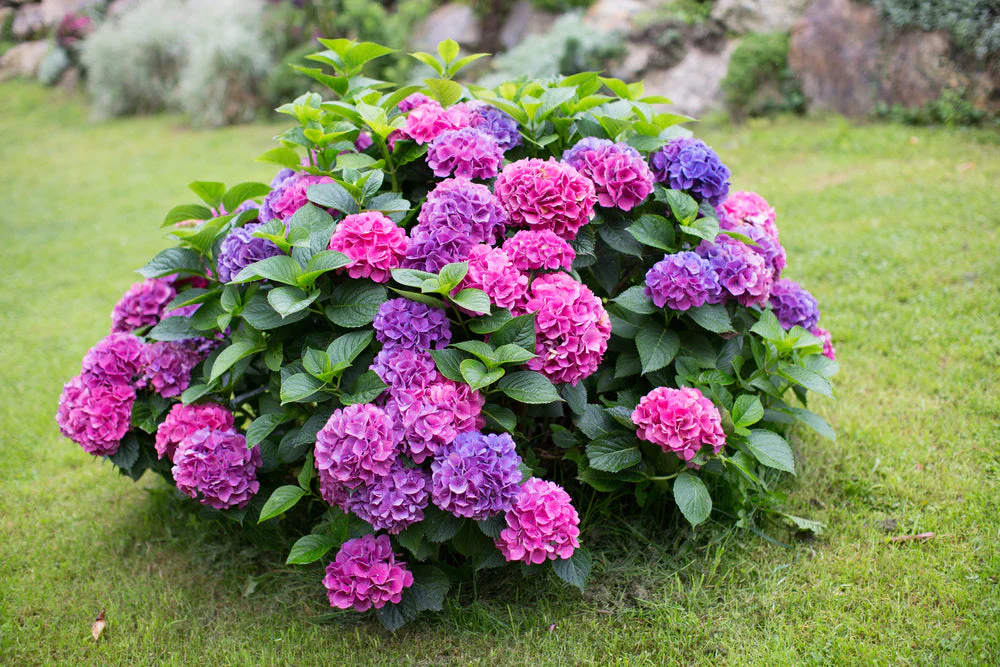
Have you ever lovingly tended to your hydrangea plants only to be left staring at a leafy, flowerless shrub? You’re not alone—and the reasons might surprise you. Hydrangeas are stunning and rewarding, but they’re also among the most finicky plants in the garden when it comes to blooming. If you’re tired of waiting on buds that never arrive, it’s time to get to the root of the issue. Let’s unravel the mystery behind non-blooming hydrangeas and help you bring back the blossoms you’ve been dreaming of.
Contents
- 1 1. Know Your Hydrangea Type
- 2 2. Pruning at the Wrong Time
- 3 3. Florist Hydrangeas Aren’t Garden Survivors
- 4 4. Young Plants Take Time
- 5 5. Know When to Expect Blooms
- 6 6. Watering, Sunlight, and Soil Conditions
- 7 7. Hidden Threats: Cold and Critters
- 8 8. It Might Just Need a New Home
- 9 Conclusion: Bring Back the Blooms
1. Know Your Hydrangea Type
Hydrangeas aren’t one-size-fits-all. Some bloom on old wood (last year’s growth), while others bloom on new wood (this year’s growth). Knowing your type is key to knowing when or if you should prune.
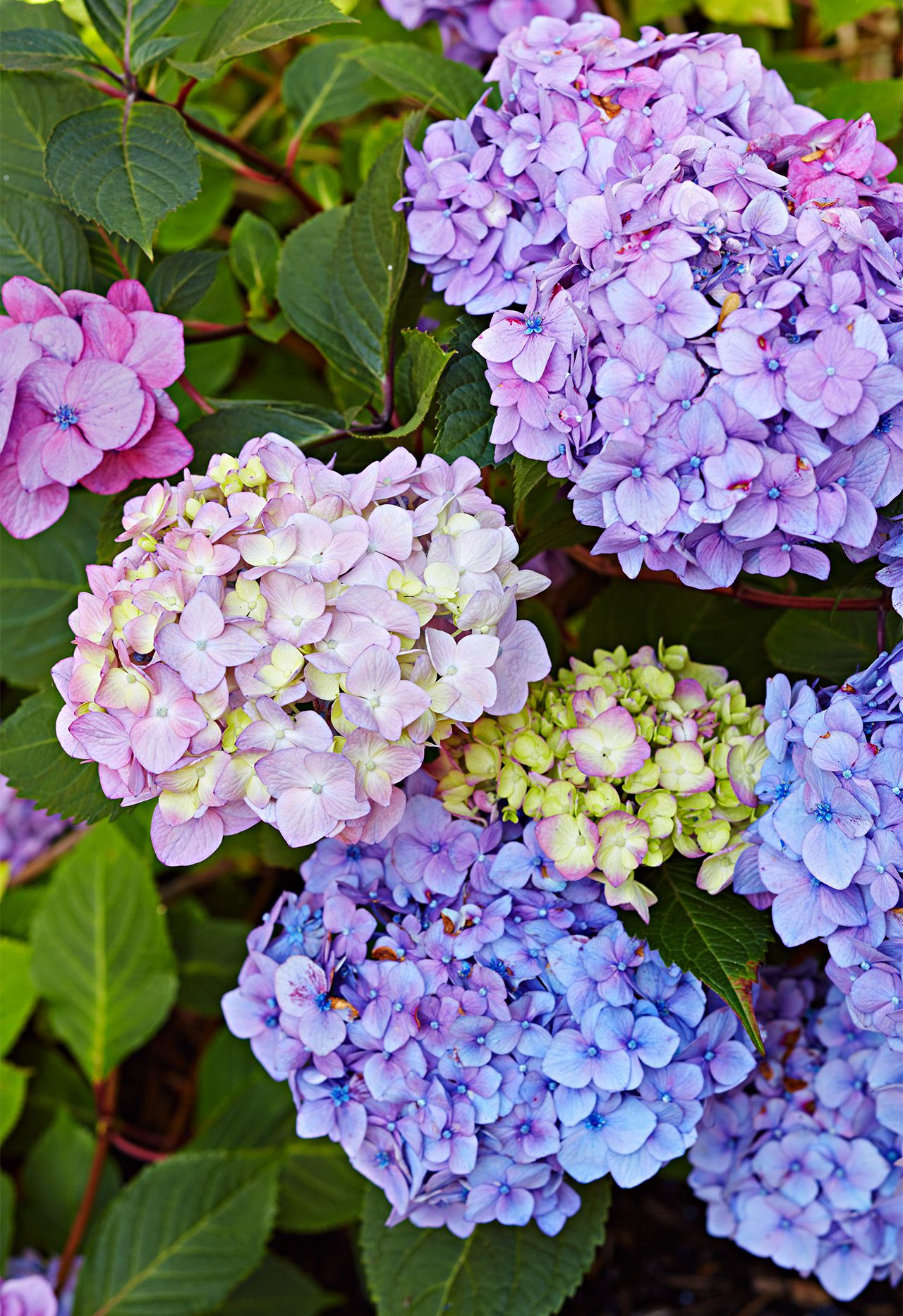
Bigleaf Hydrangea – Hydrangea macrophylla
Bloom shape: Large, round clusters (mophead) or flat-topped with outer petals surrounding a central cluster (lacecap)
Colors: Can vary from pink to blue depending on soil acidity
Leaves: Large, oval-shaped leaves
Note: Typically blooms on old wood, so pruning at the wrong time can affect flowering.
Smooth Hydrangea – Hydrangea arborescens
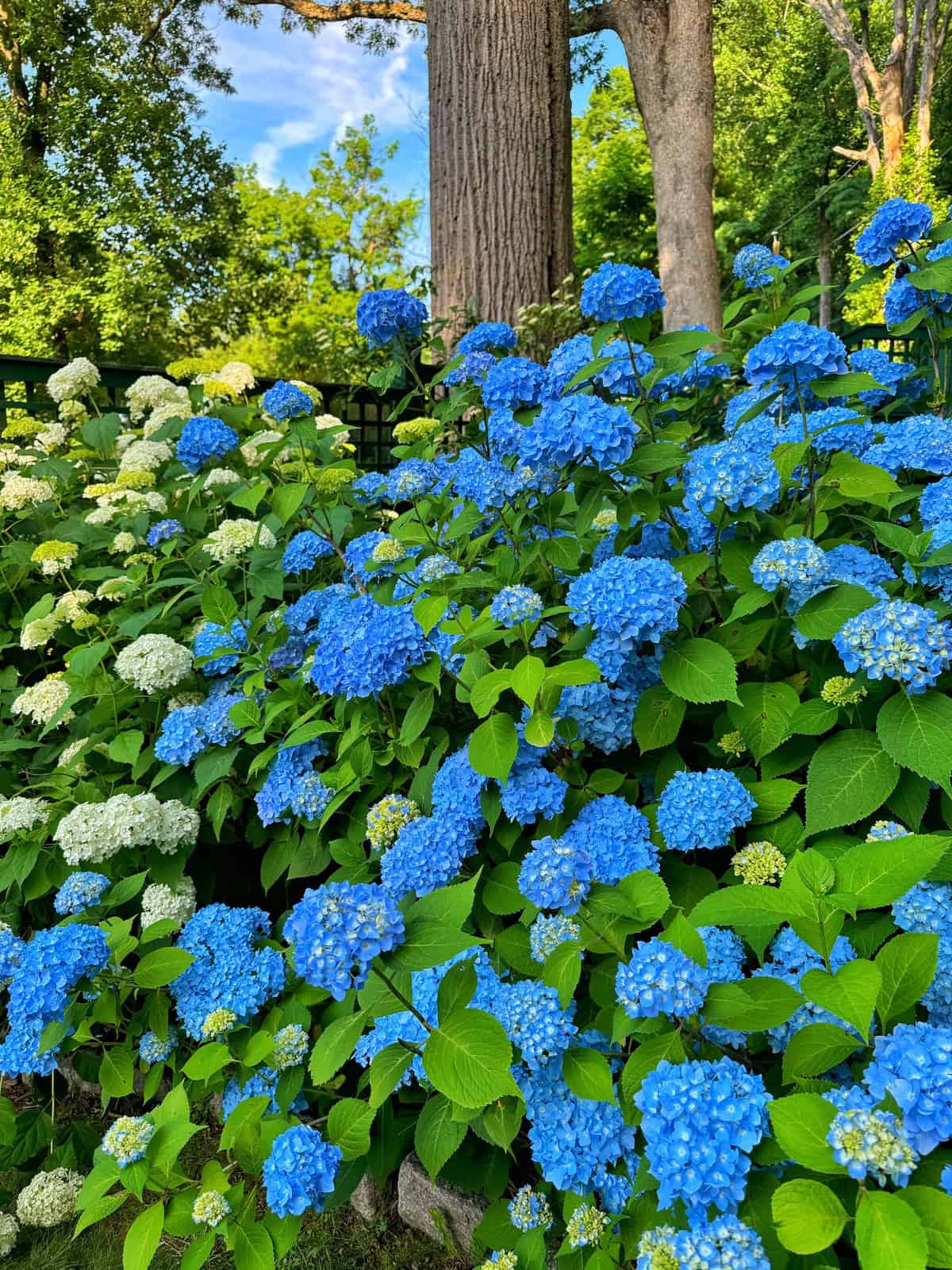
Bloom shape: Large, round, snowball-shaped clusters
Colors: Primarily white, but some newer cultivars offer pink or green hues
Leaves: Smooth, heart-shaped leaves
Note: Blooms on new wood, so pruning in late winter or early spring is okay.
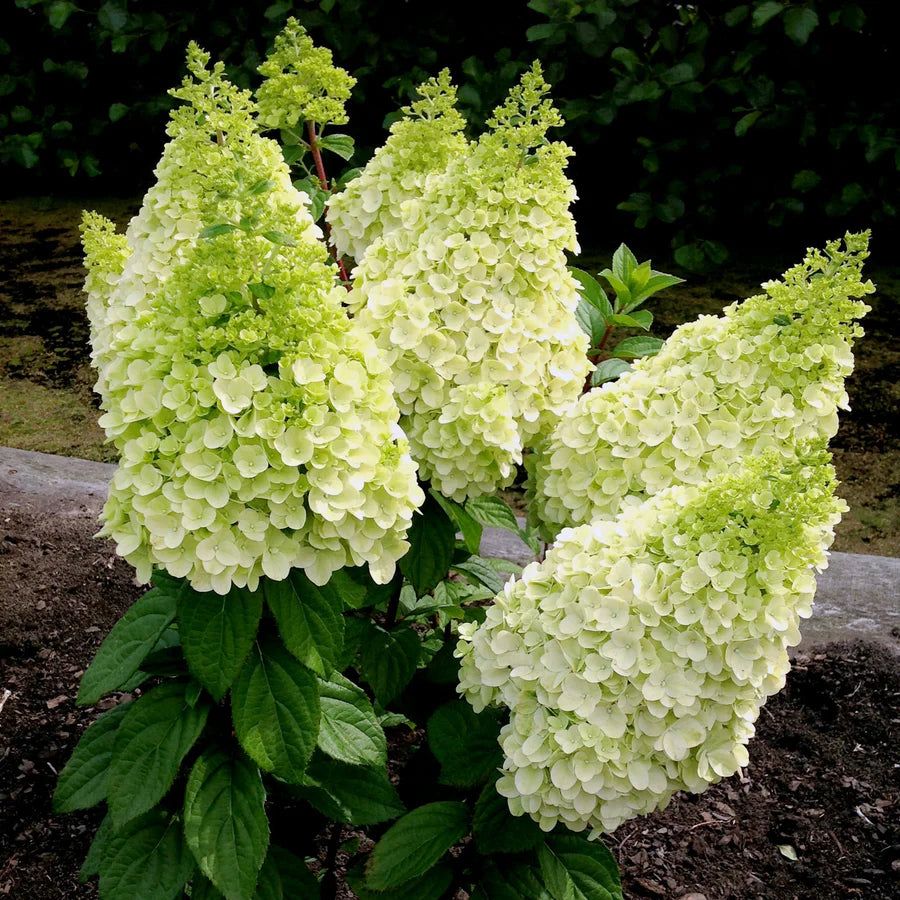
Panicle Hydrangea – Hydrangea paniculata
Bloom shape: Cone-shaped clusters that start green, turn white, then pink or red as the season progresses
Colors: Green, white, pink, and red
Leaves: Oval-shaped leaves with serrated edges
Note: Blooms on new wood, so pruning in late winter or early spring is ideal
Oakleaf Hydrangea – Hydrangea quercifolia
Bloom shape: Large, lacecap-shaped clusters
Colors: White turning to pink or brown as the season progresses
Leaves: Oak-shaped leaves that turn vibrant red, purple, and orange in fall
Note: Blooms on old wood, so avoid heavy pruning
Mountain Hydrangea – Hydrangea serrata
Bloom shape: Lacecap-shaped clusters
Colors: Pink to deep red to purple
Leaves: ovate and serrated leaves
Note: Blooms on old and new wood, cut back stems by 1/3 in August
2. Pruning at the Wrong Time
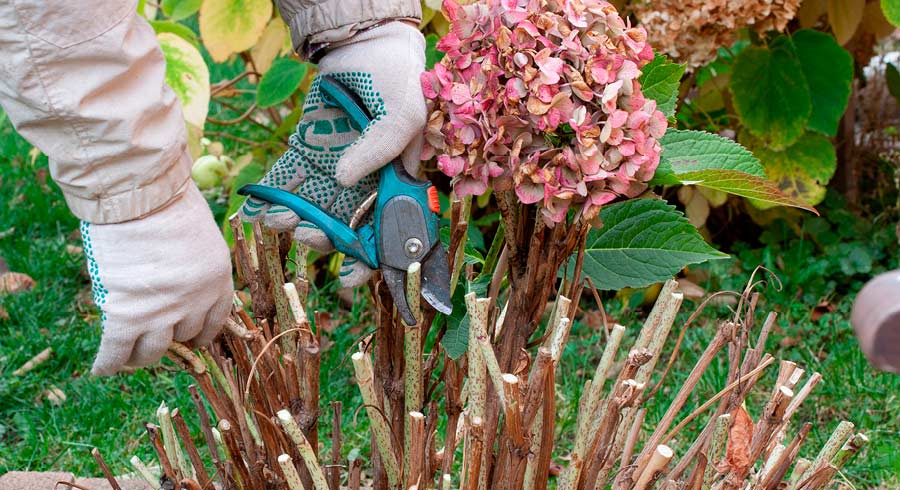
Timing is everything. If you prune an old wood bloomer in late summer or fall, you may be cutting off next season’s buds. For these types, the best practice is to prune immediately after the plant finishes blooming.
3. Florist Hydrangeas Aren’t Garden Survivors
Those tempting hydrangeas sold around holidays like Easter or Mother’s Day often aren’t meant for outdoor life. They’ve been forced to bloom early and lack the hardiness of true garden varieties. Enjoy them indoors, but don’t expect them to thrive outside year-round.
4. Young Plants Take Time
A hydrangea may take 2–3 years to mature and start blooming consistently, especially if it’s been grown from a cutting. If you’re short on patience, consider buying a larger, more established plant that already shows signs of blooming.
5. Know When to Expect Blooms
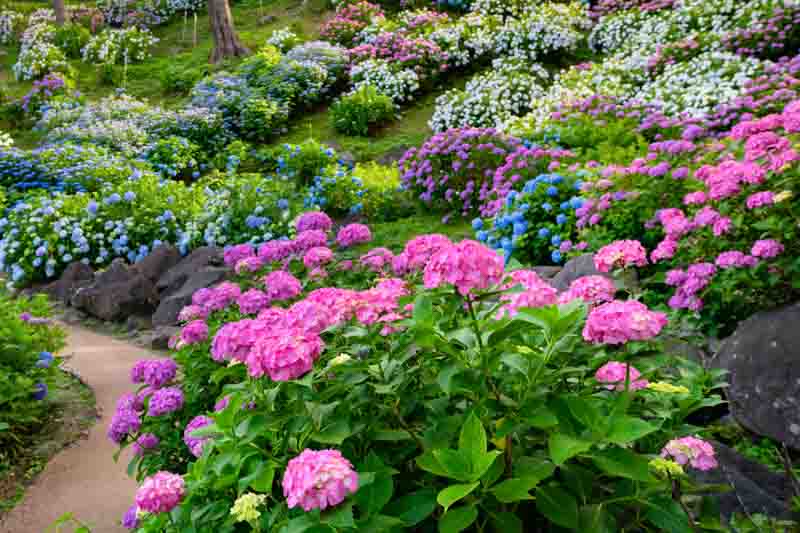
Different types bloom at different times:
– Oakleaf: Early season
– Smooth: Mid-season
– Mopheads: Late summer
– Panicles: Late season
Don’t panic if your plant hasn’t bloomed by mid-summer—it may still be on the way!
6. Watering, Sunlight, and Soil Conditions
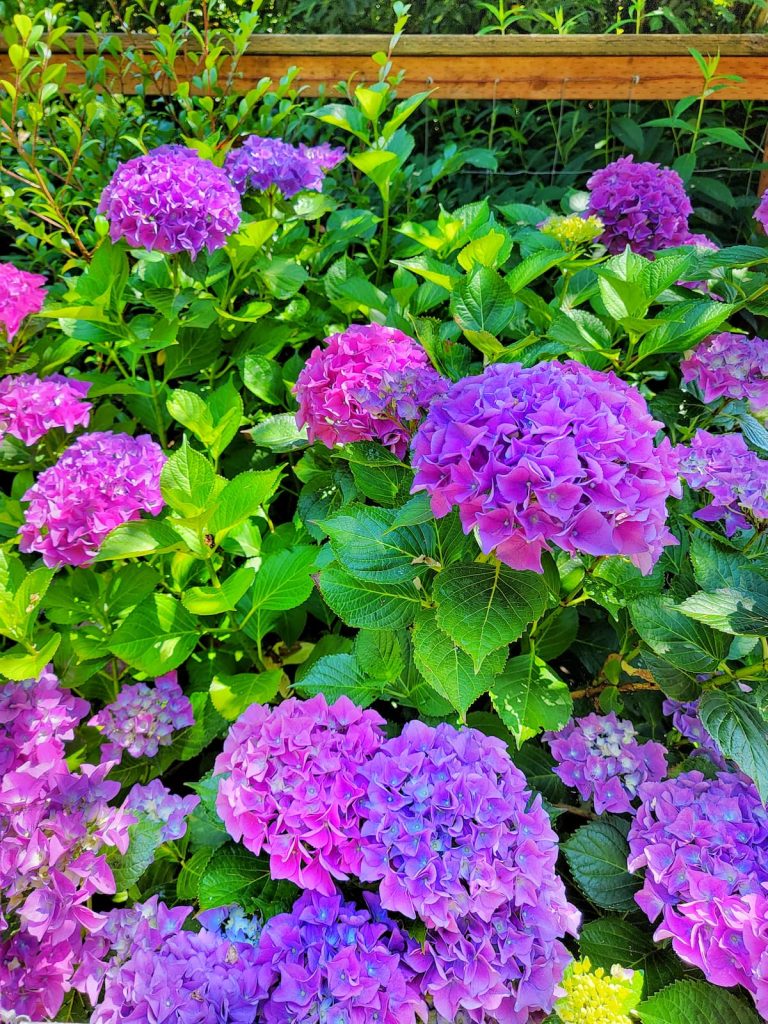
Hydrangeas love water but hate soggy roots. Provide moist, well-draining soil and amend with compost if needed. Sunlight is also crucial—at least 4 hours per day. While many types enjoy part shade, some like panicle and oakleaf can handle full sun.
7. Hidden Threats: Cold and Critters
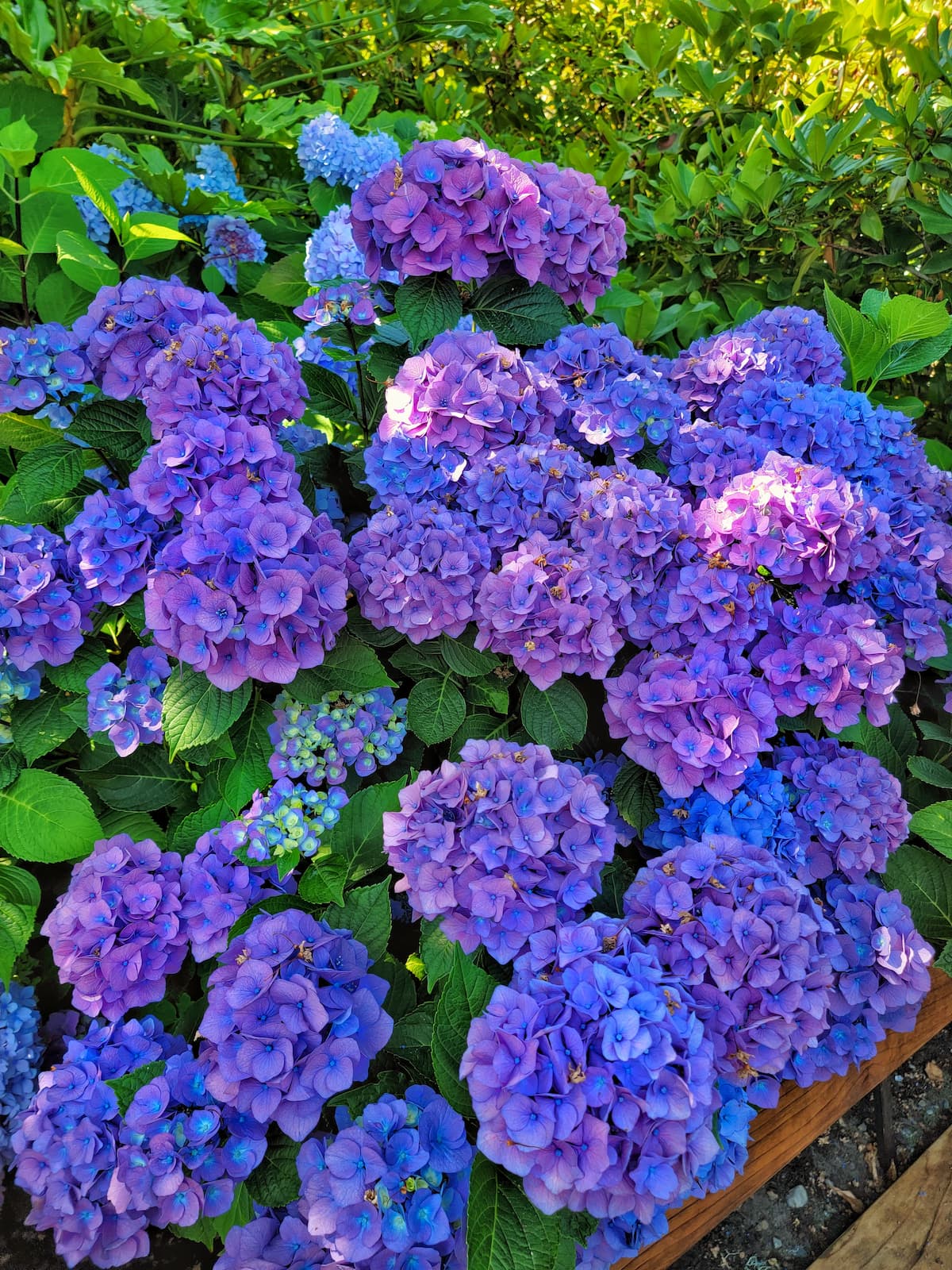
Winter can kill buds on old wood types, and deer love munching on hydrangeas. Protect plants in fall with mulch and wire cages. If damage persists year after year, consider switching to more winter-hardy or new wood bloomers.
8. It Might Just Need a New Home
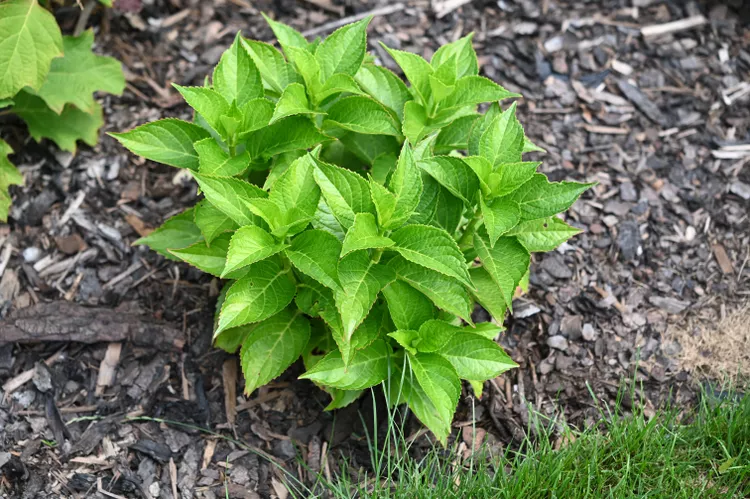
Sometimes, the problem isn’t the plant—it’s the location. Poor airflow, light, or soil can hinder blooms. Transplanting to a more suitable location often gives your hydrangea a fresh start.
Conclusion: Bring Back the Blooms
Hydrangeas are incredibly rewarding—but only if you meet their needs. By understanding your plant type, pruning correctly, managing sun, water, and soil, and protecting it from damage, you can greatly improve your chances of a full bloom. Still struggling? Consider replacing older underperforming plants with newer, more reliable varieties.
🌸 Ready to revive your hydrangeas? Share your bloom success stories—or questions—in the comments below.
