
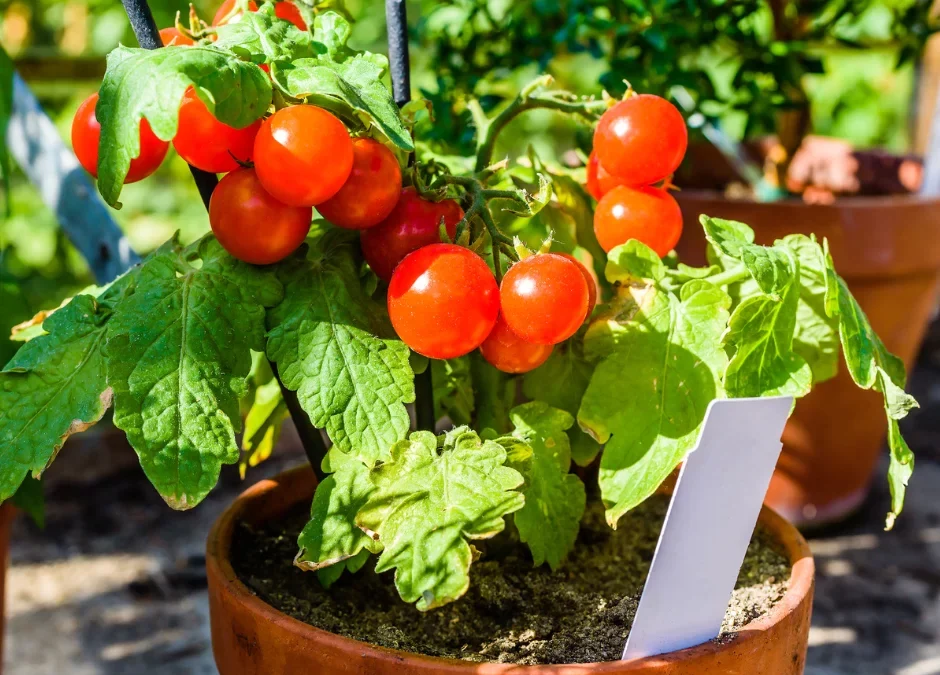
Ever wondered why your healthy-looking tomato plant suddenly wilts overnight or why the once-promising harvest starts to rot on the vine? Tomato diseases can sneak into even the best-tended gardens, wreaking havoc on your beloved crop in days. Whether you’re growing a single patio plant or tending to a backyard garden, understanding the most common tomato plant diseases—and how to treat or prevent them—can make all the difference between a bountiful harvest and heartbreaking losses.
Contents
1. Fungal Diseases
Fungal infections are the most common problems in tomato plants, often spread by air, water, or contaminated tools. Some of the most aggressive types include:
- Early Blight: Starts on lower leaves as dark spots; spreads to stems and fruit. Occurs in hot, humid conditions.
- Late Blight: A devastating disease that can destroy plants within days. Look for dark, water-soaked lesions in cool, dewy weather.
- Southern Blight: Leads to yellowing lower leaves and plant collapse in hot, wet soil.
- Fusarium & Verticillium Wilt: Cause plant wilting and yellowing—Verticillium affects both sides; Fusarium may target only one.
- Anthracnose: Targets ripe or green fruit with small, sunken spots that deepen over time.
- Powdery Mildew: White, powdery patches on leaves—common when plants are overcrowded.
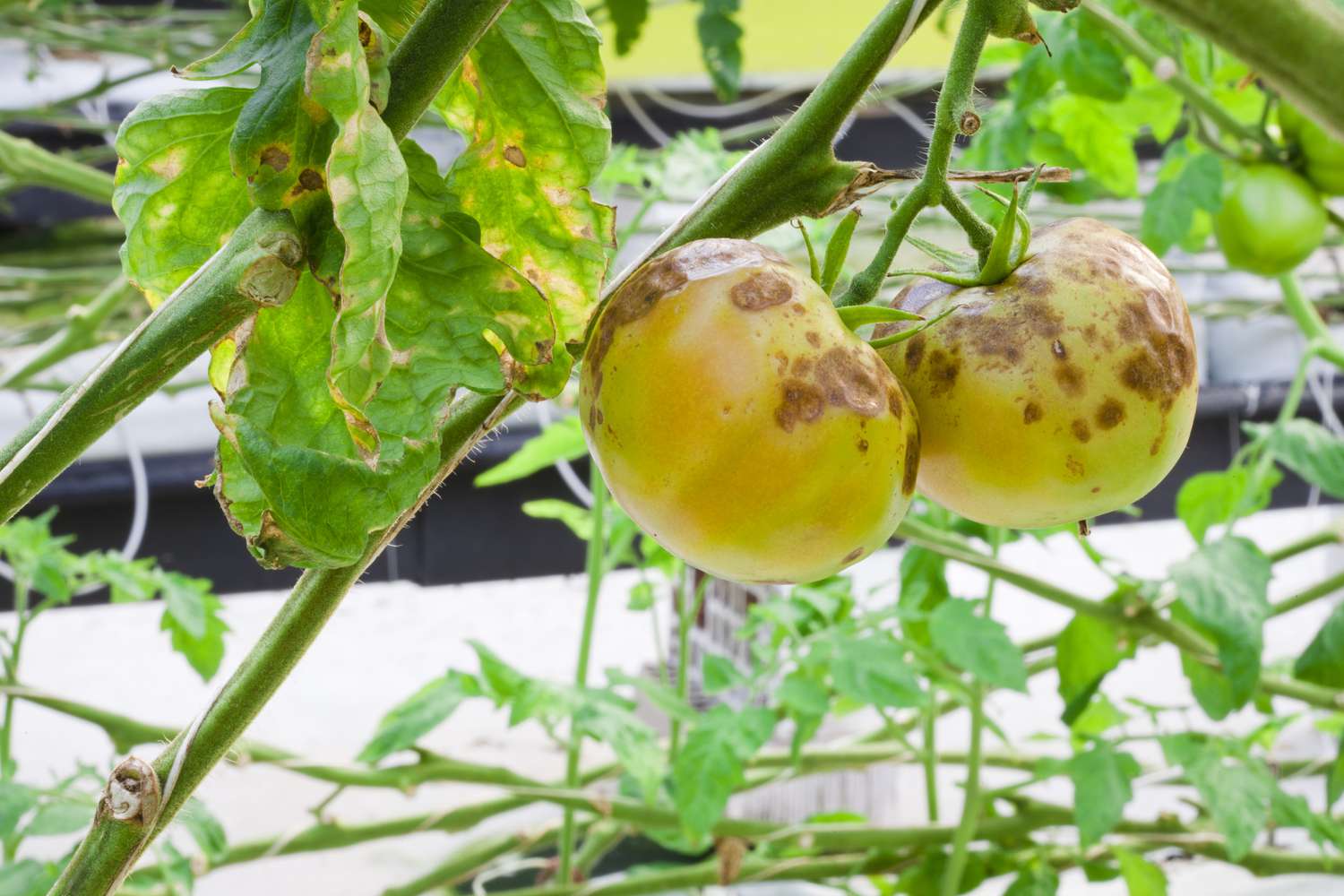
Prevention Tips: Space plants well for air flow, avoid overhead watering, clean tools regularly, and remove infected plants (don’t compost them!).
2. Viral Diseases
Viruses like Mosaic Virus or Tomato Leaf Curl can stunt plant growth, curl leaves, and cause deformities. Infected flowers may not produce fruit or drop prematurely.
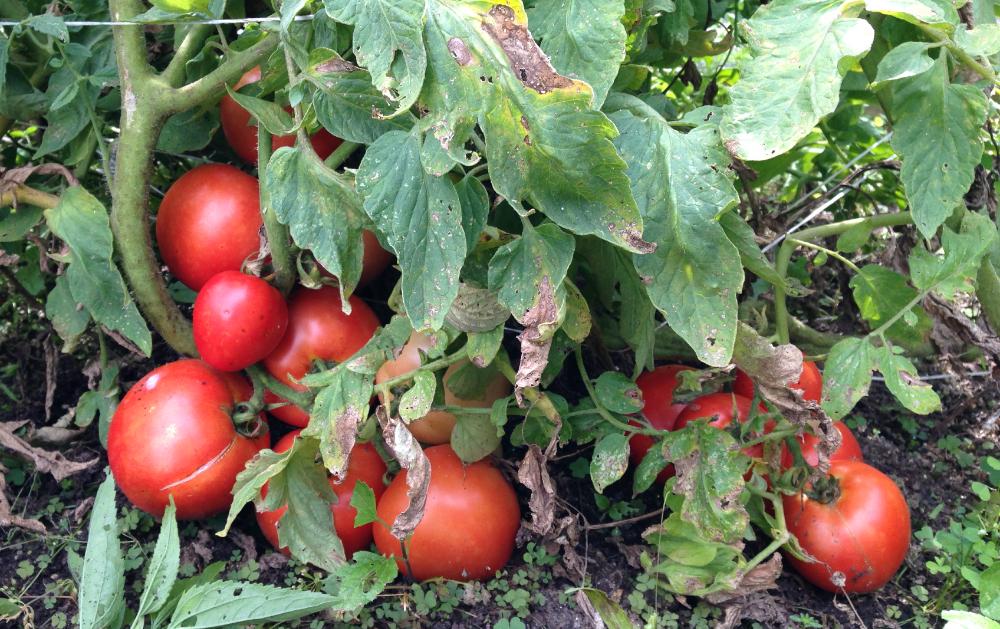
Prevention: Remove infected plants immediately. Use resistant varieties and sanitize hands and tools between handling.
3. Bacterial Diseases
- Septoria Leaf Spot: Small brown-ringed lesions with light centers on older leaves.
- Bacterial Speck: Tiny black or brown spots with yellow halos that may spread to fruit.
- Although not always fatal, bacterial infections can affect fruit quality and overall yield.
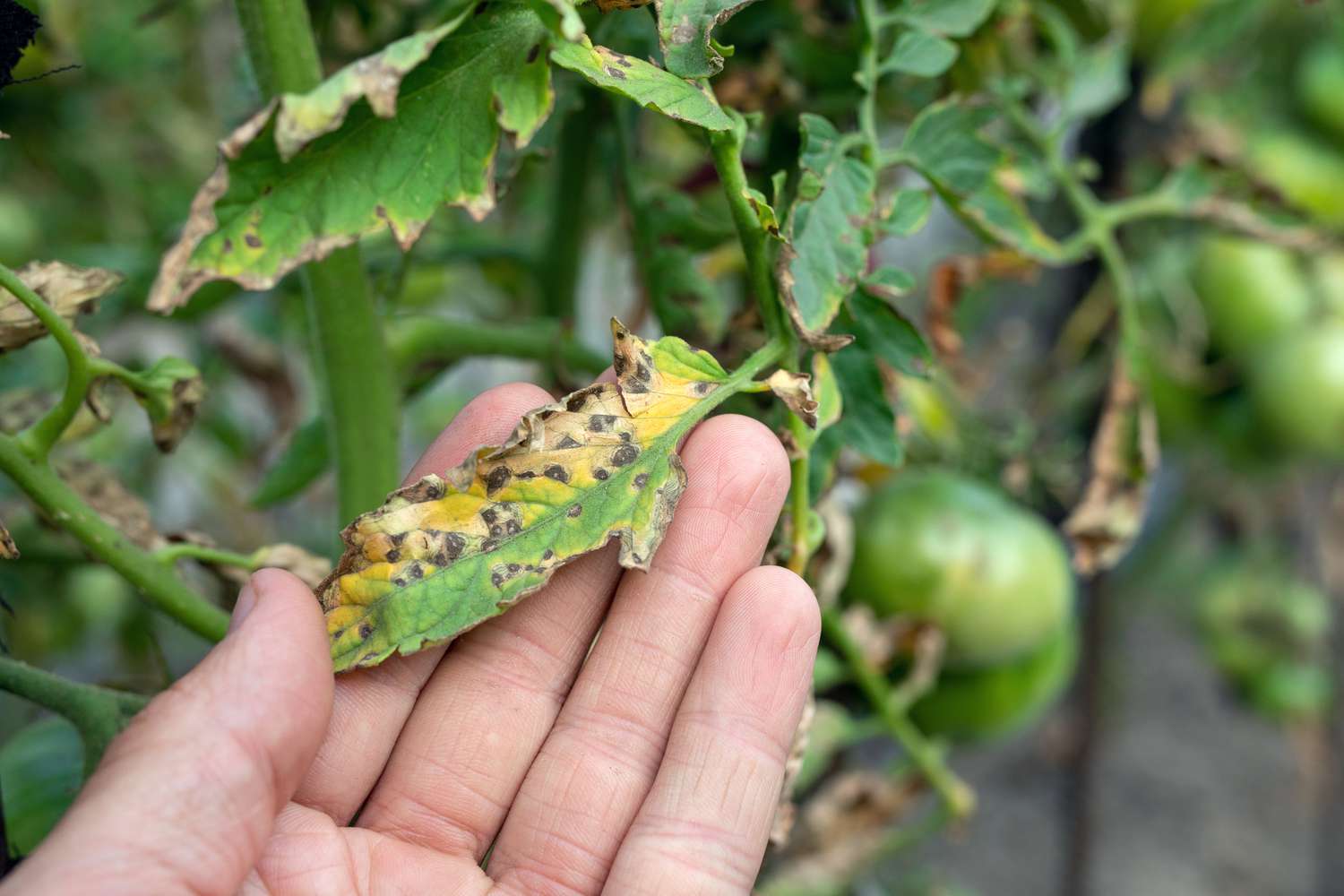
Prevention: Use crop rotation, resistant varieties, and copper-based treatments if needed.
4. Natural and DIY Solutions
For mild to moderate issues, natural remedies like neem oil, sulfur sprays, and baking soda solutions (½ tsp in 16 oz water) can help. Start treatment at the first sign of disease for best results.
5. Grow Disease-Resistant Varieties
Check seed packets for resistance codes like V (Verticillium), F (Fusarium), and N (Nematodes). While not 100% immune, these varieties give your tomatoes a stronger fighting chance.
Conclusion
Tomato diseases don’t have to spell disaster for your garden. With early detection, proper spacing, tool hygiene, and the right plant choices, you can enjoy delicious tomatoes all season long. And if trouble arises, you now have the know-how to stop it in its tracks.
Ready to grow healthier tomatoes? Check out our full tomato-growing guide for watering, fertilizing, and pruning tips!
FAQs
1. Can I compost diseased tomato plants?
No. Composting infected plants can reintroduce pathogens into your soil next season. Always destroy diseased plant material.
2. How do I know if I have early or late blight?
Early blight starts on older leaves with dark concentric spots. Late blight spreads quickly in cool, wet weather and affects all parts of the plant.
3. What are the best organic fungicides?
Neem oil, sulfur spray, and baking soda solutions are effective organic treatments when applied at the first signs of disease.
4. Should I rotate crops to prevent tomato diseases?
Yes! Avoid planting tomatoes or related crops (like peppers or eggplant) in the same spot for at least 2-3 years.
5. Can I save seeds from infected tomatoes?
It’s risky. Pathogens can persist on seeds. Use seeds from healthy plants or buy certified disease-free seeds.
