
A Garden Game-Changer Have you ever wondered if your herbs can grow better together? What if planting the right herbs side by side could actually improve their health, enhance flavor, and keep pests away? It’s not just wishful thinking—it’s a tried-and-true method known as companion planting, and it might just be the secret weapon your herb garden has been missing.
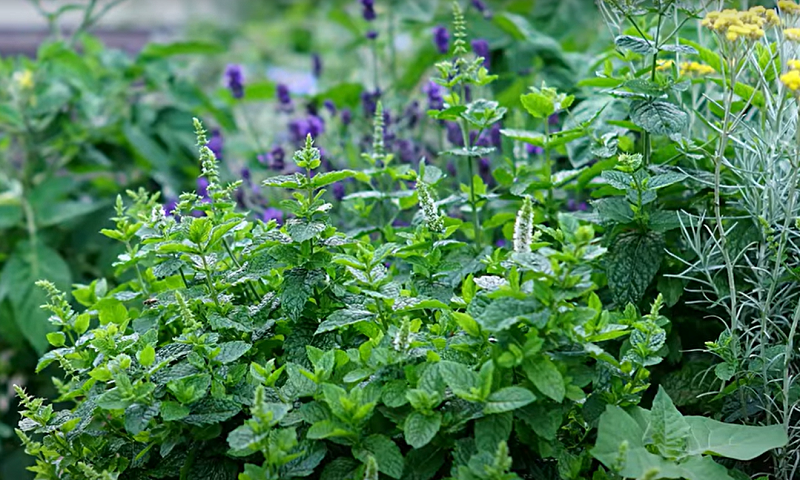
Why Companion Planting Works Companion planting is more than a gardening trend. It taps into the natural relationships between plants to create a healthier, more productive garden. Whether you’re growing in raised beds, containers, or directly in the ground, companion planting helps:
- Deter pests naturally
- Improve flavor
- Encourage pollinators
- Simplify maintenance by grouping herbs with similar needs
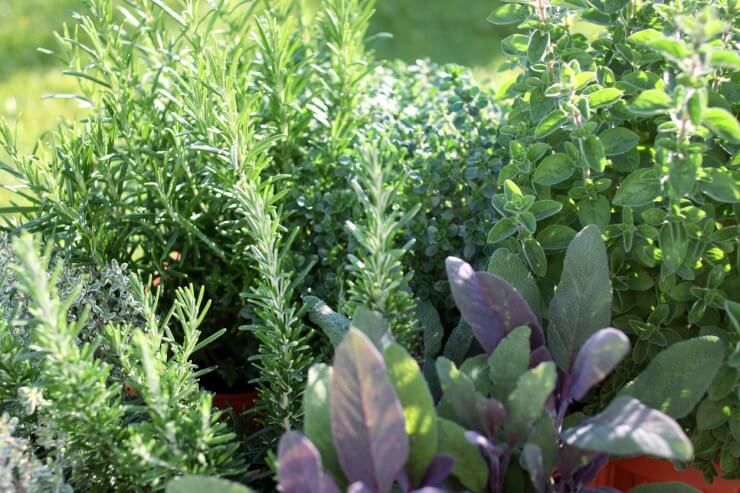
Step 1: Understand Light, Soil, and Water Requirements Before you group herbs together, make sure they share similar growing conditions:
- Light: Most herbs love full sun (6+ hours), but parsley, mint, lemon balm, and chives can handle part shade.
- Soil: Use well-draining, compost-enriched soil. Avoid soggy or compacted soil.
- Water: Water consistently, especially in containers. Some herbs, like rosemary and thyme, prefer drier conditions.
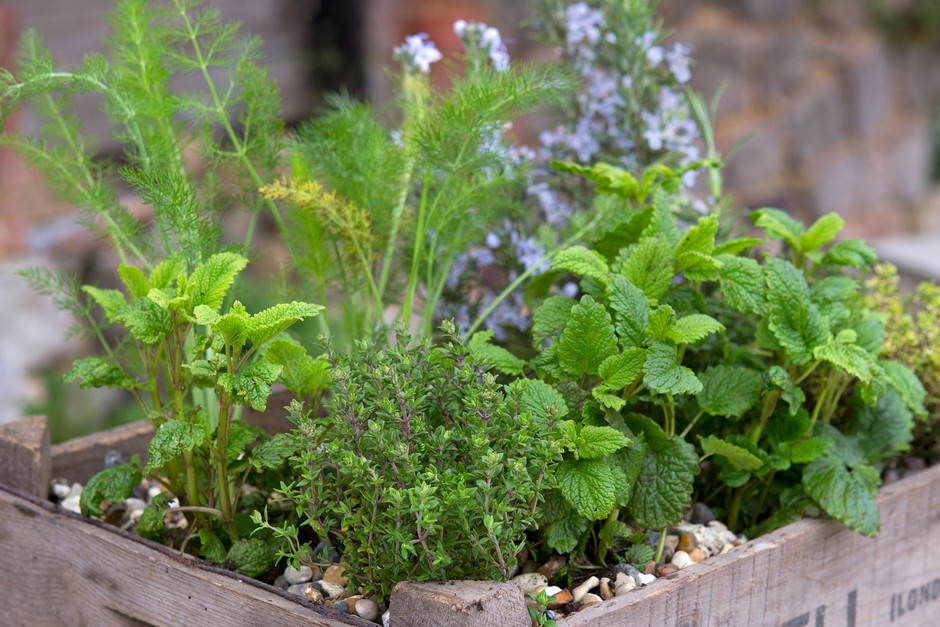
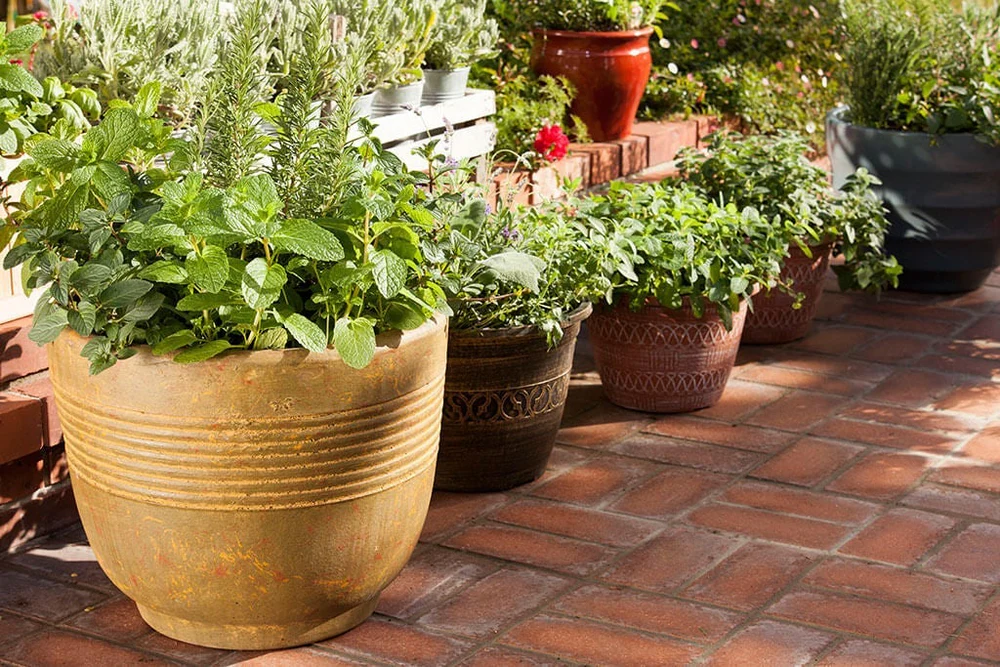
Step 2: Choose the Right Containers (If Needed) Short on space? No problem. Most herbs thrive in containers:
- Use pots with good drainage holes
- Pair herbs with similar water/sun needs
- Try a strawberry pot: Plant cascading herbs like thyme or oregano in side pockets, and upright herbs like basil or chives on top
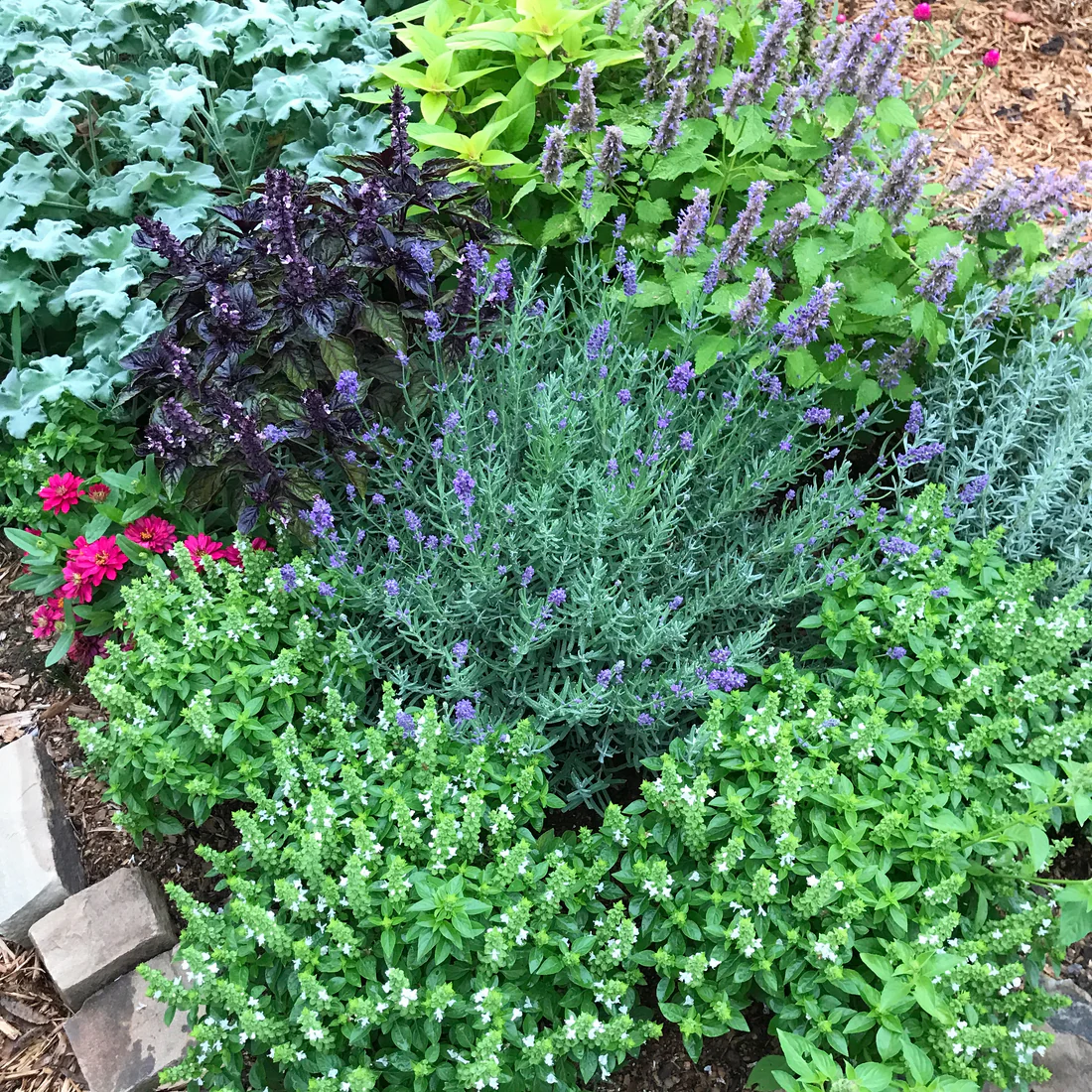
Step 3: Seeds vs. Starter Plants
- Seeds: Great for variety and learning. Herbs like dill, cilantro, basil, and parsley are easy to grow from seed.
- Starts: Ideal for beginners. Potted herbs from garden centers offer a head start and quick gratification.
Step 4: Group Herbs by Compatibility Not all herbs get along. Avoid mixing aggressive growers with delicate herbs. Here’s how to pair wisely:
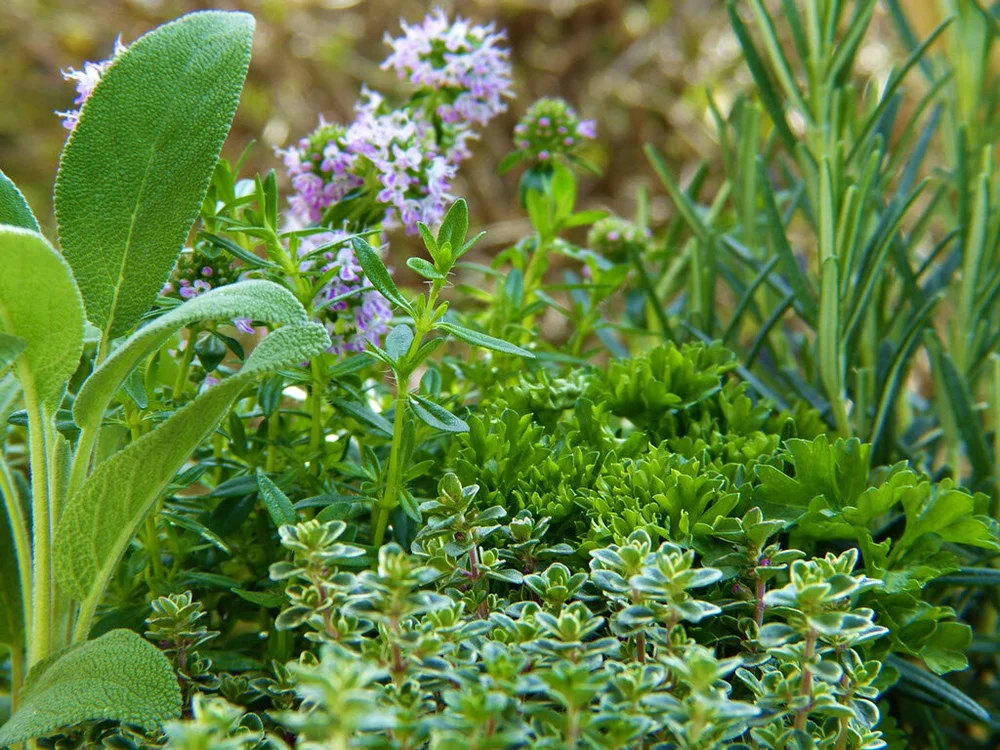
- Mediterranean Group (Dry Soil, Full Sun):
- Rosemary
- Thyme
- Sage
- Oregano
- Marjoram
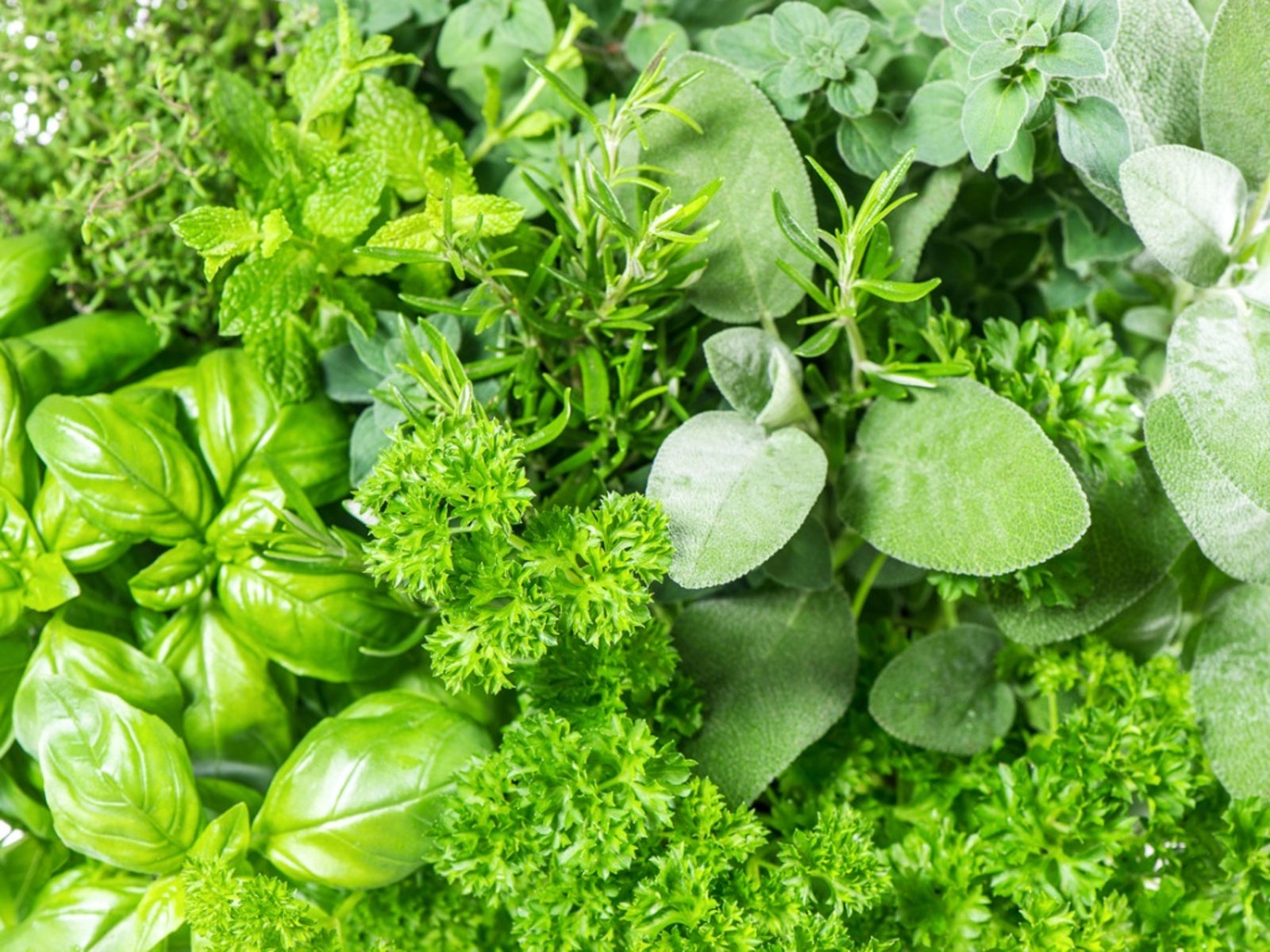
- Moisture-Loving Group (Full Sun to Part Shade):
- Basil
- Parsley
- Cilantro
- Chives
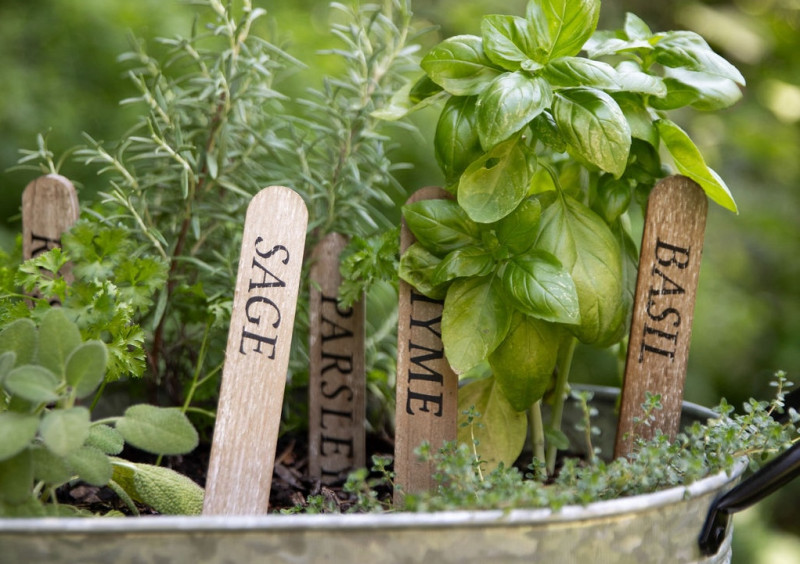
- Shade-Tolerant Group:
- Lemon balm
- Mint (in separate containers!)
- Cilantro
Warning about Mint: Always plant mint separately in containers. It spreads aggressively and may overtake your garden. Different varieties can also cross-pollinate and alter flavor.
Step 5: Smart Companion Pairings Let your herbs help each other out! Here are some top matches:
- Basil + Tomatoes: Boosts growth and repels pests
- Chives + Everything: Repels aphids, attracts pollinators
- Cilantro + Peas/Beans: Improves soil with nitrogen boost
- Sage + Strawberries: Keeps slugs at bay
- Dill + Cabbage Family: Attracts beneficial insects, repels pests
- Rosemary + Peppers/Broccoli: Deterrent for common pests
Step 6: Harvest Often, Propagate Easily
- Regularly trimming herbs encourages bushier, more productive growth
- Many herbs, like basil and mint, are easy to propagate from stem cuttings. Place a 3–4 inch cutting in water, and plant once roots reach 2 inches.
Bonus: Themed Herb Gardens for Fun & Flavor Want to get creative? Try these container garden ideas:
- Pizza Pot: Basil, oregano, thyme, and tomatoes
- Pickle Garden: Dill, cucumbers, and garlic
- Taco Trough: Cilantro, oregano, hot peppers
Conclusion: Grow Smarter, Not Harder With companion planting, your herb garden becomes more than just a collection of pots—it becomes a thriving ecosystem. Whether you grow for flavor, beauty, or both, the key to success is choosing compatible herbs, giving them what they need, and letting nature do the rest.
So, are you ready to mix and match your herbs like a pro? Let us know your favorite herb pairings in the comments or visit our website for more gardening tips. Happy planting!
