
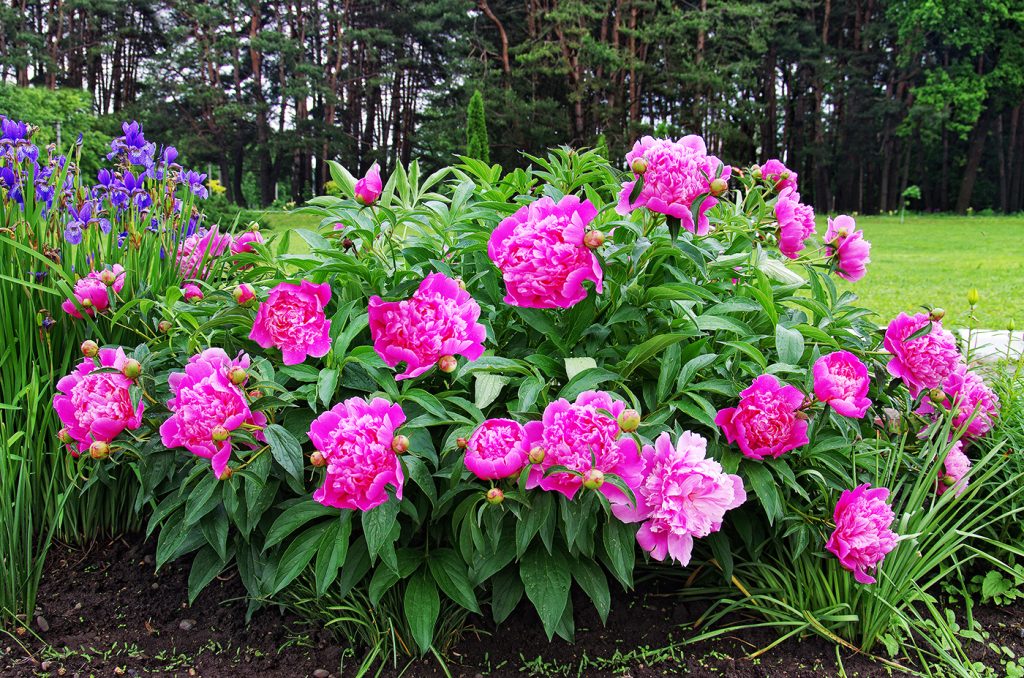
Have you ever seen a plant outlive generations? Peonies can—and often do. These timeless perennials don’t just deliver breathtaking blooms; they can also become living heirlooms in your garden. With the right care, your peonies can flourish for 50, 70, or even 100 years. That’s not a myth—some gardeners are tending to plants their great-grandmothers once nurtured. But what’s the secret to growing peonies that last for decades?
Contents
Why Peonies Are Worth It
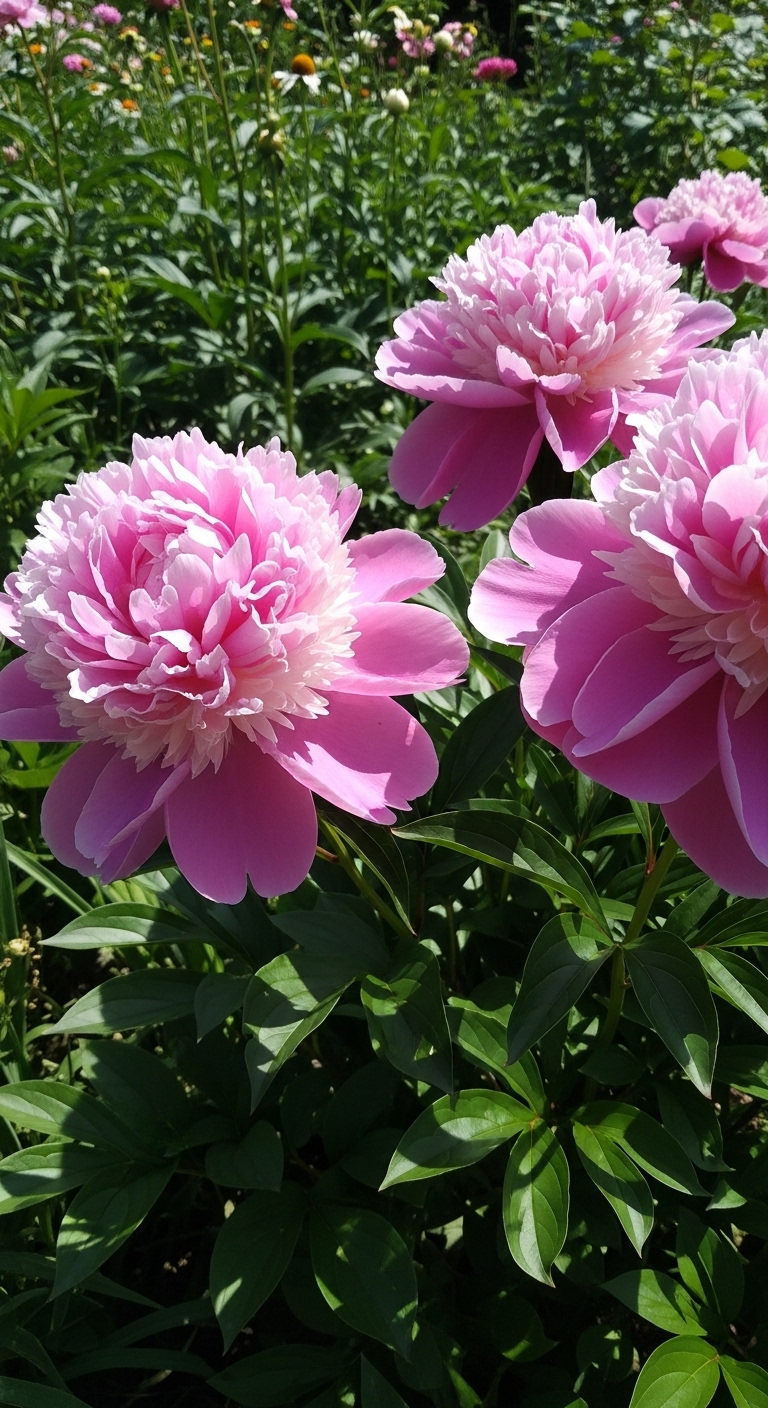
Peonies aren’t just beautiful—they’re reliable. Their large, fragrant blooms light up spring gardens, and their glossy foliage adds elegance long after the flowers fade. And here’s a bonus: deer typically ignore them, making them ideal in areas where wildlife tends to snack on your plants.
Choosing the Right Type
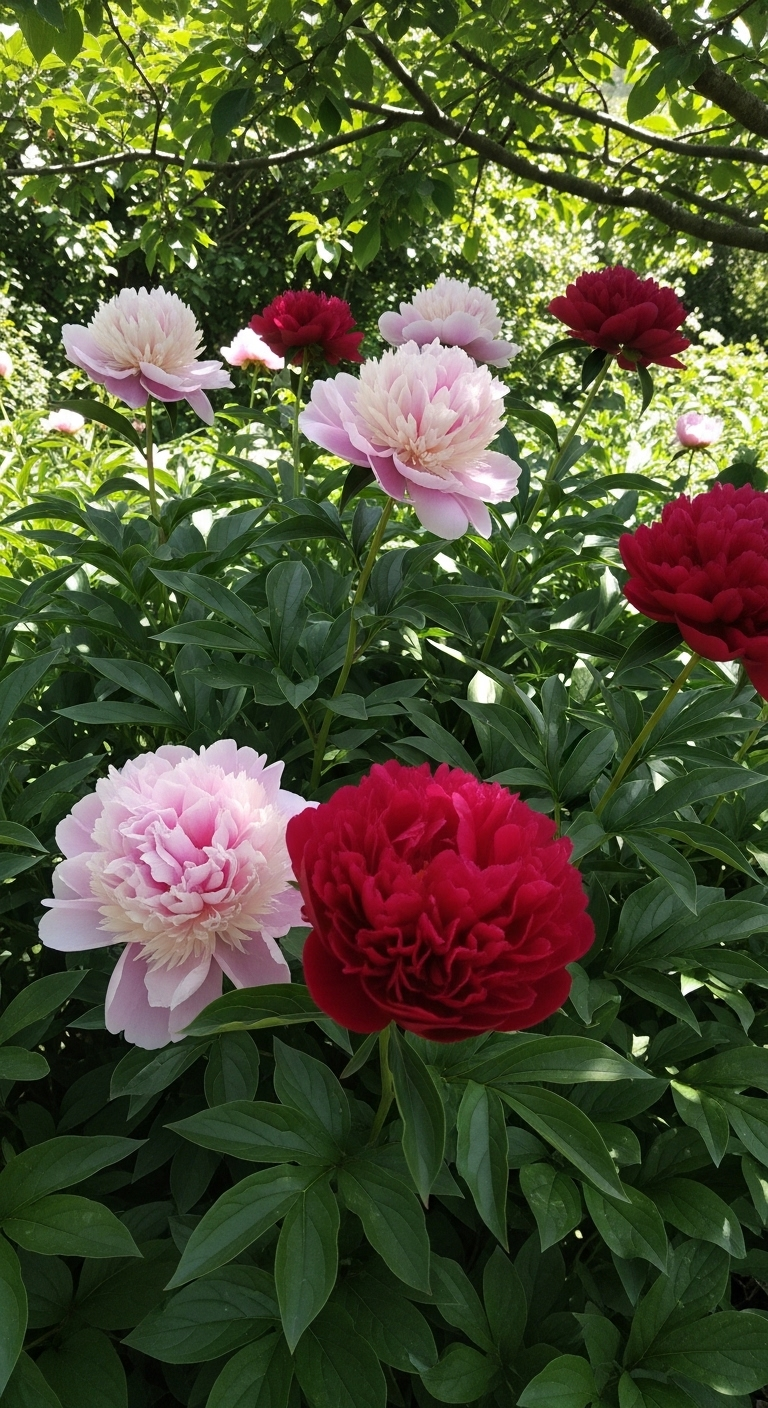
The most common peonies you’ll see are herbaceous garden peonies, known for their spectacular spring flowers. But don’t overlook fernleaf, woodland, tree, and Itoh peonies (a cross between tree and herbaceous types). Each has its own charm, but for the purpose of this guide, we’ll focus on traditional herbaceous garden peonies.
Planting for Longevity
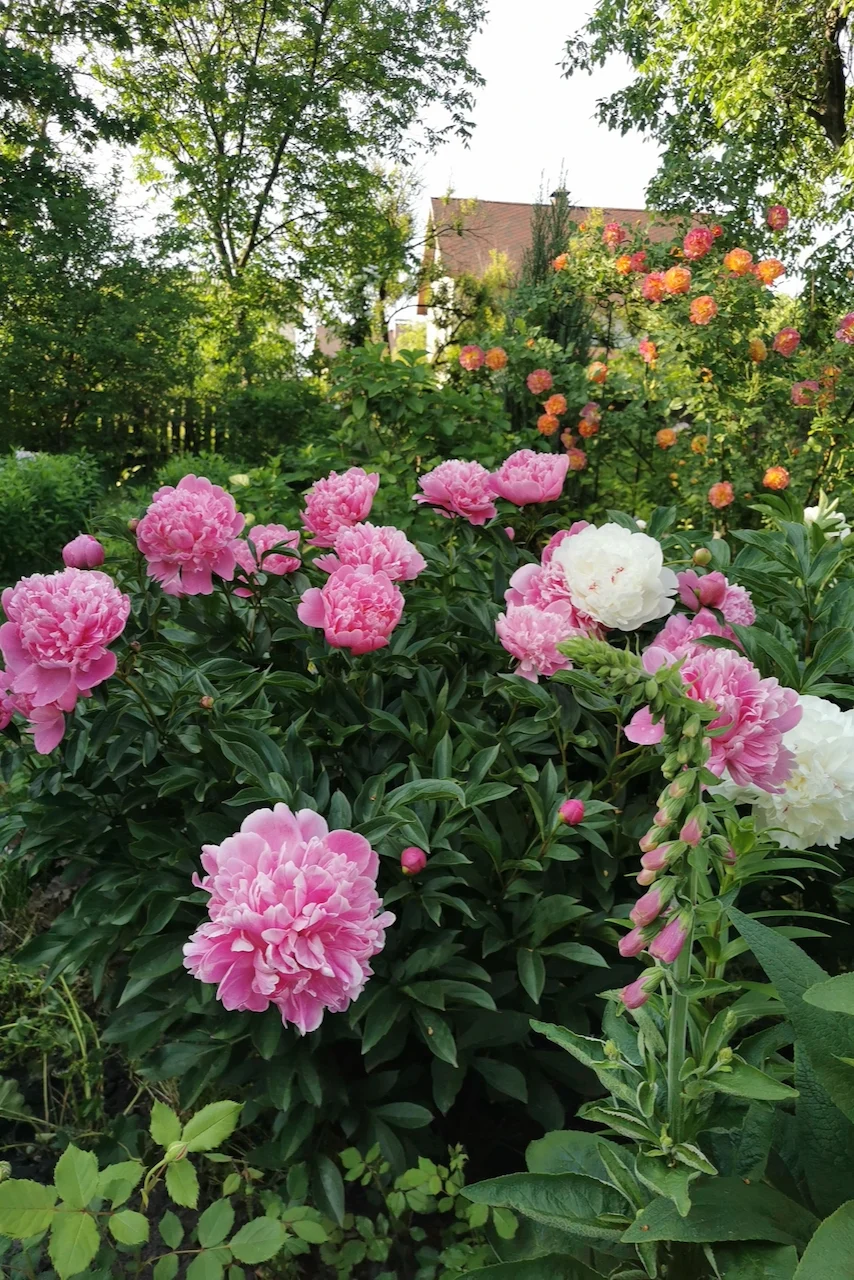
Peonies thrive in USDA zones 3 to 9 and come in a rainbow of colors—from blush to bright pink, white, peach, and deep red. You can buy them as potted plants or bare-root tubers. If you’re working with tubers, fall is the best time to plant them. Potted peonies can go in the ground anytime during the growing season but will do best when fall-planted.
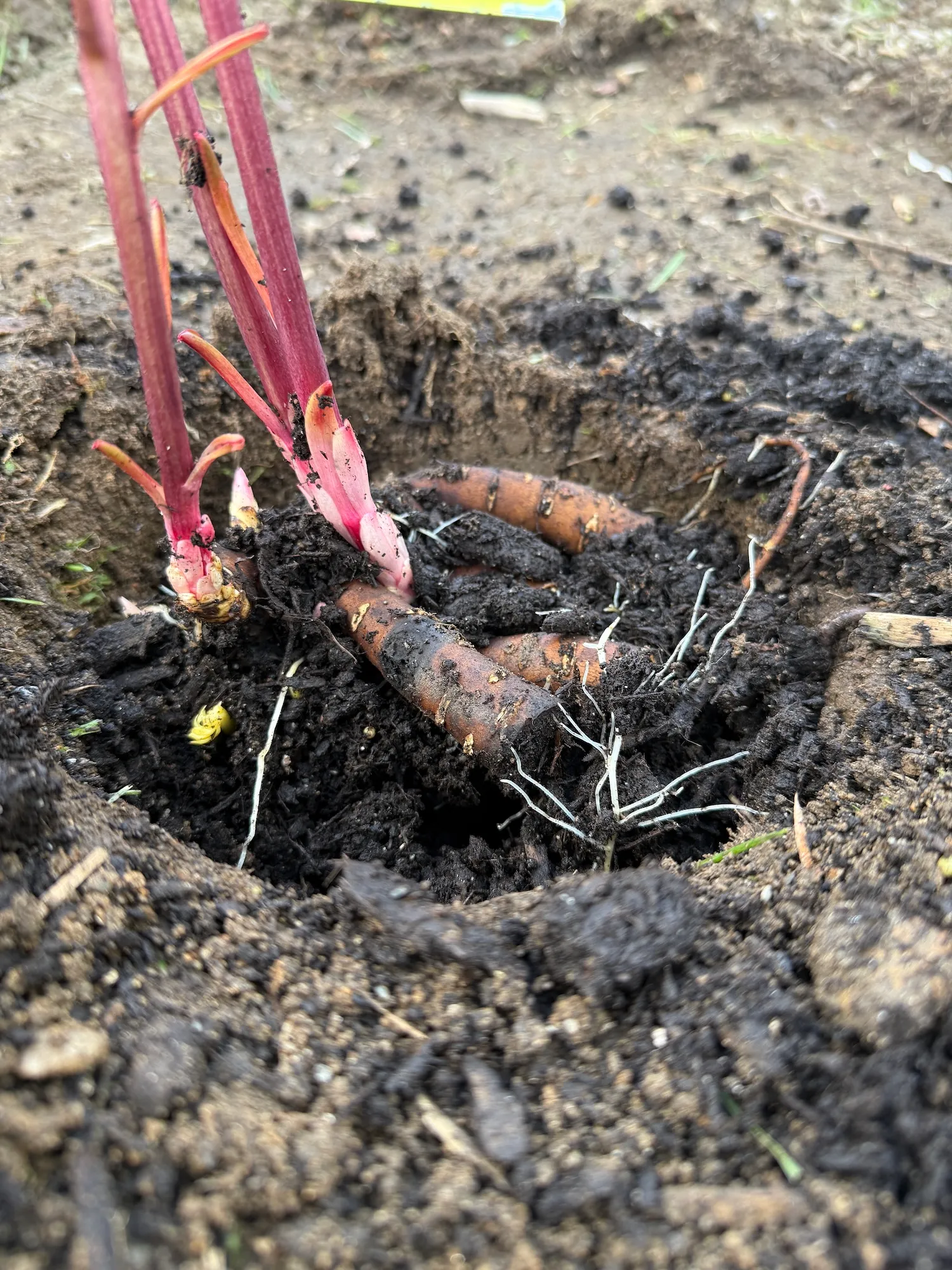
Choose a sunny location with at least 6 hours of light per day and give each plant room to grow—about 3 to 4 feet wide and tall. Once planted, peonies don’t like being disturbed, so pick your spot carefully. Most importantly, don’t plant the crown (where the stems meet the roots) too deep. Covering it with just 1 to 2 inches of soil is ideal. Any deeper, and your peonies may never bloom.
Caring for Peonies Year After Year
Young peonies appreciate a dose of fertilizer in early spring or just after flowering, while mature plants usually need little more than a top-up of compost and mulch each spring. If blooms start to fade over the years, apply bone meal or a low-nitrogen fertilizer every 3 to 5 years to boost performance.
For bigger, more dramatic flowers, consider disbudding—pinching off the smaller side buds and leaving only the large central one. It’s a trade-off (fewer blooms, but larger ones), and many gardeners find it worth it.
Because peony blooms can be heavy—especially in double-flowered varieties—staking is recommended. Peony rings are made for this purpose, but a tomato cage can work in a pinch.
Enjoying Peonies Indoors
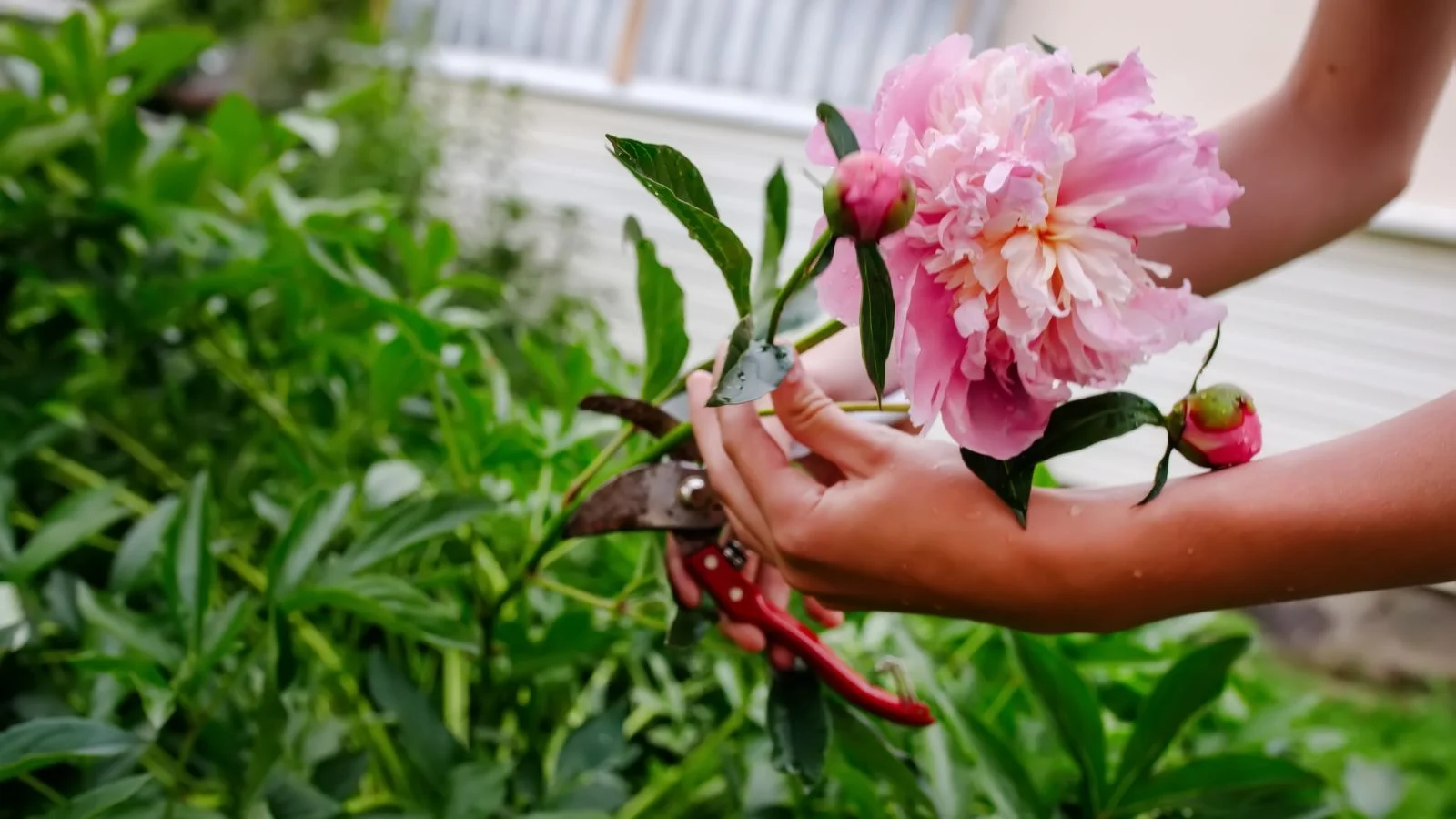
Peonies make fantastic cut flowers. Harvest blooms just before they open by gently squeezing the buds—they should feel like marshmallows. Don’t take more than a third of the blooms from any one plant to ensure continued health and flowering in future seasons.
End-of-Season Tasks
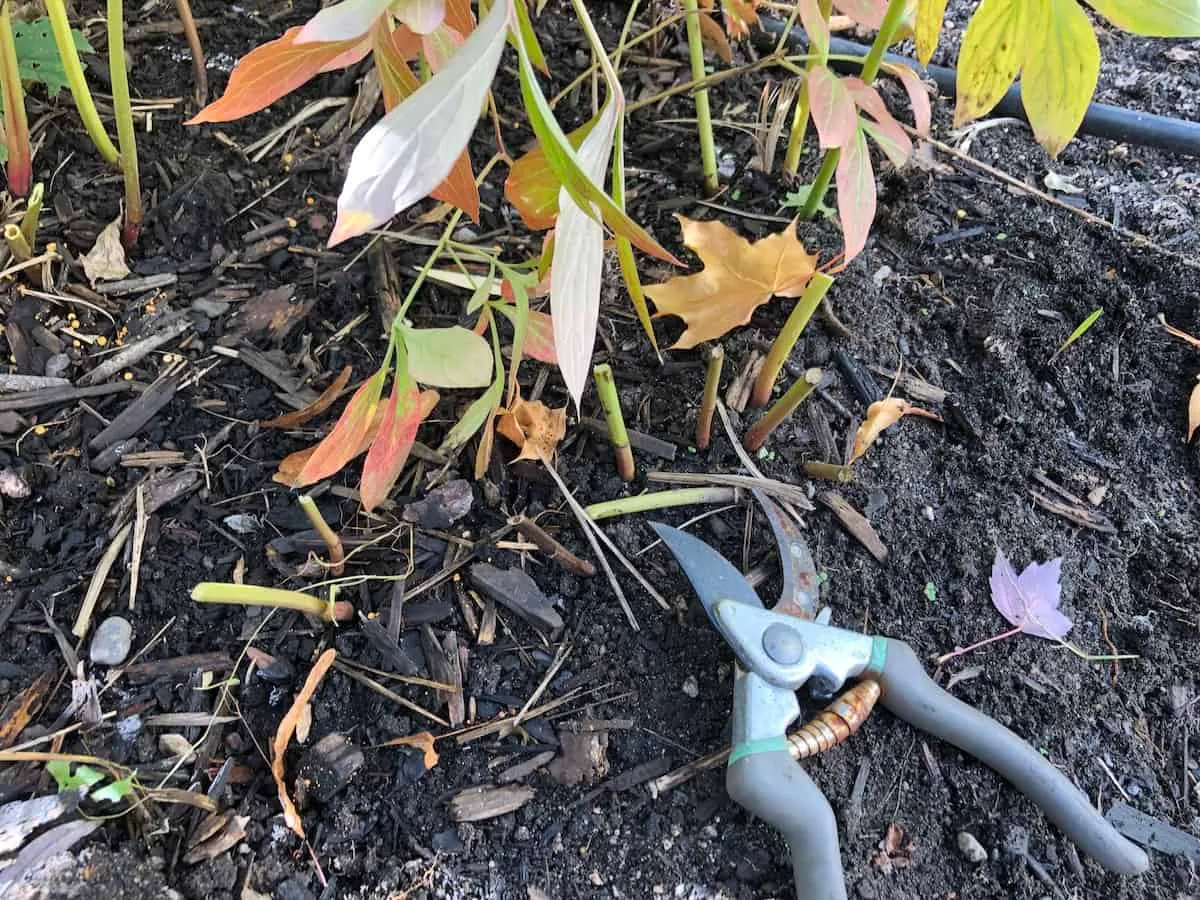
In the fall, cut your peony stems back to about 3 inches above the ground and remove any diseased foliage (don’t compost it). Though generally pest-free, peonies can suffer from powdery mildew or botrytis blight in cool, wet conditions. Water early in the day and make sure there’s good airflow around the plants.
Ants on Peonies? No Problem!
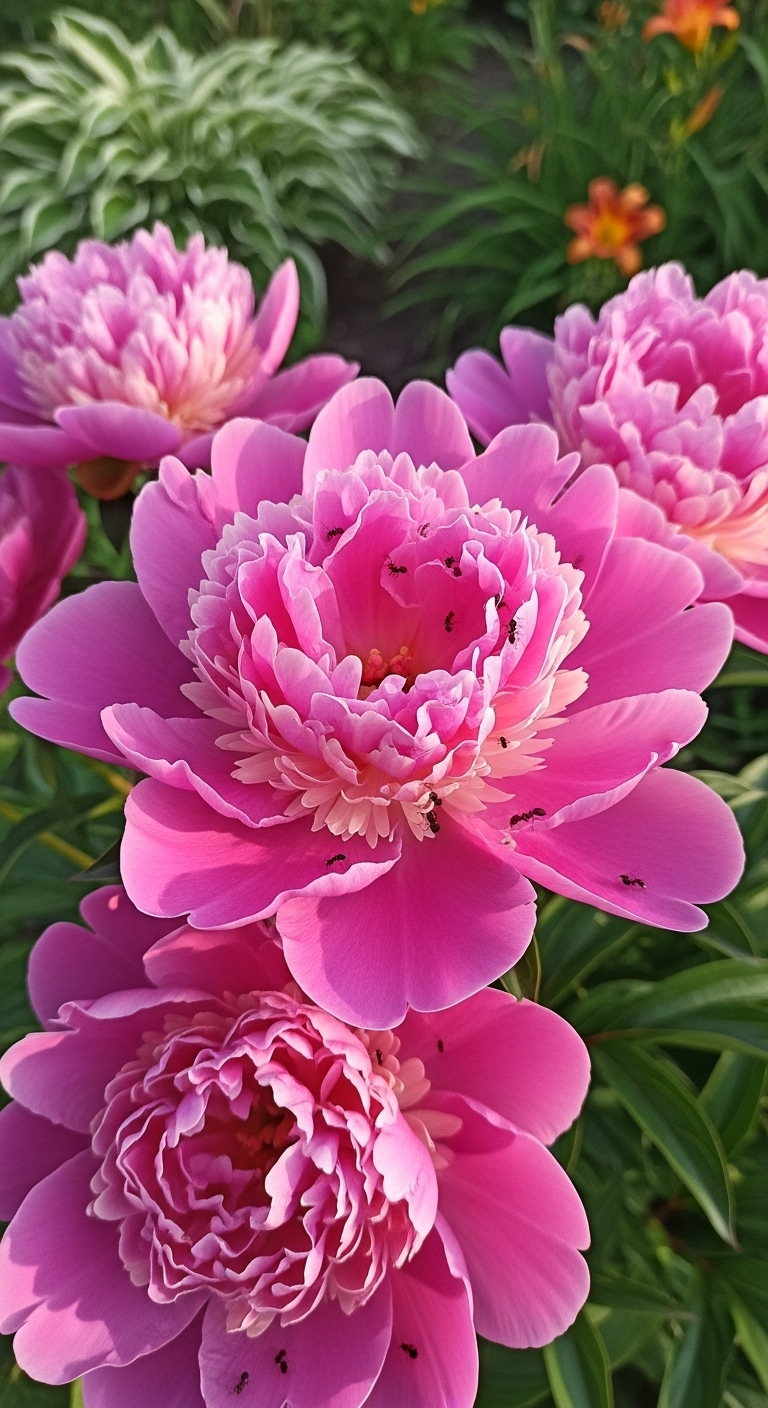
It’s common to see ants crawling on your peony buds. Don’t worry—they’re attracted to the sugary nectar and don’t harm the plants. Contrary to popular myth, ants are not required for peonies to bloom.
The Legacy of Peonies
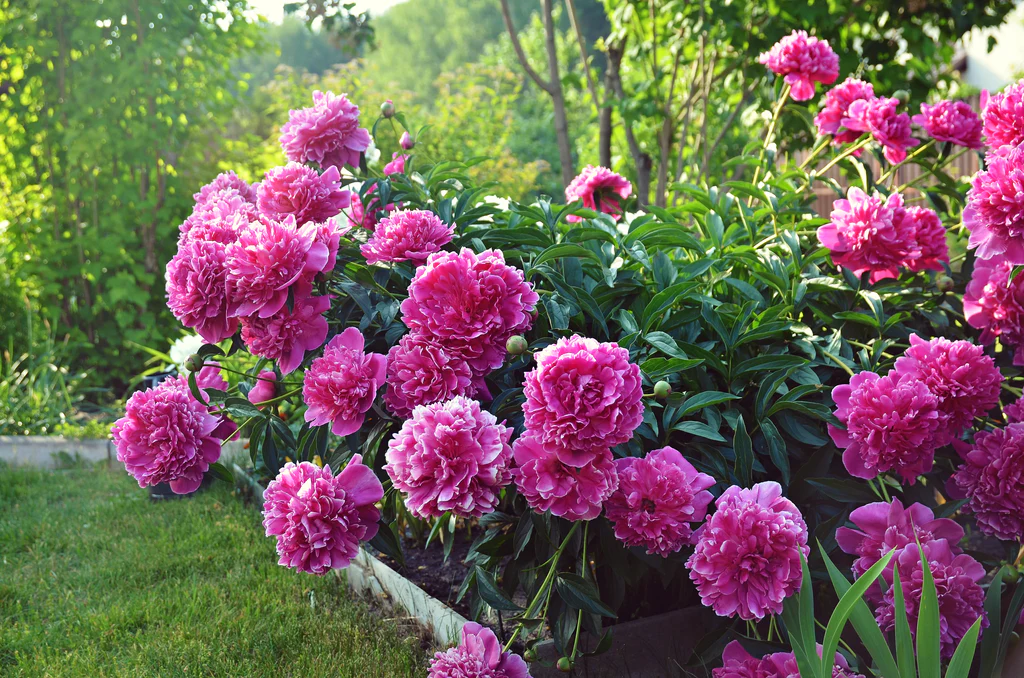
Once established, peonies are incredibly low-maintenance and can remain in the same spot for generations. They are not just plants; they are a legacy you can pass down. With just a little attention to soil depth, sun, and seasonal care, your peonies will reward you—and future gardeners—with unforgettable beauty.
Final Thoughts
Whether you’re planting your first peony or tending one passed down through your family, this perennial offers unmatched beauty and longevity. Ready to start your peony legacy? Give them a sunny spot, the right depth, and a bit of seasonal love—and enjoy the blooms for decades to come.
