
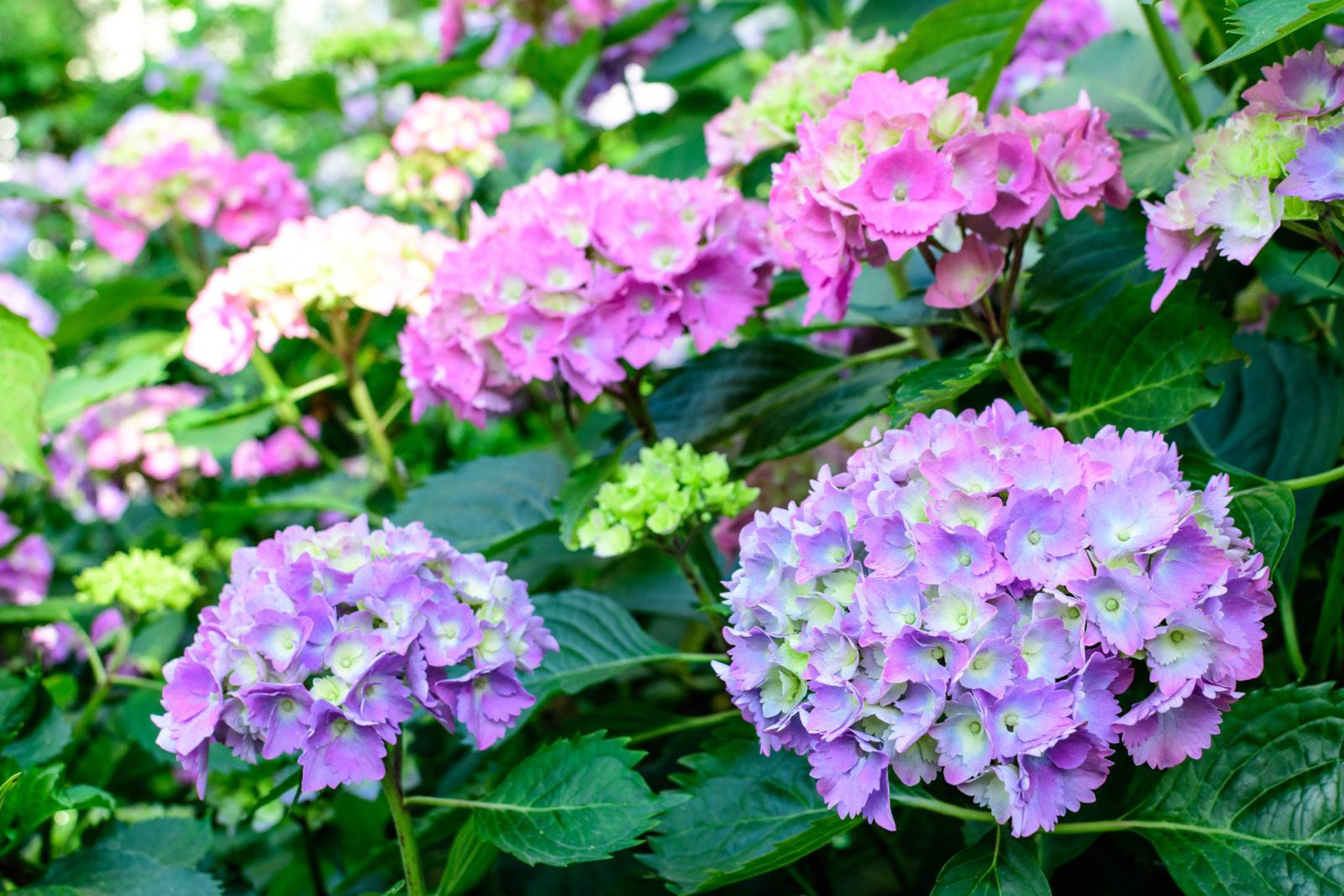
Cutting back hydrangeas in fall might feel like the right thing to do—but could it be sabotaging your blooms for next year? As the crisp autumn air rolls in and leaves start to blanket your garden beds, one question echoes through gardening circles:
“Should I prune my hydrangeas now or wait until spring?”
It sounds like a simple seasonal chore, but cutting back at the wrong time could cost you all your blooms next year. That’s right—one well-intentioned snip in the fall might undo months of your plant’s quiet work beneath the surface.
Before you reach for the pruners, let’s demystify hydrangea pruning with a clear, practical guide—so your plants not only survive winter but thrive in spring with glorious color.
Contents
- 1 Should You Prune Hydrangeas In The Fall?
- 2 Panicle Hydrangeas: New Wood Bloomers
- 3 Smooth Hydrangeas: Carefree and Cold-Hardy
- 4 Oakleaf Hydrangeas: A Southern Favorite That Blooms on Old Wood
- 5 Bigleaf & Mountain Hydrangeas (Hydrangea macrophylla & serrata): The Trickiest of All
- 6 What Can You Actually Do in Fall?
- 7 Hydrangea Pruning Cheat Sheet
- 8 Conclusion: Trust Timing Over Habit
Should You Prune Hydrangeas In The Fall?
Here’s the secret: not all hydrangeas follow the same rules. Some varieties bloom on “old wood”—the stems formed the previous year—while others bloom on “new wood,” which grows in the current season.
Prune the wrong type at the wrong time, and you may unintentionally remove next season’s flower buds.
That’s why identifying your hydrangea species is the crucial first step to pruning success. Let’s walk through the four major types and what to do for each.
Panicle Hydrangeas: New Wood Bloomers
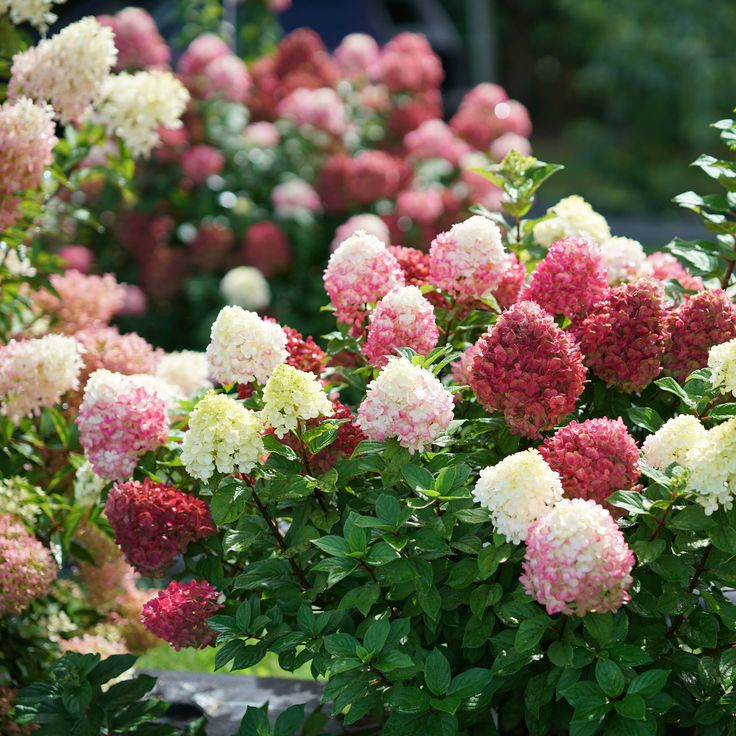
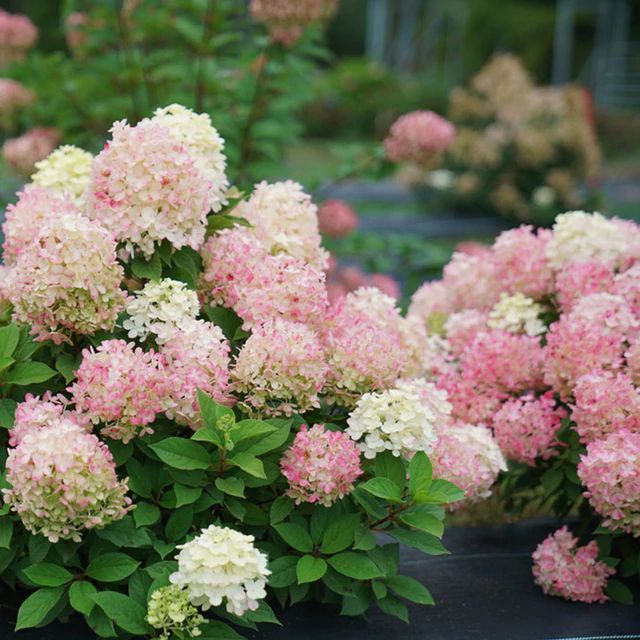
If you’ve grown ‘Limelight’ or ‘Vanilla Strawberry,’ you’re familiar with panicle hydrangeas—known for their upright, cone-shaped blooms that emerge in late summer and age gracefully into fall.
How to prune:
-
When to prune: Early spring is best.
-
Fall pruning? Technically safe, but not necessary—and you’ll miss out on their dried flower heads, which look stunning against winter snow.
-
Why: They bloom on new wood, so the buds form in spring, not fall.
One gardener in zone 5 reported letting her panicles stand all winter, only trimming them in March—and was rewarded with a full season of bold blooms.
Smooth Hydrangeas: Carefree and Cold-Hardy
Commonly represented by the ‘Annabelle’ variety, smooth hydrangeas offer lush, round blooms and are known for their hardiness in cooler climates.
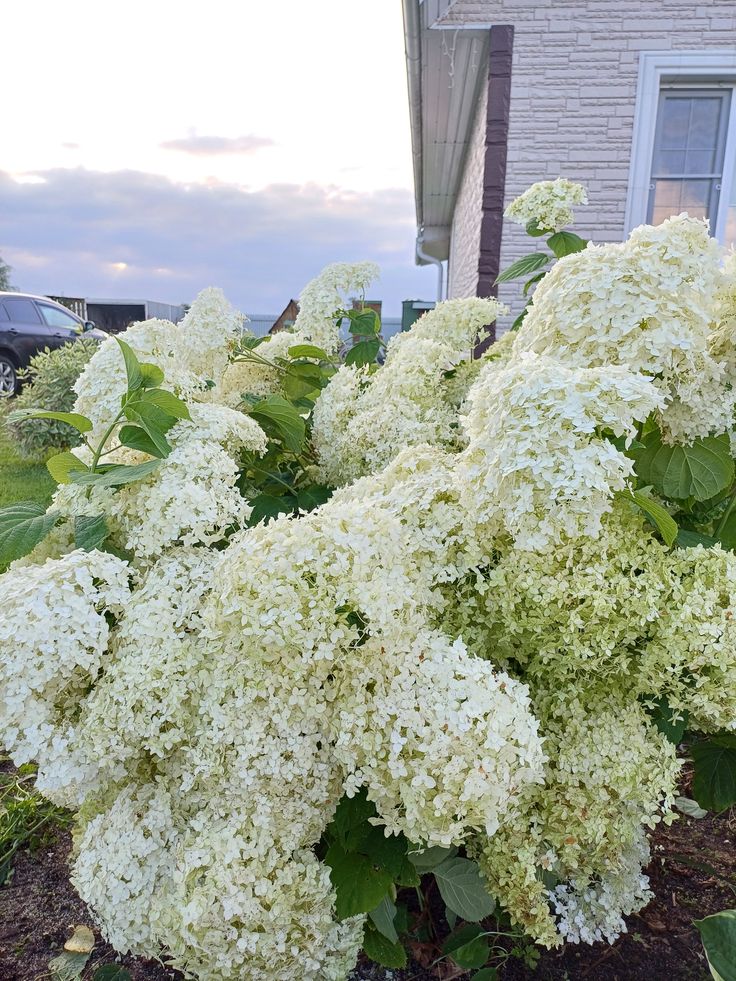
How to prune:
-
When to prune: Late winter or very early spring.
-
Fall pruning? Not recommended.
-
Why: Like panicles, they bloom on new wood—so pruning in spring ensures fresh, vigorous growth with larger flowers.
Even if the plant looks bare in fall, don’t panic—those future buds haven’t formed yet. Just give it time.
Oakleaf Hydrangeas: A Southern Favorite That Blooms on Old Wood
With their striking foliage (that resembles oak leaves) and rich fall color, oakleaf hydrangeas are showstoppers in the landscape. But timing is everything when it comes to pruning.
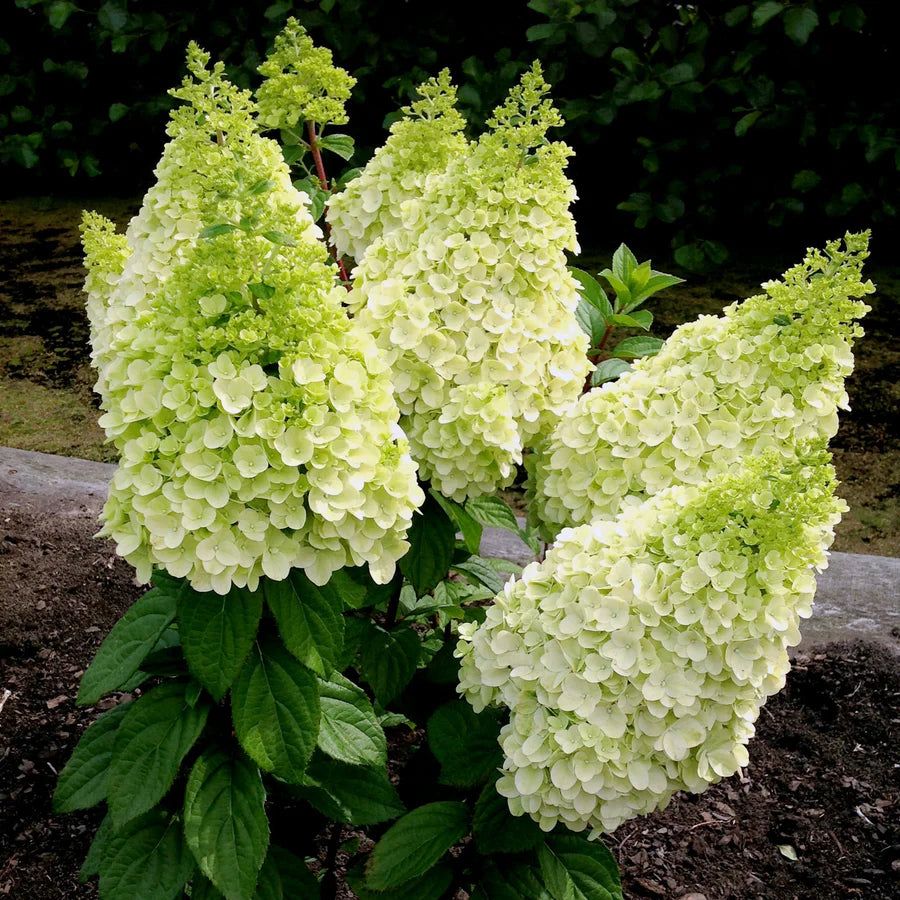
How to prune:
-
When to prune: Right after flowering, typically in summer.
-
Fall pruning? Never.
-
Why: They bloom on old wood, meaning their flower buds are already set by mid to late summer.
If you peek at your plant in October, you’ll likely spot tiny buds nestled along the stems—these are next year’s blooms. Cutting now means they won’t have a chance to open come spring.
Bigleaf & Mountain Hydrangeas (Hydrangea macrophylla & serrata): The Trickiest of All
These are the classic mophead or lacecap hydrangeas that many gardeners fall in love with—and the ones most commonly pruned incorrectly.
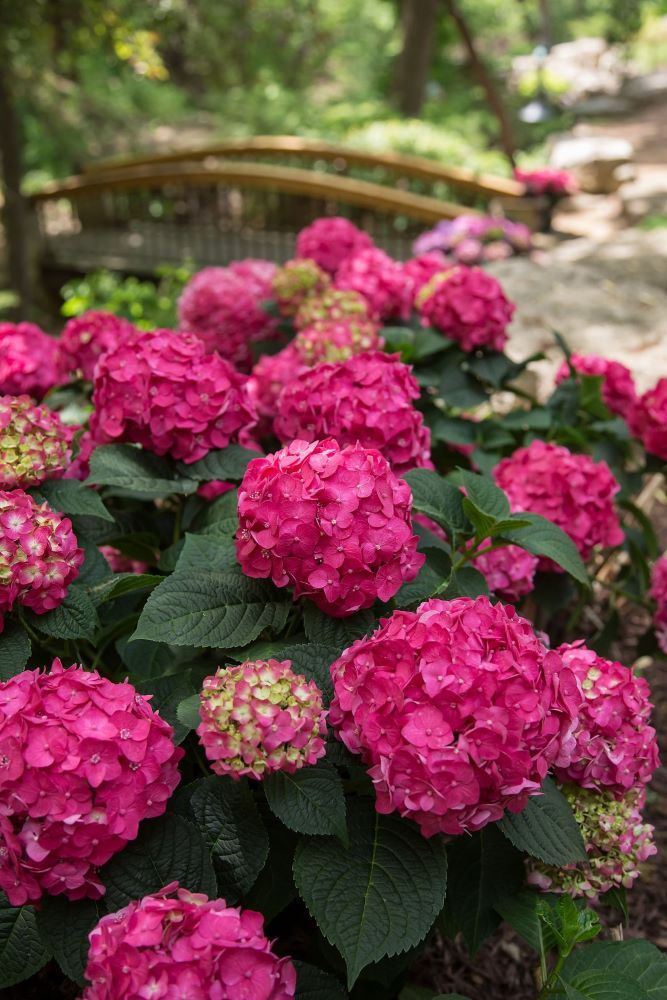
How to prune:
-
When to prune: Right after the flowers fade in summer, if needed.
-
Fall pruning? A big no.
-
Why: Most varieties bloom on old wood, though some new hybrids bloom on both old and new wood.
In colder zones, gardeners often lose the old wood buds to late spring frost. That’s why newer varieties like ‘Endless Summer’ (which bloom on both old and new wood) have become popular—they’re more forgiving.
What Can You Actually Do in Fall?
Even though pruning might not be on the to-do list, fall is still a vital time for hydrangea care. Here’s what you can do:
Remove Dead or Damaged Stems
If a branch is cracked, hollow, or clearly dead, feel free to remove it at any time.
Mulch the Base After Frost
Apply a thick layer of mulch (like straw, leaves, or pine bark) around the base of your hydrangeas to protect the crown from winter’s freeze-thaw cycles.
Enjoy the Beauty
Leave dried flower heads in place—they add elegant structure and winter interest to your garden.
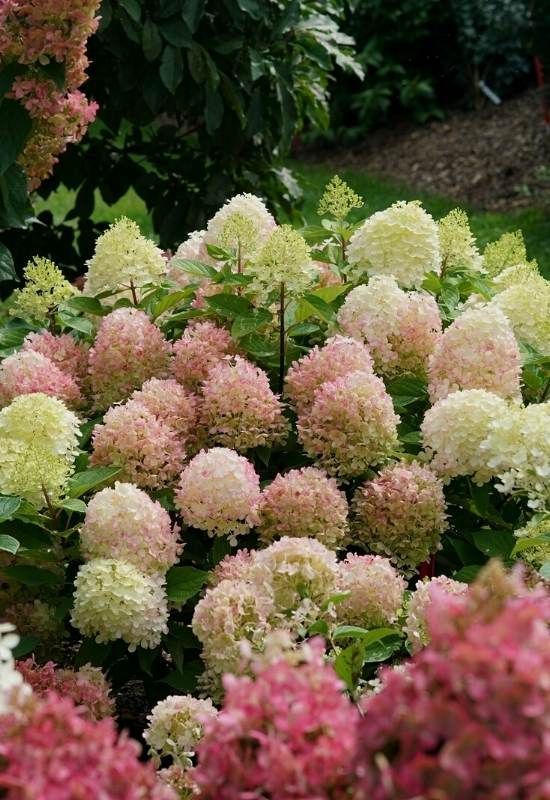
Hydrangea Pruning Cheat Sheet
| Hydrangea Type | Blooms On | Fall Pruning? | Best Time to Prune |
|---|---|---|---|
| Panicle | New Wood | Optional | Late winter / Early spring |
| Smooth | New Wood | Not advised | Late winter / Early spring |
| Oakleaf | Old Wood | No | After flowering (summer) |
| Bigleaf / Mountain | Old / Both | No | After flowering or spring deadwood cleanup |
Conclusion: Trust Timing Over Habit
In gardening, timing is everything—and nowhere is that more true than with hydrangea pruning. While it’s tempting to tidy everything up in fall, holding off could mean the difference between bare stems and a garden bursting with blooms.
