
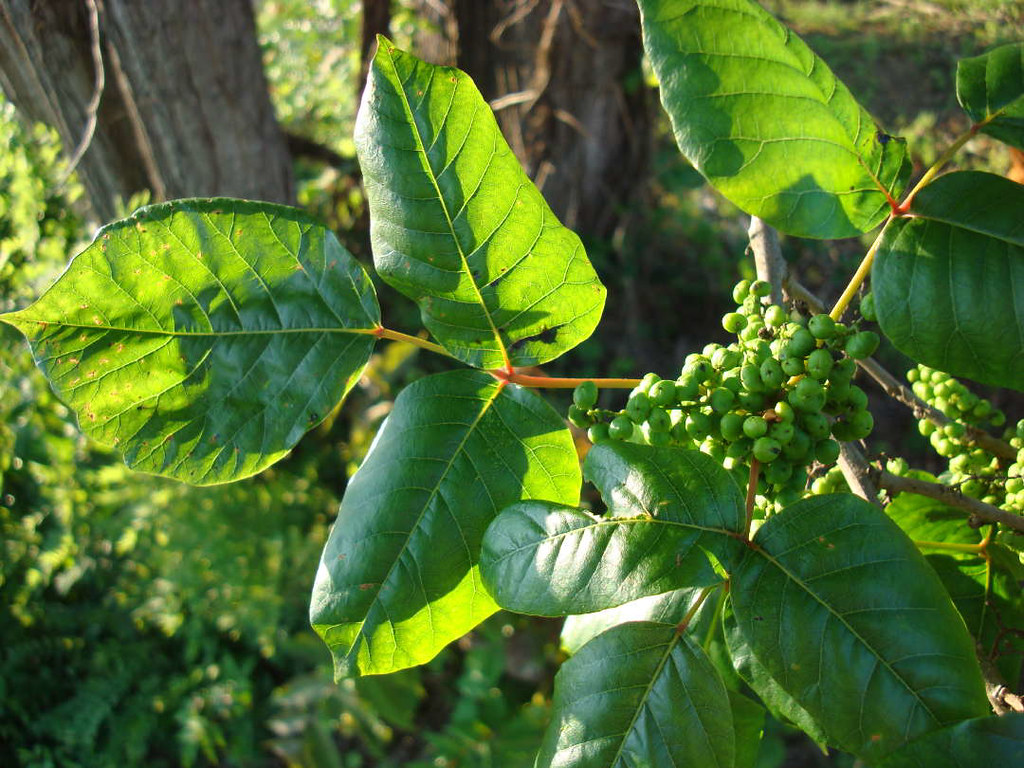
A walk through nature shouldn’t leave you with itchy skin or painful rashes. Yet one brush against Eastern poison ivy can turn a peaceful day into days of discomfort. It often goes unnoticed, disguised as simple, harmless greenery.
Can you spot it before it’s too late? Many can’t—until it’s already touched their skin. Knowing how it looks and how it harms can save you a lot of trouble.
Learn to recognize its signs, avoid its dangers, and deal with it safely before it spreads in your yard—or on your skin.
Contents
What Exactly Is Eastern Poison Ivy?
Eastern poison ivy is a fast-spreading plant commonly seen across the eastern regions of North America.
It thrives in forests, fields, parks, gardens, and even along roads or sidewalks. This hardy plant grows in rural and urban areas, making it easy to encounter without realizing it.
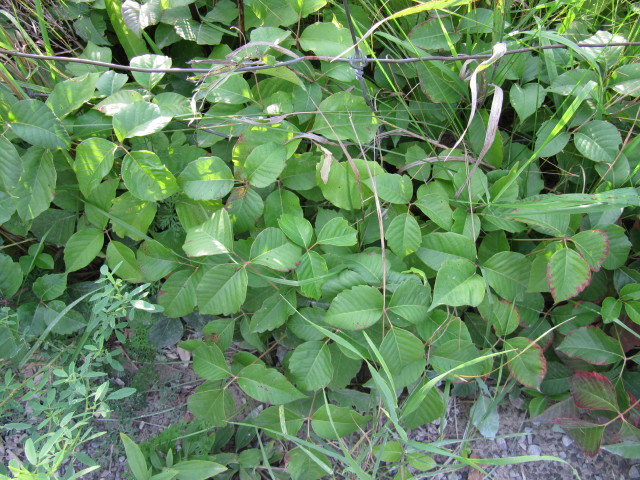
It can grow in two main ways. On the ground, it often forms dense clusters of stems and leaves.
But it also climbs, attaching itself to fences, tree trunks, or walls. It uses tiny, fuzzy rootlets to cling tightly to surfaces, allowing it to reach several feet high.
The true threat comes from a sticky oil called urushiol. This toxic substance is present in all plant parts—leaves, stems, berries, and roots. Even a light brush against the plant can leave the oil on the skin.
For most people, urushiol causes an allergic reaction within 12 to 48 hours. Symptoms often include:
- Itchy, red patches
- Swollen or blistered skin
- Burning or stinging sensations
The oil can also spread through contact with contaminated tools, pets, or clothing. Breathing in smoke from burning poison ivy is dangerous. It may cause severe lung irritation and other respiratory problems.
How to Identify Eastern Poison Ivy?
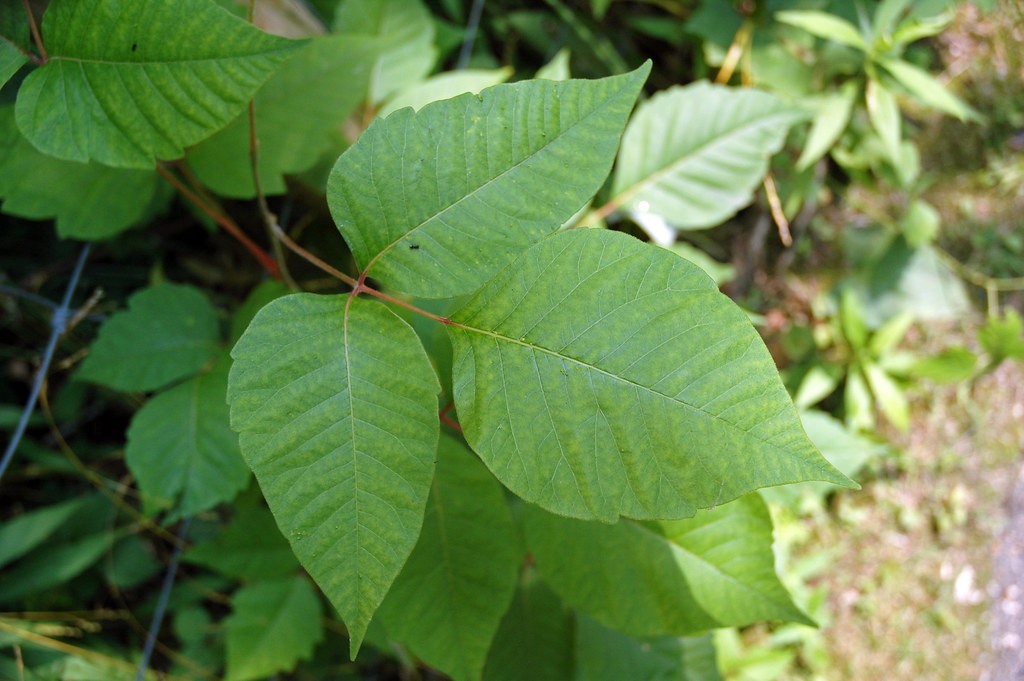
Recognizing Eastern poison ivy early can help prevent painful rashes and allergic reactions. It often hides in plain sight, so knowing its details matters.
Key Traits That Help Identify It
The plant’s leaves grow in sets of three. The center leaf is usually bigger and has a longer stem. The two on the sides are smaller and sit closer to the main stalk.
Edges of the leaves may vary. Some are smooth, while others may have slight teeth or look lobed like a mitten. The leaves often appear shiny, especially when young or after rain.
Colors change with the seasons. In spring and summer, leaves are green and bright. As fall approaches, they shift to shades of red or orange.
In general, you may find Eastern poison ivy grow in many forms – here are the typical:
- a ground-covering plant, low and bushy
- a vine, climbing fences, trees, or posts
- a small shrub in open or sunny spaces
Common Spots Where It Grows
Eastern poison ivy appears in many areas:
- Forest edges and wooded paths
- Yards, especially near shade or fences
- Empty lots, city parks, and disturbed soil
- Suburban spaces where birds may spread seeds
What to Do Right After Contact With Poison Ivy?
Acting quickly after touching poison ivy can lower the chance of a rash. The goal is to remove the oil before it sinks into the skin.
Step 1: Wash the skin
Rinse exposed areas with cold water and soap as soon as possible. Dish soap or any soap that cuts oil works best.
Avoid hot water during the first wash—it opens pores and may let the oil absorb faster. Don’t forget to scrub under your fingernails.
Step 2: Remove exposed clothes
Take off any clothing that touched the plant. Be careful when handling it so the oil doesn’t spread. Wash everything separately in hot water with a strong detergent.
Step 3: Treat symptoms early
When you notice a rash begins to form, try:
- Hydrocortisone cream
- Calamine lotion
- Antihistamines
- Cool compresses or oatmeal soaks
Seek medical care if:
- The rash affects the face or private areas
- You have swelling around the eyes or throat
- Smoke was inhaled from burned plants
- The rash worsens or shows signs of infection
Beginner’s Guide to Avoiding Eastern Poison Ivy
Avoiding Eastern poison ivy doesn’t need to be hard. A few smart habits can help protect your skin and keep rashes away.
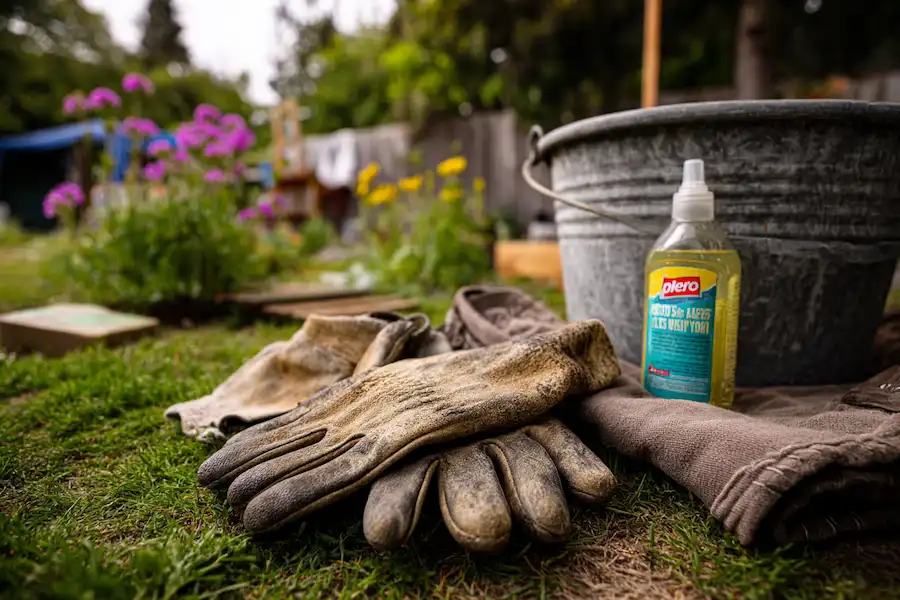
- Wear long sleeves, full-length pants, and gloves when hiking or gardening
- Use high boots when walking through wooded or brushy areas
- Apply urushiol-blocking skin products before spending time outside
- Keep pets clean—dogs can carry the oil on their fur
- Wash tools, hiking gear, and shoes after outdoor use
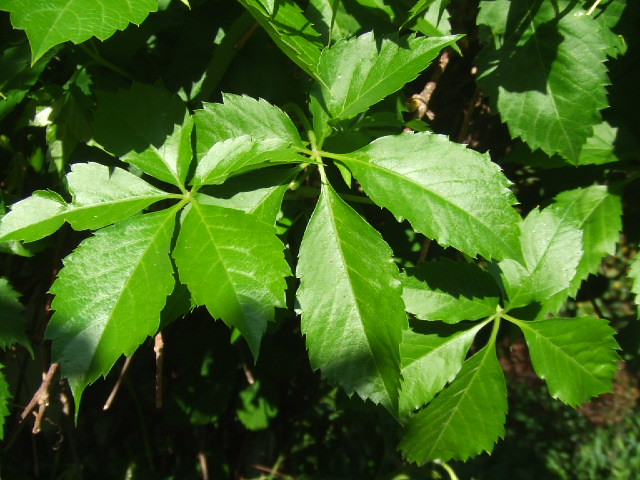
- Avoid plants with three leaflets or vines that look hairy and cling to trees or fences
Safe Methods to Remove Poison Ivy From Your Yard
Removing poison ivy from your yard takes care and the proper steps. Touching or handling it incorrectly can spread the oil and cause severe skin reactions.
- Wear gloves, long sleeves, and boots before touching the plant
- Avoid pulling or tearing it with your bare hands
- Always seal removed plants in plastic bags and avoid burning them.
- Use herbicides designed to target poison ivy (repeat if needed)
- Call a removal service for large patches or risky locations
Key Takeaways on Dealing With Poison Ivy
Eastern poison ivy isn’t just a nuisance—it can quickly become a health concern if ignored. It hides where you least expect it. Hopefully, you know how to spot, avoid, and remove it after reading the guide.
Have you checked your yard or walking paths lately? Take steps now! This way, you can protect your skin and your family from this silent spreader.
