
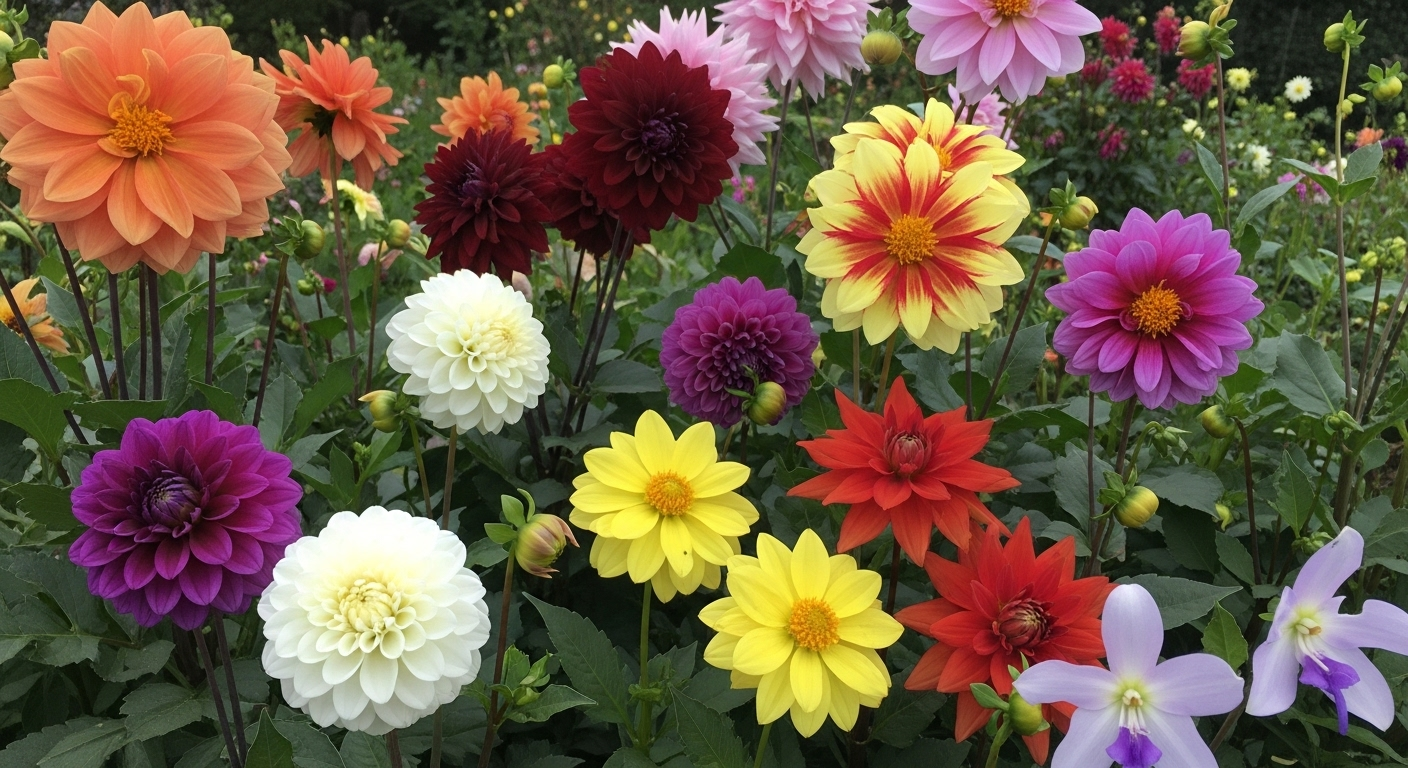
If there’s one flower that can truly steal the spotlight in any garden, it’s the dahlia. With their incredible variety of forms, colors, and sizes, dahlias have earned a reputation as one of the most beloved flowering plants in the world. From giant dinnerplate blooms to delicate pompons, there’s a dahlia for every style and setting. But with so many choices, it can be overwhelming to know which types to grow—and how to care for them properly.
This guide will walk you through the main types of dahlias, highlight their unique traits, and share essential care tips to keep your plants blooming beautifully from summer through fall.
Contents
How Many Types of Dahlias Exist?
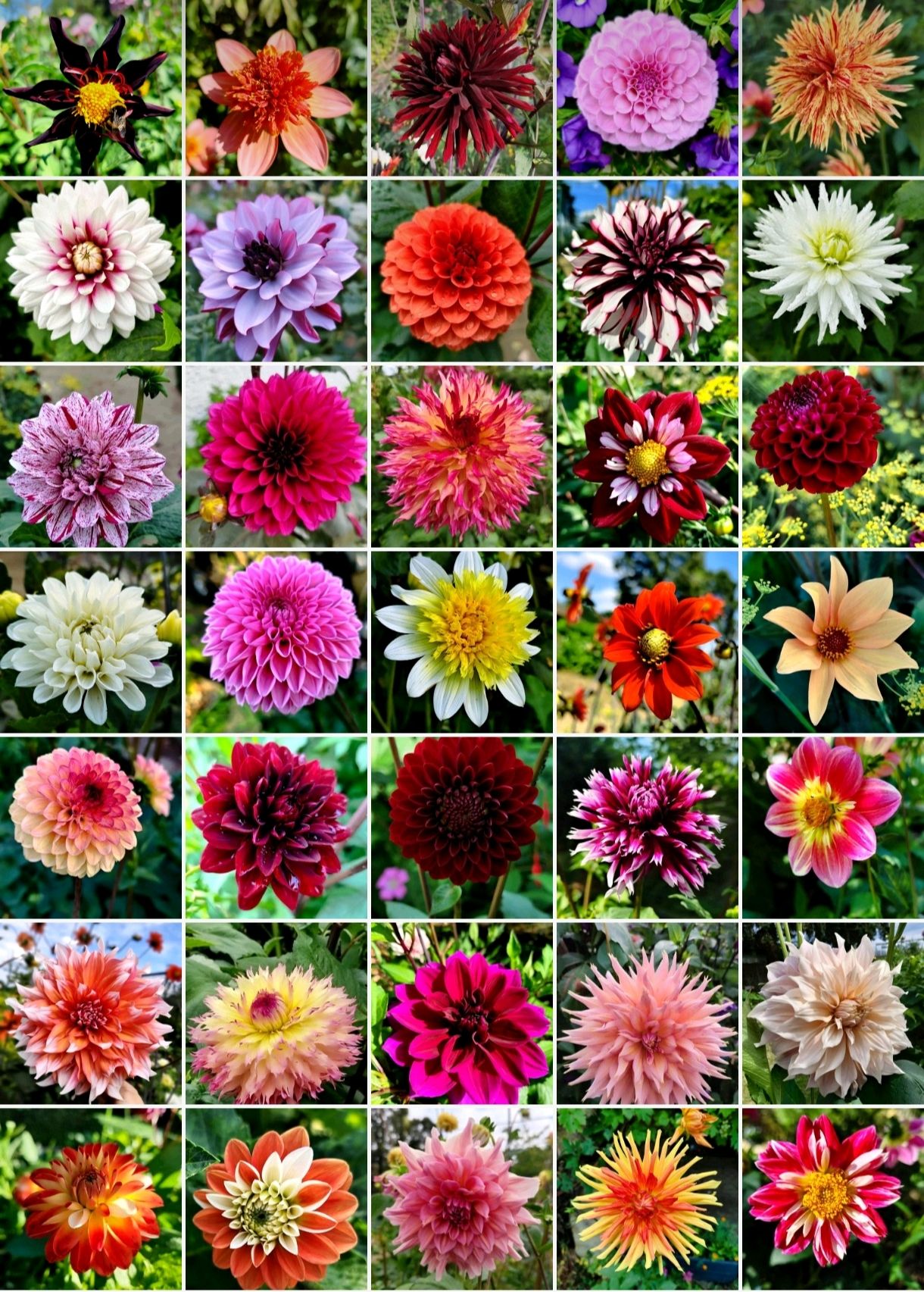
While there are tens of thousands of named dahlia varieties, gardeners and horticultural societies usually classify them into about eight main types, based on bloom shape and size. These categories make it easier to understand what to expect from each plant and how to use them in your garden design.
Top 8 Dahlia Varieties for Your Garden
1. Decorative Dahlias
-
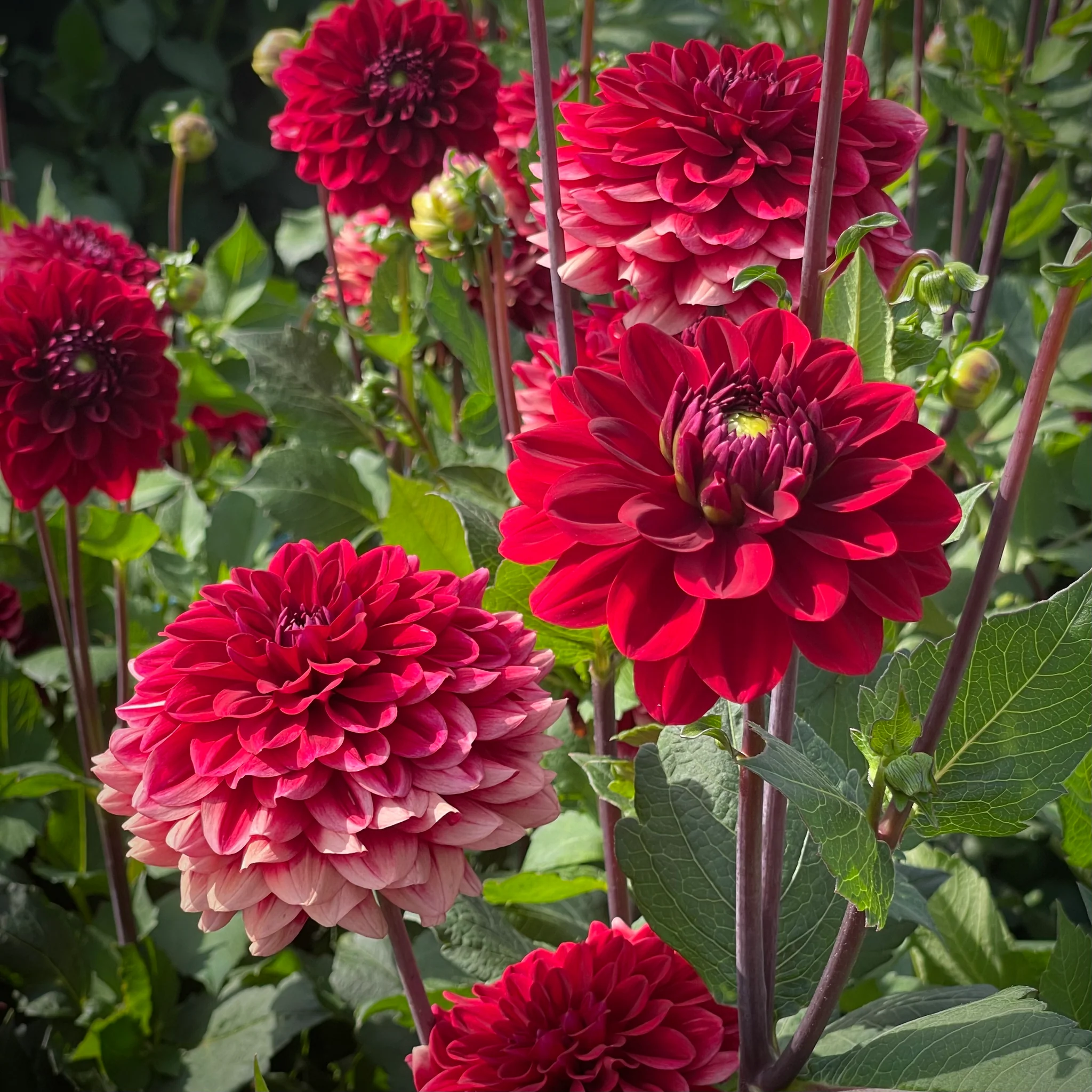
Appearance: Large, layered flowers with broad, flat petals.
-
Best for: Borders, bouquets, and dramatic garden displays.
-
Examples: Café au Lait (a creamy blush favorite of wedding florists).
-
Why gardeners love them: They deliver some of the most striking blooms, often in pastel or two-tone shades that look breathtaking in vases.
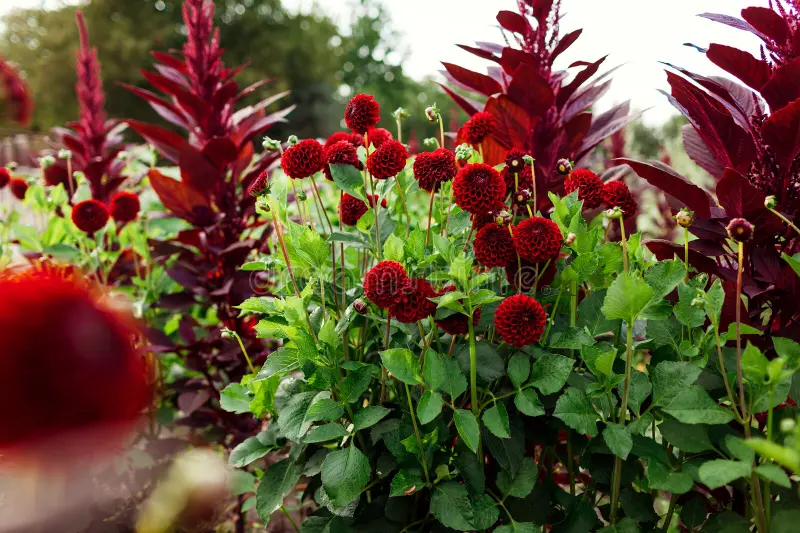
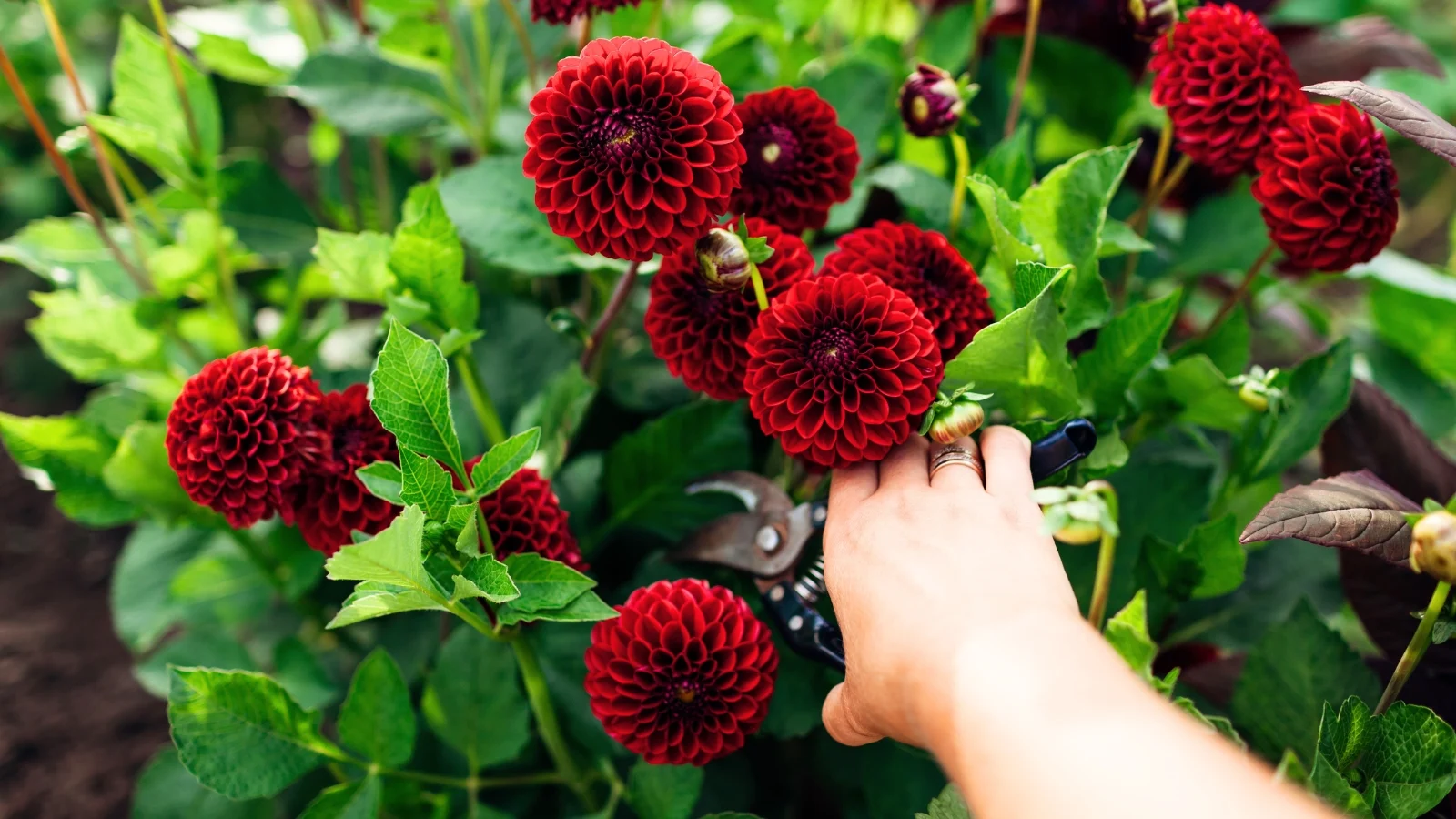
2. Ball & Pompon Dahlias
-
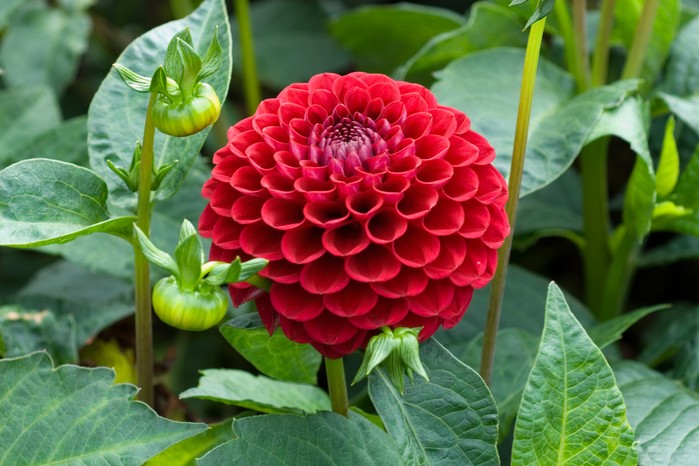
Appearance: Globe-shaped blooms with tightly packed petals.
-
Pompons are smaller (under 2 inches), while ball dahlias can reach 3–4 inches across.
-
Best for: Cut flower gardens; they last a long time in arrangements.
-
Why gardeners love them: Their symmetrical, tidy shape brings structure and balance to both gardens and floral designs.
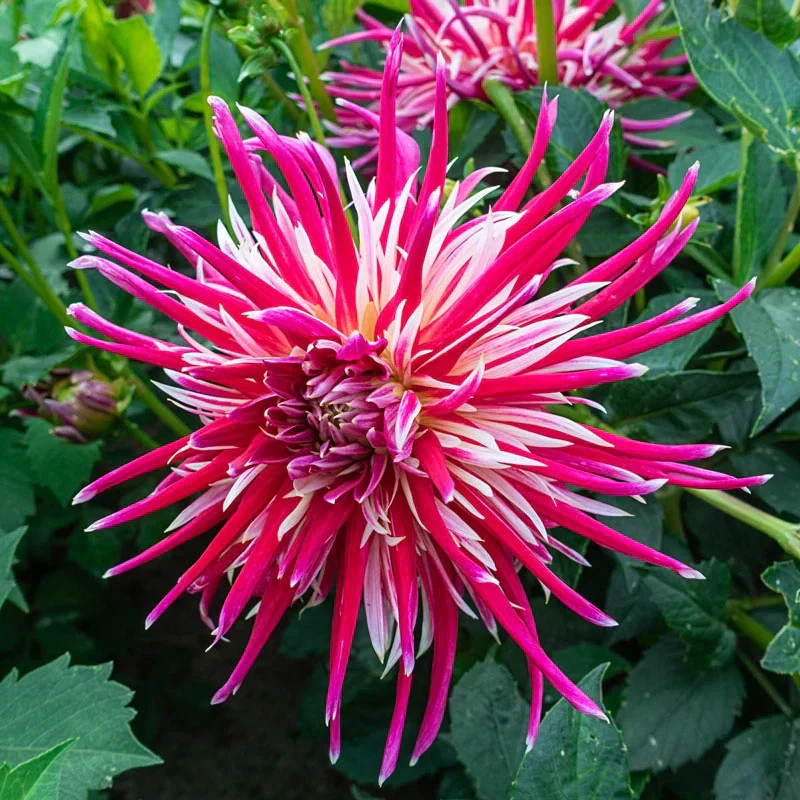
3. Cactus & Semi-Cactus Dahlias
-
Appearance: Petals are long and pointed, sometimes spiky, giving a firework-like effect.
-
Semi-cactus dahlias have broader petals that curve slightly, while true cactus types are sharper and more dramatic.
-
Best for: Adding bold texture and eye-catching shapes to borders.
-
Why gardeners love them: They add drama and flair, and they stand out even from a distance.
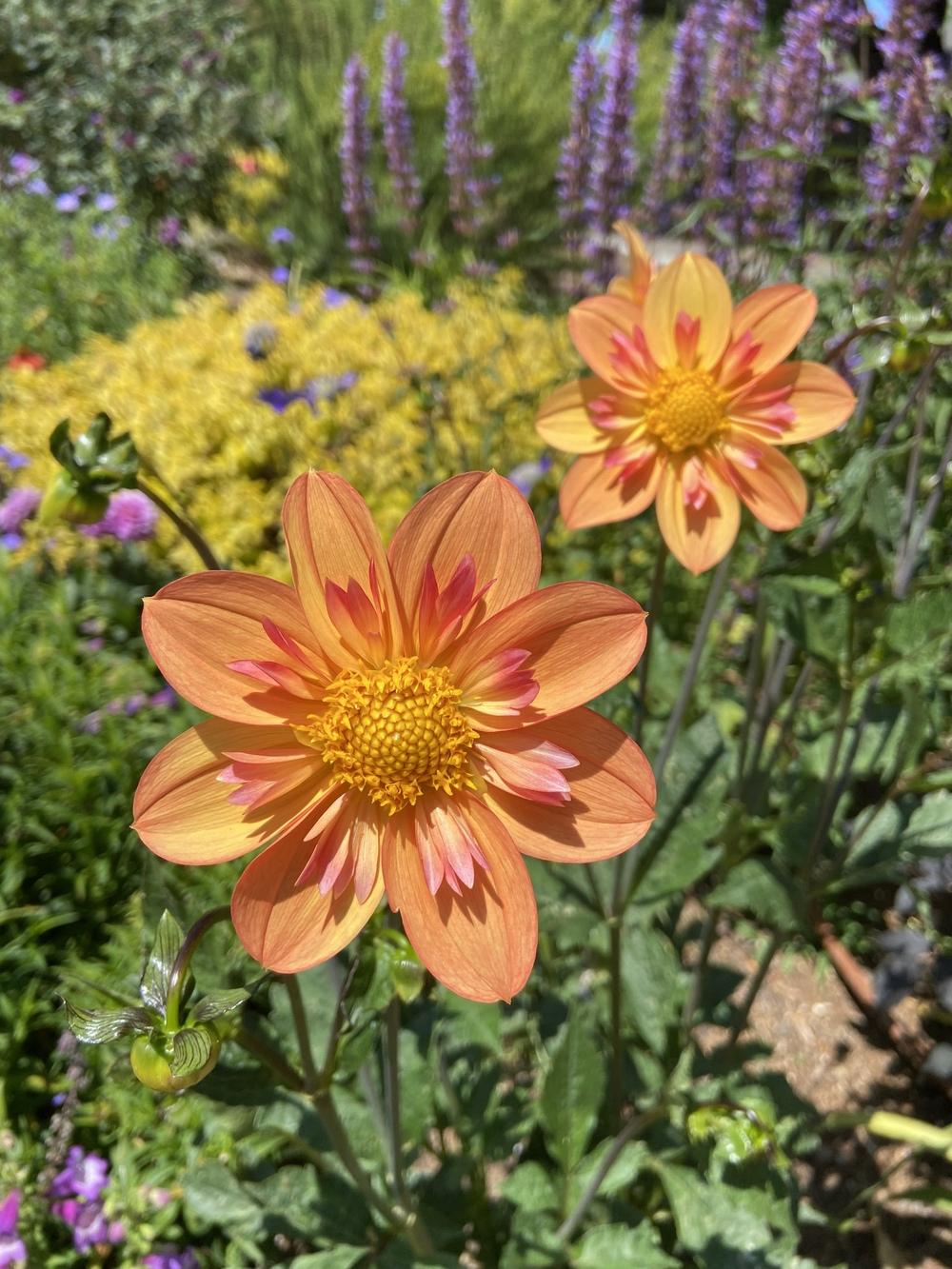
4. Anemone Dahlias
-
Appearance: Fluffy central disc with a fringe of flat petals around the outside.
-
Best for: Cottage gardens, whimsical flower beds, pollinator-friendly spaces.
-
Why gardeners love them: Their unusual form attracts bees and butterflies, while also bringing a playful, cheerful vibe to the garden.
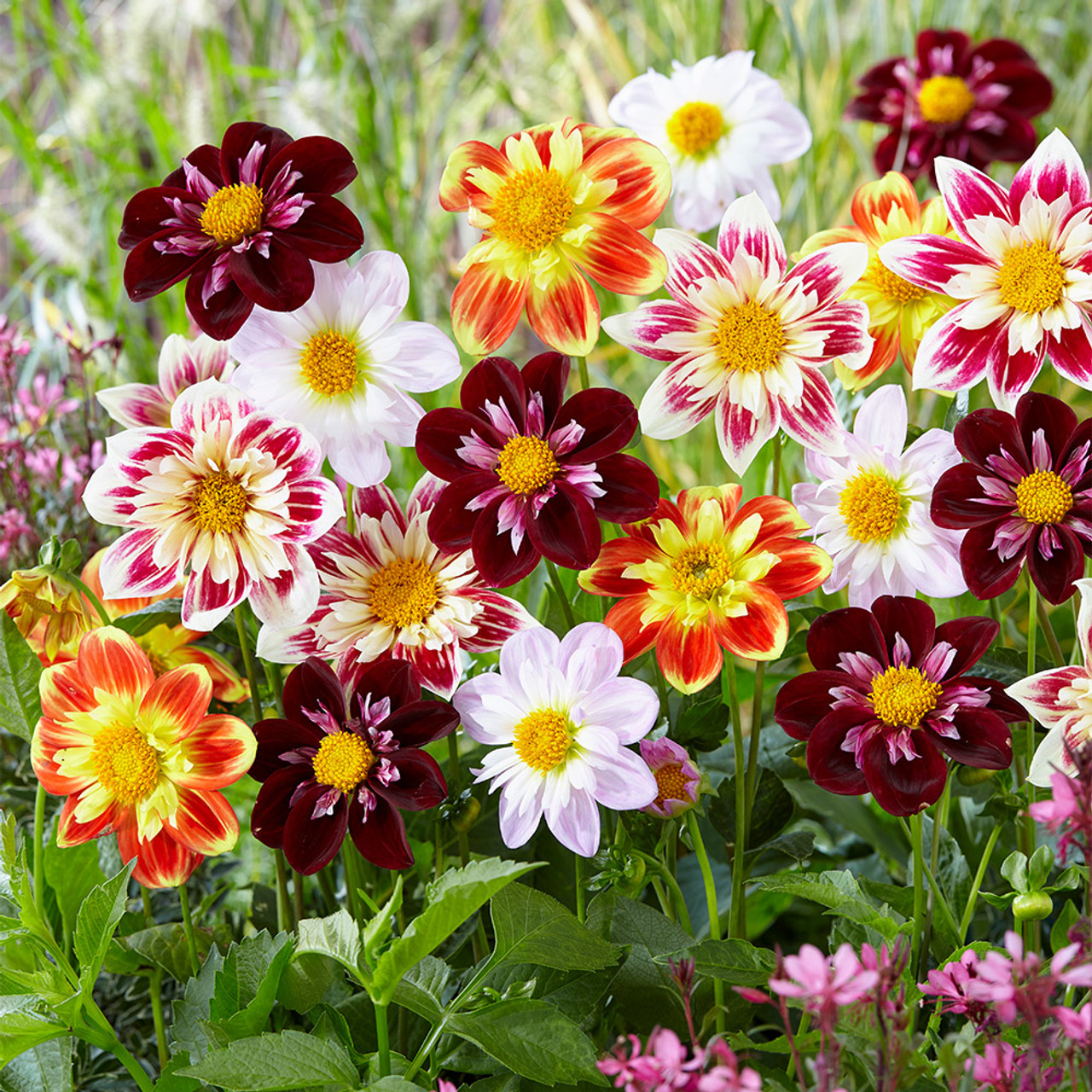
5. Collarette Dahlias
-
Appearance: A single layer of petals surrounds a smaller “collar” of inner petals, often in a contrasting color.
-
Best for: Pollinator gardens and adding bursts of color.
-
Why gardeners love them: Their open centers make them bee-friendly, and their bold color contrasts bring charm to any border.
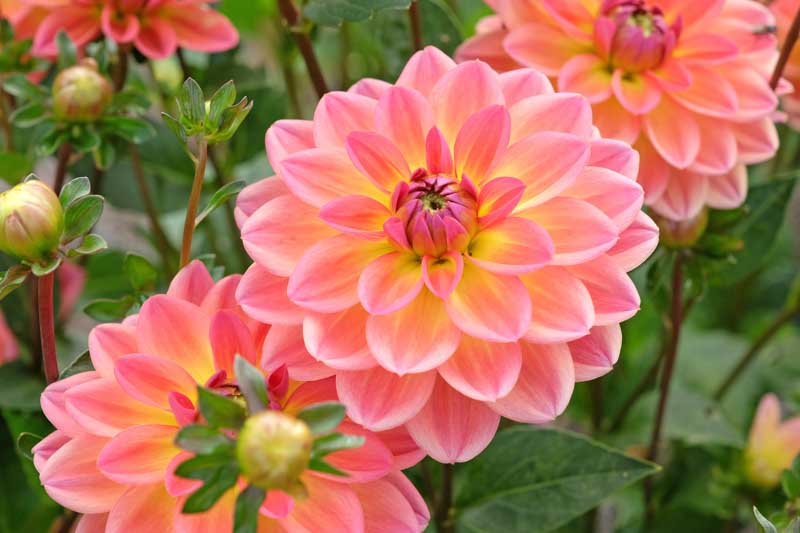
6. Waterlily Dahlias
-
Appearance: Rounded blooms with a soft, flat shape that mimic waterlilies.
-
Best for: Elegant gardens or pastel-themed borders.
-
Why gardeners love them: They exude sophistication and pair beautifully with roses or hydrangeas.
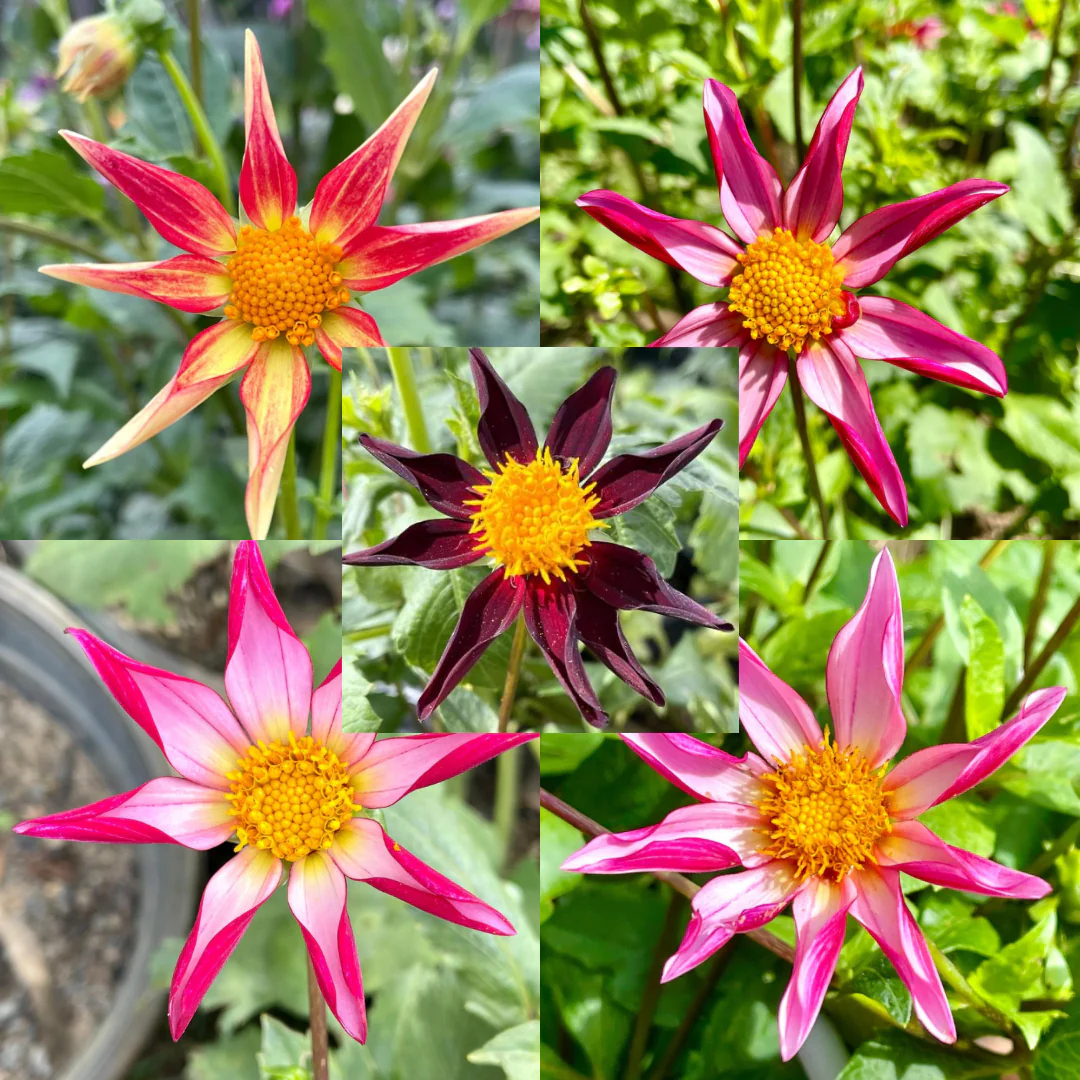
7. Single & Orchid Dahlias
-
Appearance: Single dahlias have just one row of petals with a visible central disc. Orchid dahlias feature petals that curl backward like ribbons.
-
Best for: Naturalistic gardens and pollinator-friendly beds.
-
Why gardeners love them: They are lightweight, airy, and irresistible to butterflies and bees.
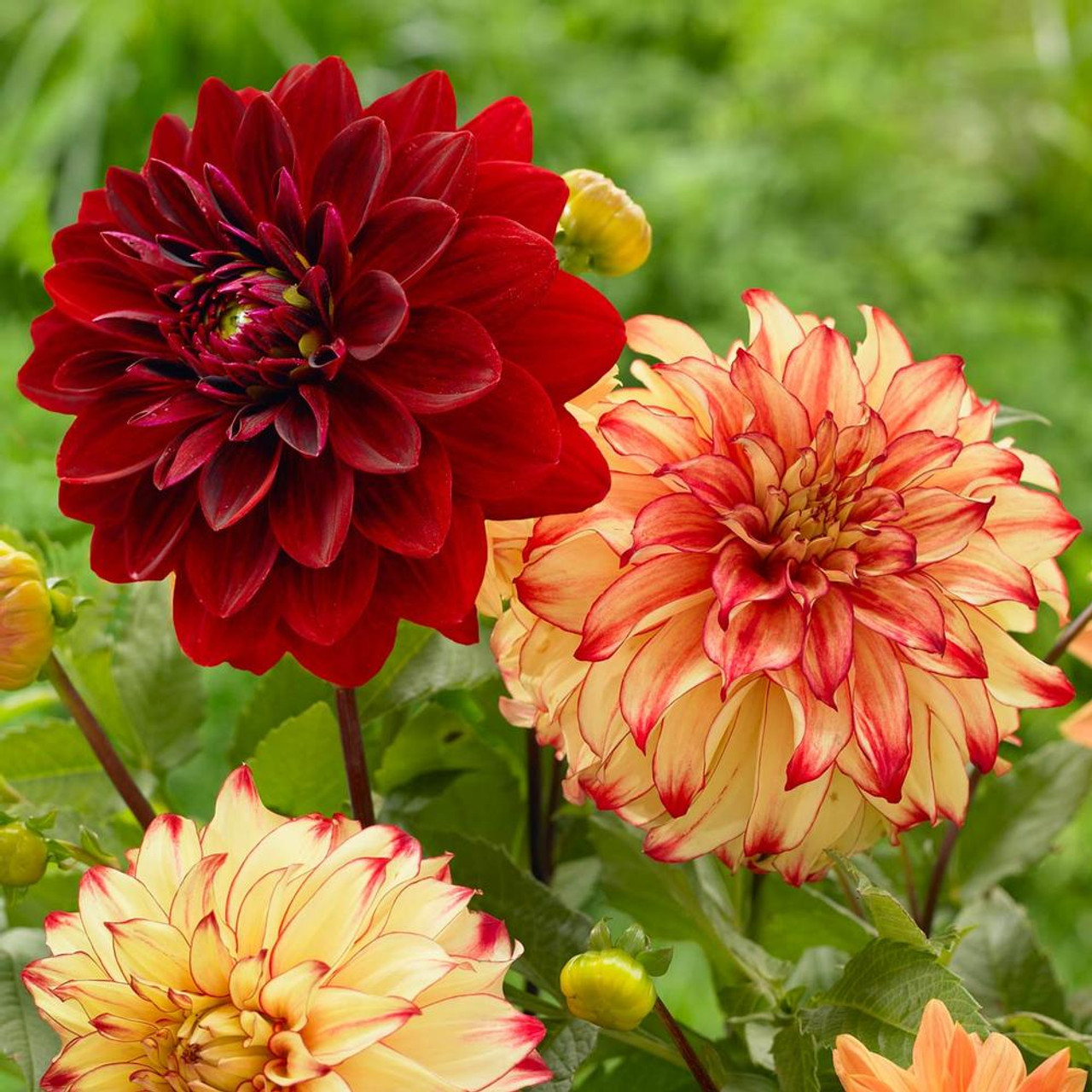
8. Dinnerplate Dahlias
-
Appearance: Huge flowers, often 10–12 inches wide, with show-stopping presence.
-
Best for: Focal points in the garden, exhibition, or bold arrangements.
-
Why gardeners love them: Few flowers wow visitors like dinnerplate dahlias—these blooms practically demand attention!
Essential Tips for Growing and Caring for Dahlias
Whether you choose dainty pompons or giant dinnerplates, all dahlias benefit from similar care. Here’s what you need to remember:
1. Planting Location
-
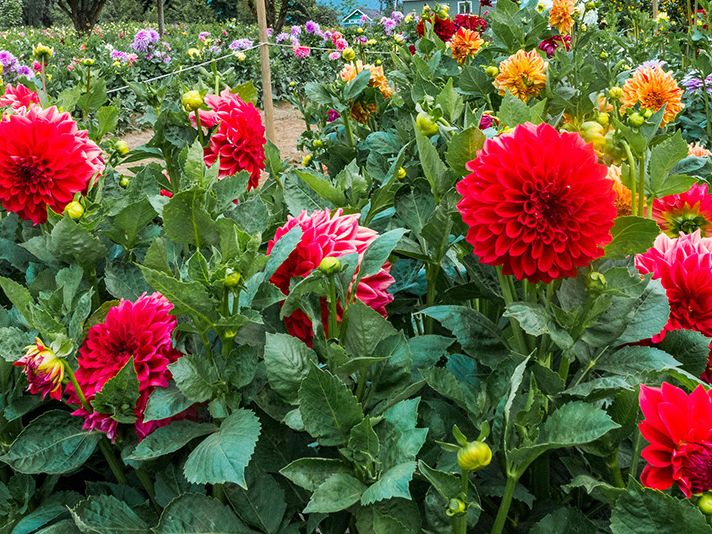
Dahlias thrive in full sun (at least 6–8 hours daily).
-
Choose a site with good airflow to minimize disease.
2. Soil Preparation
-
Dahlias prefer well-draining, fertile soil enriched with compost or aged manure.
-
Ideal soil pH: slightly acidic to neutral (6.2–7.0).
3. Planting Tubers
-
Plant in spring after the danger of frost.
-
Place tubers 4–6 inches deep, with the “eye” facing upward.
-
Space varieties 18–36 inches apart, depending on size.
4. Watering Needs
-
Water deeply 2–3 times per week.
-
Keep the soil evenly moist but never waterlogged.
-
Avoid wetting the foliage to prevent fungal diseases.
5. Fertilizing
-
Use a low-nitrogen fertilizer (such as 5-10-10) every 3–4 weeks.
-
Too much nitrogen produces leaves instead of blooms.
6. Staking and Support
-
Taller varieties, especially dinnerplate dahlias, need sturdy stakes or cages.
-
Tie stems loosely with soft ties to prevent breakage.
7. Pruning and Deadheading
-
Pinch young shoots when plants are 12–16 inches tall to encourage bushier growth.
-
Deadhead regularly to promote continuous flowering.
8. Overwintering Dahlias
-
In warm climates (zones 8–10): tubers can stay in the ground year-round.
-
In colder climates: dig up tubers after the first frost, let them dry, and store in peat moss or sawdust in a cool, dark place until spring.
A Gardener’s Dahlia Success
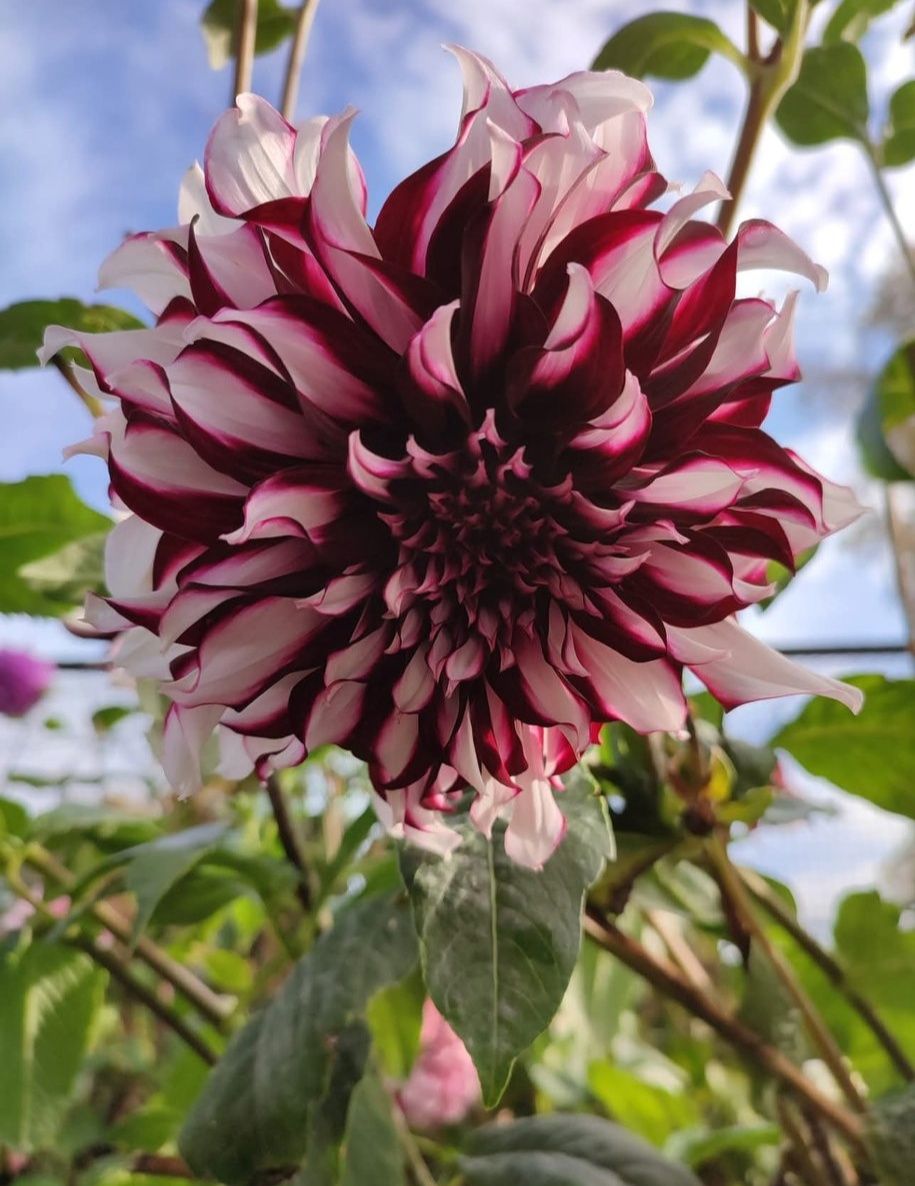
When I planted my first dahlias, I started with just two varieties—Café au Lait and a bright red pompon. By mid-summer, the decorative blooms were as big as my hand, and the pompons made perfect little accents in my bouquets. The secret was staking early (before the stems got heavy) and sticking to a consistent watering routine. By fall, I had more flowers than I could keep up with, and I learned the joy of sharing bouquets with friends and neighbors.
Conclusion
Dahlias are truly the stars of the late-summer and fall garden. With their dazzling variety—from tiny pompons to dinnerplate giants—there’s a type to suit every gardener’s style. While they do require some attention, the rewards are well worth the effort: months of brilliant color, dramatic texture, and endless floral arrangements.
Whether you’re planting them for the first time or adding new varieties to your collection, dahlias will quickly become the highlight of your garden.
