

Every autumn, garden centers burst into vibrant displays of chrysanthemums—those cheerful mums that seem to shout “fall is here!” But despite their popularity, many gardeners unknowingly make a few crucial mistakes that cause their mums to fade far too soon. If you’ve ever wondered why your mums don’t last or look less impressive after just a few weeks, this guide is for you.
In this post, we’ll walk through 8 of the most common mistakes people make when planting fall mums—and how you can avoid them to enjoy a full, glorious season of color.
Contents
- 1 Mistake #1: Choosing Mums That Are Already in Full Bloom
- 2 Mistake #2: Planting in Containers Without Proper Drainage
- 3 Mistake #3: Planting in Poorly Drained Garden Soil
- 4 Mistake #4: Ignoring Rootbound Plants
- 5 Mistake #5: Forgetting to Deadhead Spent Blooms
- 6 Mistake #6: Overwatering or Underwatering
- 7 Mistake #7: Not Fertilizing Your Mums
- 8 Mistake #8: Planting Too Late in the Season
- 9 Final Thoughts: Plant Smart, Enjoy Longer Blooms
- 10 Fall Mums FAQ
- 10.1 1. What are fall mums, and how do they differ from garden or hardy mums?
- 10.2 2. How much sunlight do fall mums need?
- 10.3 3. What type of soil is ideal for planting fall mums?
- 10.4 4. How often should I water my fall mums?
- 10.5 5. Why is pinching important when growing fall mums?
- 10.6 6. Can pests like aphids damage my garden moms?
Mistake #1: Choosing Mums That Are Already in Full Bloom
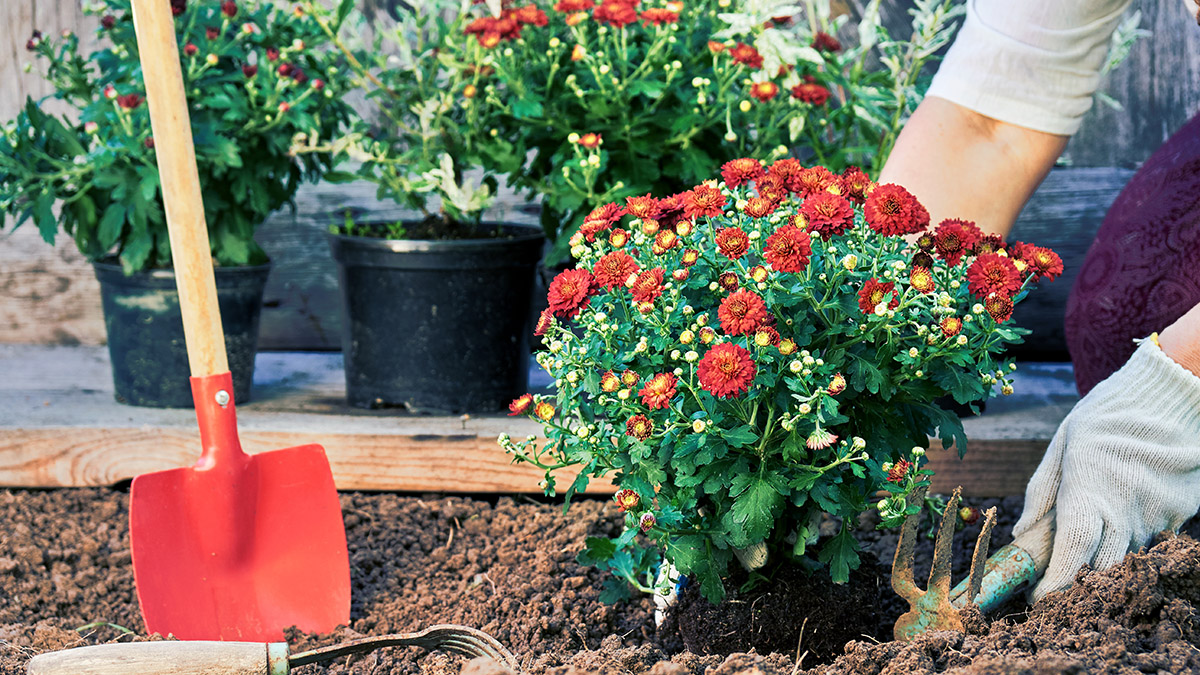
We get it—the big, blooming mums at the garden center are irresistible. But mums that are already in full bloom won’t last long.
What to Do Instead:
Look for mums that have a mix of open blooms and tight buds. This means you’ll get flowers in various stages and enjoy fresh color for much longer.
Pro Tip: Gently shake the plant. If petals fall off easily, it’s past peak.
Mistake #2: Planting in Containers Without Proper Drainage
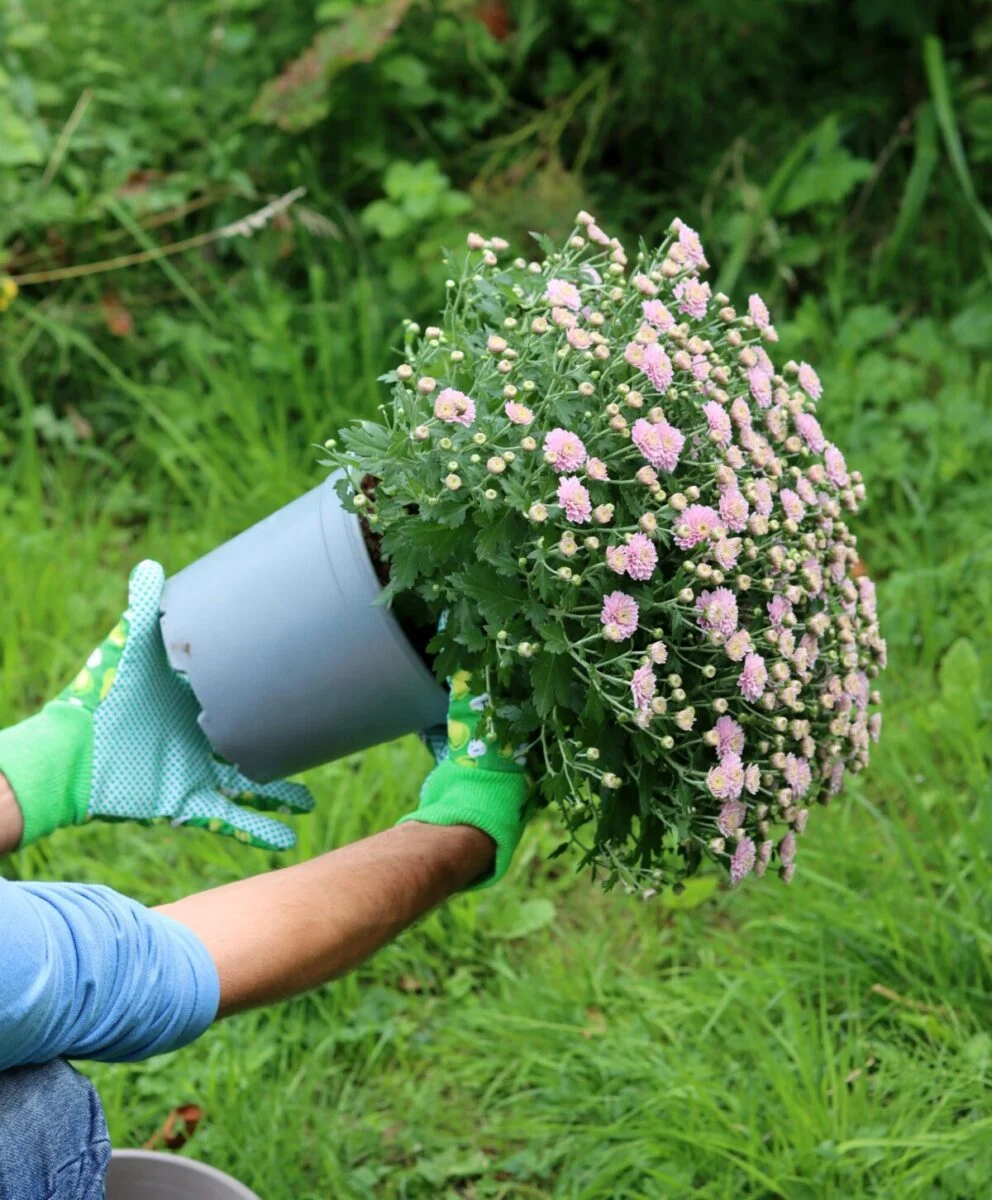
Mums hate wet roots. A container without drainage will lead to root rot and fungal issues.
What to Do Instead:
Make sure your pots have drainage holes. Place a layer of pebbles or broken pottery before adding soil.
Bonus Tip: Elevate pots slightly off the ground to avoid pooling water.
Mistake #3: Planting in Poorly Drained Garden Soil
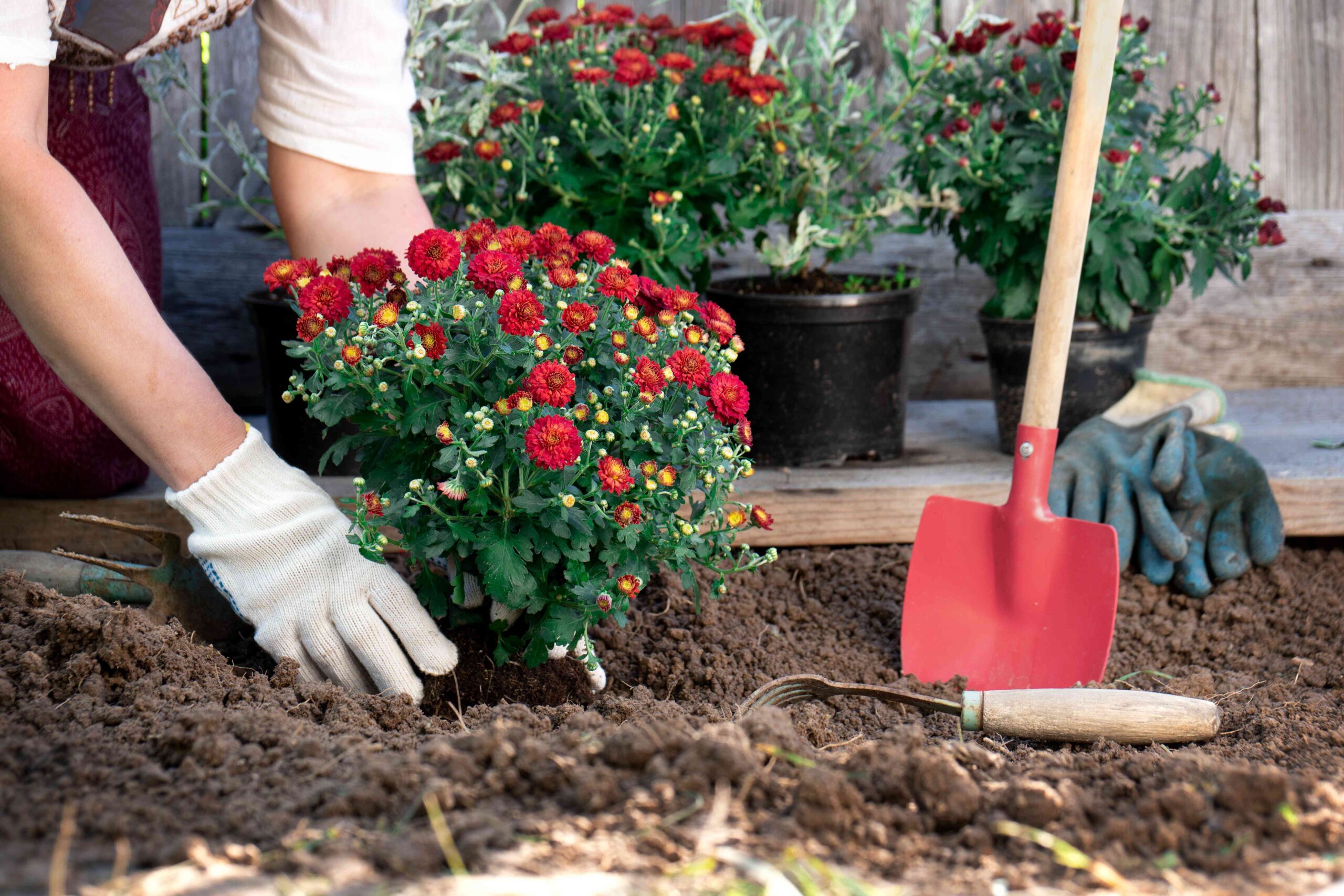
Heavy clay or compact soil traps water and suffocates the roots.
What to Do Instead:
Amend the soil with compost or well-draining topsoil. Use raised beds or plant mums on a slight mound to improve drainage.
Mistake #4: Ignoring Rootbound Plants
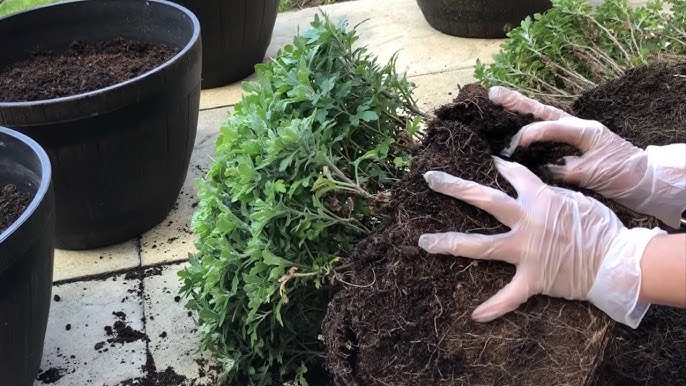
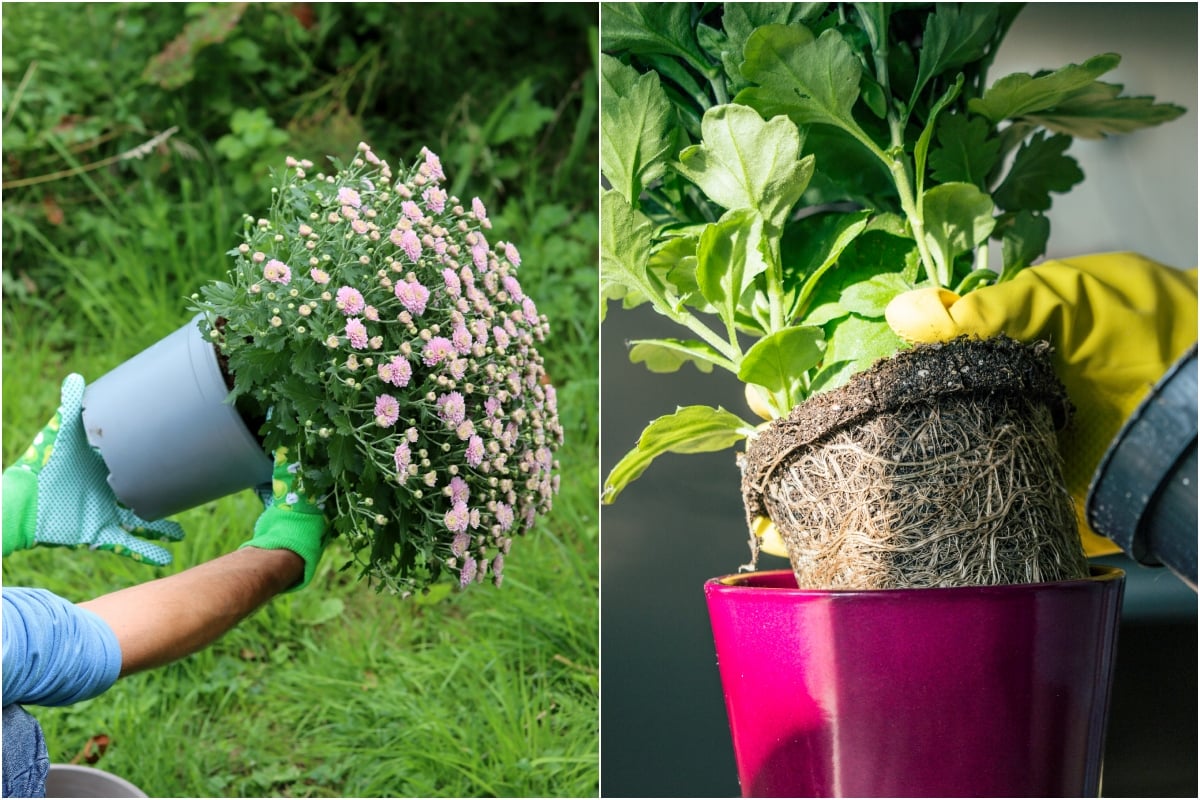
Garden center mums are often rootbound. If left as-is, they struggle to grow properly.
What to Do Instead:
Soak the entire plant in water before planting and loosen the roots gently with your hands.
Mistake #5: Forgetting to Deadhead Spent Blooms
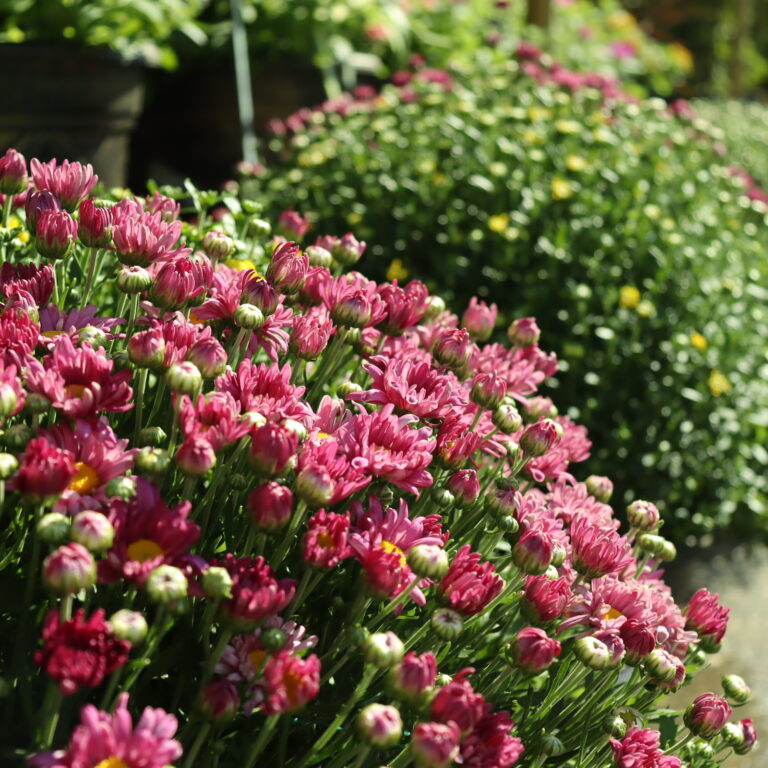
Deadheading encourages more blooms and keeps your mums tidy.
What to Do Instead:
Pinch off spent flowers every few days to promote new growth.
Helpful Habit: Add deadheading to your morning garden walk!
Mistake #6: Overwatering or Underwatering
Too much or too little water can quickly kill your mums.
What to Do Instead:
In containers, water daily. In-ground, water 1–2 times a week. Always water at the base and check soil moisture first.
Mistake #7: Not Fertilizing Your Mums
Mums need nutrients to produce tons of flowers.
What to Do Instead:
Use a water-soluble fertilizer every 7–14 days. Apply it directly to the base of the plant.
Mistake #8: Planting Too Late in the Season

Fall mums need time to establish before frost hits. Planting too late means fewer blooms.
What to Do Instead:
Count back 8 weeks from your average first frost. In many areas, that means planting by late August.
Final Thoughts: Plant Smart, Enjoy Longer Blooms
Mums are the iconic flowers of fall—but only if you set them up for success. By avoiding these 8 common mistakes, you can extend your bloom window, prevent premature wilting, and enjoy vibrant color for 8+ weeks.
Your turn: Have you made any of these mistakes before? What’s your #1 mum care tip?
Fall Mums FAQ
1. What are fall mums, and how do they differ from garden or hardy mums?
Fall mums, also called garden mums or hardy mums, are popular plants for autumn gardens. They thrive in USDA zones 5 to 9 and can handle cooler weather better than florist mums, which are less durable outdoors.
2. How much sunlight do fall mums need?
Fall mums grow best in full sun but can tolerate partial sun if needed. Full sunlight helps flower buds develop properly during the growing season.
3. What type of soil is ideal for planting fall mums?
Well-drained soil with good moisture is key for healthy root growth. Avoid heavy clay soil or compacted soil since these cause drainage problems that lead to root rot.
4. How often should I water my fall mums?
Watering your fall mums regularly keeps the soil moist but not soggy. Too much water can cause powdery mildew or harm their root system.
5. Why is pinching important when growing fall mums?
Pinching helps promote more flower buds and fuller plants by encouraging strong root development early in the season.
6. Can pests like aphids damage my garden moms?
Yes, pests like aphids attack leaves and stems on potted nursery-bought samples; use pest control methods promptly
Drop a comment below—or better yet, share this post with a fellow gardener who loves fall blooms!
