
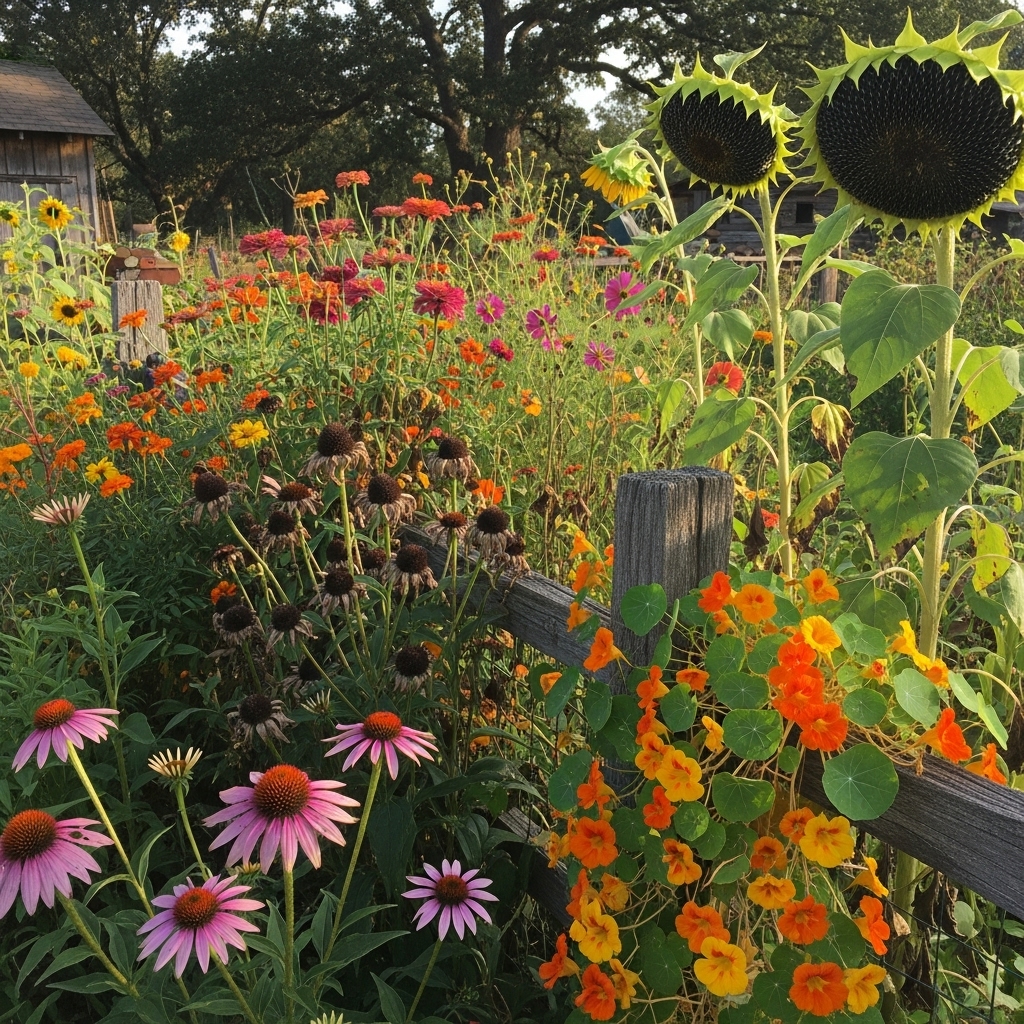
Just because summer is over doesn’t mean your garden’s story has to end. What if I told you that some of the most beautiful flowers in your spring garden could come from the blooms you already have? That’s right—fall is the perfect time to collect seeds from your favorite flowers, and with just a few simple tools, you can give yourself a head start for a stunning display next year.
All you need to begin are sharp pruners, paper bags or envelopes, and a cool dry place to store your seeds. Once your flower heads have turned brown and dry—typically about a month after blooming ends—it’s time to collect.
Let’s walk through 7 easy flower seeds you can harvest this fall:
Contents
1. Sunflowers
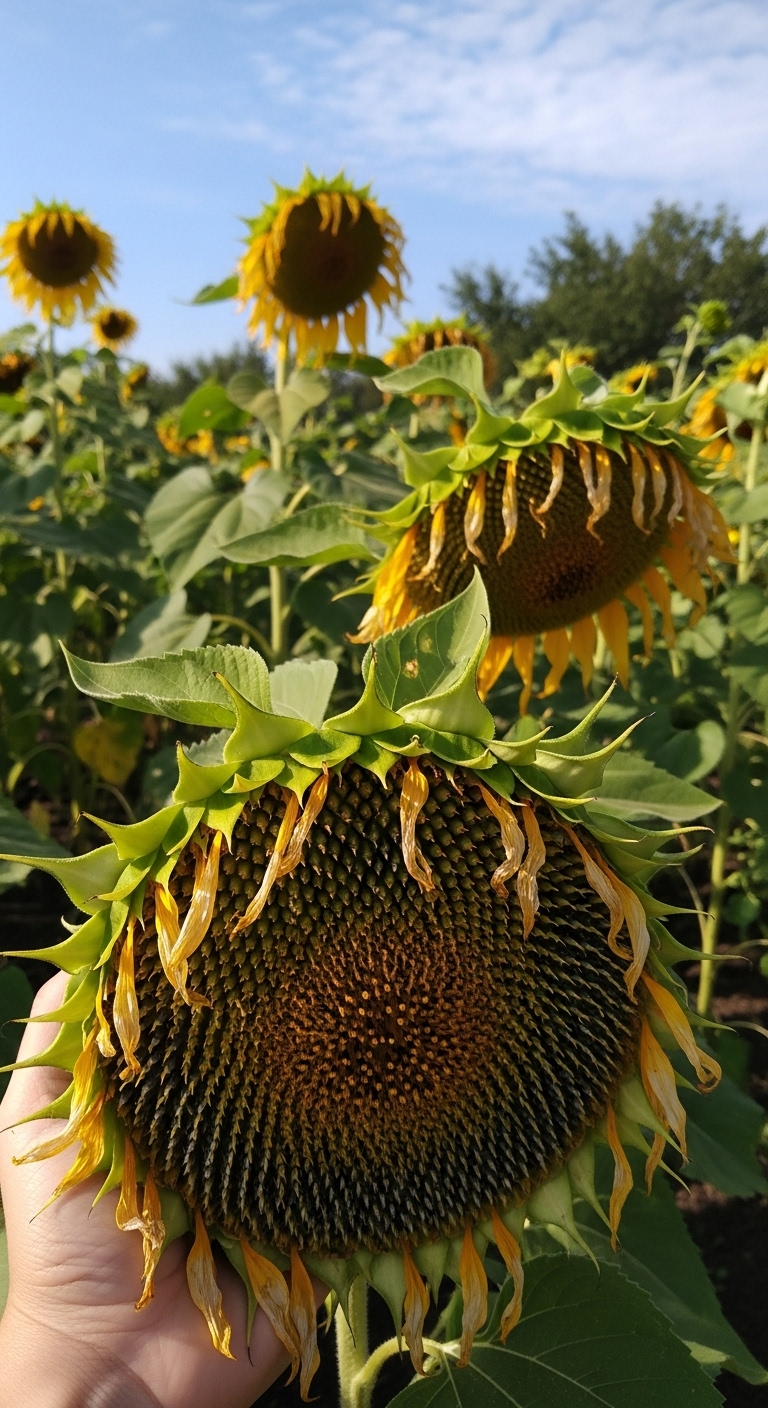
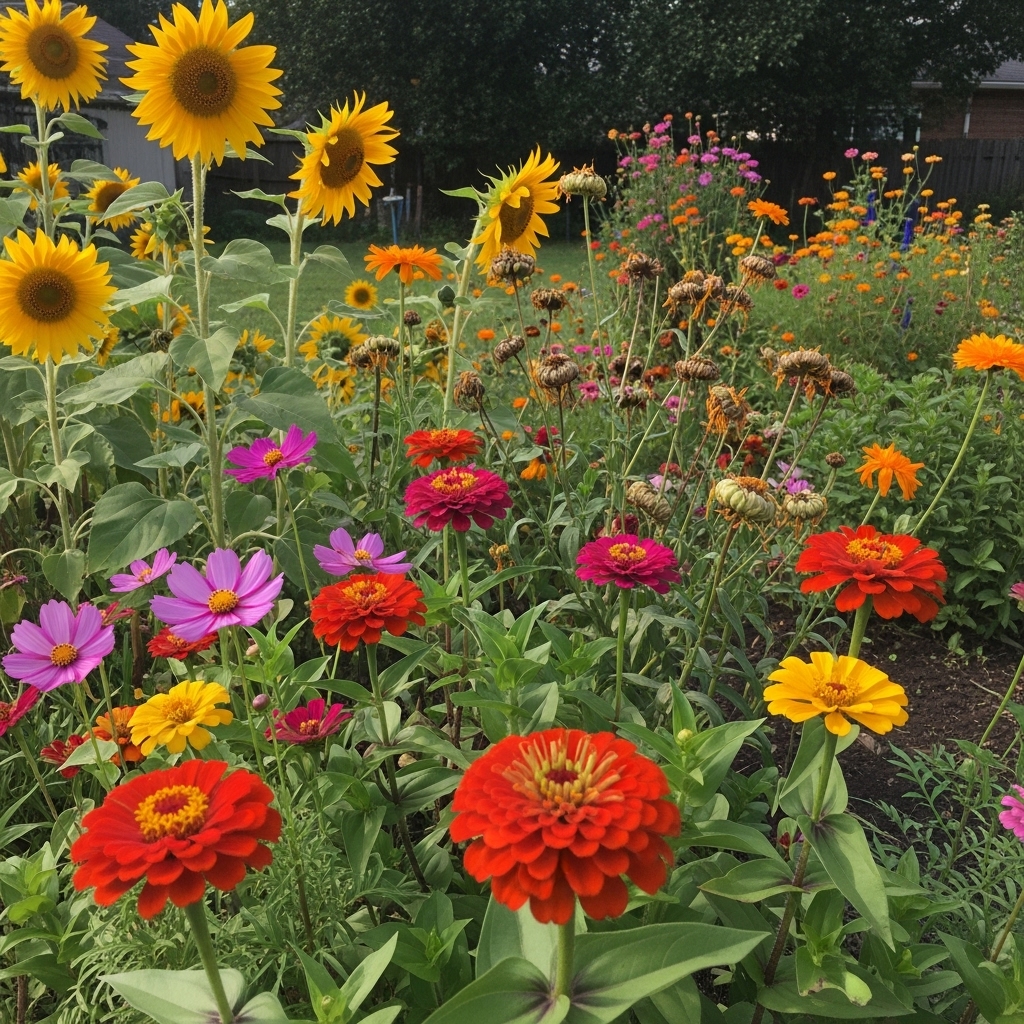
Sunflowers are one of the simplest to harvest. When the petals have fallen and the back of the flower head turns yellow or brown, snip it off. Even if not fully dry, you can hang it upside down. Once dry, rub out the seeds and store them until spring. Easy and reliable!
2. Zinnias
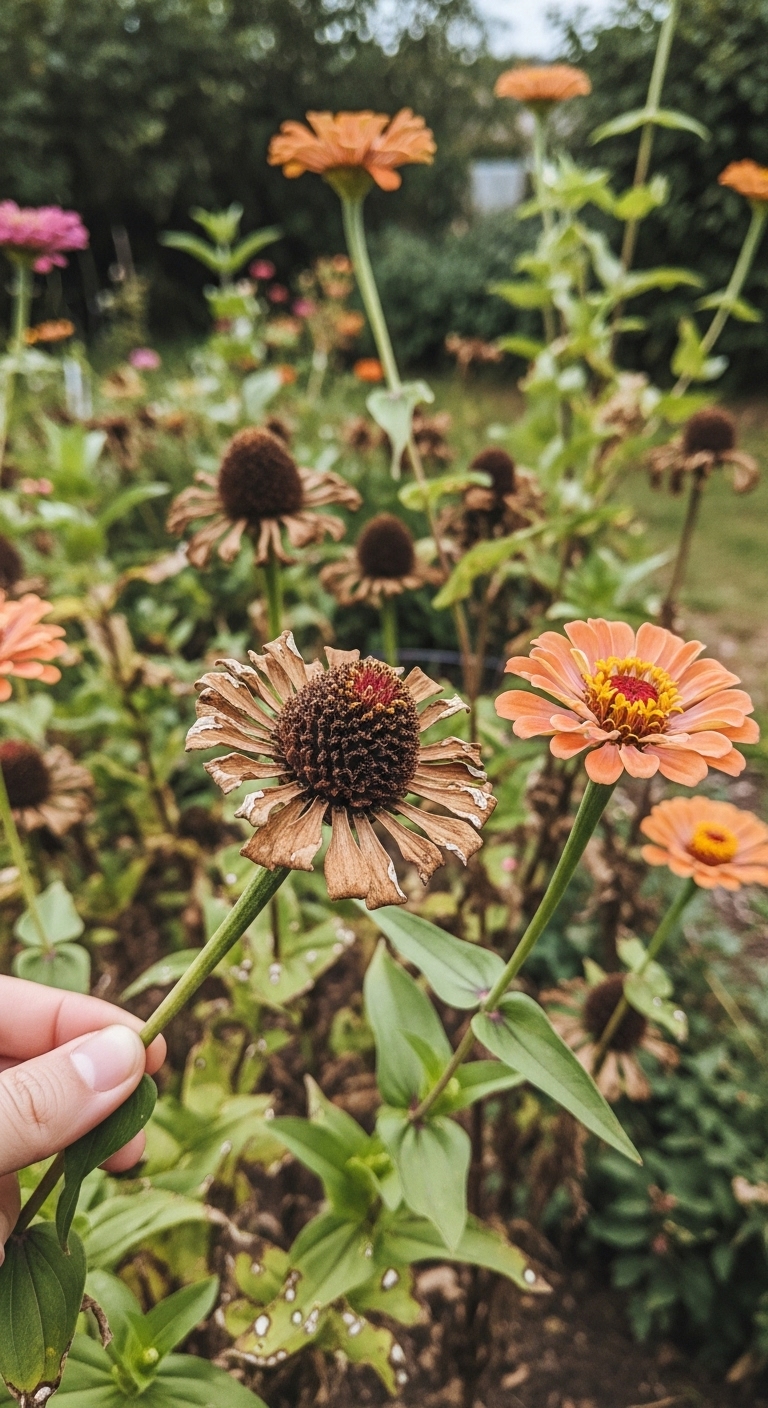
Zinnias produce seeds readily, but make sure they’re not hybrids if you want similar results next year. Let seed heads darken to a rich brown before gently rubbing them to release seeds. Even cross-pollinated zinnias can produce some fun surprises.
3. Calendula
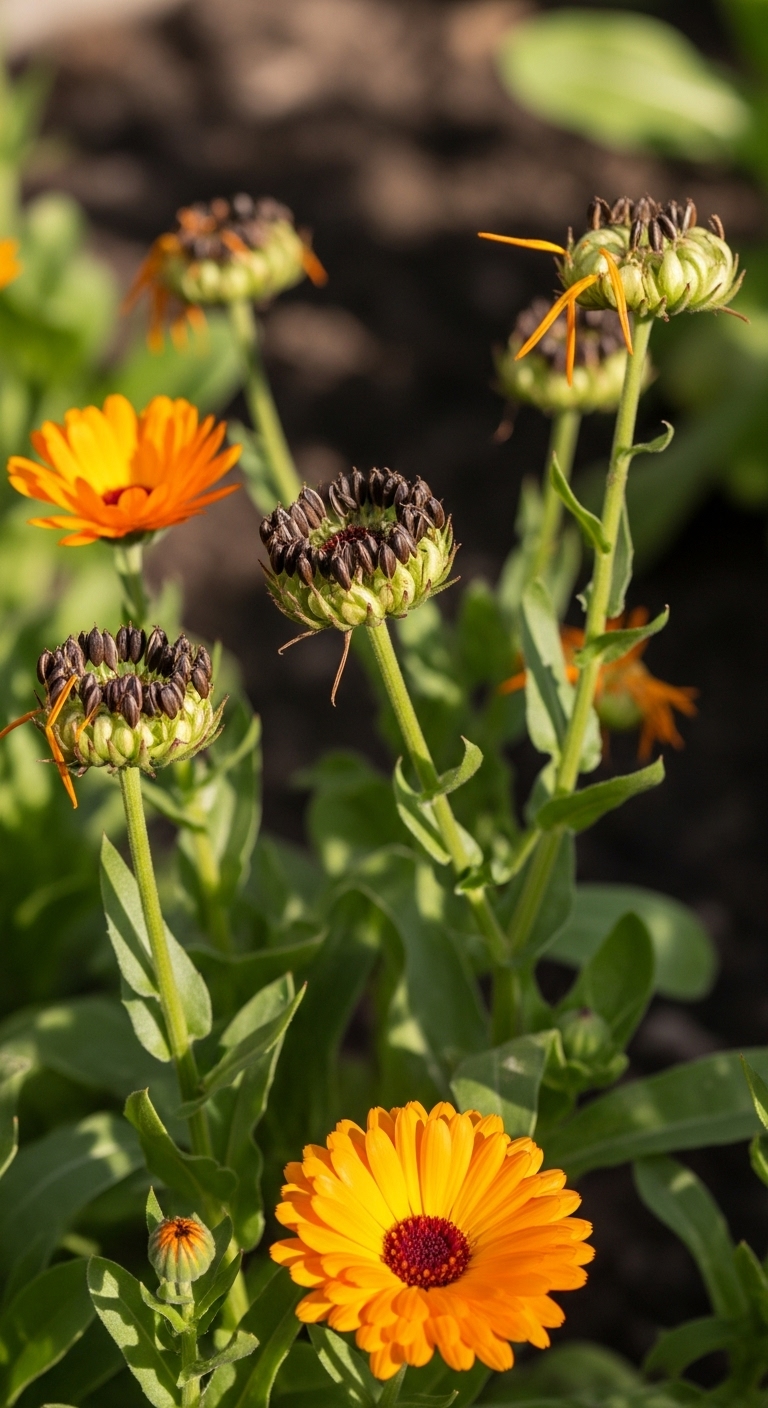
Calendula seeds are large, curly, and super easy to spot. Wait for the seed heads to brown, rub between your fingers, and store. These hardy flowers are great for both indoor starts or direct sowing come spring.
4. Nasturtiums
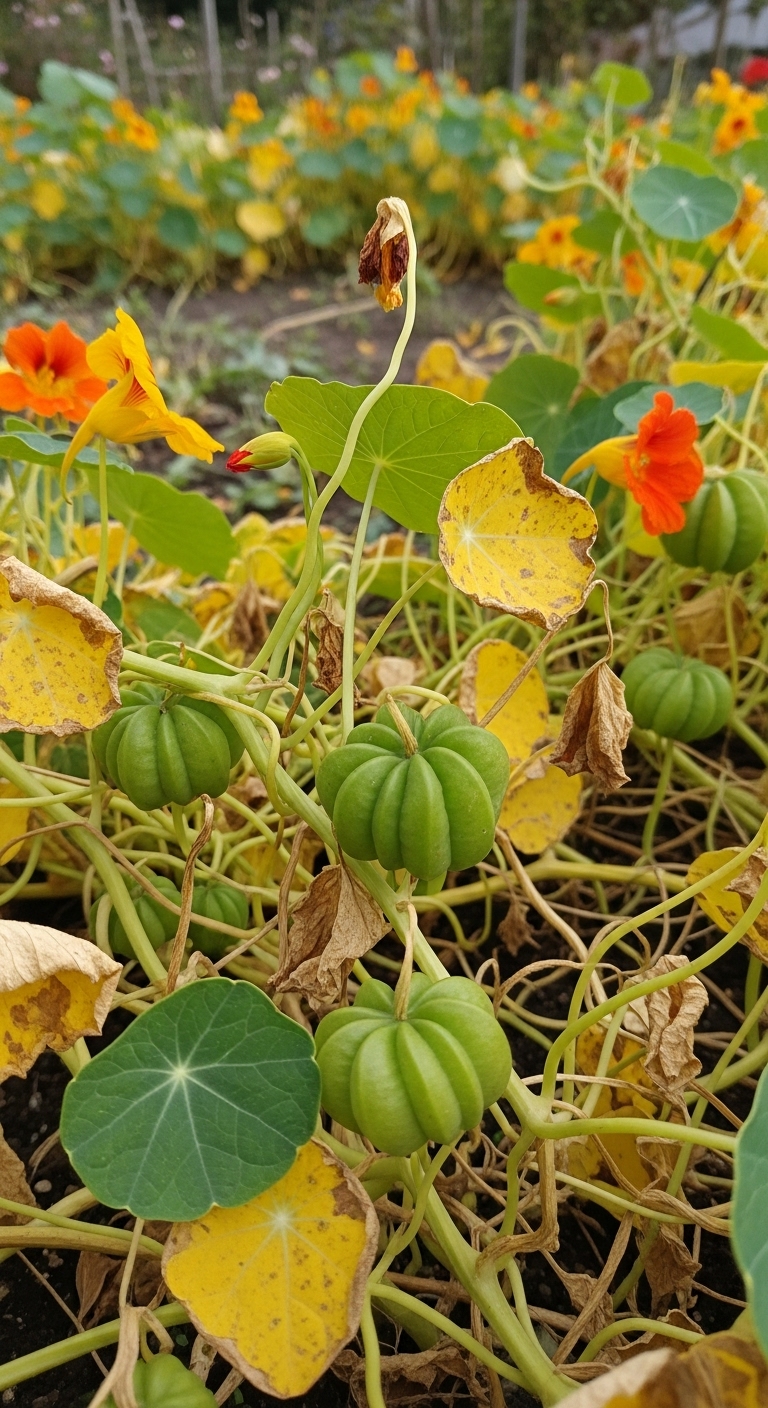
Look for the pods—they’ll turn brown and dry when ready. Snap them off and let them dry further if needed. Not only are nasturtiums beautiful, but their edible flowers and leaves also make them a great dual-purpose plant.
5. Cosmos
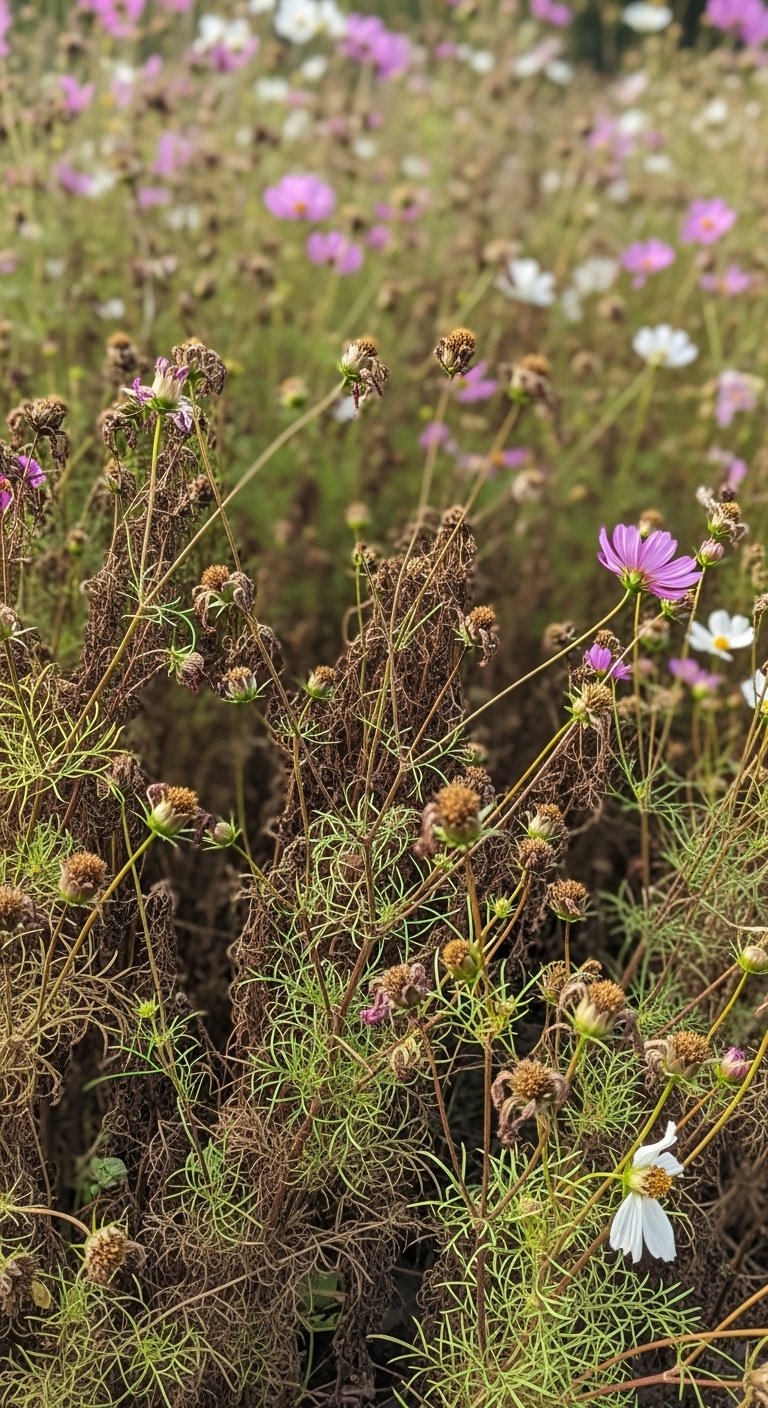
Cosmos seeds are long, narrow, and curved. Once dry, crack the seed head or rub gently between fingers to release seeds. Perfect for direct sowing in spring or early indoor starts.
6. Snapdragons
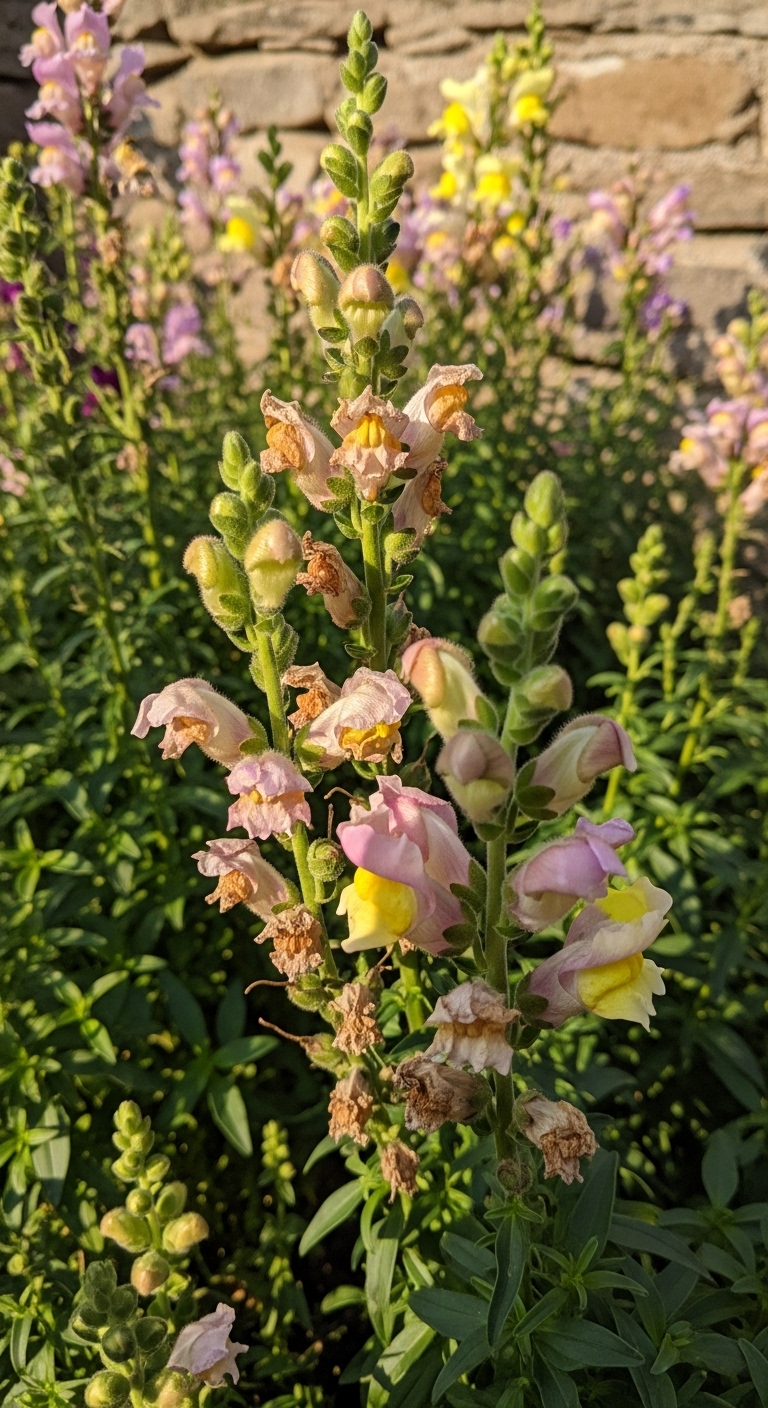
Snapdragon seed pods are charming—they resemble tiny skulls! Once they dry out and turn brown, roll them or shake them gently to release small black seeds. Start these indoors 8–10 weeks before your last frost for a head start.
7. Coneflowers (Echinacea)
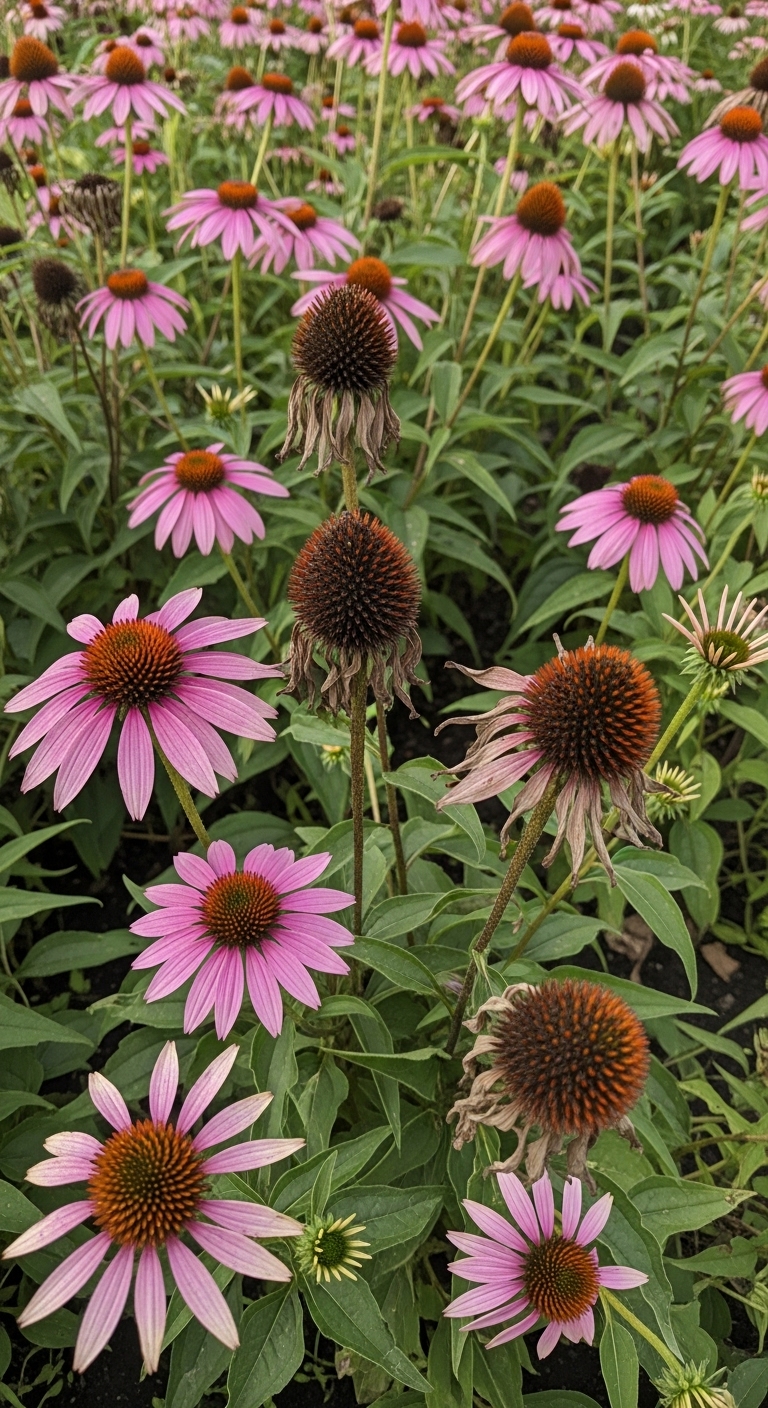
While these are perennials, they’re worth collecting. Clip dried flower heads, shake into a bag, and scrape out any remaining seeds. These might take longer to bloom from seed, but they’re well worth the wait.
Conclusion: A Simple Fall Task with Blooming Rewards
Seed saving isn’t just about sustainability—it’s about joy, beauty, and a connection to your garden that carries from one season to the next. With just a bit of effort now, you’ll be rewarded with a lush, vibrant garden full of your favorite flowers next year.
Don’t toss those fading blooms—put them to work for your future garden!
FAQs
Q: Can I store seeds in plastic bags?
A: It’s best to avoid plastic, as it can trap moisture and cause mold. Use paper envelopes or glass jars with silica gel packs for best results.
Q: How long do saved flower seeds last?
A: Most will stay viable for 1–2 years if stored properly in a cool, dry, and dark place.
Q: Do I need to treat seeds before storing them?
A: Simply make sure they’re fully dry. No special treatments are needed for most annual flower seeds.
Q: Can I collect seeds from hybrid flowers?
A: You can, but the resulting plants may not look like the parent. This can be a fun experiment, though results are unpredictable.
Q: When should I start sowing saved seeds?
A: Most can be sown after the last frost in spring. Some, like snapdragons or coneflowers, benefit from an indoor start 8–10 weeks early.
