
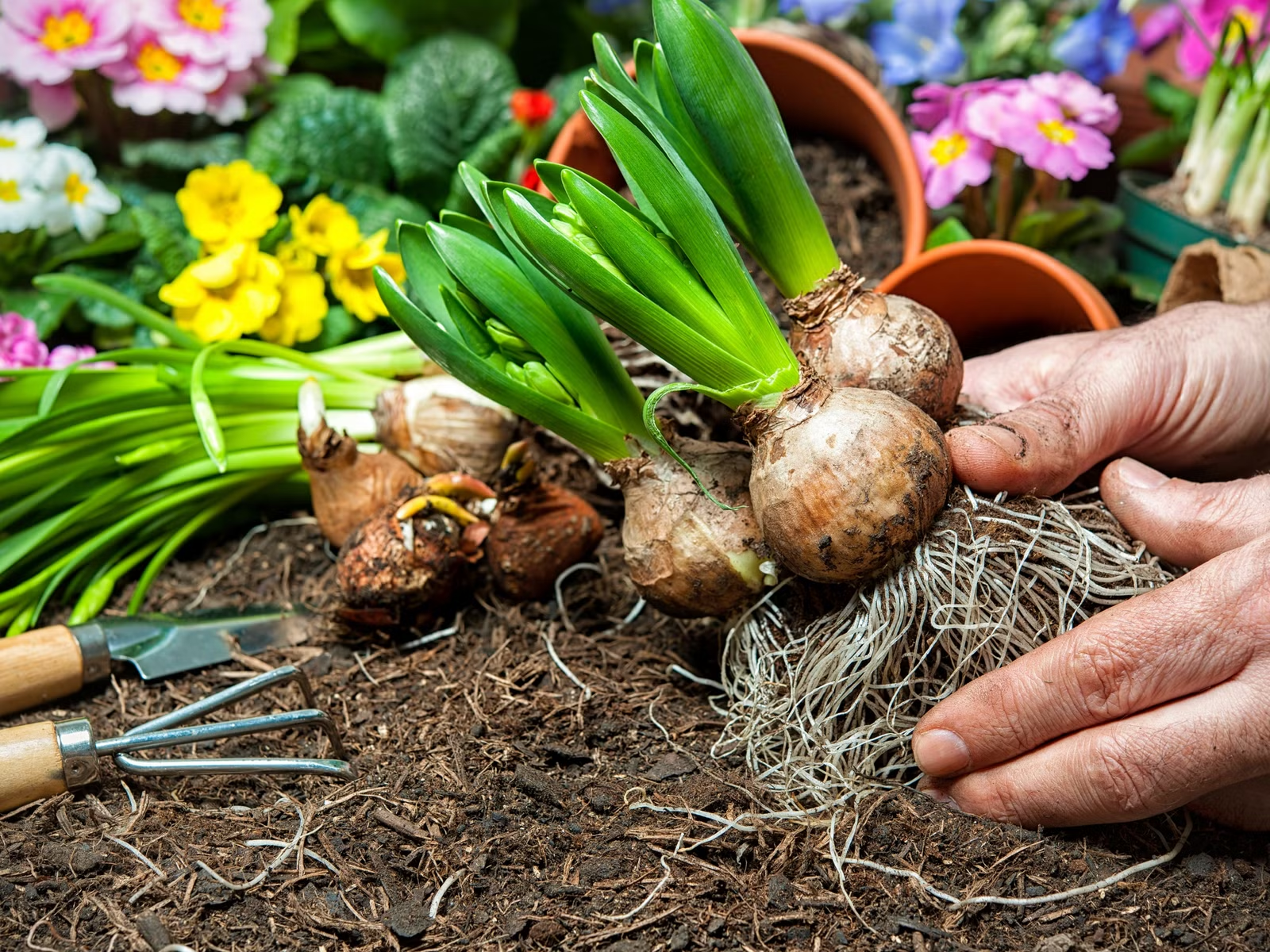
Hello friends, this is Rosie Caudill from gardenjoynow.
If you’ve been tending gardens for many seasons, you know how much joy spring flowers can bring — and how disappointing it feels when bulbs don’t bloom as beautifully as we’d hoped.
The good news? Most bulb troubles come down to just a few simple mistakes — and all of them can be fixed with a little know-how and care.
Let’s walk through the most common bulb-planting errors so you can look forward to a bright, colorful spring garden once again.
Contents
- 0.1 Mistake #1: Planting Too Few Bulbs
- 0.2 Mistake #2: Skipping Soil Preparation
- 0.3 Mistake #3: Planting at the Wrong Depth
- 0.4 Mistake #4: Forgetting Succession Planting
- 0.5 Mistake #5: Planting at the Wrong Time
- 0.6 Mistake #6: Ignoring Wildlife Troubles
- 0.7 Mistake #7: Assuming All Bulbs Return Every Year
- 0.8 Bonus Tip: Protect Your Hands
- 0.9 Ready to Start Planting?
- 1 Frequently Asked Questions (FAQs)
- 1.1 1. How close together should I plant bulbs?
- 1.2 2. Do I really need to prepare the soil before planting?
- 1.3 3. How can I stop squirrels or deer from digging up my bulbs?
- 1.4 4. Which bulbs come back every year?
- 1.5 5. When is the best time to plant spring bulbs?
- 1.6 6. What’s the “lasagna method” I keep hearing about?
- 1.7 7. How can I keep my hands from itching when planting bulbs?
- 1.8 8. How many bulbs should I plant for a good display?
Mistake #1: Planting Too Few Bulbs
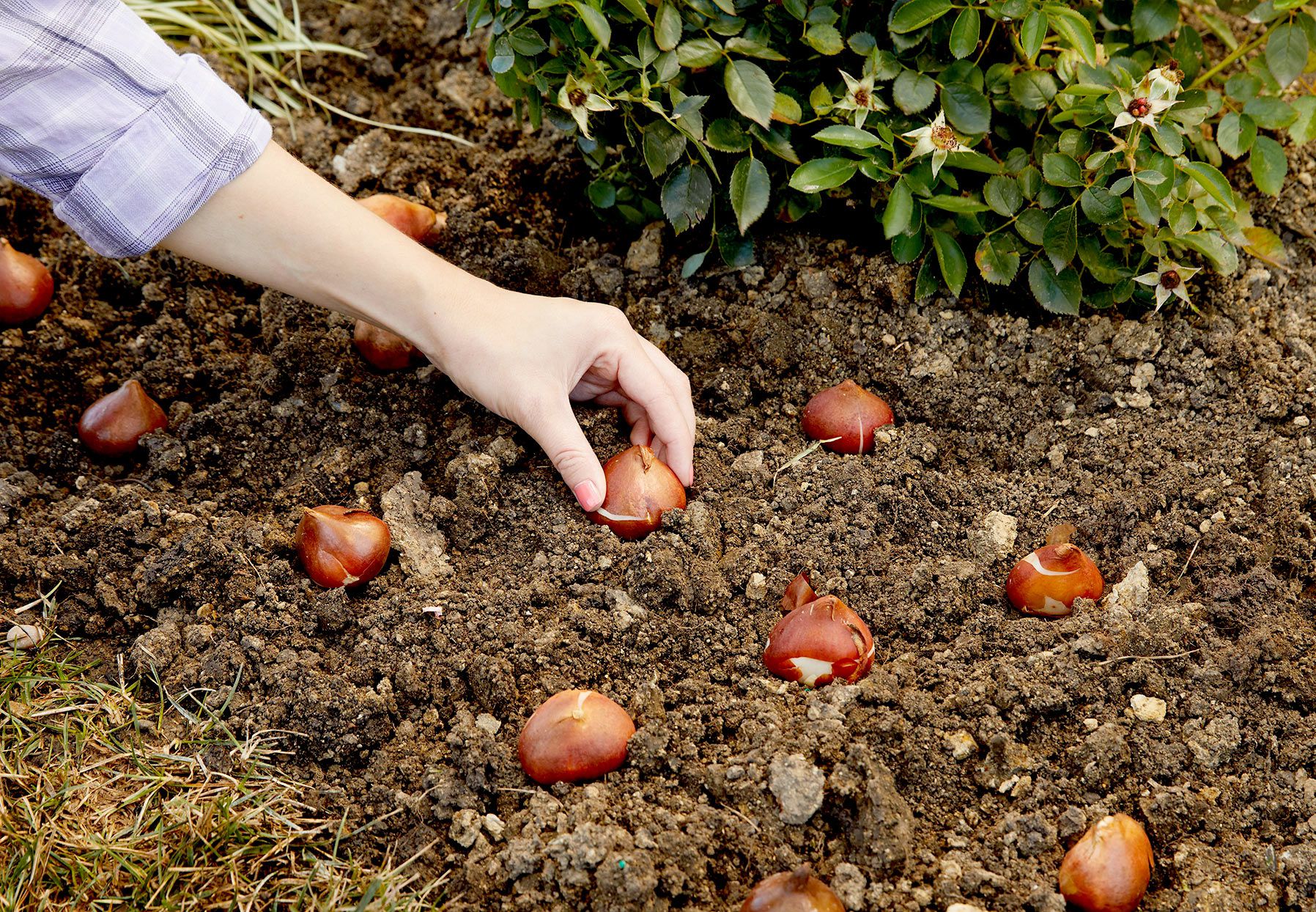
A handful of bulbs may seem enough at first, but once they bloom, the display often looks a bit thin.
For fuller, more satisfying color, plant generously. Bulbs like company — they look their best when growing in clusters, almost like little bouquets under the soil.
Don’t be afraid to plant them close together, especially in containers. When they bloom, you’ll be rewarded with lush, vibrant drifts of color that fill the space beautifully.
Mistake #2: Skipping Soil Preparation
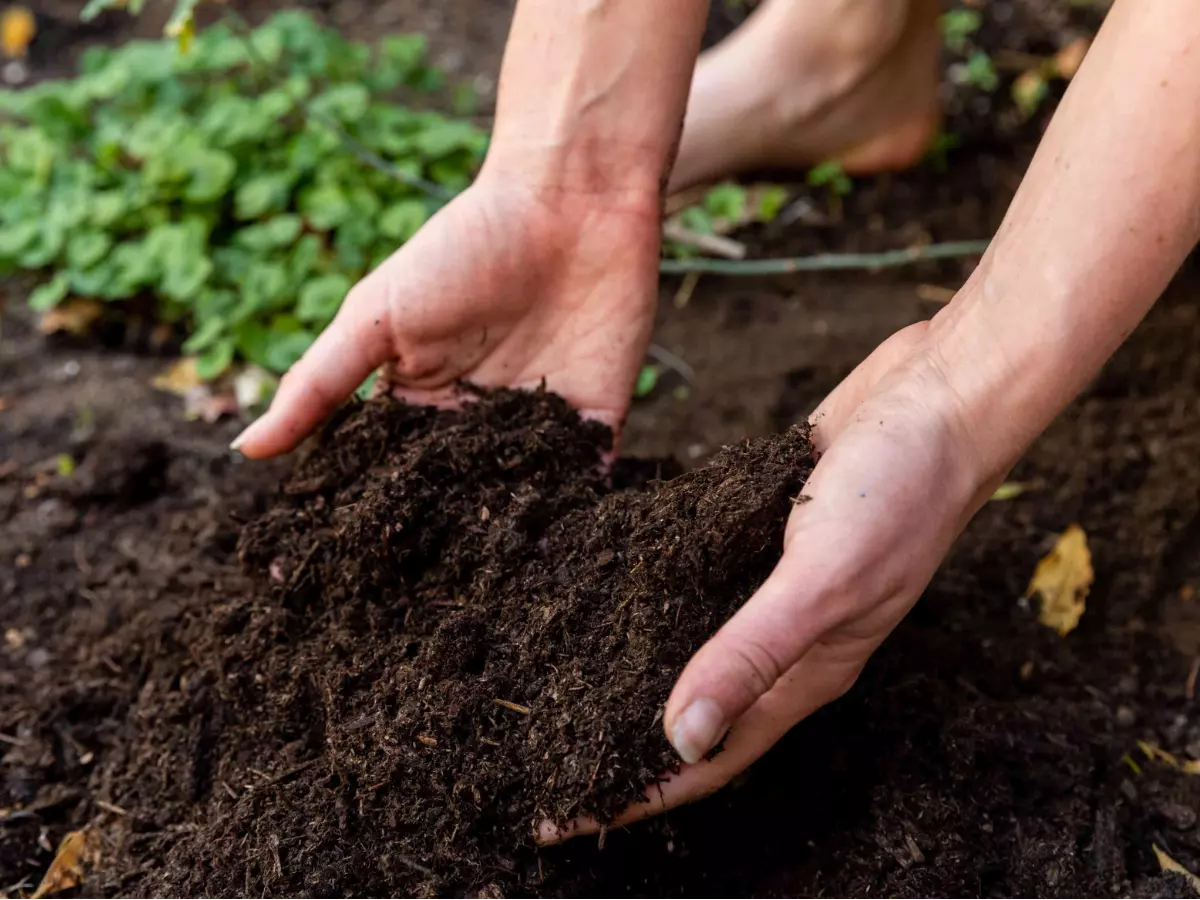
Even the healthiest bulbs won’t thrive in poor soil. Before planting, take time to loosen and enrich your soil.
Bulbs prefer well-drained, slightly sandy or loamy soil. Add compost or other organic matter to improve structure and give them the nutrients they need.
A few extra minutes preparing the bed now can mean weeks of beautiful blooms later.
Mistake #3: Planting at the Wrong Depth
Planting too shallow leaves bulbs exposed to cold and temperature swings, while planting too deep can smother them.
Most bulbs need to be buried at a depth about two to three times their height — roughly 4 to 8 inches, depending on the variety.
If you’re planting in pots, try the “lasagna method,” layering bulbs at different depths so they bloom one after another for a longer show.
Mistake #4: Forgetting Succession Planting

Want your garden to stay colorful for weeks? Choose bulbs with staggered bloom times.
Combine early bloomers like crocuses and daffodils with mid-season tulips and late-blooming alliums.
That way, as one fades, the next takes its place — giving you a long, joyful parade of flowers from early spring into summer.
Mistake #5: Planting at the Wrong Time
Spring bulbs should be planted in the fall, but the right moment depends on your local climate.
Cooler soil encourages strong root growth and prevents premature sprouting.
Personally, I like to wait until late fall — when the air is crisp but the ground is still workable.
If you have visiting squirrels or chipmunks, this timing also helps keep your bulbs safe from their digging!
Mistake #6: Ignoring Wildlife Troubles
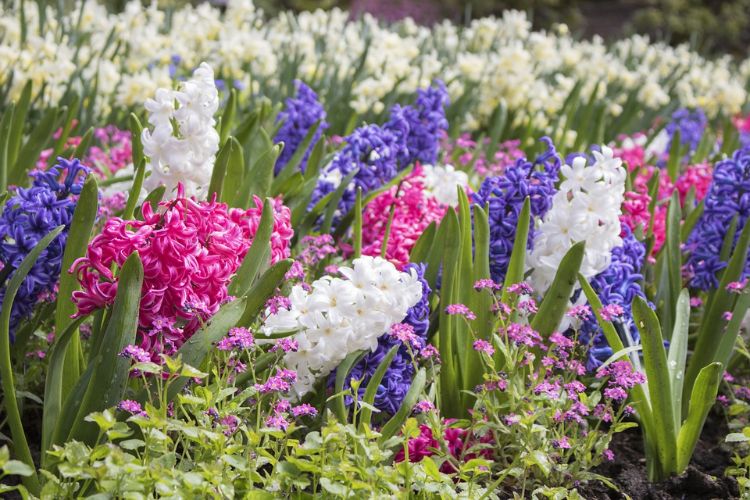
Deer and small animals can undo all your hard work in one night.
To protect your bulbs, mix in daffodils — they’re naturally deer-resistant because they contain a compound called lycorine, which animals avoid.
Planting daffodils among tulips or crocuses acts as a gentle but effective natural barrier, while adding lovely contrast to your spring display.
Mistake #7: Assuming All Bulbs Return Every Year
Not every bulb is perennial. Some tulips, for instance, may only bloom for a year or two before fading.
If you notice fewer blooms each season, it might not be your fault — it’s just the plant’s nature.
To keep color consistent, replant tender bulbs each year and lean on hardy favorites like daffodils, alliums, and grape hyacinths, which return faithfully season after season.
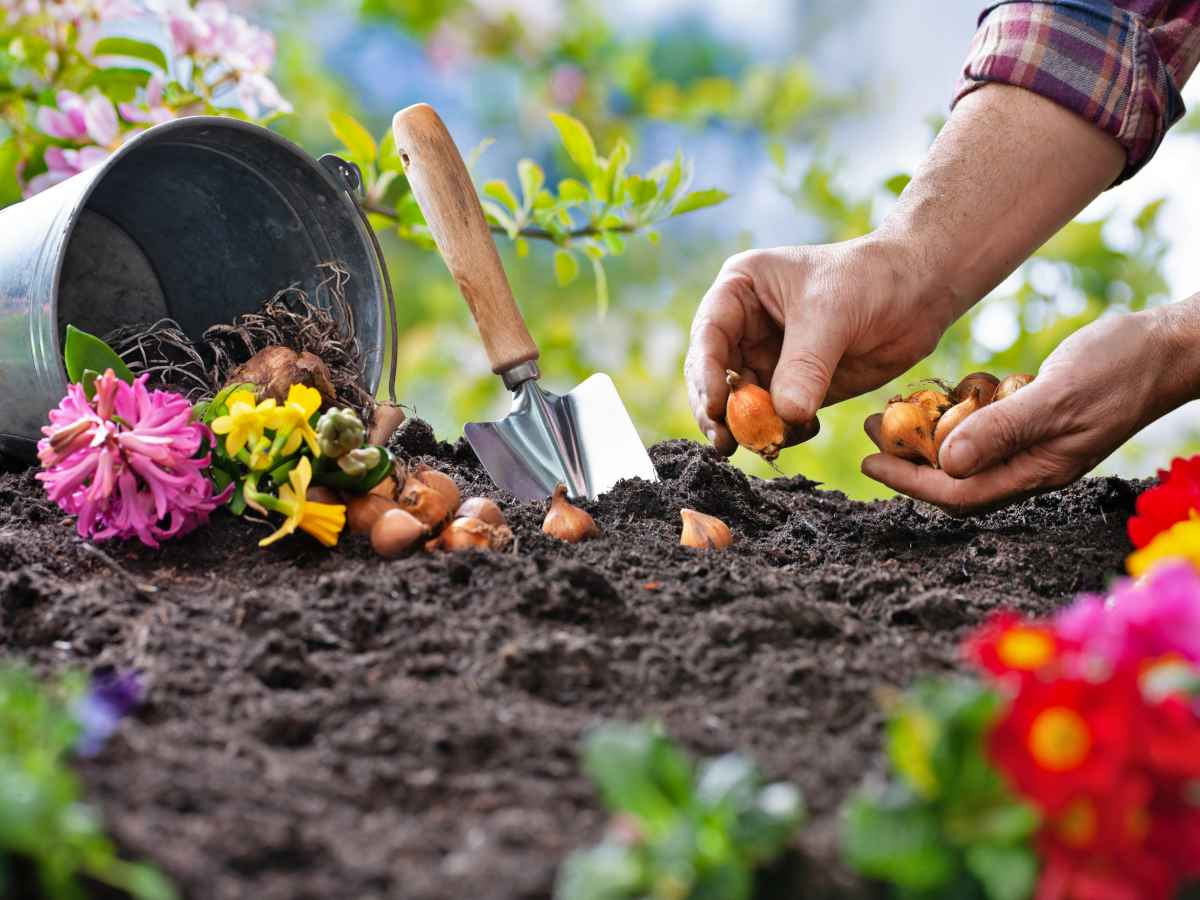
Bonus Tip: Protect Your Hands
A gentle reminder — always wear gloves when handling bulbs like hyacinths or narcissus.
They contain a natural compound that can irritate your skin and cause itching or redness.
A simple pair of gardening gloves makes planting more comfortable and keeps your hands safe.
Ready to Start Planting?
If you’re feeling inspired to refresh your garden this season, stop by our gardenjoynow for carefully chosen bulbs, tools, and containers — all tested and loved by fellow gardeners.
Whether you’re a lifelong grower or just returning to the joy of gardening, we’re here to make every season bloom beautifully.
Frequently Asked Questions (FAQs)
1. How close together should I plant bulbs?
Most bulbs can be planted 2–3 inches apart, or even closer in containers. Planting in clusters rather than single rows helps create fuller, more natural-looking displays — the kind that make your garden come alive in spring.
2. Do I really need to prepare the soil before planting?
Yes! Even seasoned gardeners sometimes skip this step, but well-prepared soil is key to healthy roots and long-lasting blooms. Loosen the soil, add compost, and make sure water drains easily to prevent rot.
3. How can I stop squirrels or deer from digging up my bulbs?
Try planting daffodils among tulips or crocuses — their natural compounds deter wildlife.
You can also place a light wire mesh over freshly planted areas until the ground freezes, keeping curious critters out.
4. Which bulbs come back every year?
Daffodils, alliums, grape hyacinths, and snowdrops are some of the most reliable perennials.
Tulips and hyacinths may fade after a year or two, so many gardeners treat them as annuals and replant for best results.
5. When is the best time to plant spring bulbs?
For most regions, late fall is ideal — after the heat has passed but before the ground freezes.
Cooler soil helps bulbs establish roots without sprouting too early.
6. What’s the “lasagna method” I keep hearing about?
It’s a fun way to layer different bulbs in one pot.
Plant deeper bulbs like tulips first, add a layer of soil, then mid-depth bulbs like daffodils, and finally shallow ones like crocuses.
This creates a multi-layered display that blooms in stages for a long-lasting show.
7. How can I keep my hands from itching when planting bulbs?
Wear light gardening gloves when handling bulbs such as hyacinths or narcissus.
Their outer coating contains calcium oxalate crystals, which can cause mild irritation. Gloves keep your hands comfortable and protected.
8. How many bulbs should I plant for a good display?
Think big! A small patch can hold 25–50 bulbs easily, depending on size.
The more you plant, the more impact you’ll see — and the happier you’ll be when spring arrives in full color.
