
Contents
Are Clematis Really That Difficult to Grow?
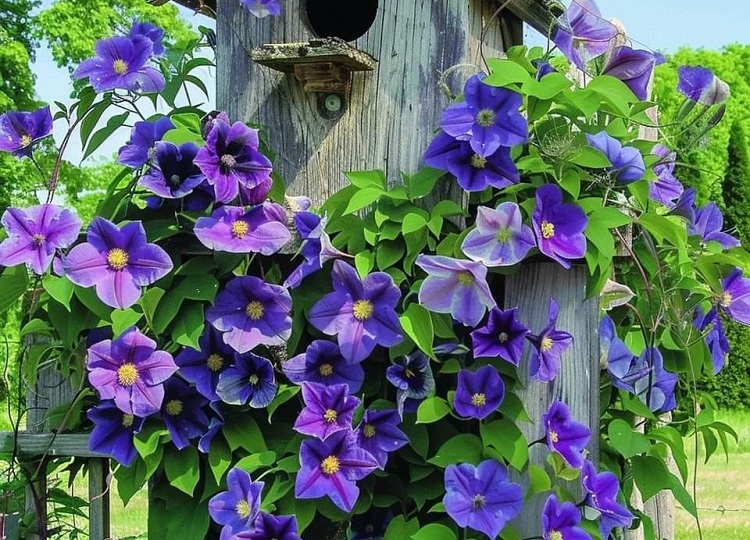
Have you ever admired the breathtaking beauty of clematis vines and thought, “I wish I could grow those, but they seem too fussy”? You’re not alone. Many gardeners are intimidated by clematis, believing them to be fragile or difficult to maintain. But the truth is, with just a few essential insights, you can grow clematis that flourish and bloom year after year.
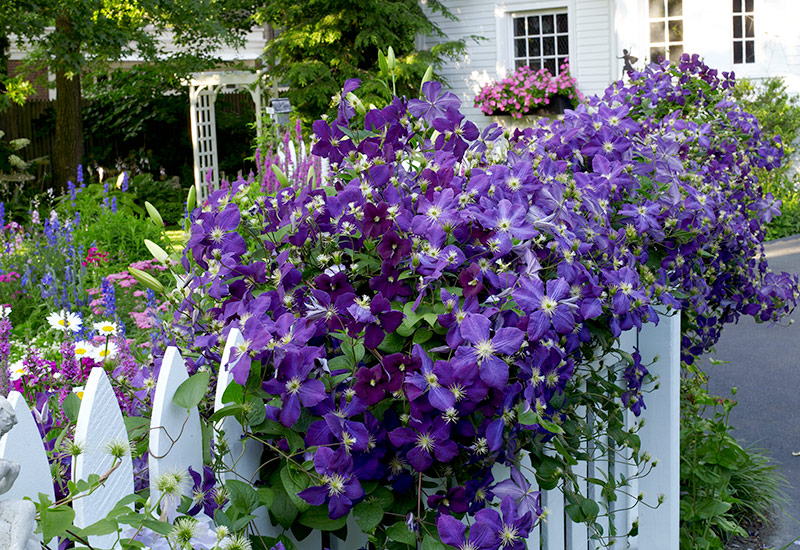
Let’s explore 5 surprisingly simple (but often overlooked) truths about clematis that can turn your fear into flower-filled success.
1. Clematis Come in More Forms Than You Think
Clematis aren’t one-size-fits-all. These versatile plants come in a wide variety of species and growth habits:
- Bush types like ‘Clematis Chloe’ make excellent low hedges.
- Compact, dwarf types work beautifully in containers.
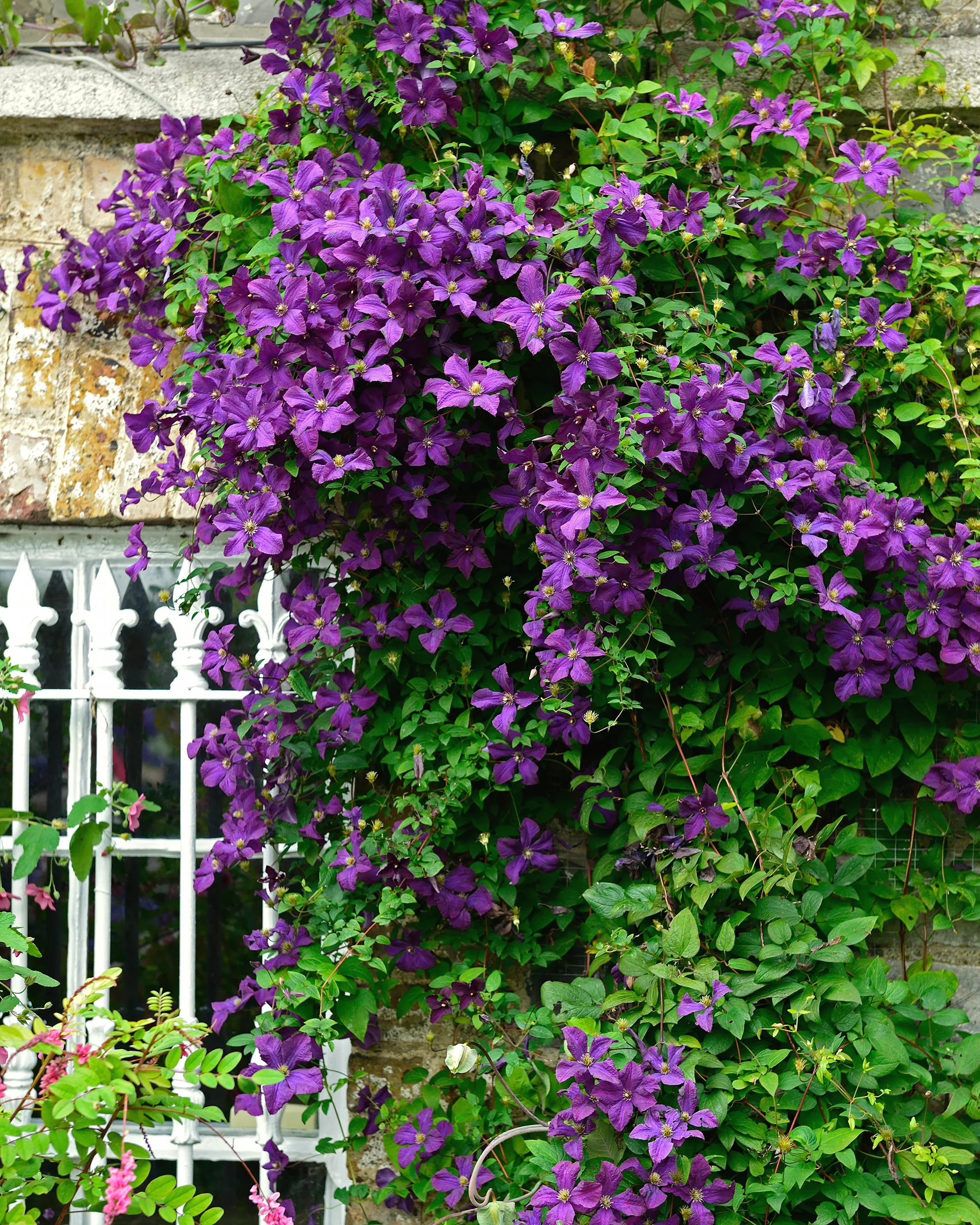
- Tall, vining varieties like ‘Jackmanii’ are perfect for trellises, arbors, or fences.
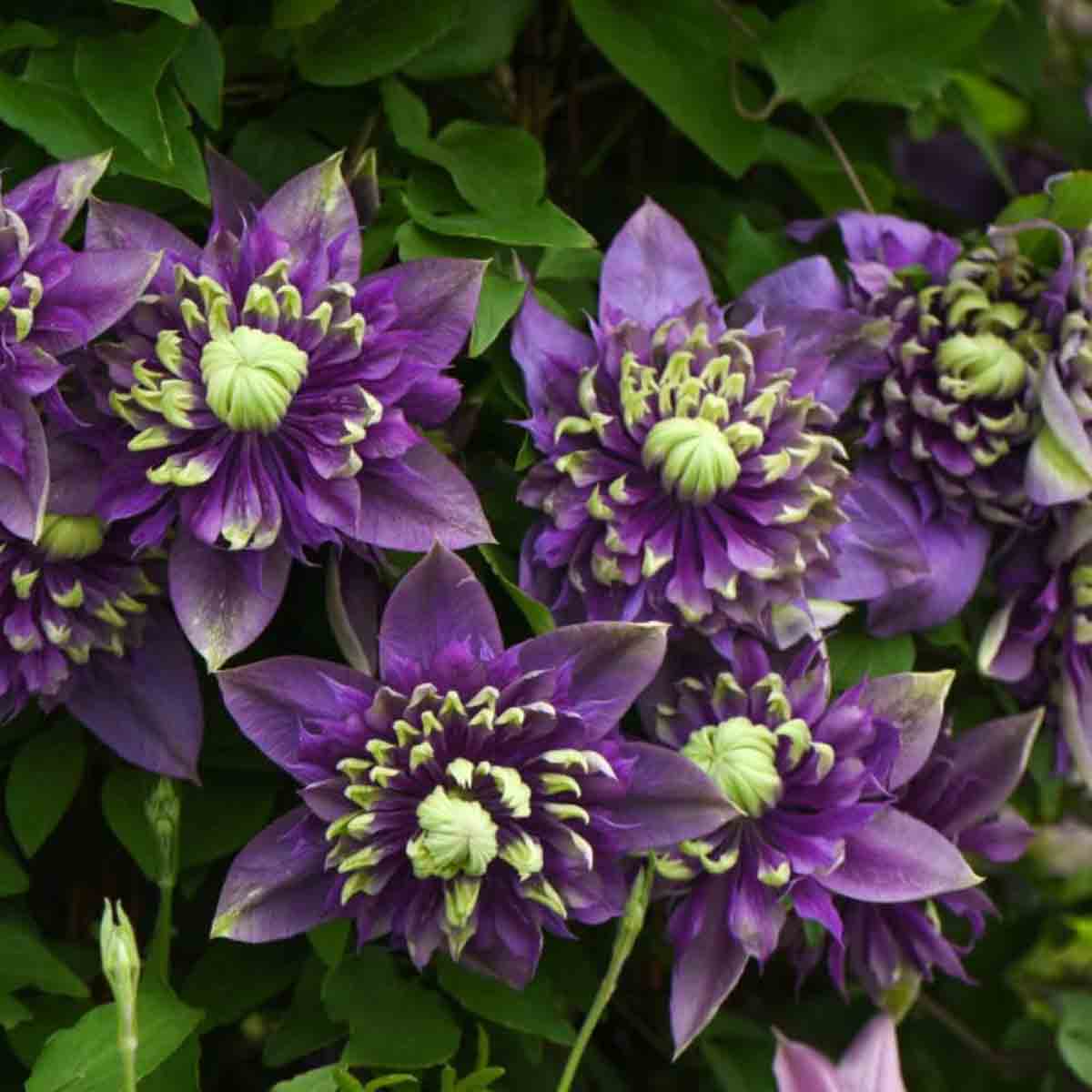
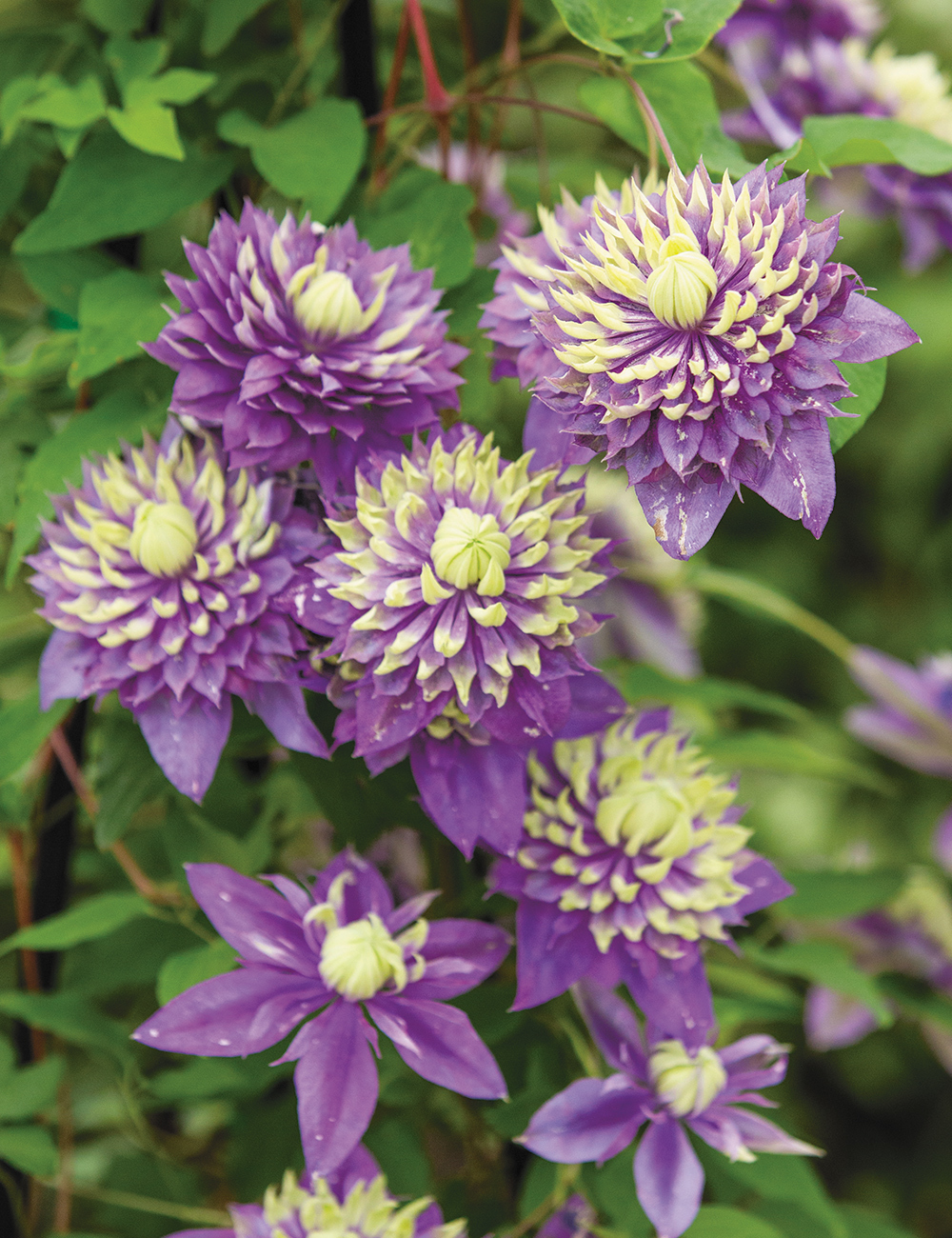
Their flowers are equally diverse—ranging from small, bell-shaped blooms to giant 6-inch stars in shades of purple, pink, red, white, and even bi-color.
Some clematis, such as ‘Josephine,’ offer a reblooming cycle when pruned correctly. Others bloom early in spring on old wood, while some varieties bloom later on new growth. By combining several types in your garden, you can enjoy clematis flowers for months.
2. Pruning is Easy with the “Traffic Light” Trick
Pruning clematis may seem overwhelming, but it becomes simple once you categorize them using the traffic light system:
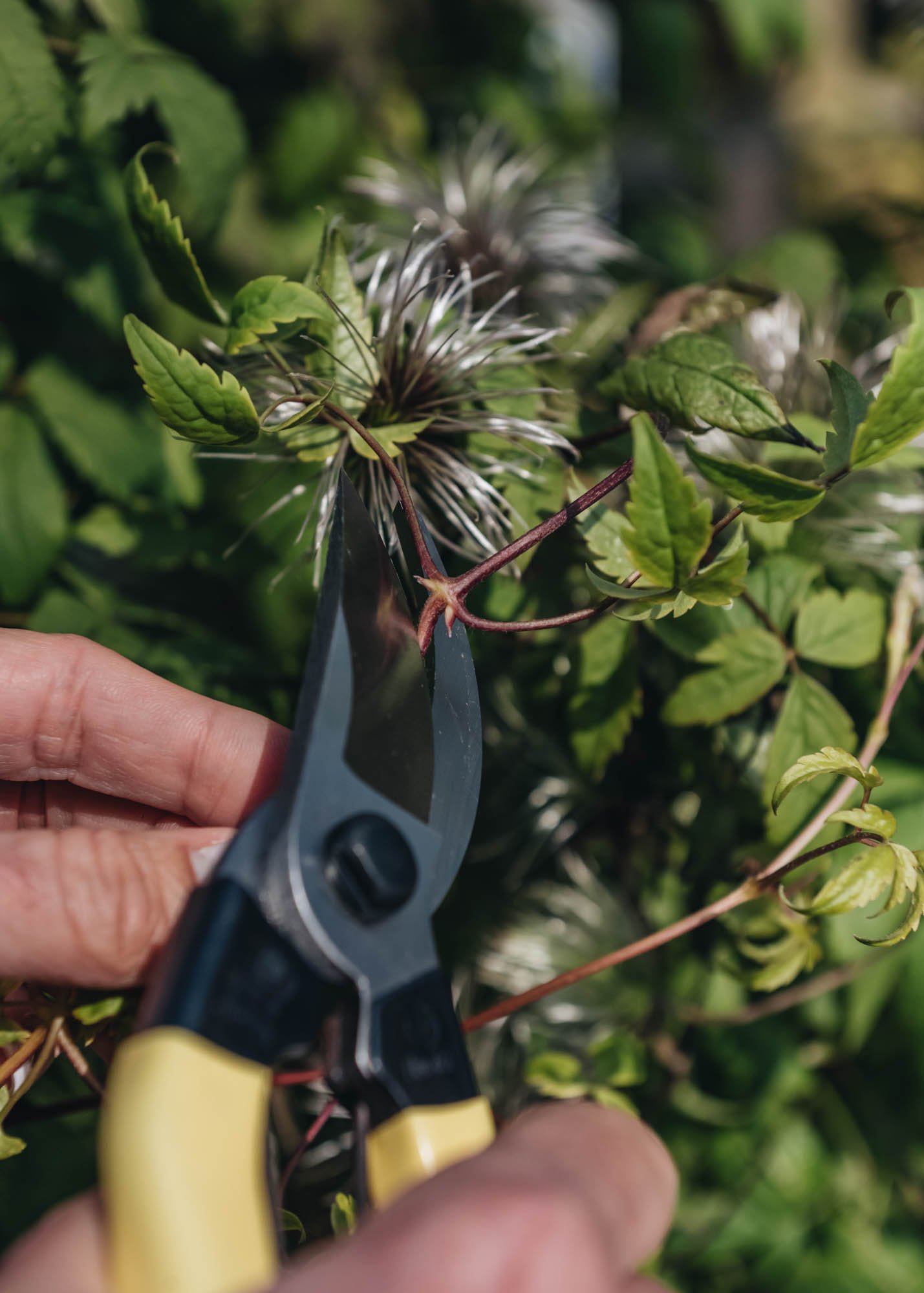
- Red Light (Group A): Stop and wait. These bloom early on last year’s stems. Prune after blooming but before midsummer.
- Yellow Light (Group B): Proceed with caution. These bloom on both old and new wood. Light pruning in spring, just above healthy buds, will do the trick.
- Green Light (Group C): Go for it! These bloom on current-season growth and benefit from a hard cutback to the ground in early spring.
A little knowledge goes a long way in making your clematis flourish instead of flounder.
3. They Need the Right Support from the Start
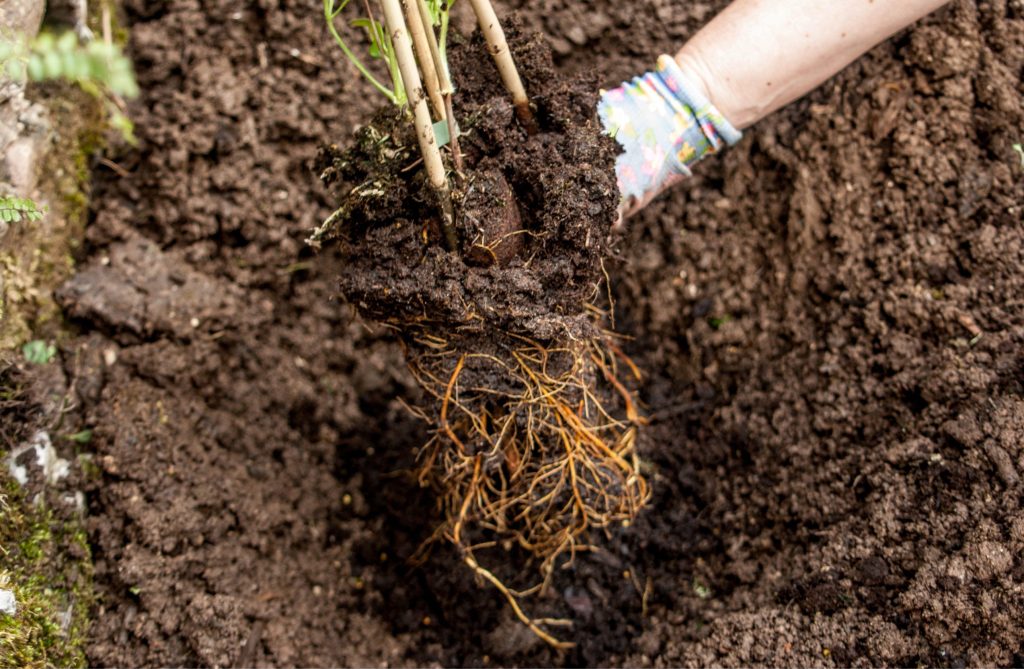
Clematis vines need something to cling to. Without support, they become tangled or simply flop. When planting, be sure to install a trellis, obelisk, or other structure immediately.
Many new plants come attached to small bamboo stakes—these are only temporary. As the plant grows, train it to your permanent support. Guide wayward stems gently and redirect them if they start climbing shrubs or wandering astray.
Planning your support structure from the beginning avoids headaches later and helps your clematis reach its full potential.
4. Do Roots Really Need Shade? Not Exactly.
You’ve probably heard the old advice: “Clematis like their heads in the sun and their feet in the shade.”
This is only partially true.
Yes, clematis roots prefer cooler soil, but that doesn’t mean crowding the plant with dense companions. In fact, planting too close to the base can:
- Compete for nutrients
- Invite slugs
- Limit airflow and increase disease risk
A better solution? Mulch.
A generous layer of organic mulch keeps roots cool, retains moisture, and prevents weed competition without suffocating the base of the plant.
5. Clematis Are Stronger Than They Look
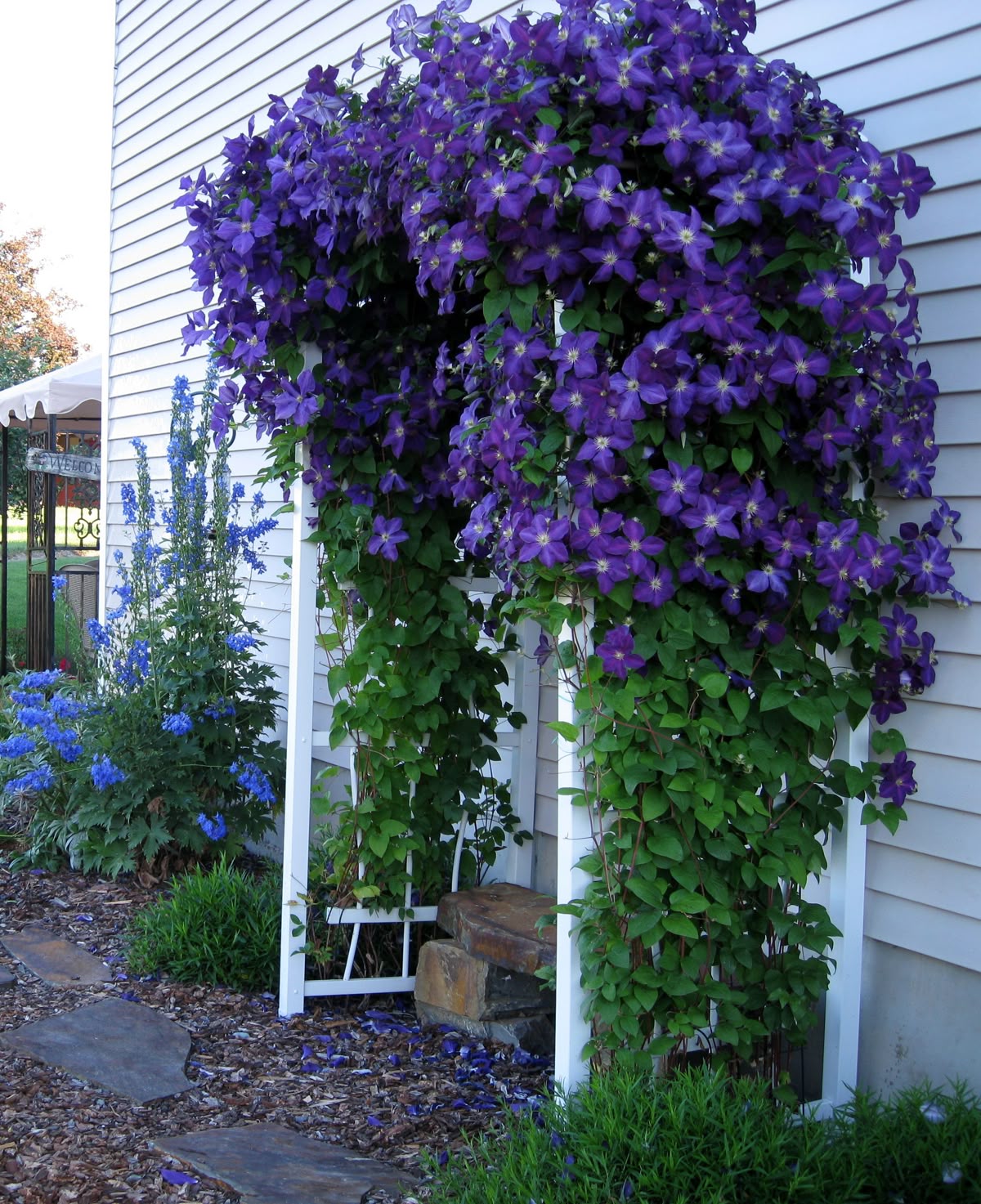
Though clematis vines look delicate, they’re surprisingly hardy. They adapt well to a variety of soils and light conditions and, once established, are relatively low-maintenance.
One common myth is clematis wilt—a mysterious disease said to cause sudden vine collapse. While it has been discussed since the 1800s, what many gardeners assume is wilt is often caused by:
- Slug or snail damage at the base
- Mechanical injury
- Environmental stress
Stay vigilant. If a stem suddenly collapses, check for slug activity and use slug bait if needed. Quick action can save the rest of your vine.
Conclusion
From Fragile to Flourishing—Your Clematis Success Story Starts Now
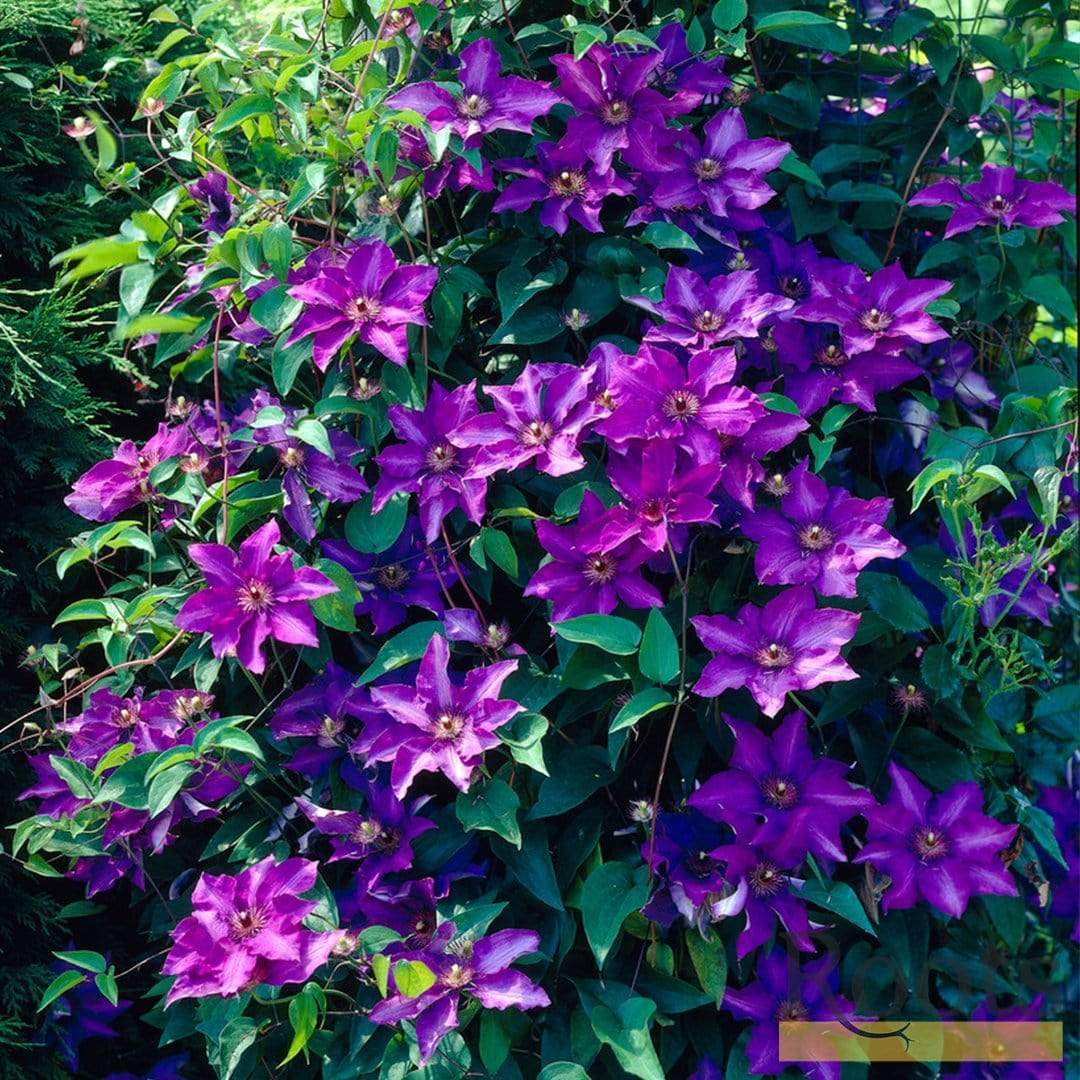
Growing clematis doesn’t require luck or advanced gardening skills. It simply takes the right knowledge and a willingness to try.
By selecting the right variety, understanding pruning groups, providing proper support, protecting the roots smartly, and ignoring old myths, you’ll transform clematis from intimidating to inspiring.
Which tip are you most excited to try first? Let us know in the comments!
Happy gardening!
