
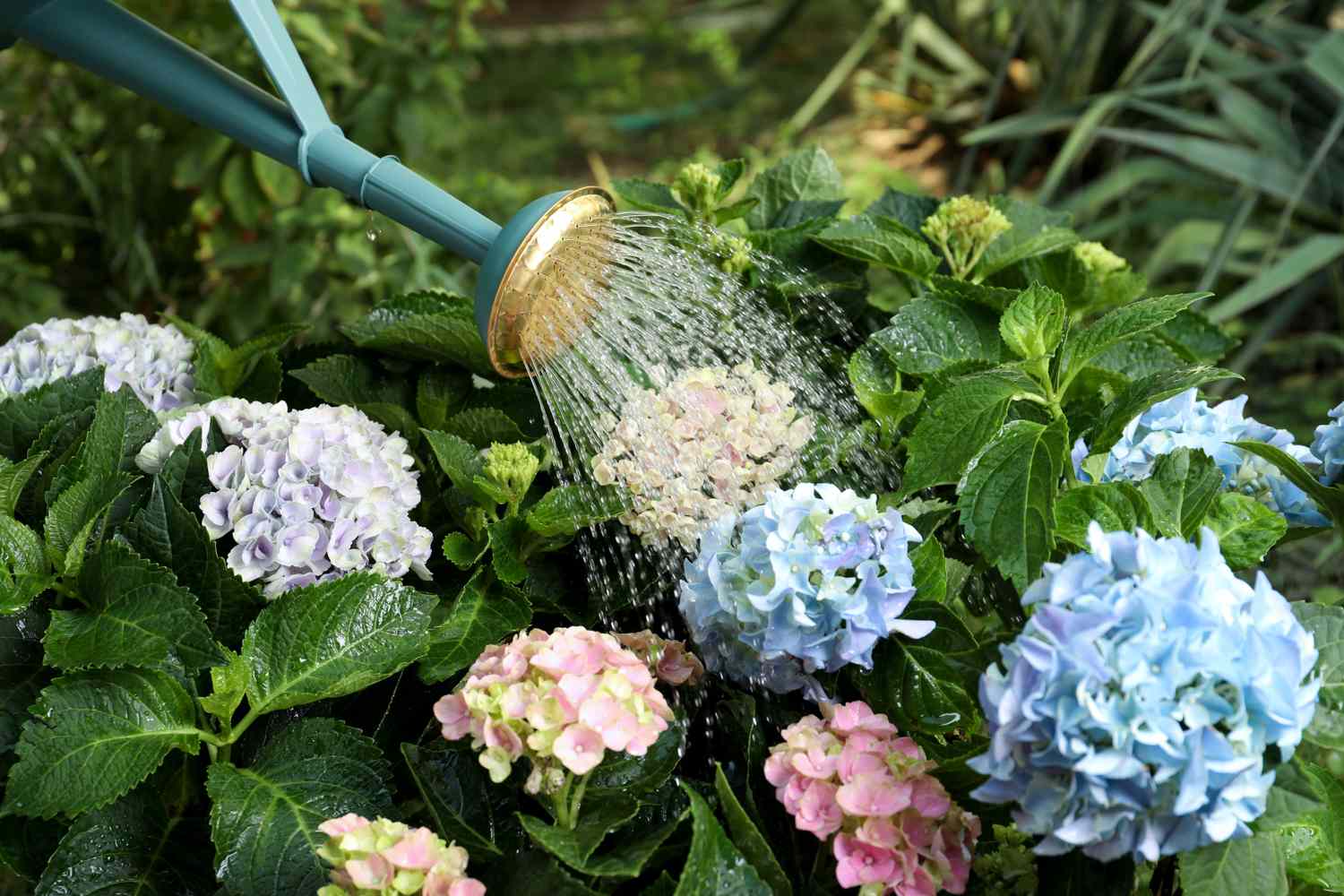
Stop planting hydrangeas the wrong way. That might sound dramatic, but if your hydrangeas look more wilted than wonderful, you’re not alone. Each year, thousands of gardeners unknowingly make simple yet critical mistakes that cost them not only time and money but also the joy of those big, beautiful hydrangea blooms. Here’s the good news: most of these mistakes are easy to fix once you know what to look for. So let’s dig in and turn your garden around—literally.
Contents
Mistake #1: Planting in the Wrong Soil & Location
Hydrangeas are picky yet rewarding. Get the soil and location wrong, and no matter what else you do, they won’t thrive.
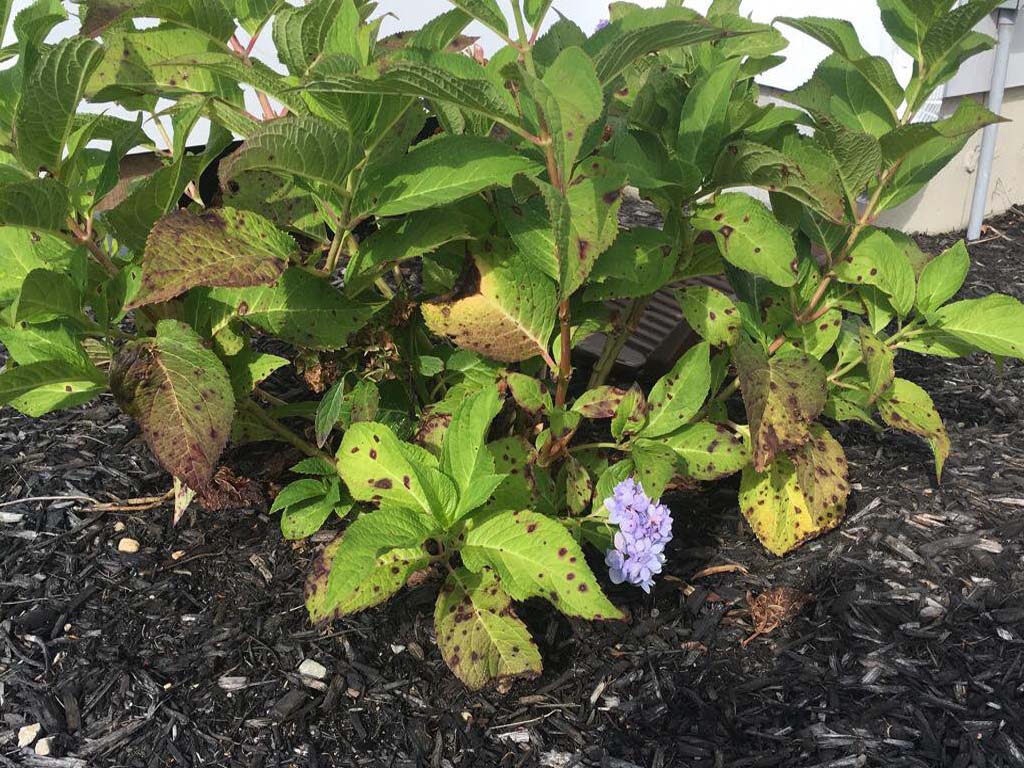
- Soil Solution: Hydrangeas prefer well-draining, nutrient-rich soil. Think of soil like a sponge: it should hold moisture but not drown roots. If you have clay or sandy soil, mix in compost, leaf mold, and organic matter.
- Location Tip: Morning sun and afternoon shade is ideal. Full sun scorches the leaves; deep shade stunts the blooms. Observe your garden’s light pattern before planting.
Real Example: I once planted a hydrangea in full sun all day long. Within weeks, the leaves crisped and curled. Once moved to a shadier spot, it bounced back with vibrant blooms.
Mistake #2: Watering Too Shallowly
You might be watering your hydrangeas regularly, but are you doing it right?
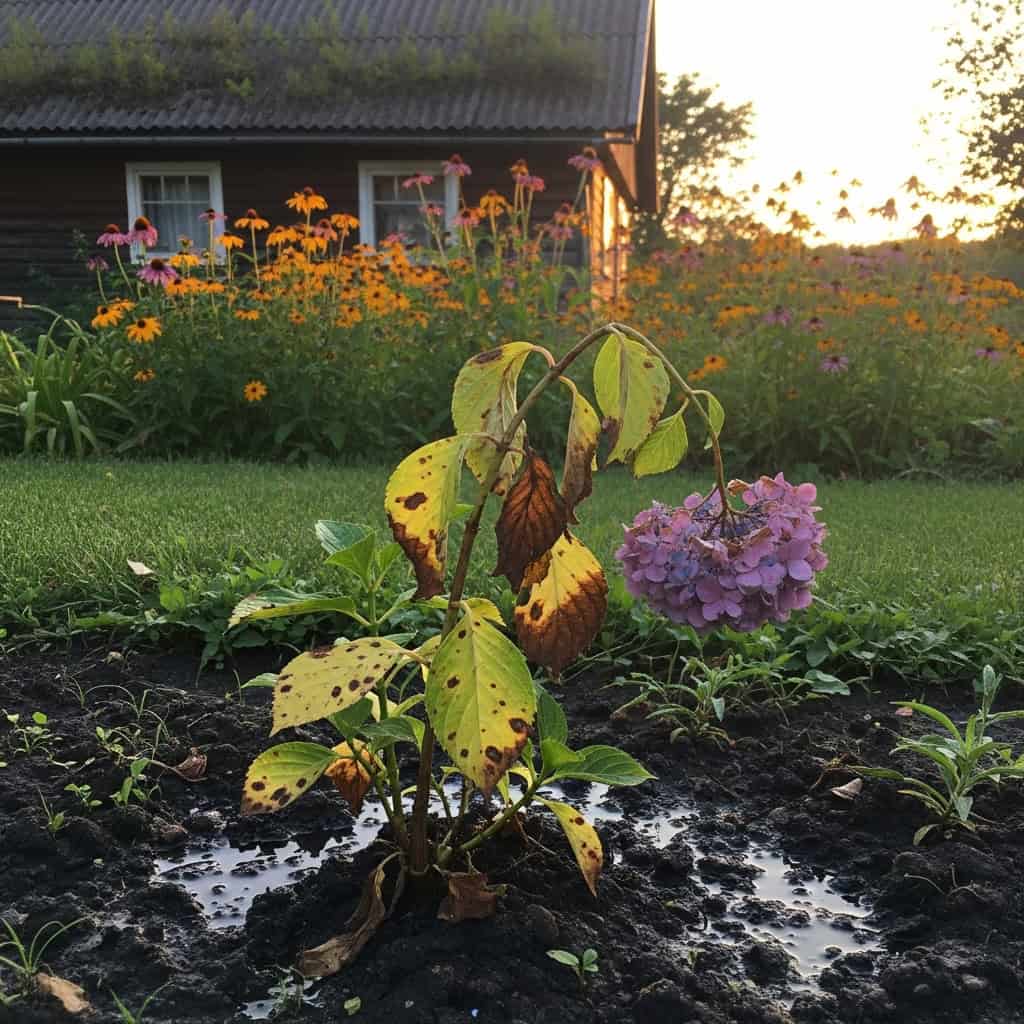
- Shallow Sprinkles Don’t Cut It: Quick surface watering dries out roots. Hydrangeas need deep, thorough soaks 2–3 times a week.
- Use Soaker Hoses or Drip Irrigation: This ensures water reaches deep roots instead of just dampening the topsoil.
- Mulch Magic: A 2-3 inch layer of mulch retains moisture and cools the root zone. Just don’t pile it against the crown.
Real Example: My early watering routine mimicked lawn care—quick sprays. The result? Drooping plants every afternoon. A switch to deep watering transformed their health.
Mistake #3: Pruning at the Wrong Time
Hydrangeas aren’t one-size-fits-all when it comes to pruning.
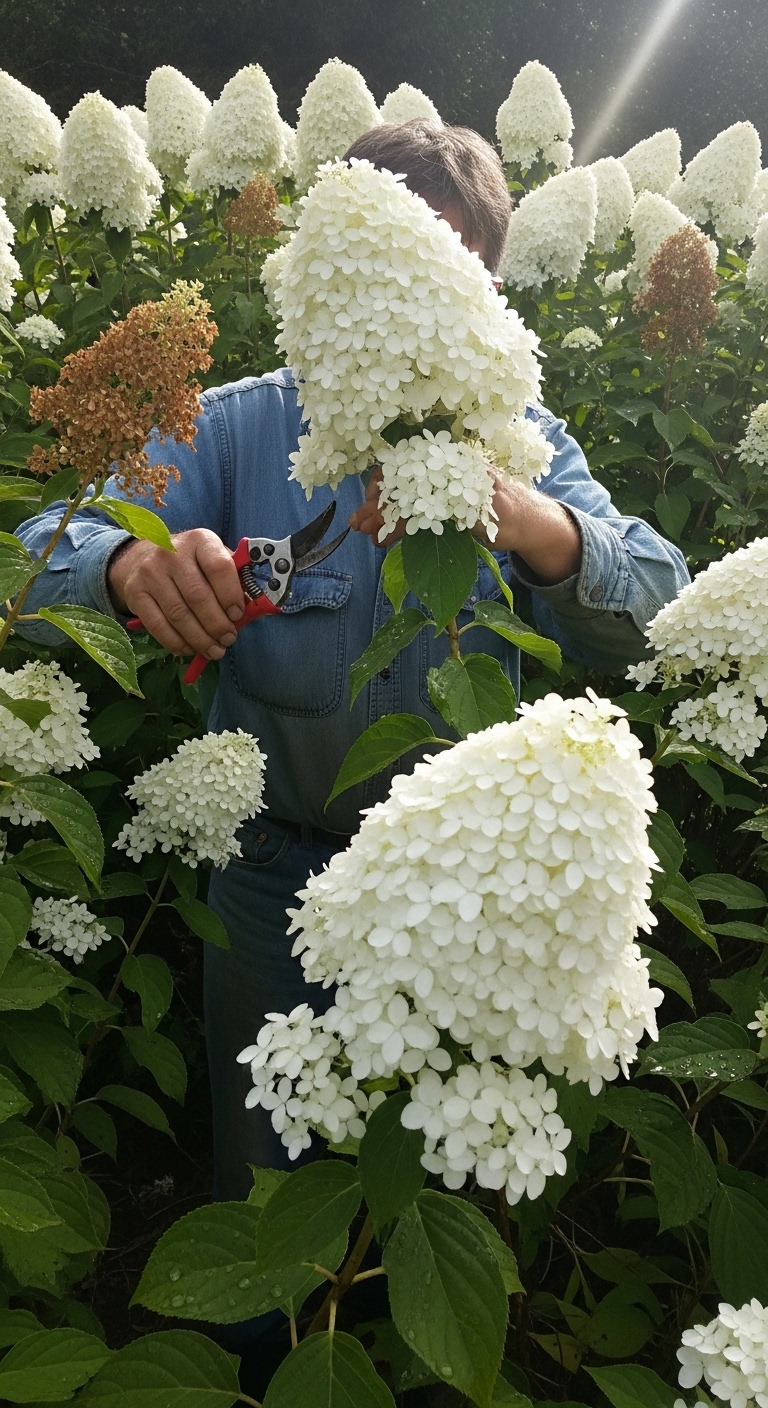
- Know Your Type:
- Bigleaf & Oakleaf Hydrangeas bloom on old wood (last year’s growth). Prune right after they flower.
- Panicle & Smooth Hydrangeas bloom on new wood (this year’s growth). Prune in late winter or early spring.
Real Example: I once pruned a Bigleaf hydrangea in early spring. That year? Not a single bloom. Don’t make the same mistake.
Mistake #4: Over-Fertilizing or Ignoring Soil pH
Too much of a good thing can harm your hydrangeas.
- Balanced Feeding: Avoid nitrogen-rich fertilizers. Use a slow-release balanced blend (like 10-10-10) in early spring and midsummer.
- pH and Bloom Color: Acidic soil (pH <6) turns Bigleaf hydrangeas blue; alkaline (pH >7) turns them pink.
Real Example: Two hydrangeas side by side, same care—one bloomed blue, the other pink. Why? The pH was different. Test your soil to manage bloom color.
Mistake #5: Planting Too Deep or Too Close
Planting depth and spacing are easy to get wrong—and hard to fix later.
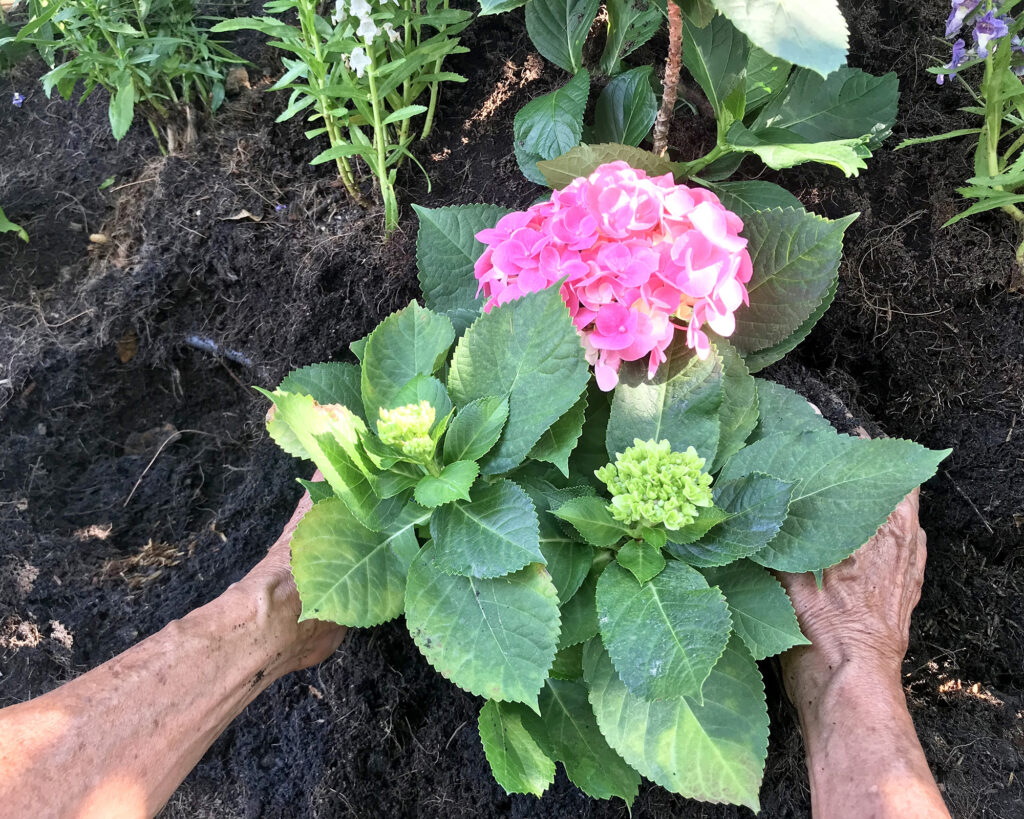
- Crown Level Matters: The base (crown) should be level with the soil, not buried. Deep planting invites rot.
- Spacing Counts: Depending on variety, space plants 3 to 10 feet apart. Crowding leads to poor airflow and disease.
Real Example: I planted hydrangeas in a tight triangle. Year one: stunning. Year three: overcrowded and diseased. Proper spacing saved them.
Bonus Pro Tips
- Test Your Soil: Know your pH and drainage.
- Use Mulch: It conserves water and controls weeds.
- Avoid Tree Roots: They compete for nutrients and water.
- Protect from Frost: Late frosts can damage buds. Use frost cloth if needed.
Conclusion: Your Hydrangea Comeback Starts Now
Growing hydrangeas doesn’t have to be a mystery. Avoid these five common mistakes, and your garden will reward you with breathtaking blooms that last all season long. Remember: test your soil, water deeply, prune with purpose, feed wisely, and give your plants space to grow.
Ready to see the difference? Go check your hydrangeas right now. Fix one mistake at a time. And if this guide helped, don’t forget to bookmark it, share it with fellow gardeners, and subscribe for more weekly plant wisdom.
FAQs
Q1: Why are my hydrangeas just green leaves with no flowers?
This usually results from pruning at the wrong time or over-fertilizing with nitrogen-rich products.
Q2: Can I change the color of my hydrangea blooms?
Yes! For Bigleaf hydrangeas, lower pH with aluminum sulfate for blue blooms, raise pH with lime for pink.
Q3: How often should I water hydrangeas in summer?
Deeply soak 2–3 times per week, depending on heat and soil conditions.
Q4: What’s the best time to plant hydrangeas?
Early spring or fall is best. Avoid planting during peak summer heat.
Q5: Do hydrangeas grow well in pots?
Yes, especially dwarf varieties. Use a large container with good drainage and quality soil.
