
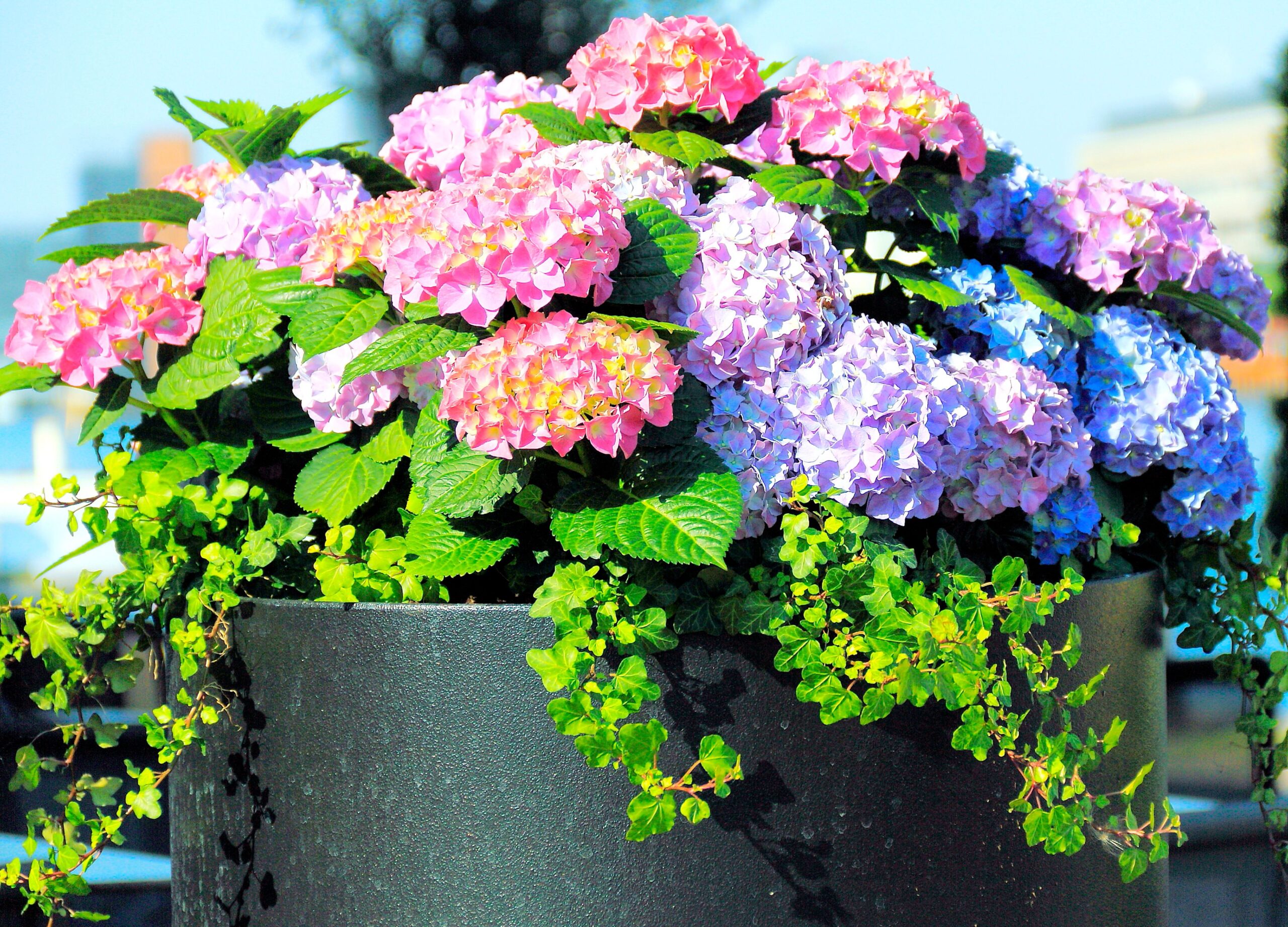
Hydrangeas are beloved for their lush blooms and ability to light up the summer garden like few other shrubs can. Yet many gardeners shy away from planting them. The reason? Their reputation for being finicky and unpredictable.
While it’s true that some hydrangea types demand careful care and perfect conditions, there are others that practically grow themselves. If you’ve ever wanted to enjoy the drama and charm of hydrangeas without the headaches, you’re in the right place.
In this guide, we’ll explore three hydrangea varieties that are hardy, reliable bloomers, and wonderfully easy to maintain. Whether you’re a beginner or simply want low-maintenance beauty, these choices will deliver year after year.
Contents
1. Oakleaf Hydrangea (Hydrangea quercifolia)
Why It’s a Winner
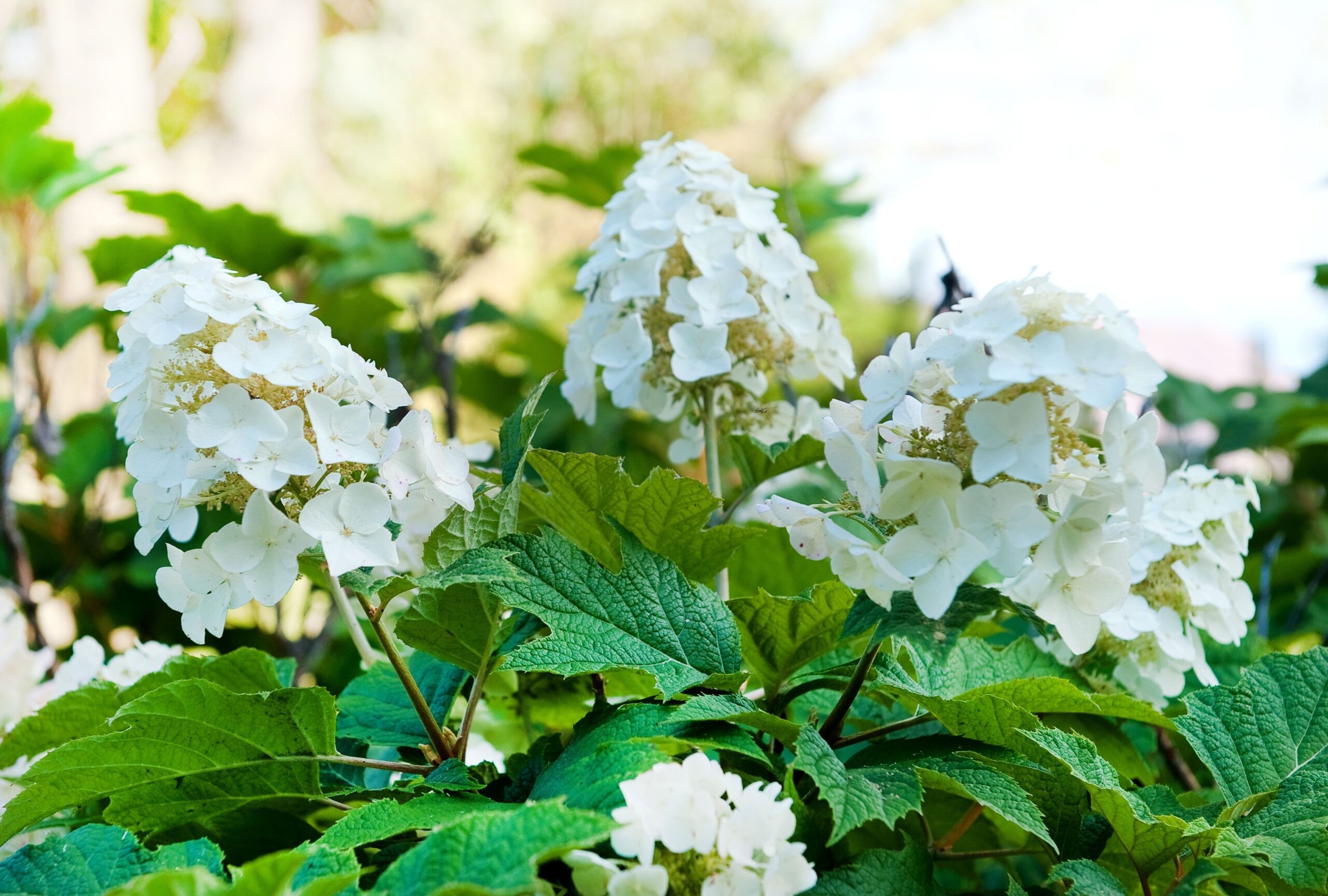
Named for its large, oak-shaped leaves—sometimes over 12 inches across—the Oakleaf Hydrangea is more than just a summer bloomer. It offers true multi-season interest. In autumn, those dramatic leaves turn brilliant shades of red and burgundy, extending garden color well into fall.
Tough and Adaptable
This is one of the few hydrangeas that can thrive in both sun and shade, tolerate dry soil, and resist common pests and diseases. It’s a true survivor, making it a top choice for gardeners in variable climates.
Blooming Power
In early summer, Oakleaf Hydrangea produces large cone-shaped blooms—often up to a foot long. These start off white, then age to shades of pink or deep red. Because it blooms on old wood (buds formed the previous year), you can count on flowers every summer, even after cold winters.
Care Tip: Avoid heavy pruning. Simply remove spent blooms after flowering if you prefer a tidier look.
Variety Highlights:
-
Tall forms up to 10 feet for bold backdrops
-
Compact varieties around 3 feet for smaller spaces
2. Panicle Hydrangea (Hydrangea paniculata)
Versatile and Forgiving
Panicle hydrangeas are just as easy to grow as Oakleaf types, with an added bonus: they come in both shrub and tree forms. This flexibility makes them perfect for a variety of landscape uses—from focal points to privacy hedges.
Sun-Loving and Drought-Tolerant
These hydrangeas handle full sun without wilting and can tolerate drier soil conditions that would stress other varieties. They bloom on new wood, so even the harshest winters won’t affect their flowering.
Long-Lasting Blooms
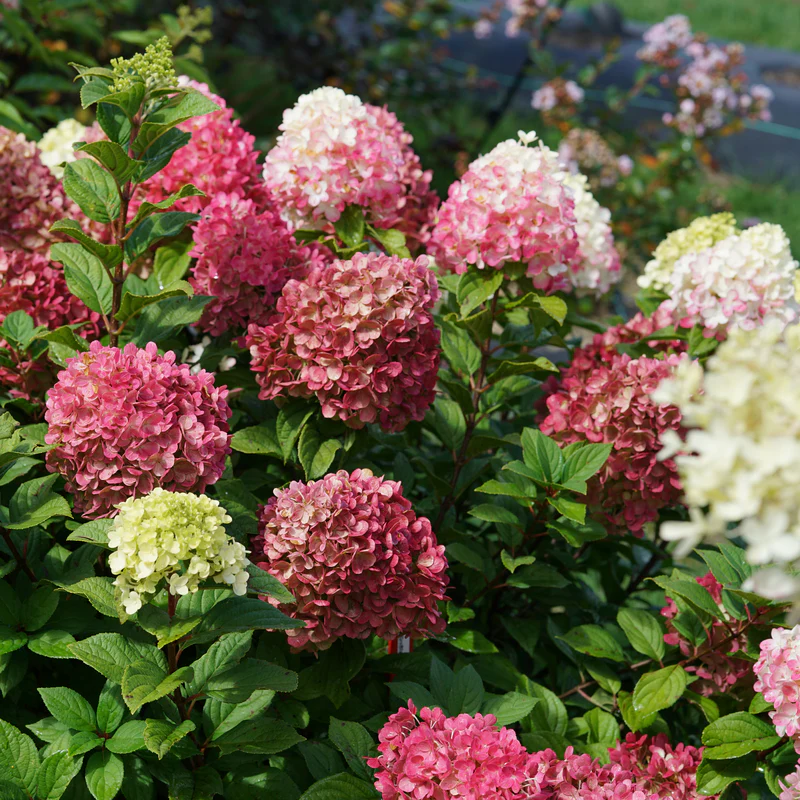
Panicle hydrangeas produce huge, football-shaped clusters of flowers that open in white or green, then fade to pink, red, or even burgundy as the season progresses—lasting right up to frost.
Popular Choices:
-
Limelight – Celadon green blooms that turn white, then pink; up to 8 feet tall.
-
Quick Fire – Blooms earlier than most, a pollinator favorite.
-
Bobo – A compact 3-foot variety perfect for small gardens.
Care Tip: Light spring pruning will shape the plant and encourage vigorous growth.
3. Smooth Hydrangea (Hydrangea arborescens)
Native Beauty
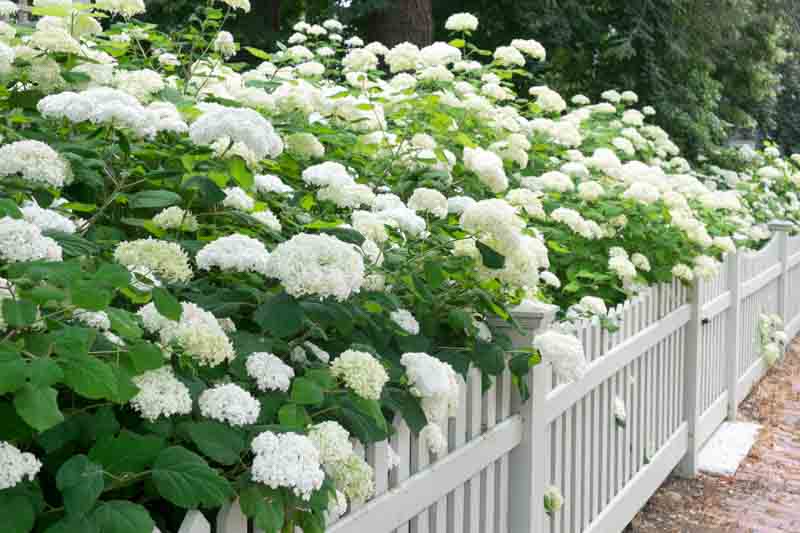
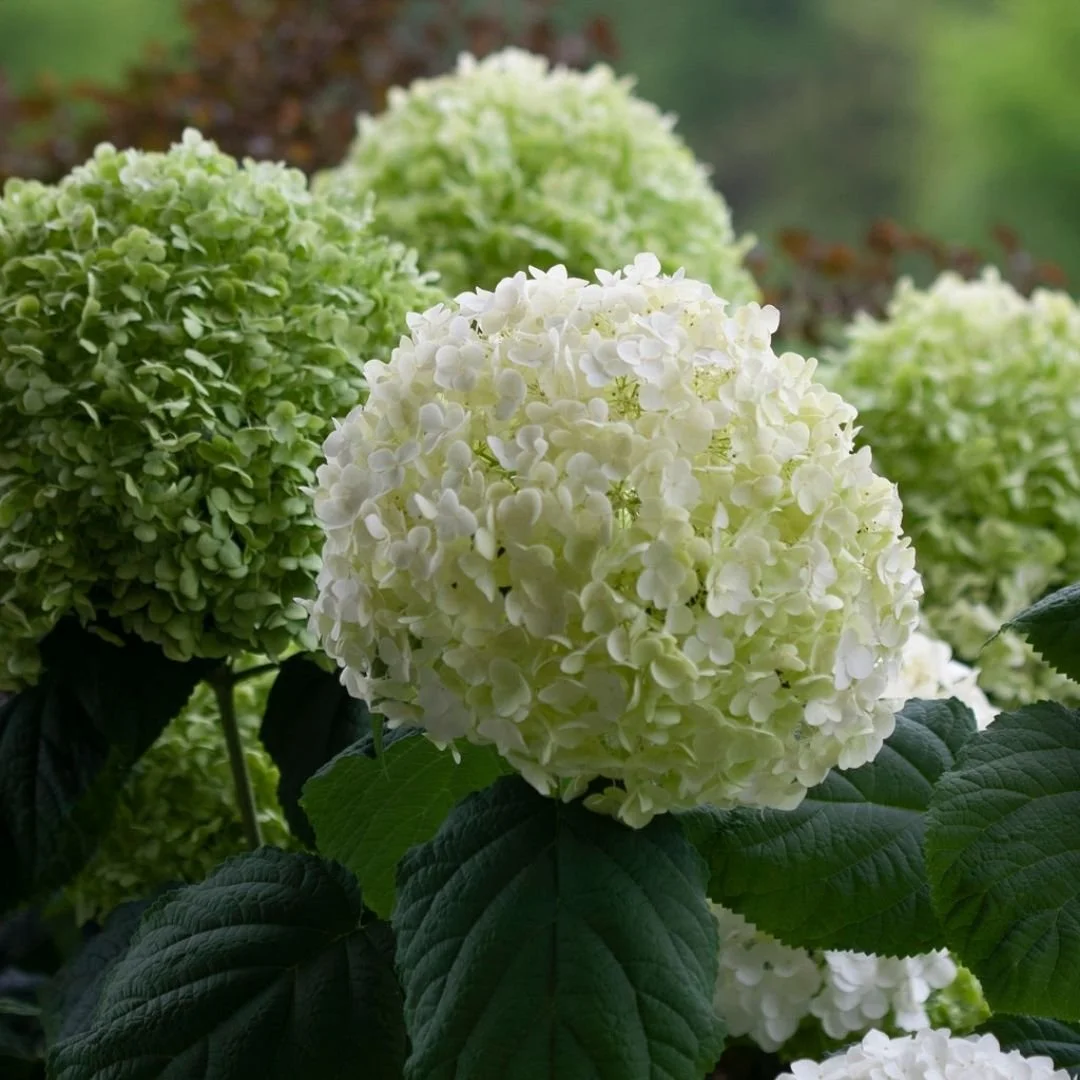
Also called wild hydrangea, this U.S. native offers massive blooms—sometimes the size of basketballs—that start white and mature to soft green, holding their beauty until frost.
Reliable Across Climates
Smooth hydrangeas are a favorite in southern gardens for their heat tolerance but are also remarkably cold-hardy, thriving in northern zones. They bloom on new wood, ensuring flowers every summer.
Variety Highlights:
-
‘Annabelle’ – Classic choice, though stems may need staking to support heavy blooms.
-
‘Incrediball’ – Improved variety with sturdier stems and oversized flowers.
Care Tip: Prune in late winter or early spring to promote strong stems and abundant blooms. Expect plants to grow about 4–5 feet tall and wide.
Why Not Mophead or Mountain Hydrangeas?
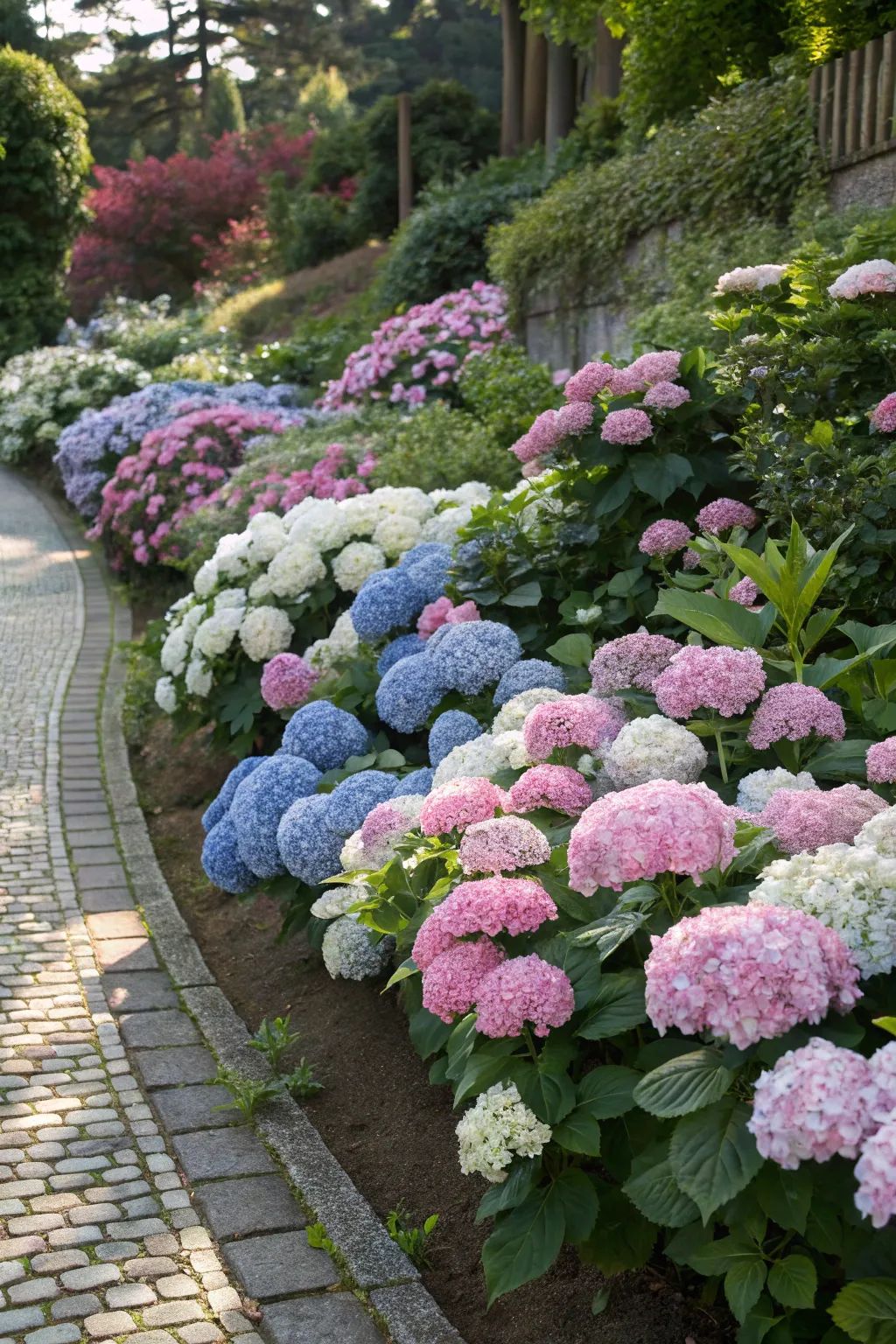
The familiar blue, pink, or purple hydrangeas (Hydrangea macrophylla and Hydrangea serrata) are undeniably beautiful—but they can be fussy. They often require partial shade, consistent moisture, and mild winters to bloom reliably. Many bloom only on old wood, so a late frost or cold snap can wipe out flowers for the year.
For beginners, or for gardeners who value low maintenance, Oakleaf, Panicle, and Smooth hydrangeas are a much safer bet.
Planting & Care Tips for Success
-
Soil Prep: Enrich planting holes with organic matter.
-
Fertilizing: Apply a balanced fertilizer in spring to encourage healthy growth.
-
Mulching: Helps retain moisture and regulate soil temperature.
-
Pruning: Follow species-specific guidelines to avoid removing flower buds.
Final Thoughts
Hydrangeas don’t have to be high-maintenance divas. By choosing the right varieties—Oakleaf, Panicle, or Smooth—you can enjoy months of spectacular blooms with minimal fuss.
Your Turn: Have you grown hydrangeas in your garden? Which variety has been your easiest success? Share your experiences in the comments below—you might inspire another gardener’s next favorite plant!
