
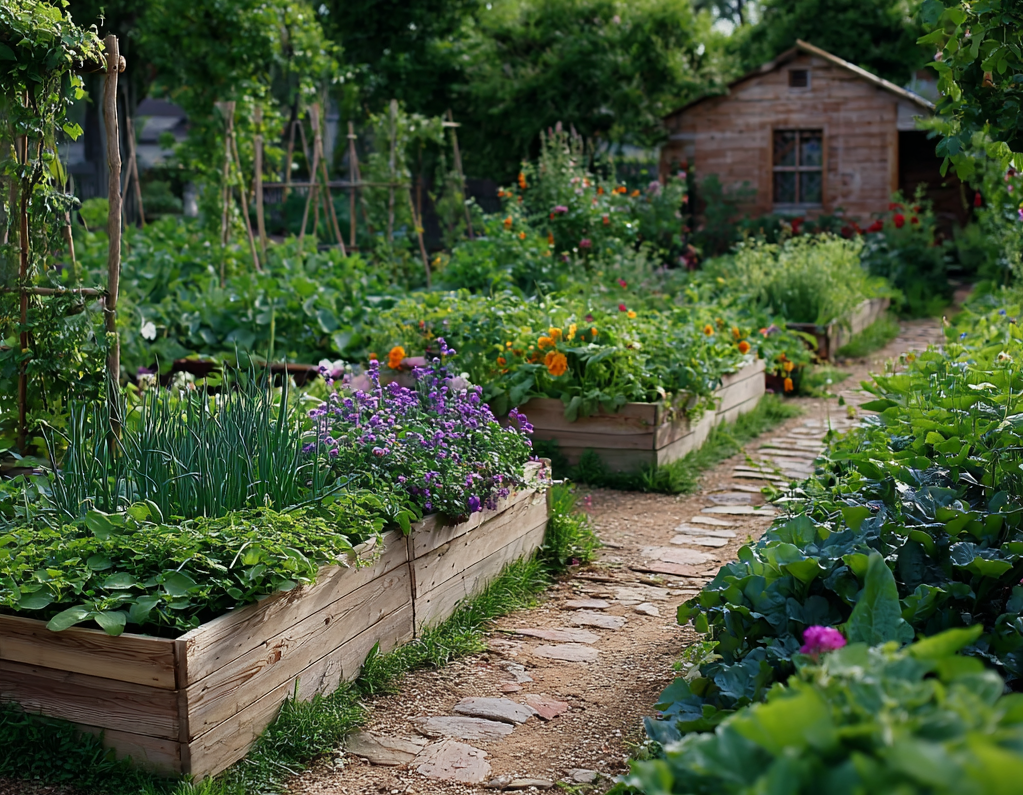
Short days and cooler air don’t have to shrink the harvest. With the right ideas, fall can become the season your garden thrives the most. Raised beds, tiered layouts, and bold greens turn any space into a fresh food paradise.
Which setup brings the biggest harvests? How can lights, trellises, or greenhouses boost results? Start reading and explore all 16 ideas.
Contents
- 1 #1. Build Raised Beds for Easy Autumn Gardening
- 2 #2. Design a Charming Potager Vegetable Garden
- 3 #3. Set Up a Tiered Garden for Small Spaces
- 4 #4. Grow Fall Veggies in Stylish Planters
- 5 #5. Blend Vegetables into Your Landscape Design
- 6 #6. Add Garden Lighting for Fall Evenings
- 7 #7. Divide Your Garden into Functional Zones
- 8 #8. Install a Trellis for Climbing Vegetables
- 9 #9. Brighten the Space with Bold Leafy Greens
- 10 #10. Use Planting Sections for Easy Rotation
- 11 #11. Combine Crops for a Lush Fall Garden
- 12 #12. Extend the Season with a Small Greenhouse
- 13 #13. Turn Your Patio into a Veggie Oasis
- 14 #14. Add a Fence for Structure and Protection
- 15 #15. Grow Vegetables in Traditional Ground Beds
- 16 #16. Install a Smart Watering System
- 17 Wrapping Up
#1. Build Raised Beds for Easy Autumn Gardening
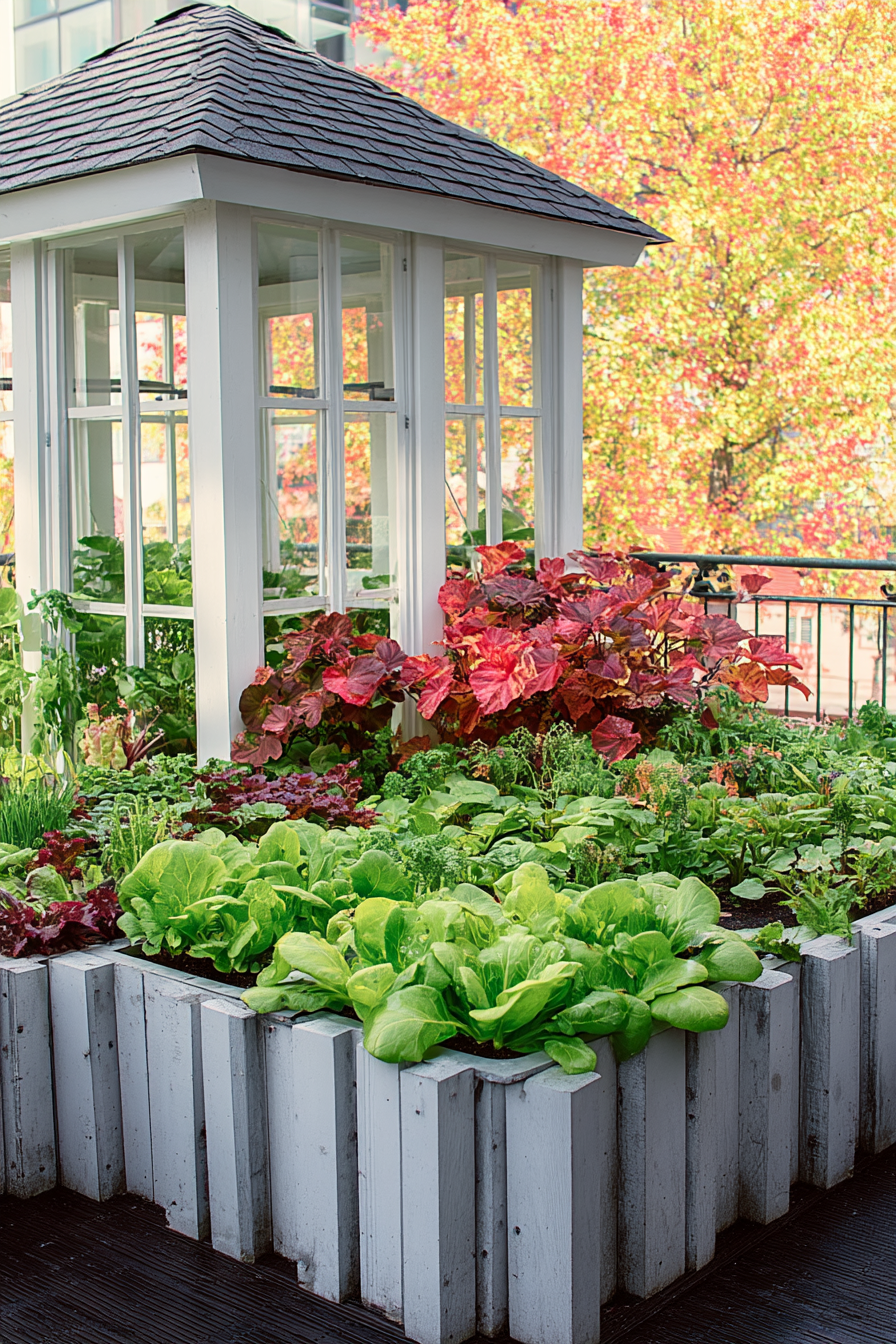
Raised beds offer a simple way to grow more vegetables in the fall. They warm up faster than ground soil, making them ideal for cool-season crops. You can also control the soil quality with ease.
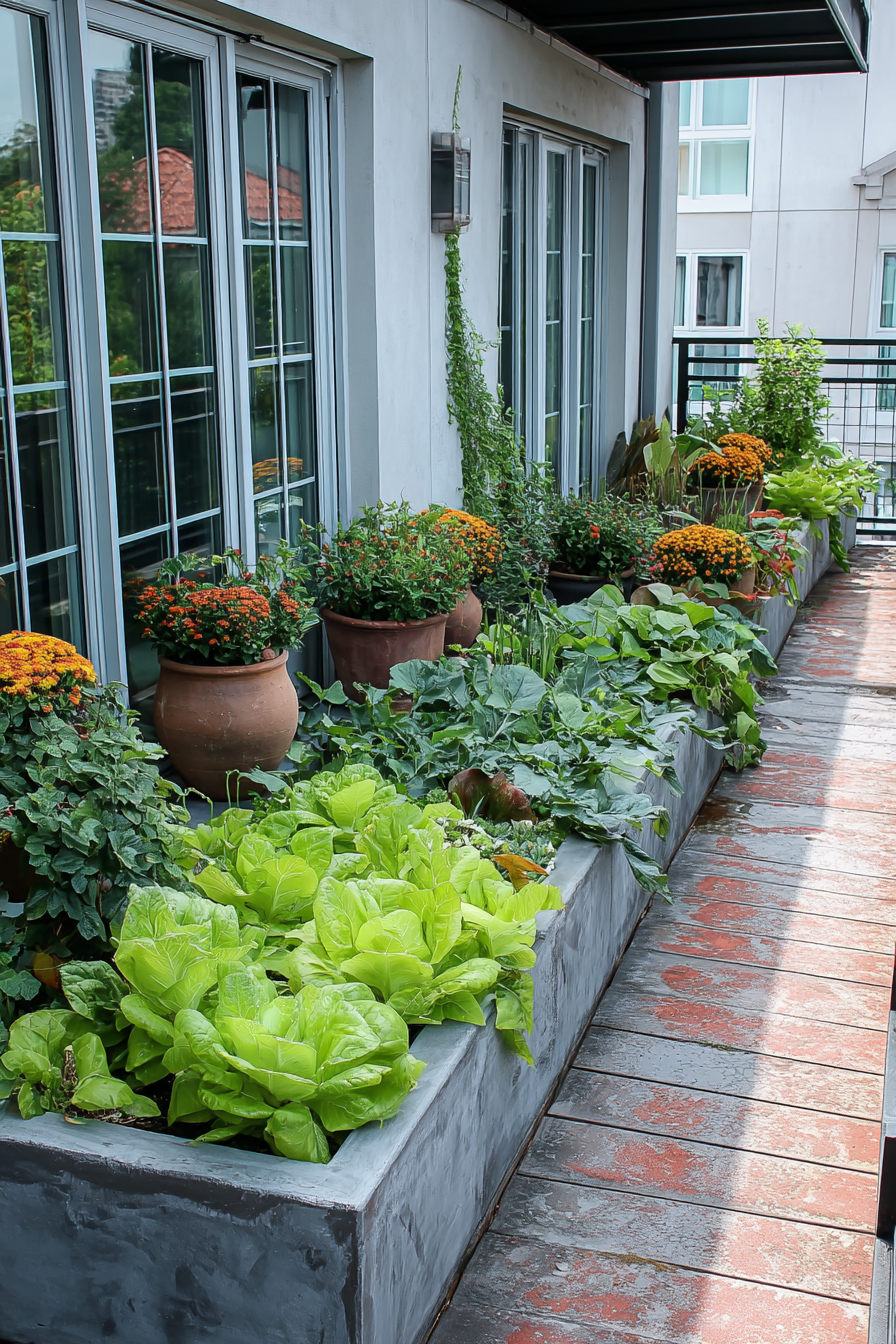
Plant hardy vegetables like spinach, kale, carrots, beets, and radishes. Raised beds also help reduce weeds and improve drainage. Great for both small yards and large spaces.
#2. Design a Charming Potager Vegetable Garden
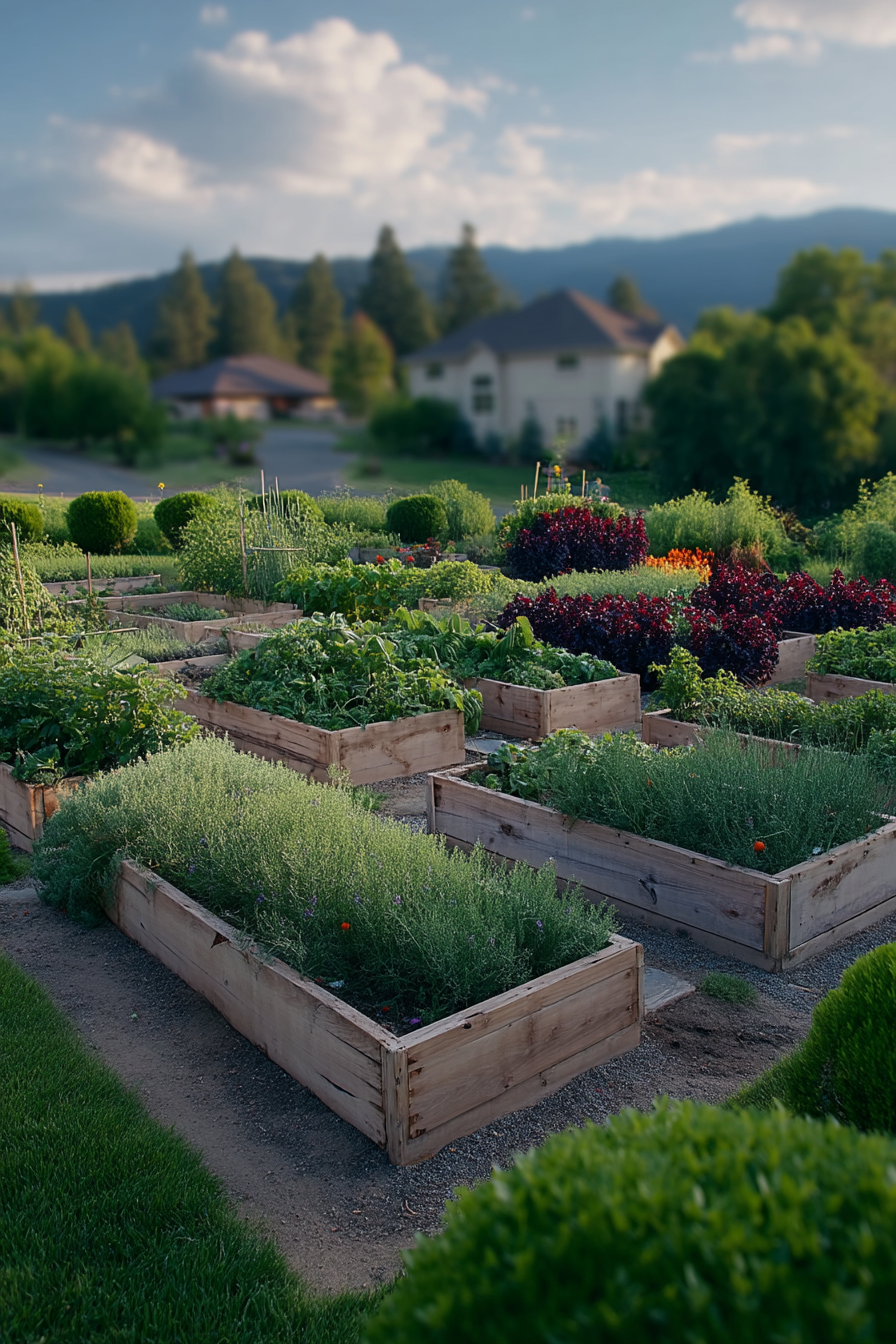
A potager vegetable garden blends beauty and purpose. This French-inspired design uses raised beds arranged in neat patterns. Gravel paths between beds keep the layout tidy and reduce weed growth.
Adding trellis supports for climbing vegetables and saves space. The gravel paths also improve drainage and prevent muddy walkways. Movement between beds becomes easier and cleaner.
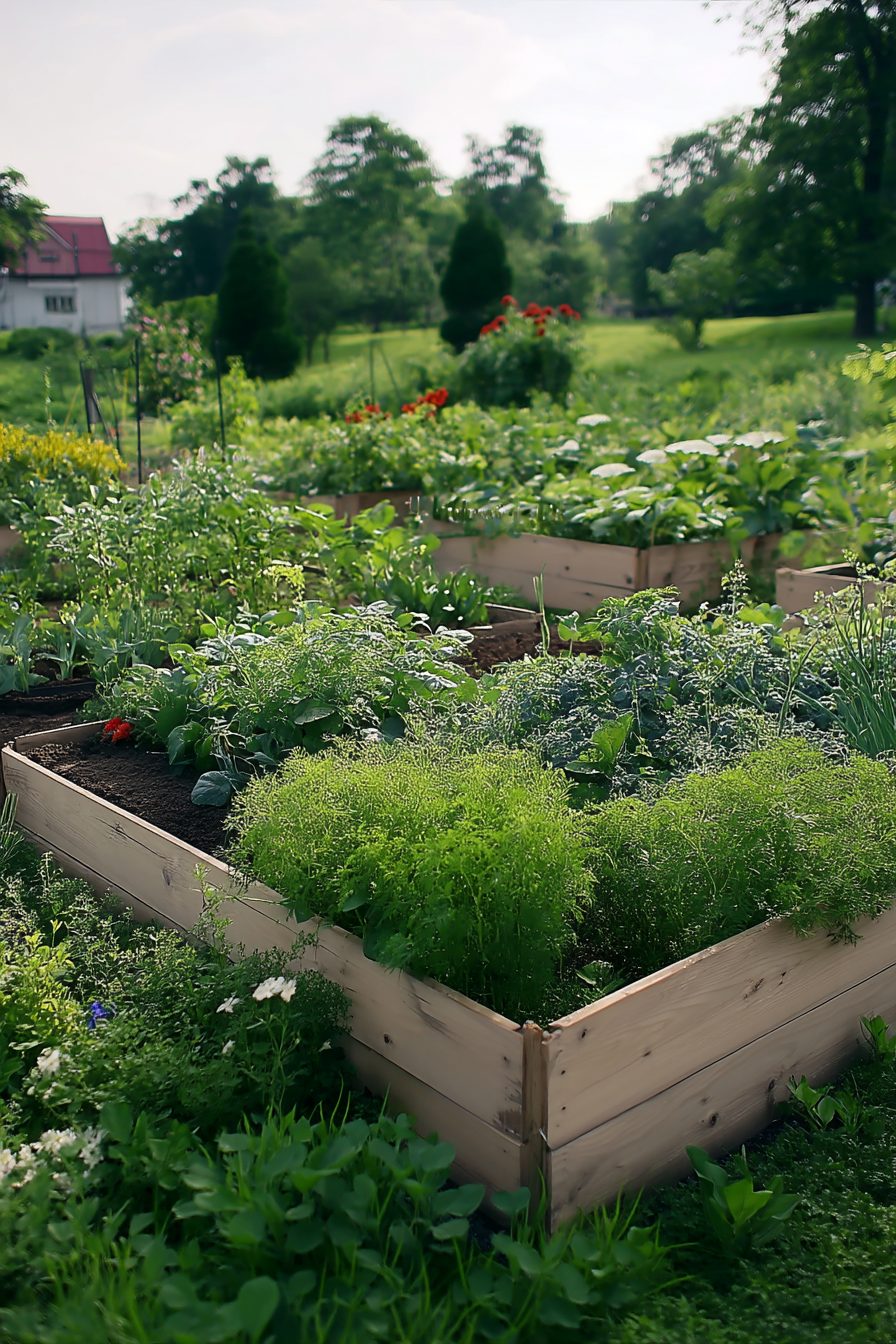
This style works well for fall gardening. It organizes crops, controls pests, and adds charm. Raised beds warm up faster in cooler weather, helping vegetables grow strong.
#3. Set Up a Tiered Garden for Small Spaces
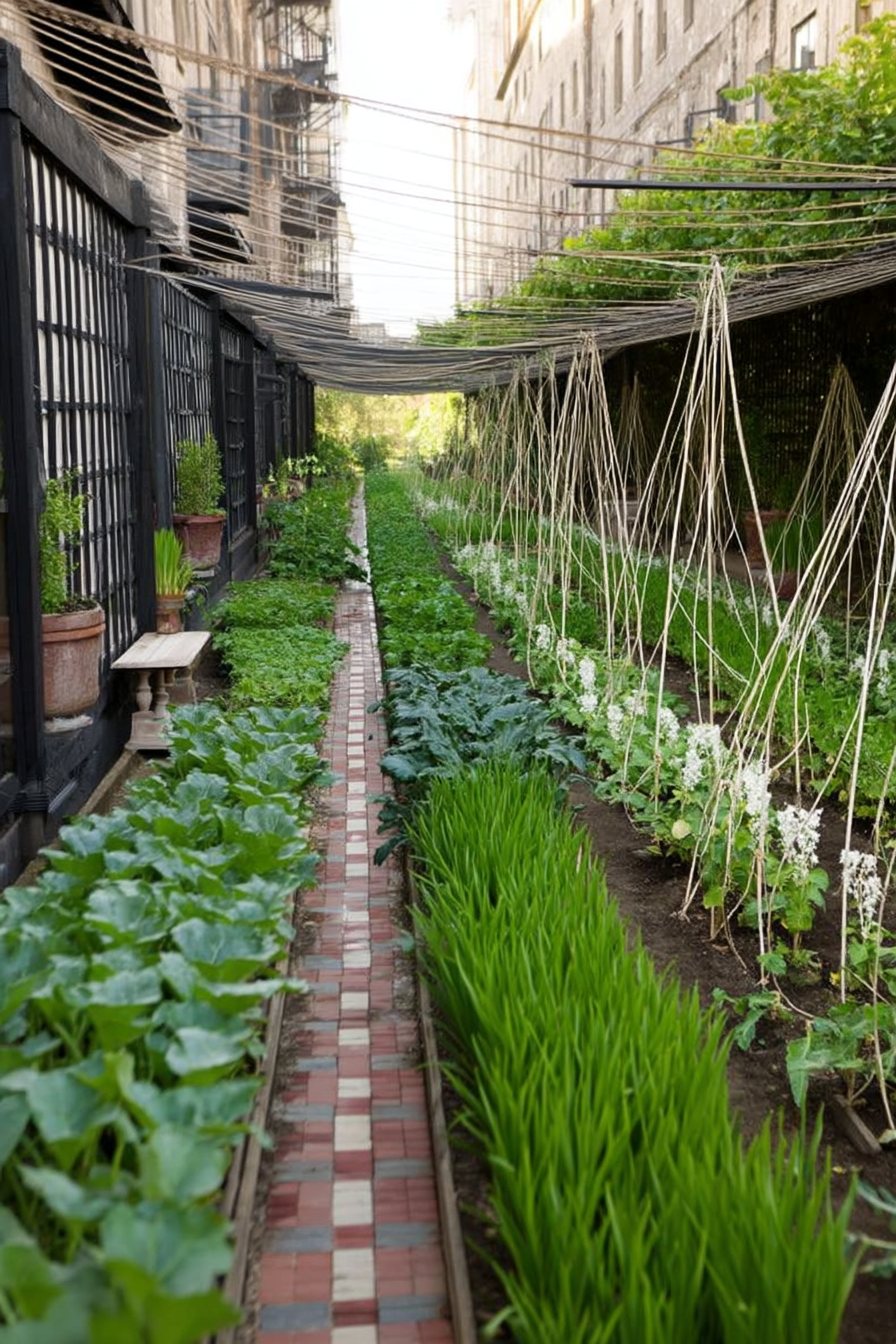
A tiered garden makes smart use of uneven or sloped land. Instead of leveling the area, stack planters or build step-like tiers to follow the natural incline. Thanks to this layout, you can bring depth and structure to compact spaces.
You can create levels by trenching the slope or using vertical planters. You can help the garden blend into its surroundings with wooden or stone materials.
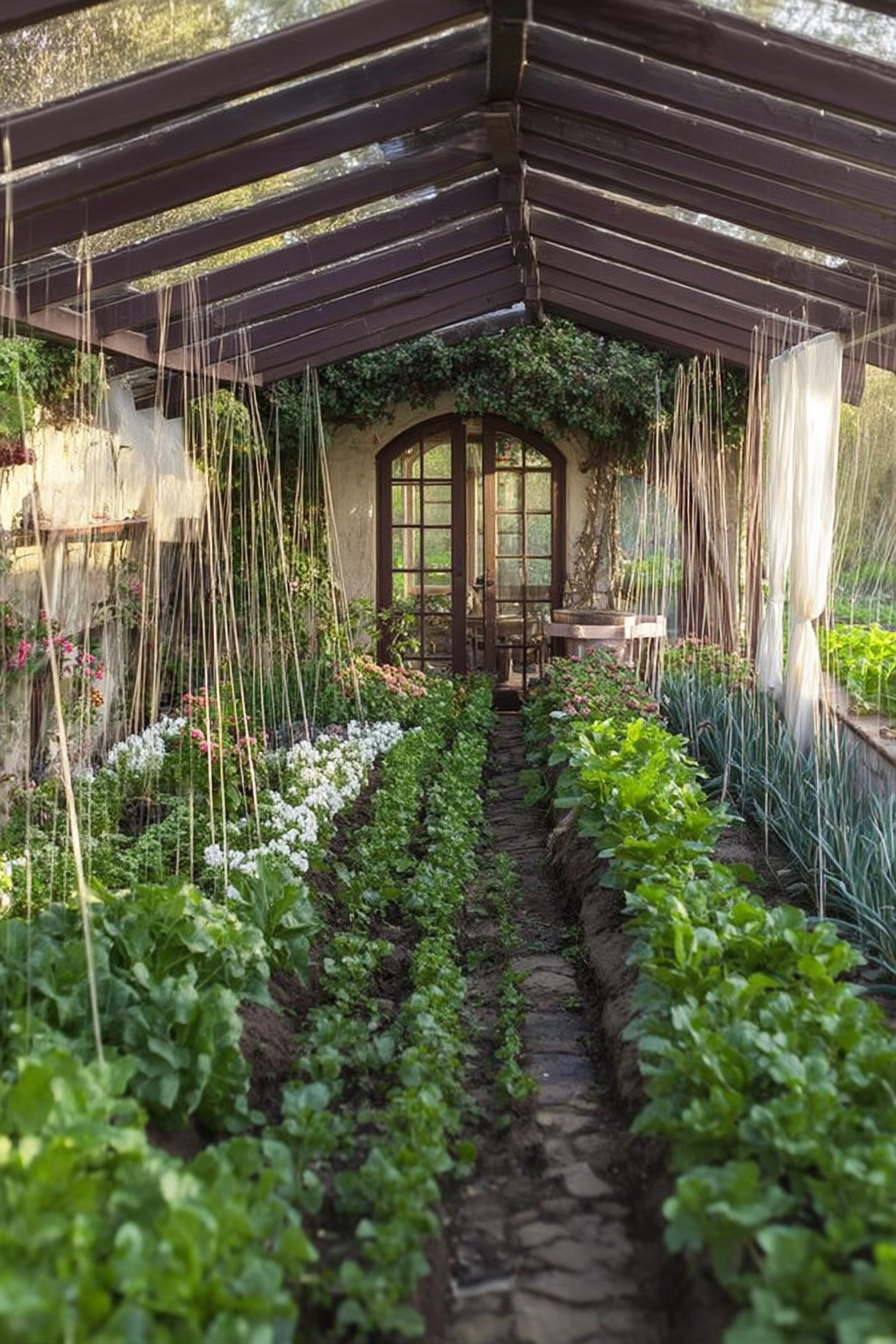
This design looks clean and improves water flow and sunlight exposure. It’s perfect for growing multiple fall crops in one space.
#4. Grow Fall Veggies in Stylish Planters
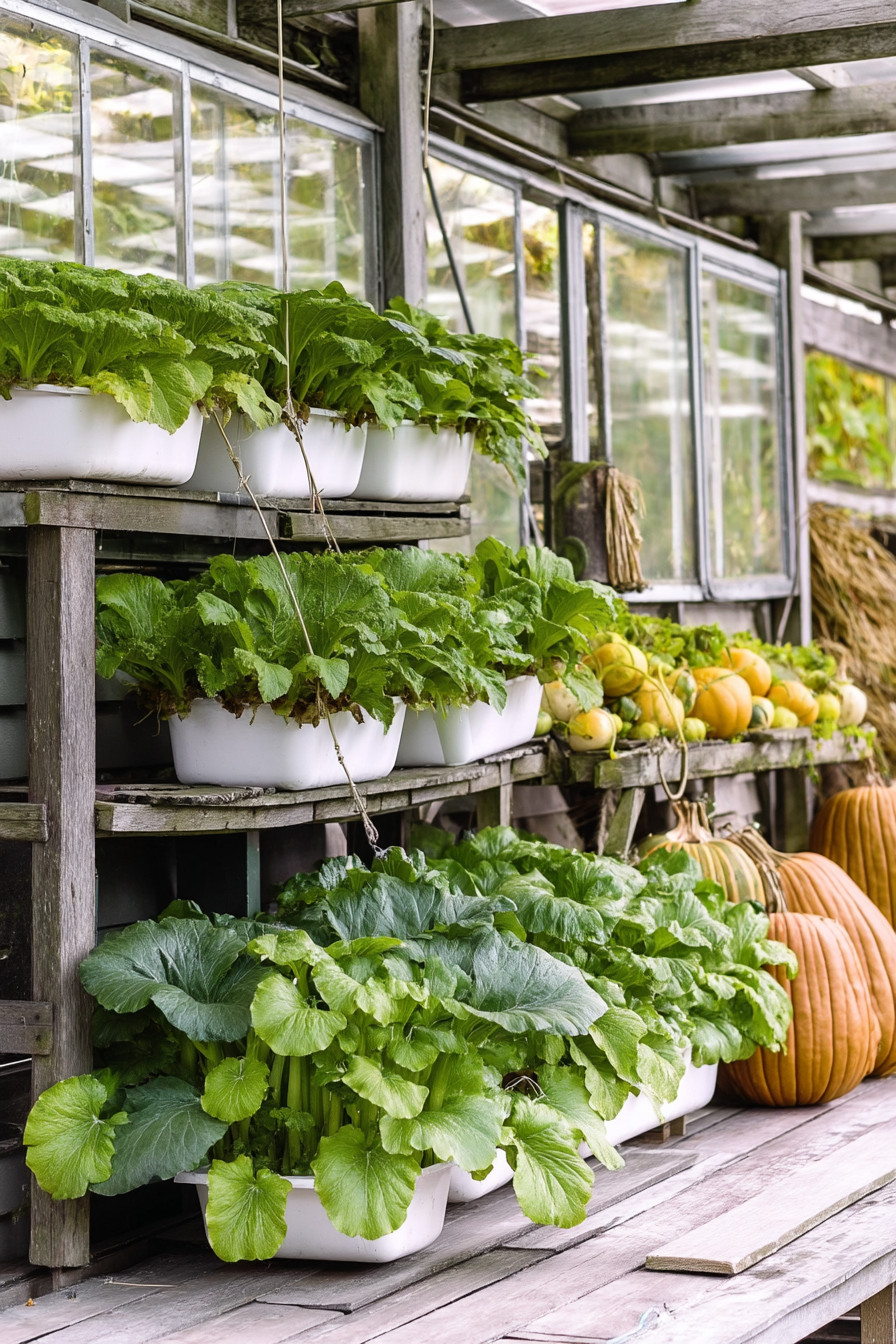
Stylish planters offer a smart solution for fall gardening in harsh conditions. Rocky terrain or poor soil can make in-ground planting difficult. Planters create new opportunities in areas that would otherwise stay bare.
Cold ground is another challenge in fall. Planters stay warmer and drain better, helping roots grow strong. They also make it easier to move crops for sun or shelter.
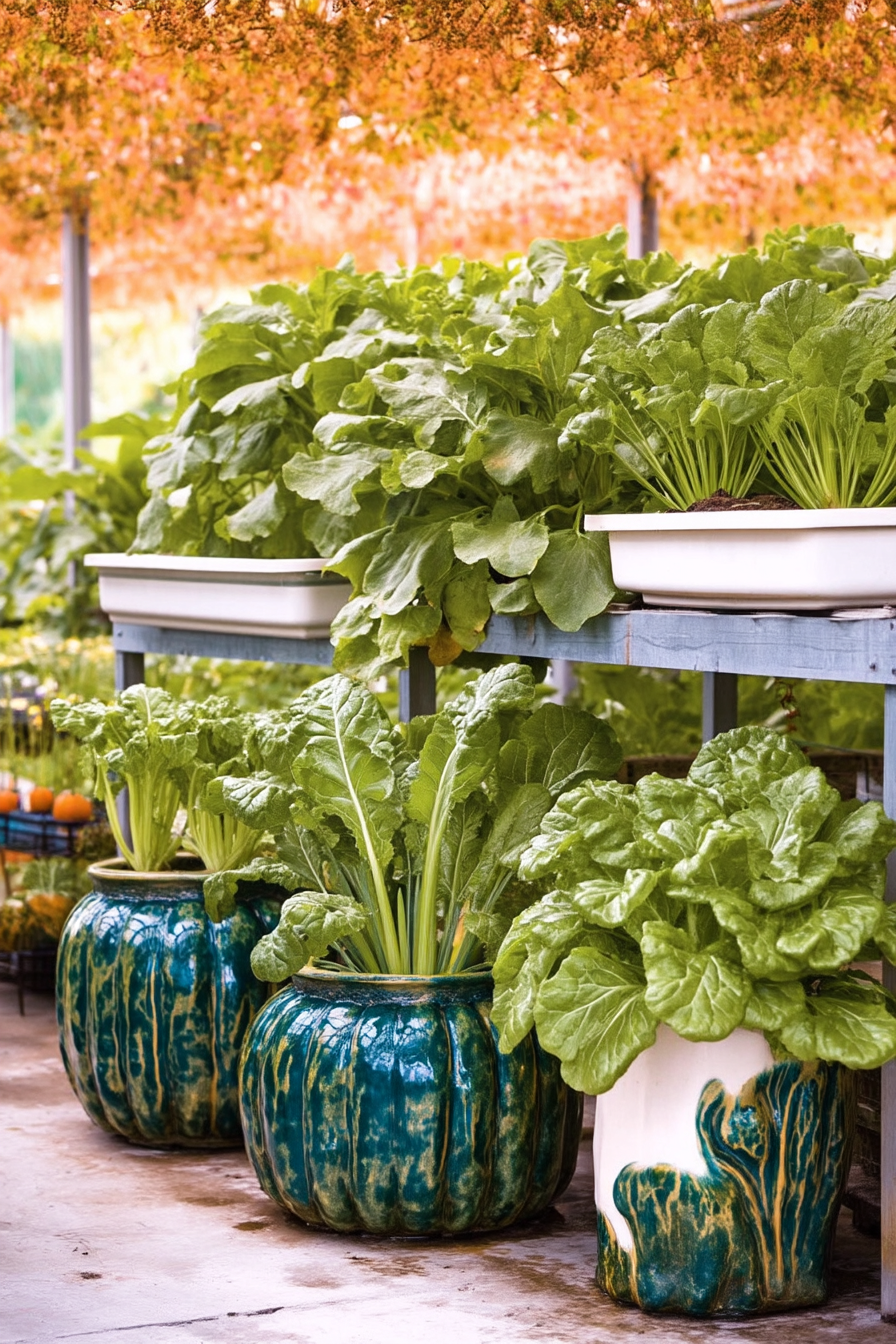
Combine planters with raised beds to use every inch of space. This setup looks clean, saves space, and boosts your harvest.
#5. Blend Vegetables into Your Landscape Design
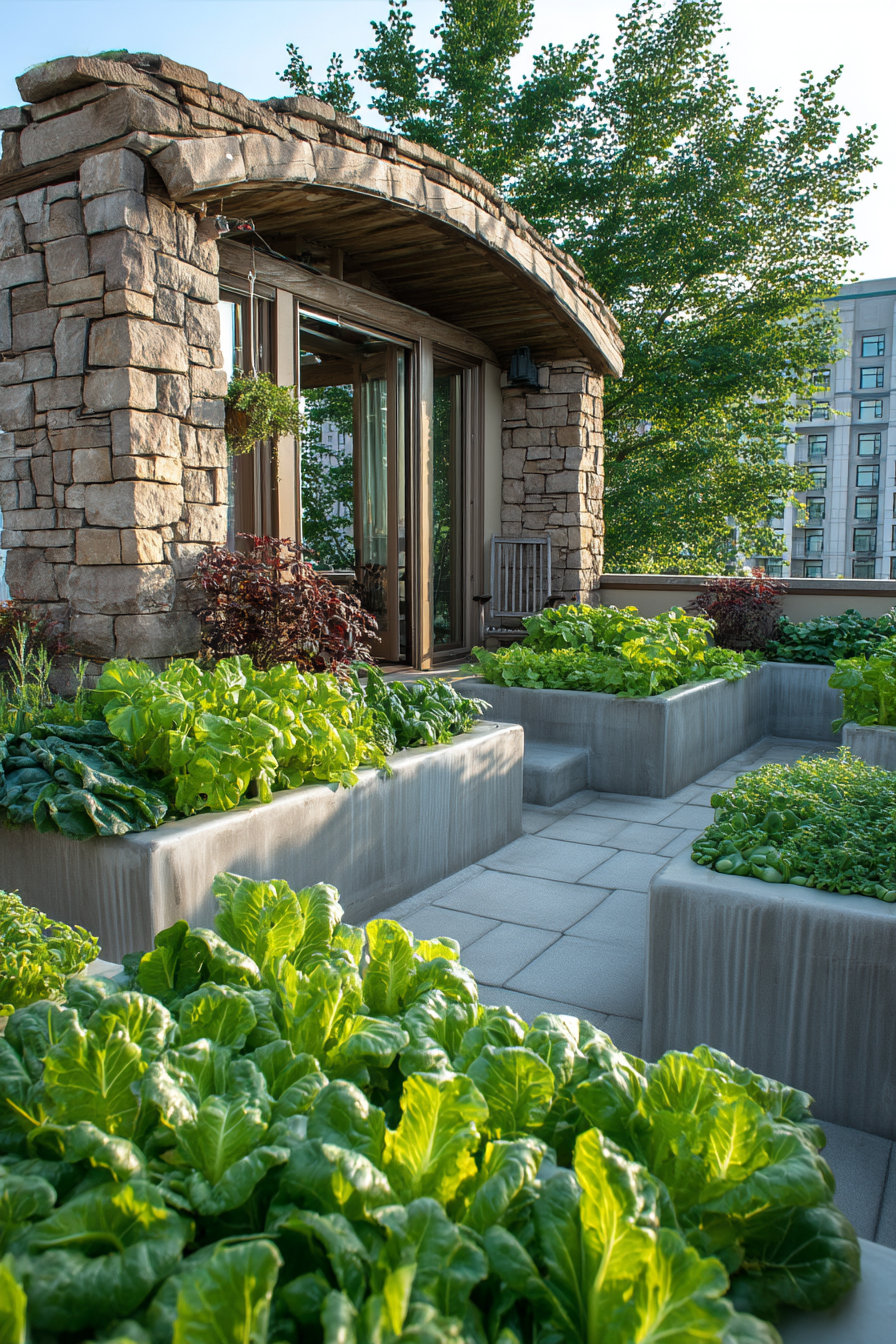
Vegetables can become part of the overall landscape, not just sit in separate garden beds. Mixing edible plants with flowers, shrubs, or borders creates a space that looks great and grows food at the same time.
This fall garden used vegetables as part of the front yard design. The plants added color, texture, and structure.
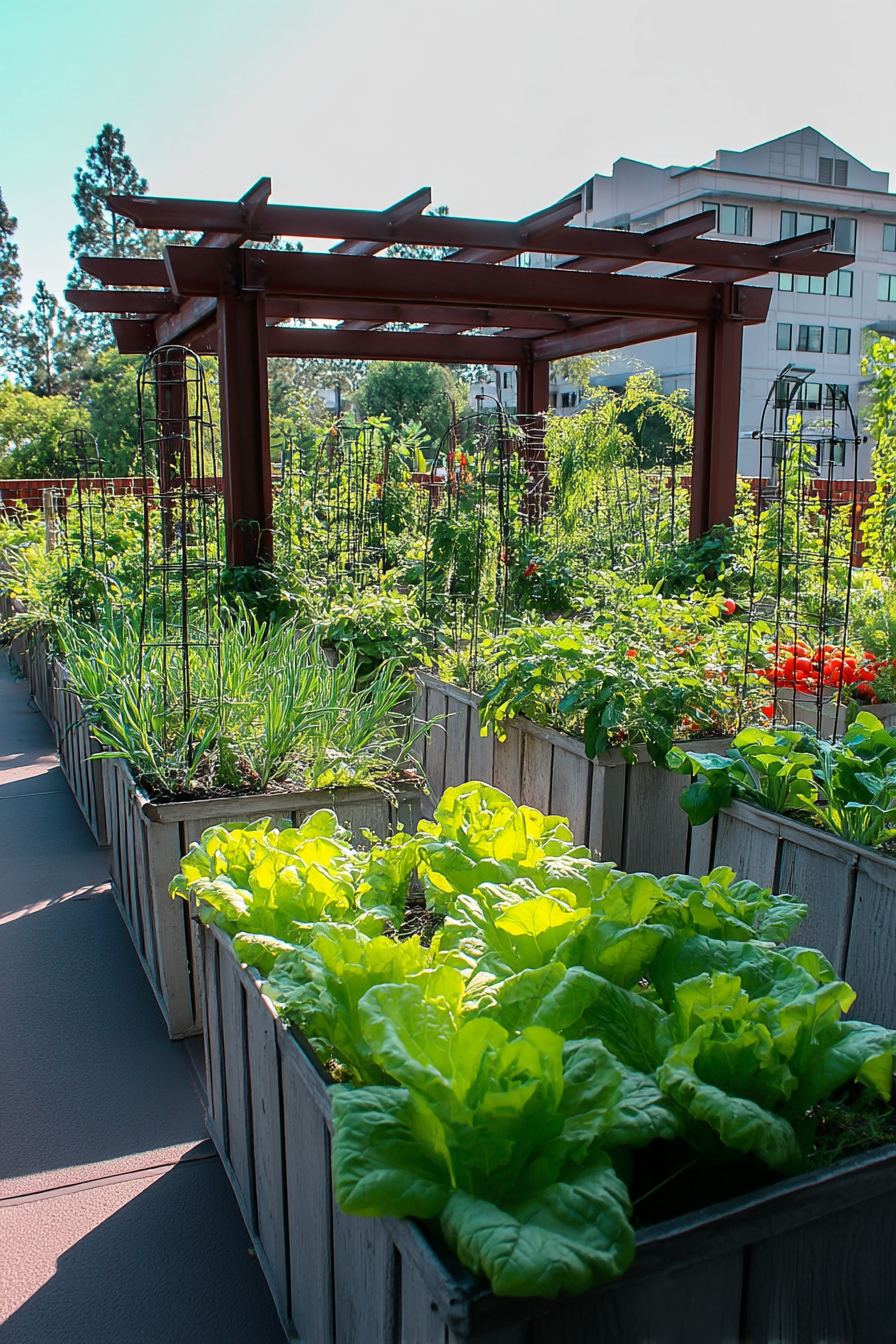
Raised beds, containers, and climbing crops worked together to keep the space balanced and productive.
#6. Add Garden Lighting for Fall Evenings
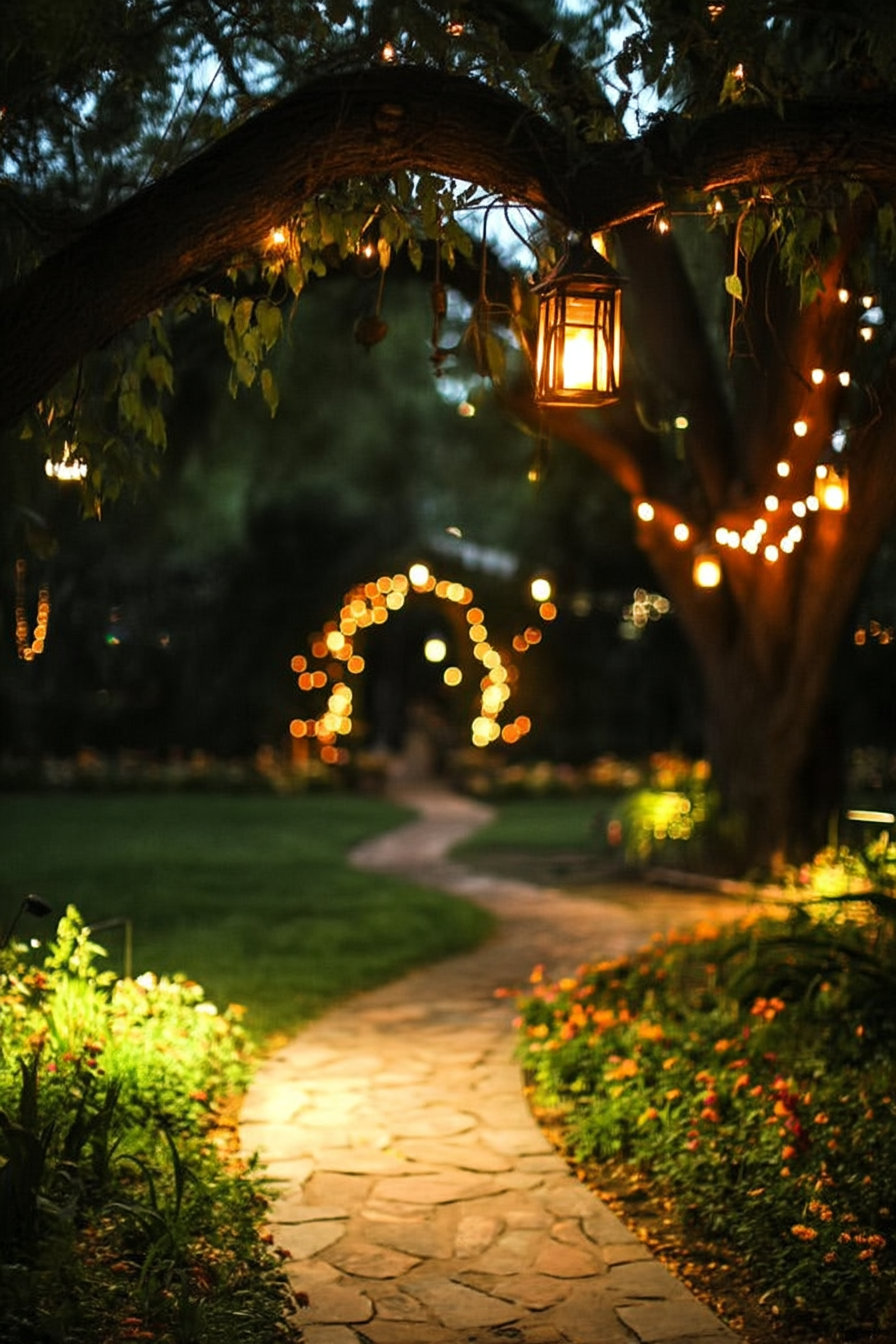
Lighting can turn a productive fall garden into a cozy evening retreat. It makes the space useful after sunset and highlights the beauty of each plant. A few lights across raised beds can change the mood of the space!
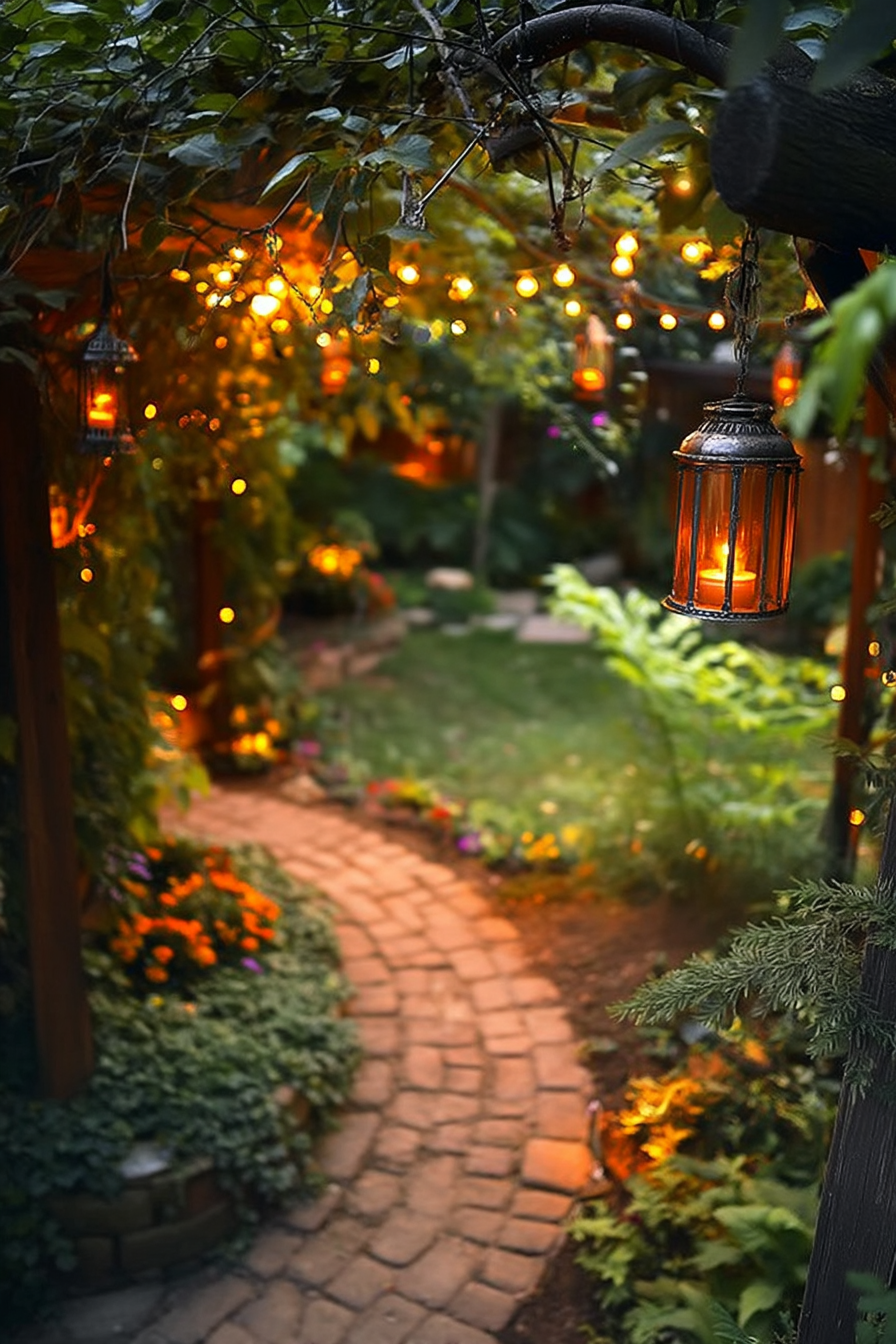
For this idea, you should plant curly kale, snow peas, and swiss chard. They look stunning under the glow. Your garden stays vibrant both day and night, which blends charm and function.
#7. Divide Your Garden into Functional Zones
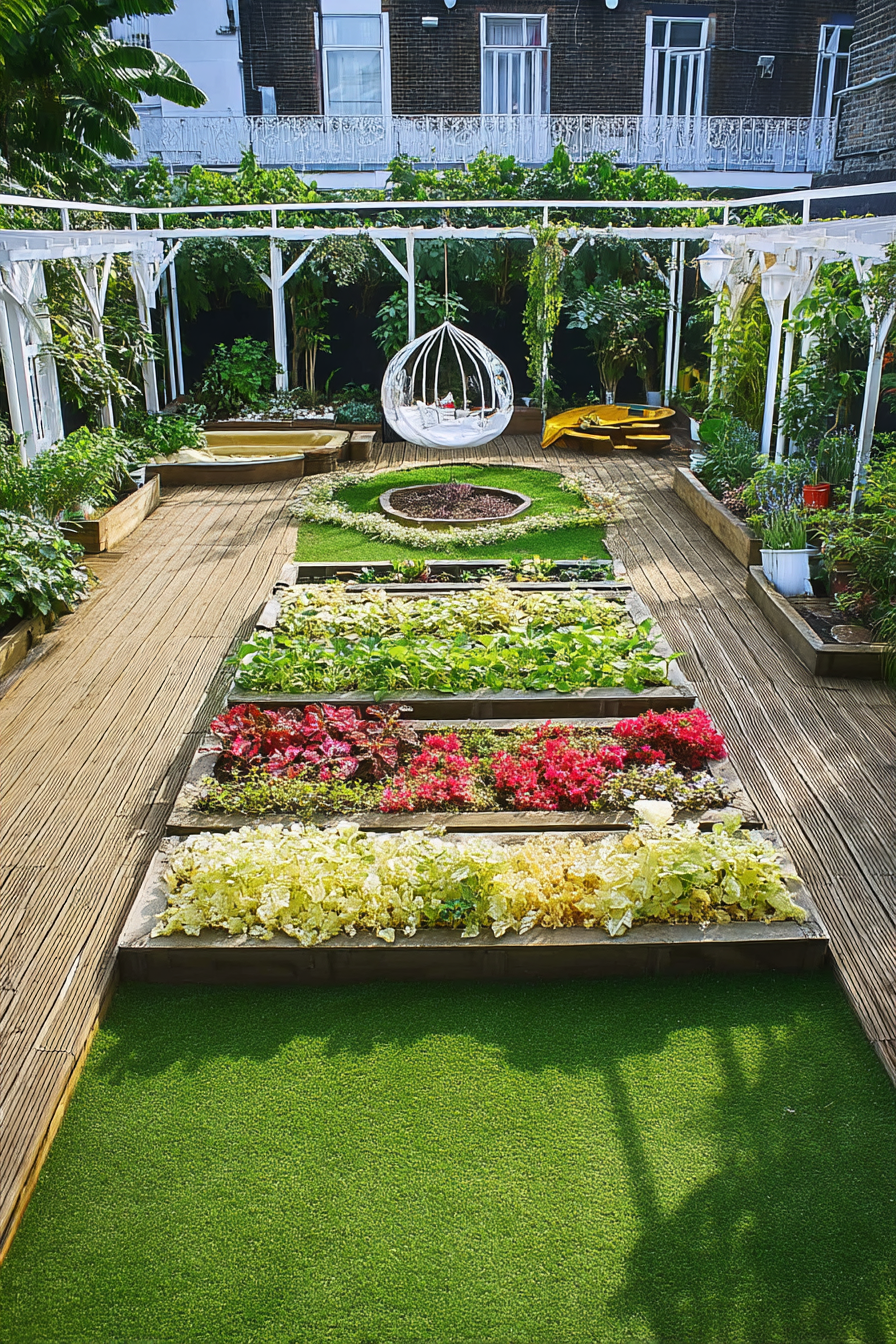
Think about dividing your garden into zones. Why? That’s because you can manage different plant types more easily. Some crops don’t grow well together. So, keeping them apart ensures healthy growth. Each section can focus on specific needs, like soil type or watering.
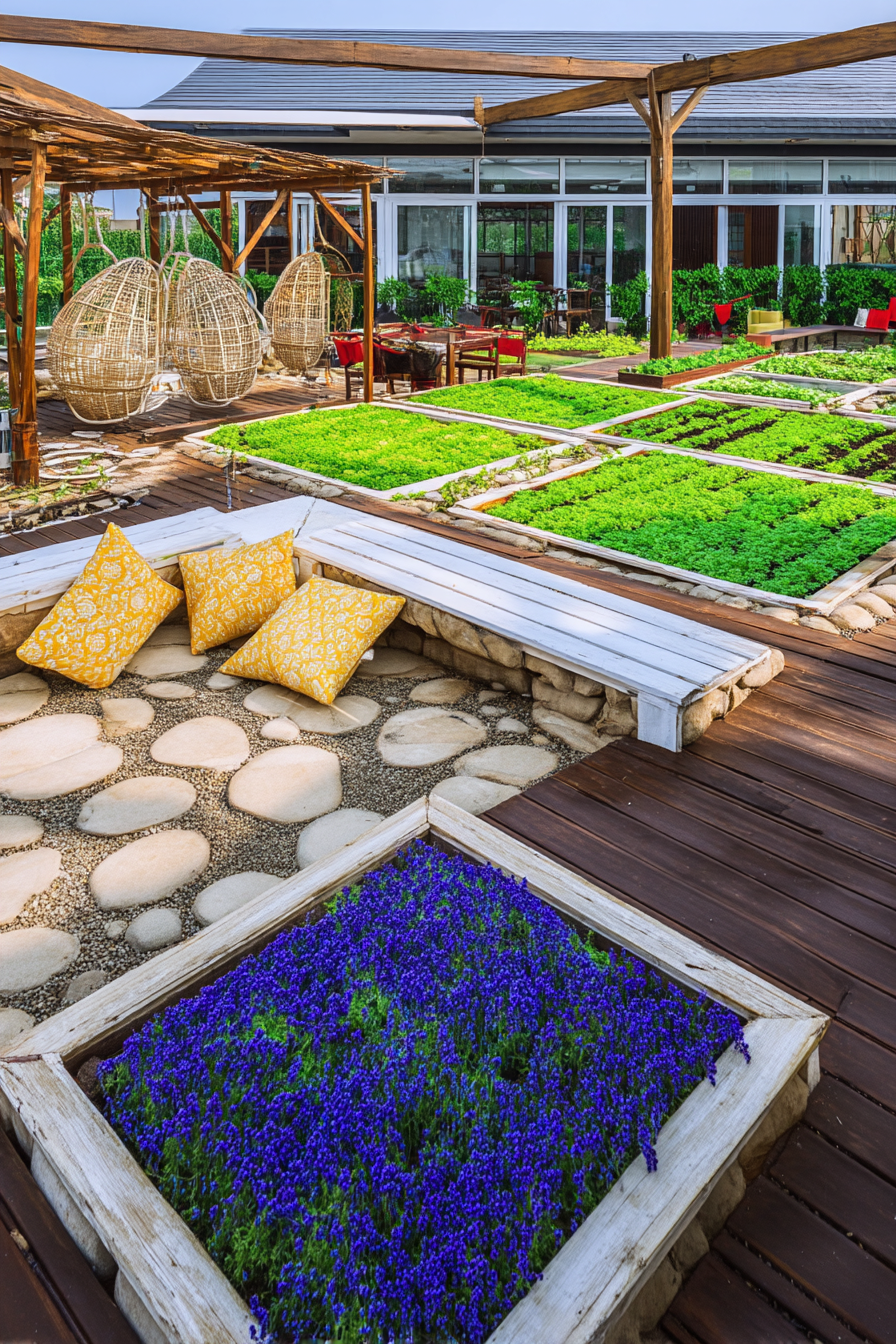
This layout uses raised beds to separate plant groups. One variety grows in each bed for better control.
Moreover, adding flowers between zones brings color and helps attract pollinators, boosting both beauty and yield.
#8. Install a Trellis for Climbing Vegetables
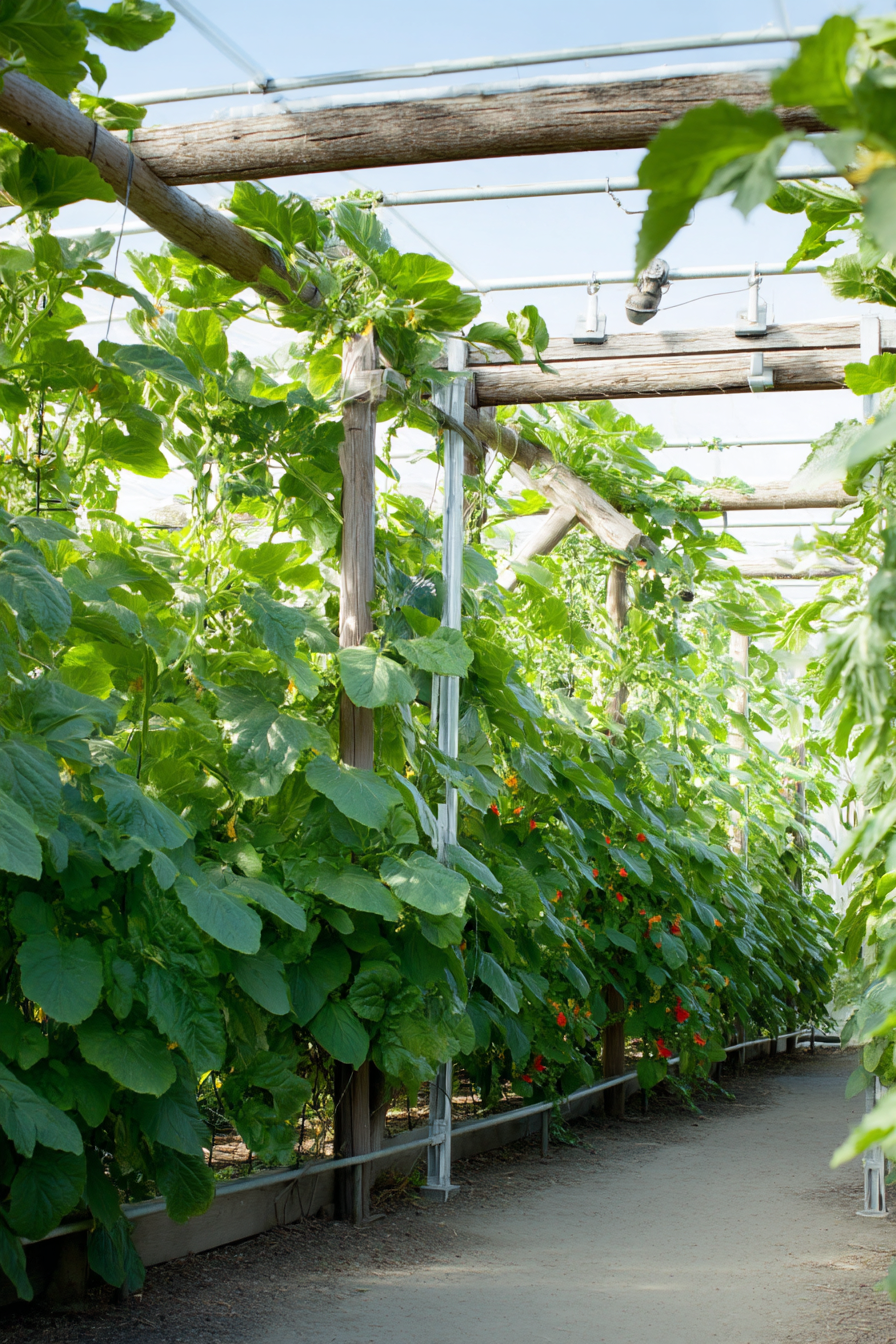
Climbing vegetables need strong support to grow tall and healthy. A trellis helps guide their growth and keeps the garden neat. It also allows more sunlight and airflow around the plants.
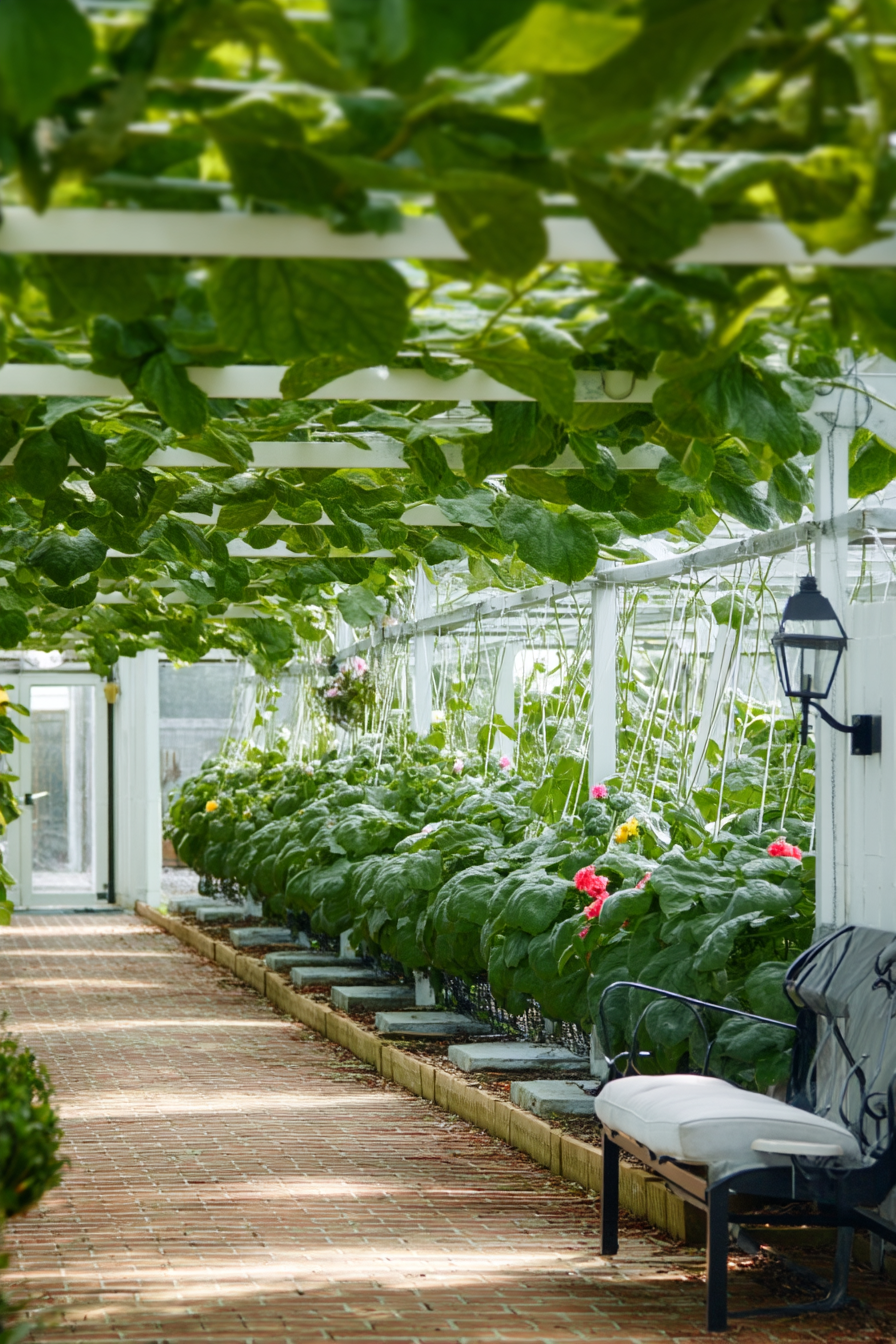
Tomatoes grow along a well-fitted trellis above a raised bed in this setup. Ensure the structure is sturdy enough to handle plant weight through the season and avoid collapse.
#9. Brighten the Space with Bold Leafy Greens
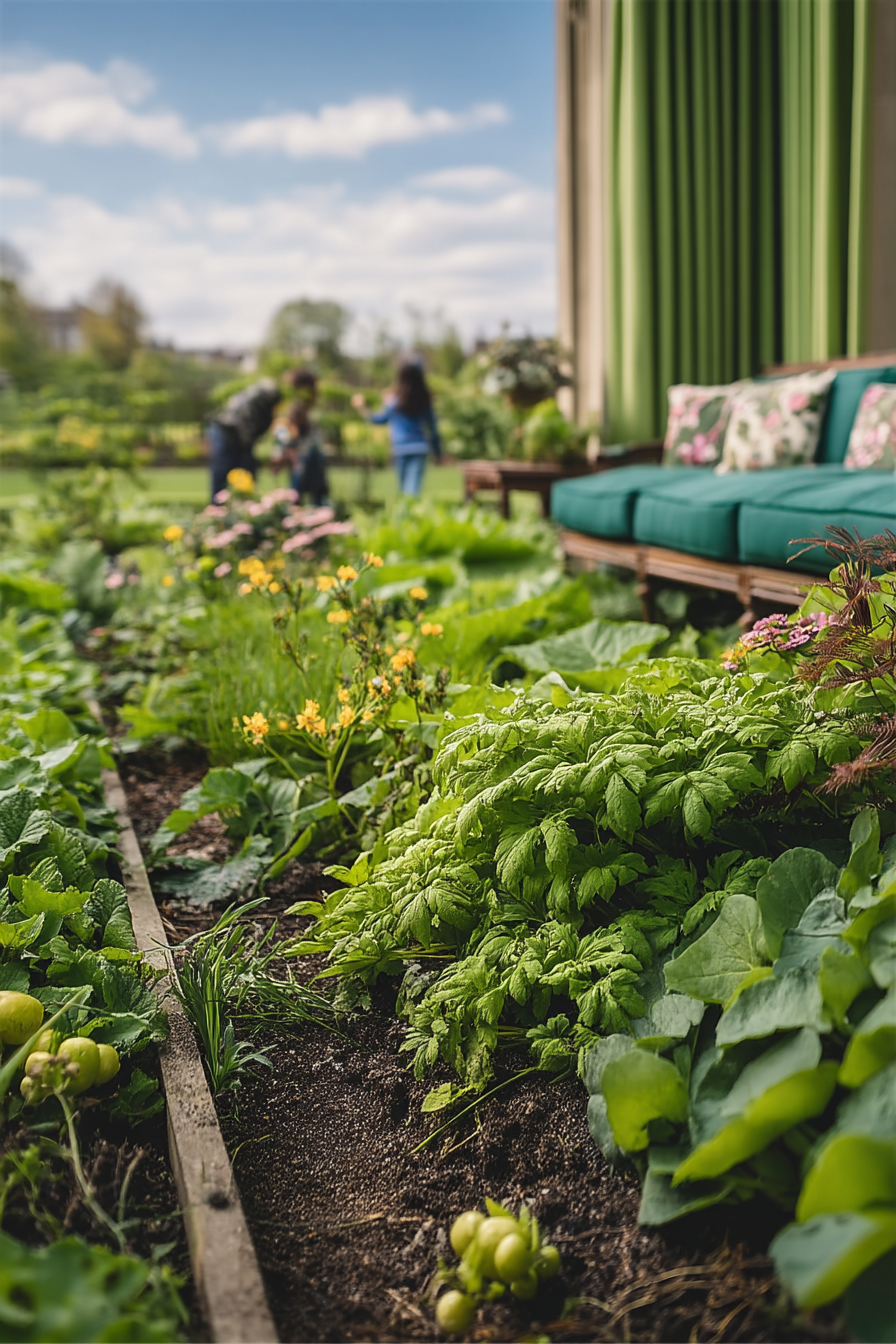
Leafy greens do more than fill your plate; they brighten your garden, too. Their bold shades bring texture and color to any fall layout.
Plant a mix of the vegetables, like kale, broccoli, and red mustard.
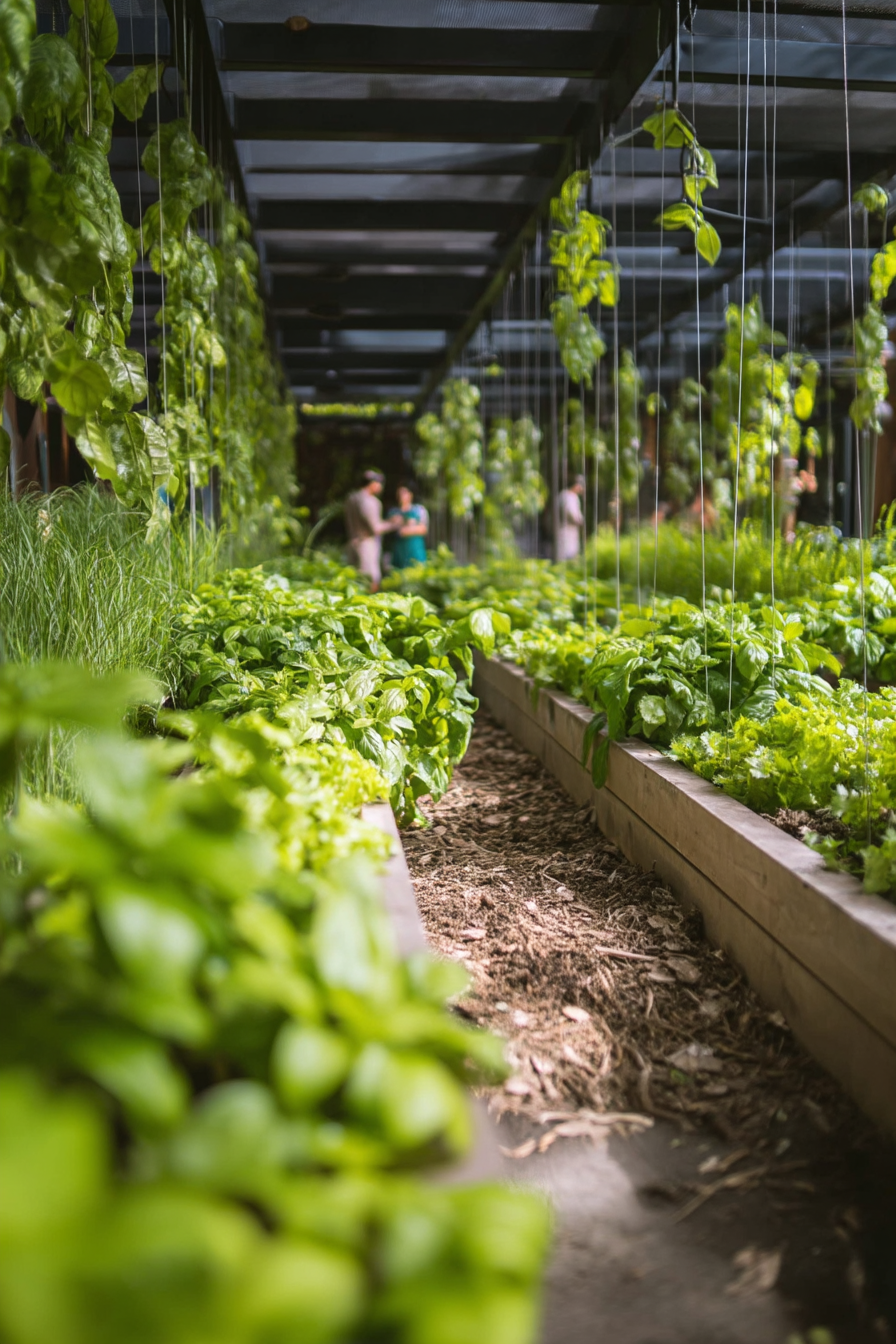
These crops grow well in cool weather and add rich tones to garden beds. Their beauty and function make them perfect for autumn planting.
#10. Use Planting Sections for Easy Rotation
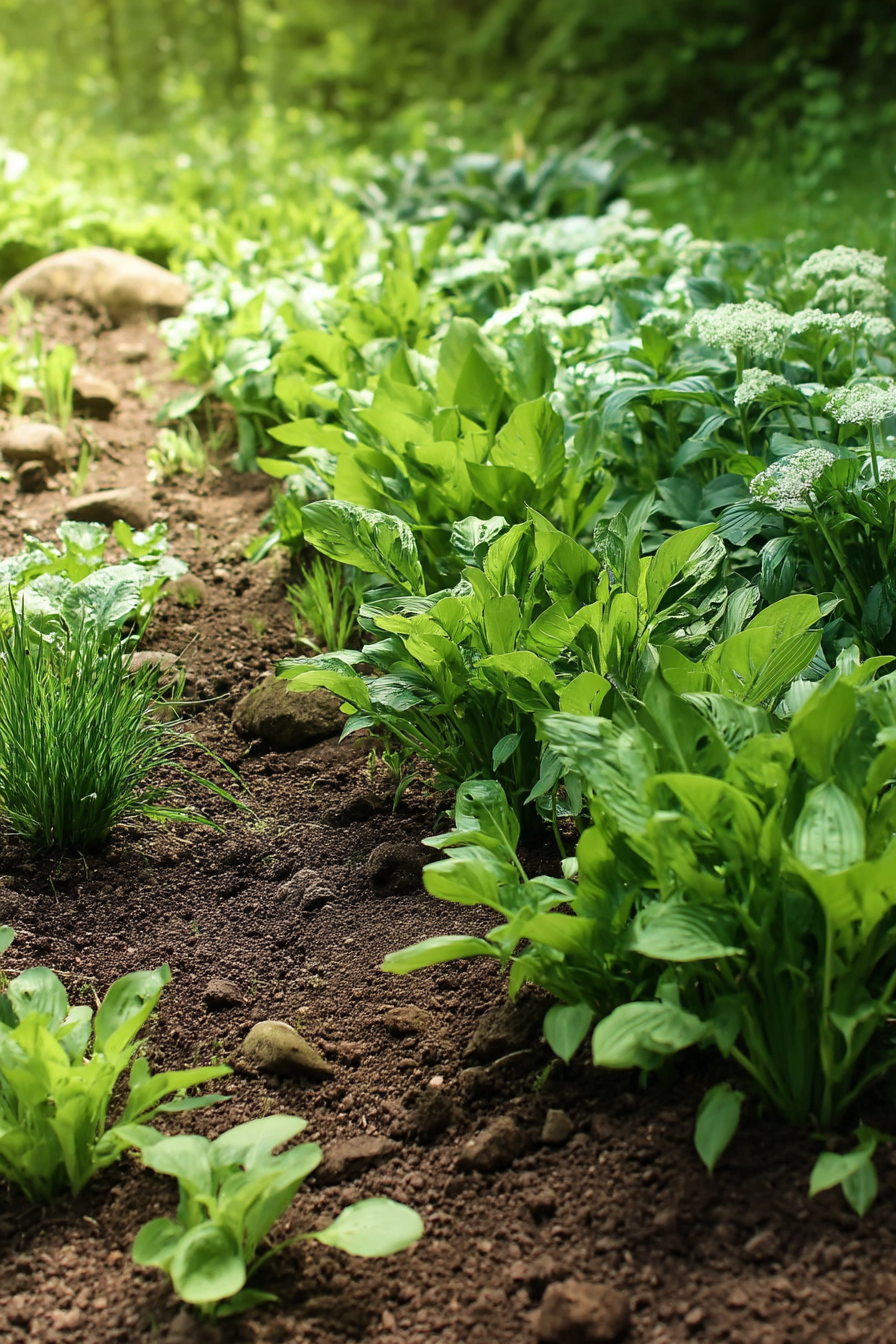
Small garden sections make it easier to manage space and grow more crops. Each area can hold a different fall vegetable. Think about planting kale, brussels sprouts, or flower
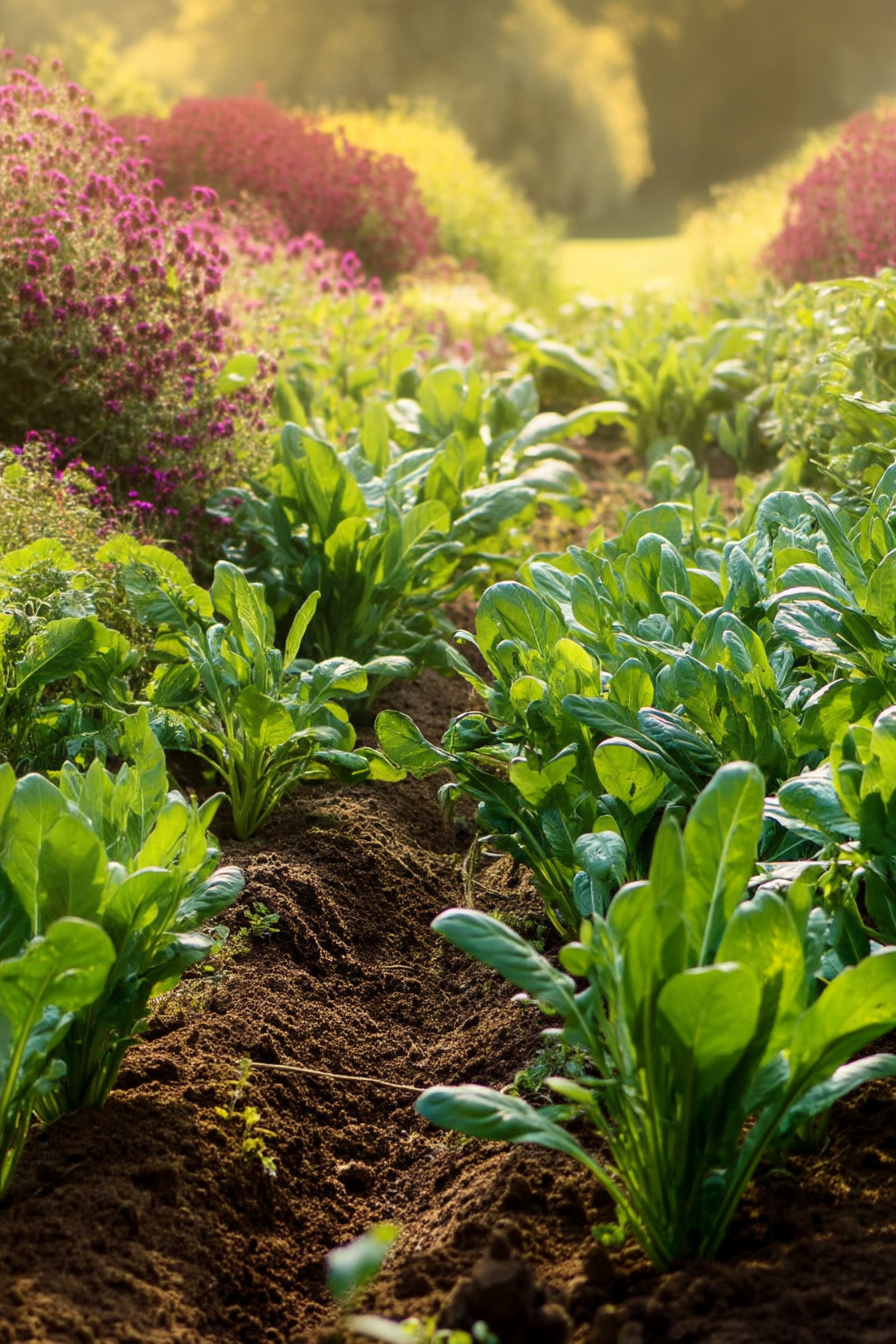
This way supports crop rotation and improves soil health. Keep spacing in mind to prevent disease and boost yields throughout the season. It’s simple, smart, and efficient.
#11. Combine Crops for a Lush Fall Garden
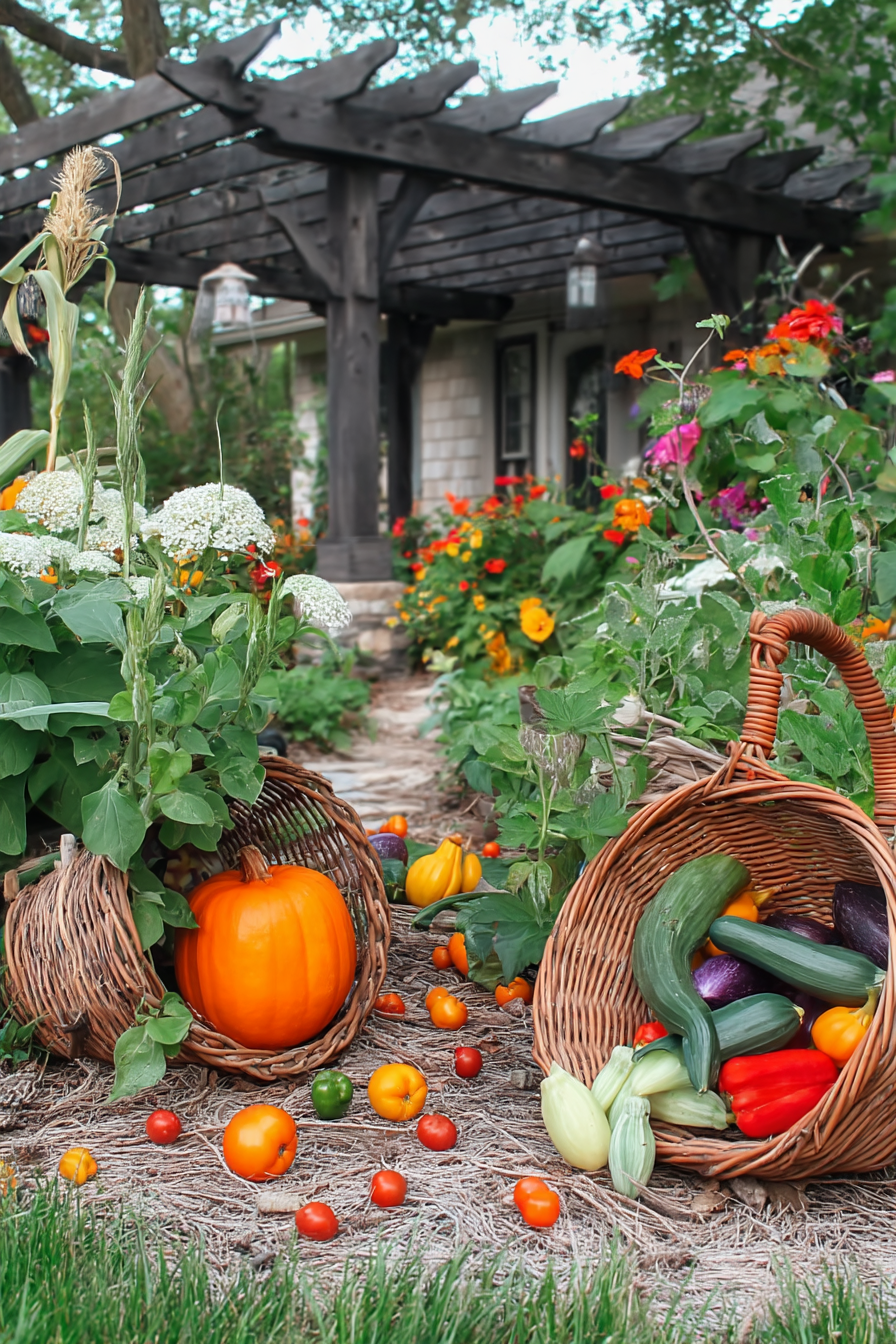
Is there any tip to boost growth and protect your fall garden? Let’s combine crops! Some plants improve flavor, while others keep pests away or enrich the soil.
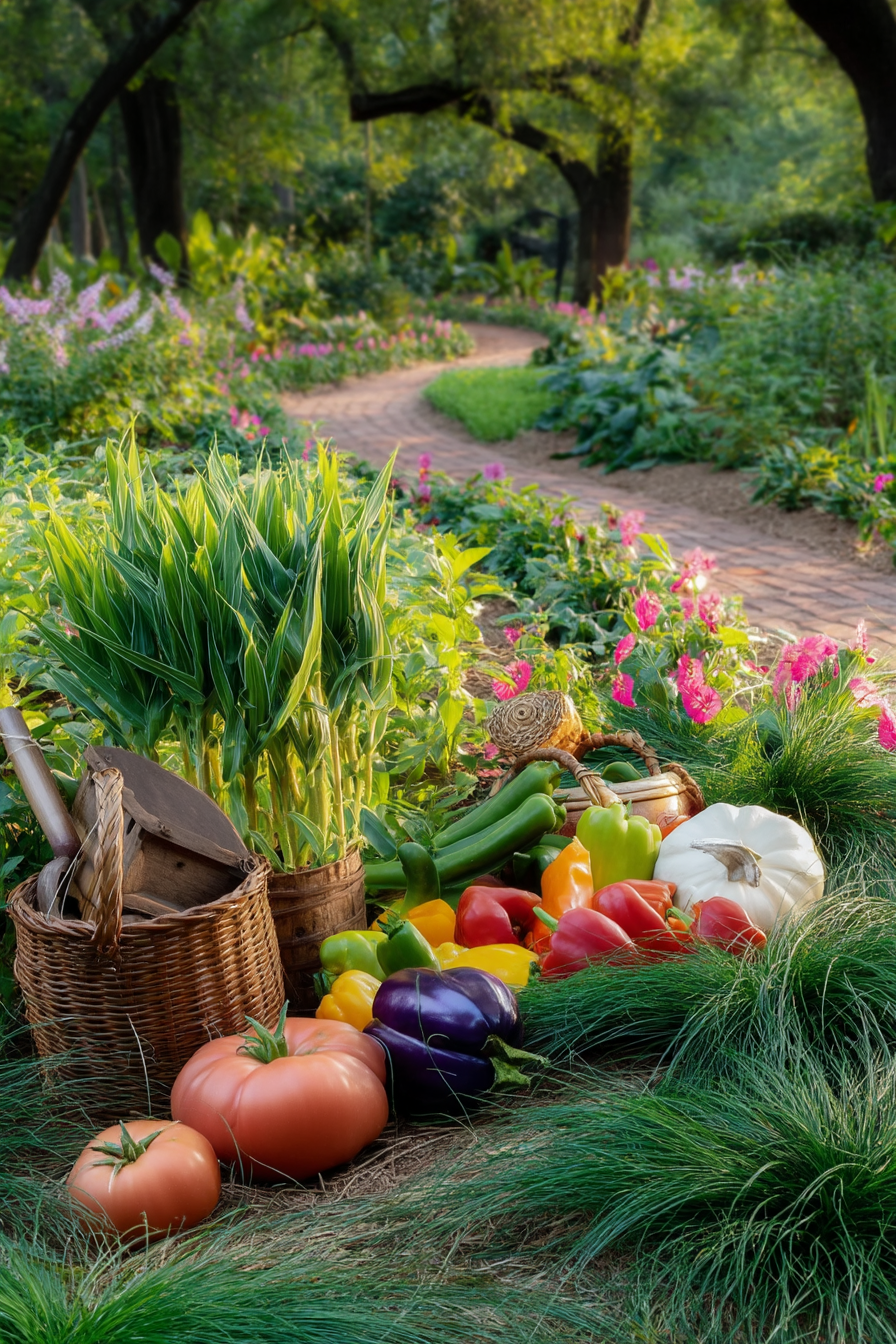
One more idea is to combine leafy greens with root vegetables or herbs. This mix creates a balanced, full garden. It also makes the space more productive without using extra room.
#12. Extend the Season with a Small Greenhouse
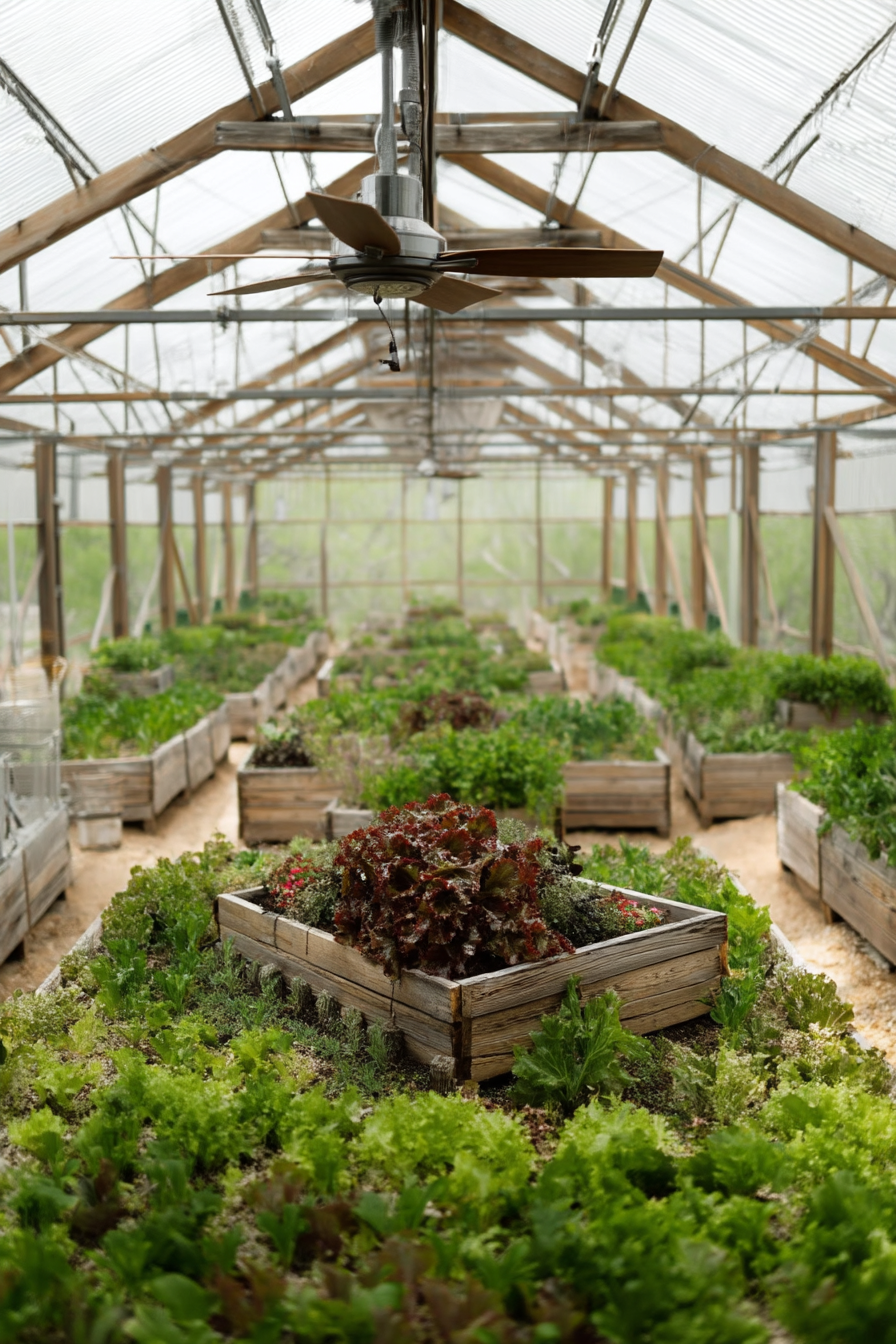
A small greenhouse helps protect fall crops from pests and cold nights. Use mesh, pipes, and binder clips to build a simple cover.
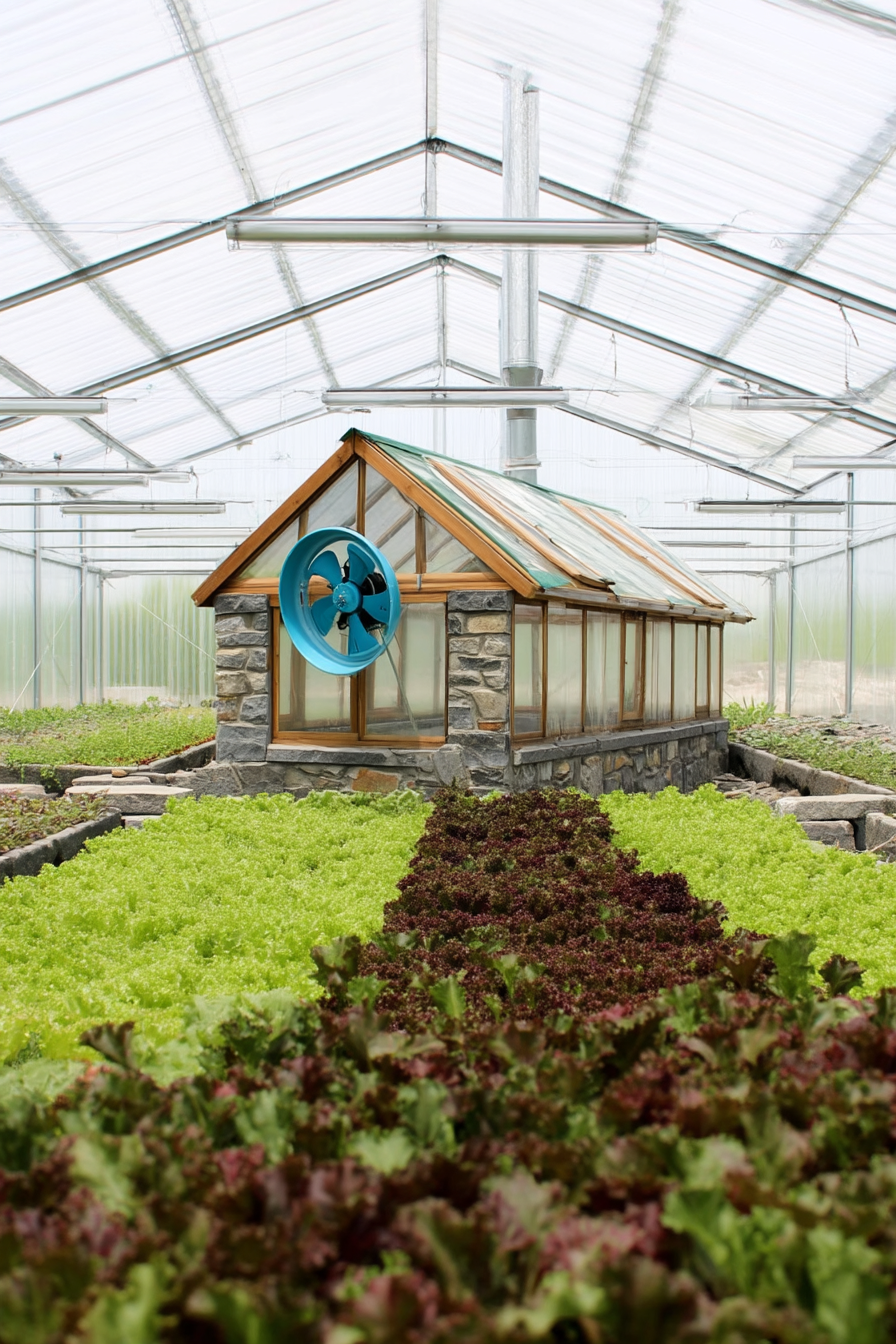
Add old rails for support and shape the hoops over garden beds. This setup keeps out cabbage worms and traps warmth. It’s a smart way to extend the harvest season.
#13. Turn Your Patio into a Veggie Oasis
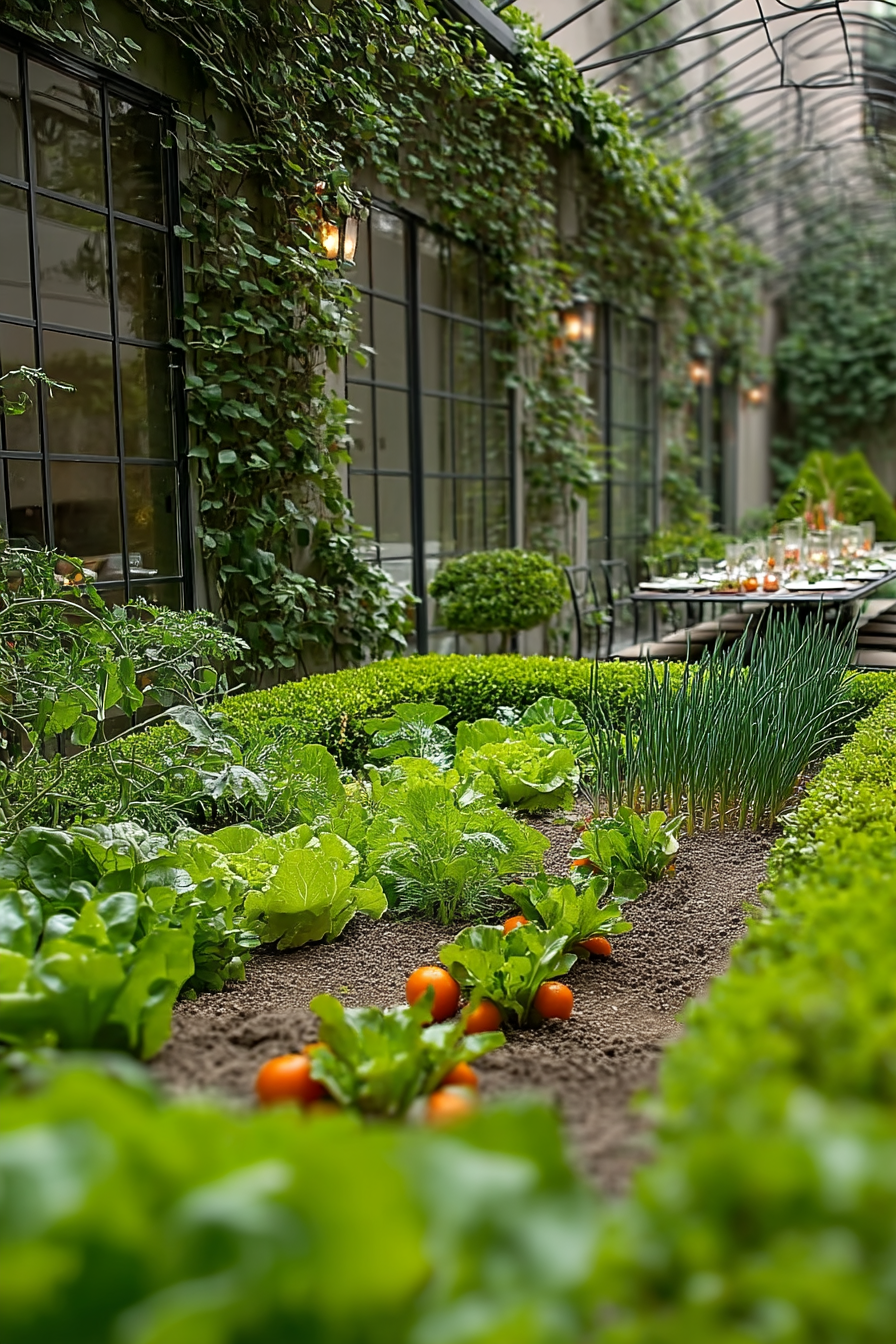
Why not turn your patio into a productive garden space? Raised beds around a seating area can grow fresh vegetables while adding charm to your yard.
Also, you can add leafy greens, herbs, or root crops for variety. This setup blends comfort and function.
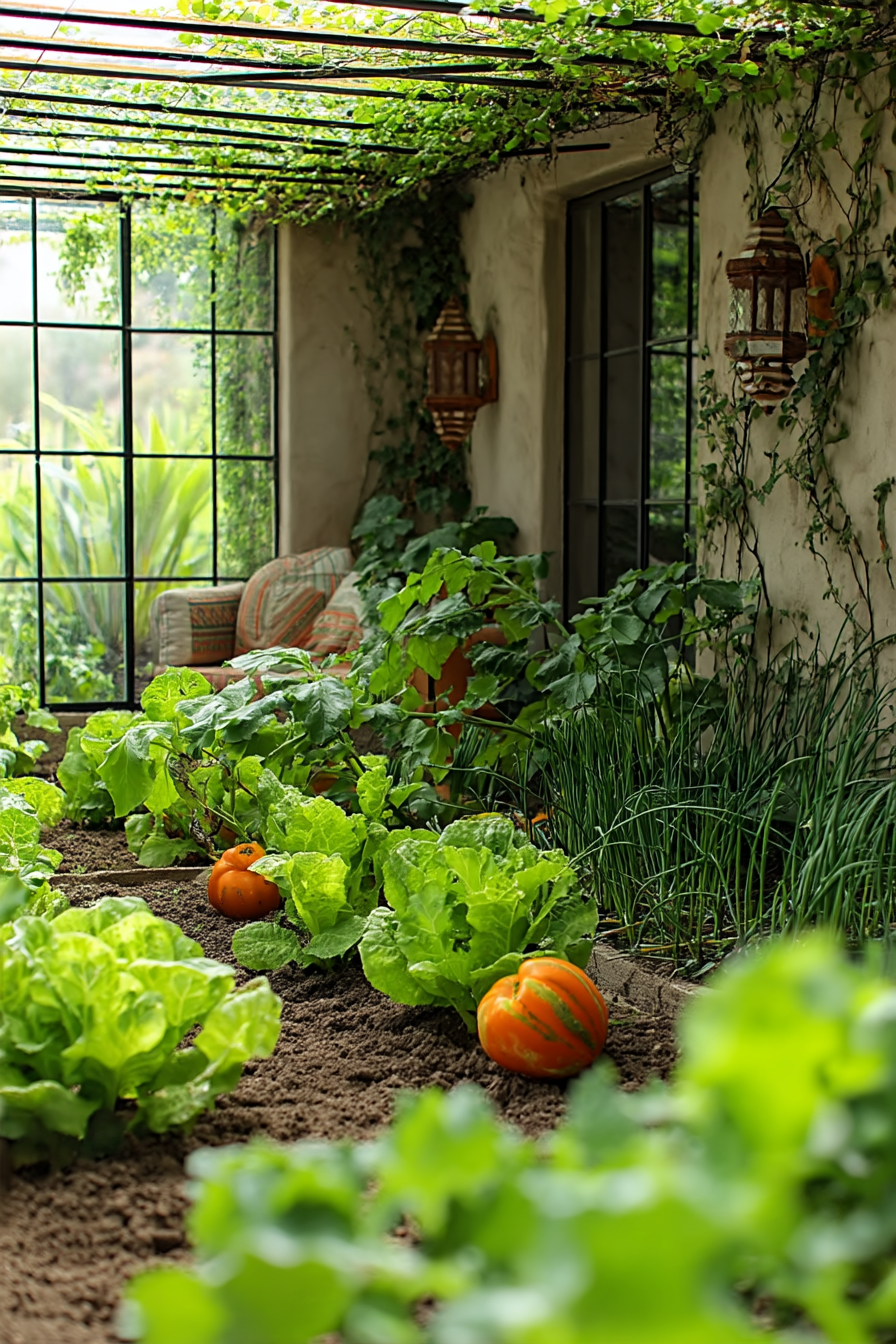
Mix in flowers for color and texture. The result is a peaceful spot that also supports your fall harvest.
#14. Add a Fence for Structure and Protection
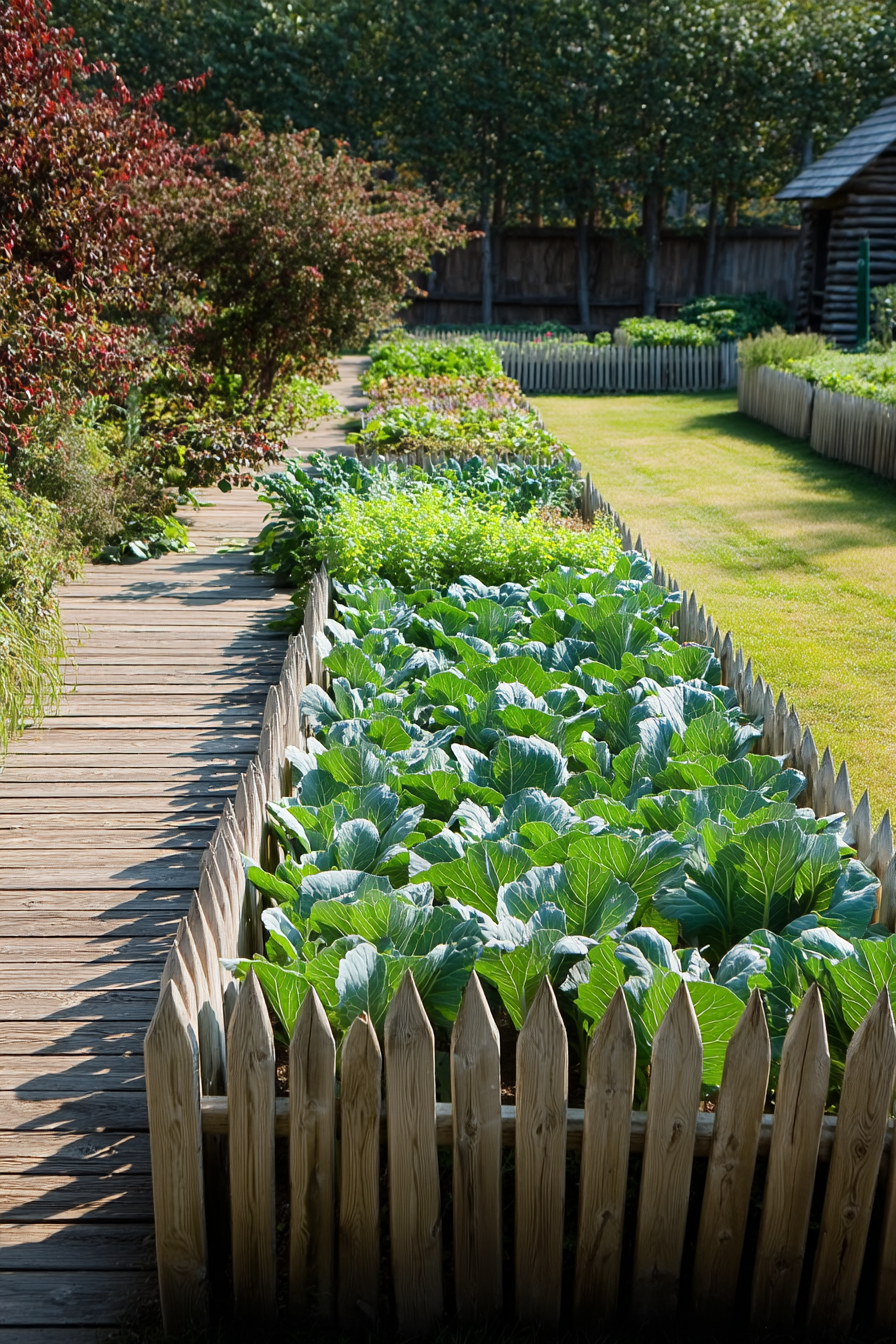
A fence gives your fall garden structure and helps protect your crops. It keeps out animals while making the space feel organized and neat.
Use wood or metal materials to match your outdoor style. Leave space between raised beds for easy movement.
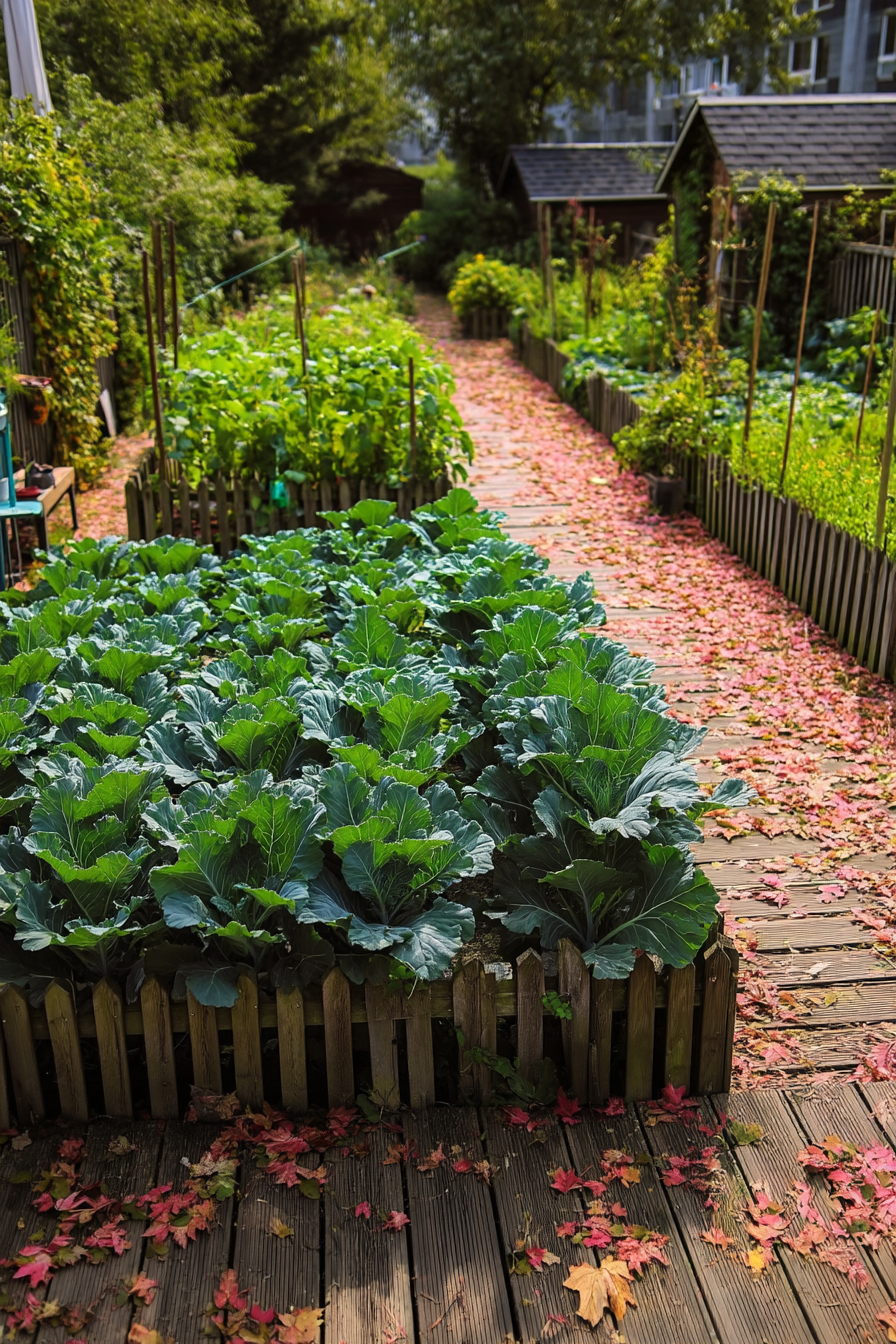
This setup creates a clear garden boundary and boosts both function and curb appeal.
#15. Grow Vegetables in Traditional Ground Beds
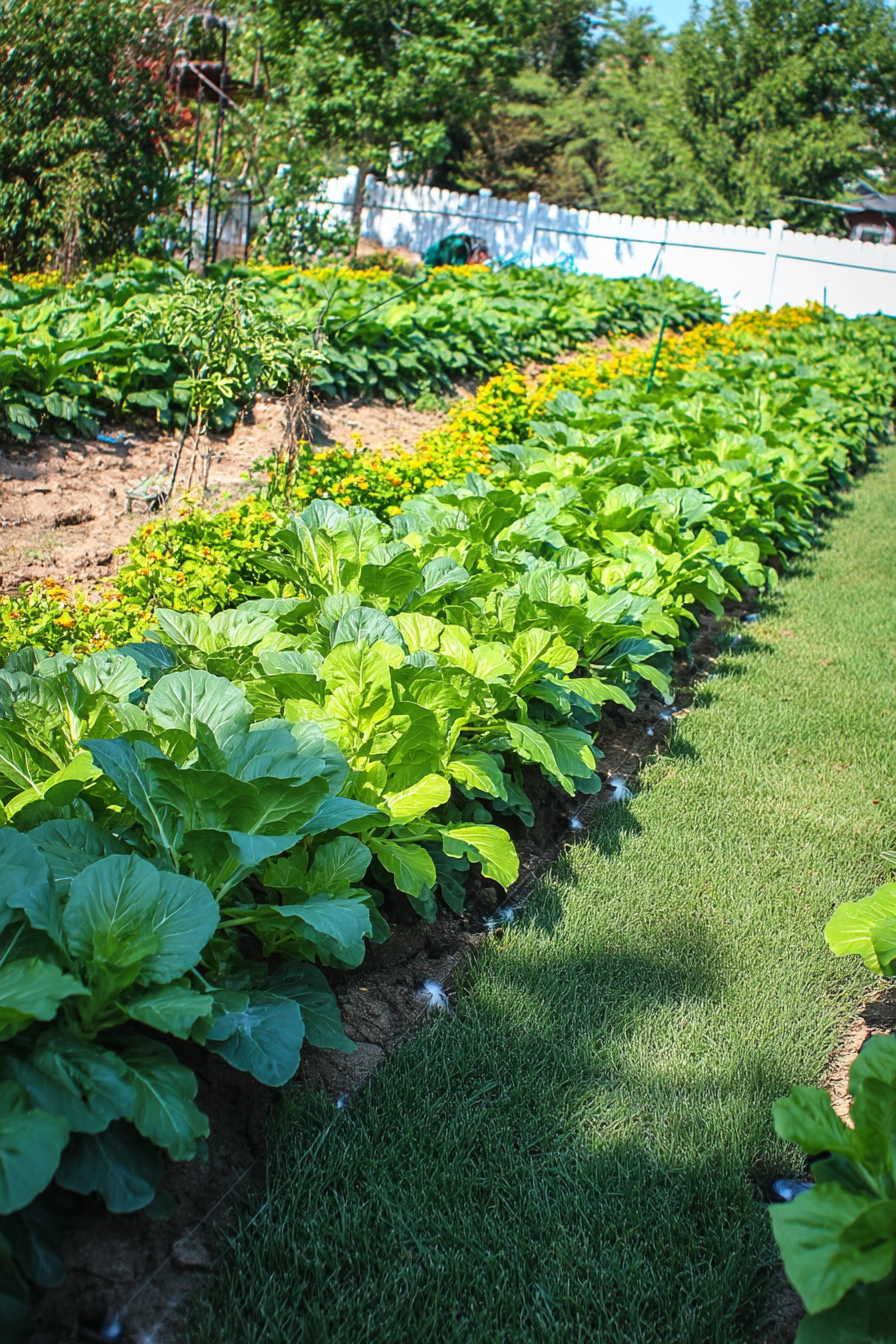
Do you know that you can still use traditional ground beds to grow fall vegetables? Crops like carrots, beets, and radishes thrive easily with healthy soil.
Improve the ground by adding compost or organic matter. This boosts nutrients and supports strong root growth.
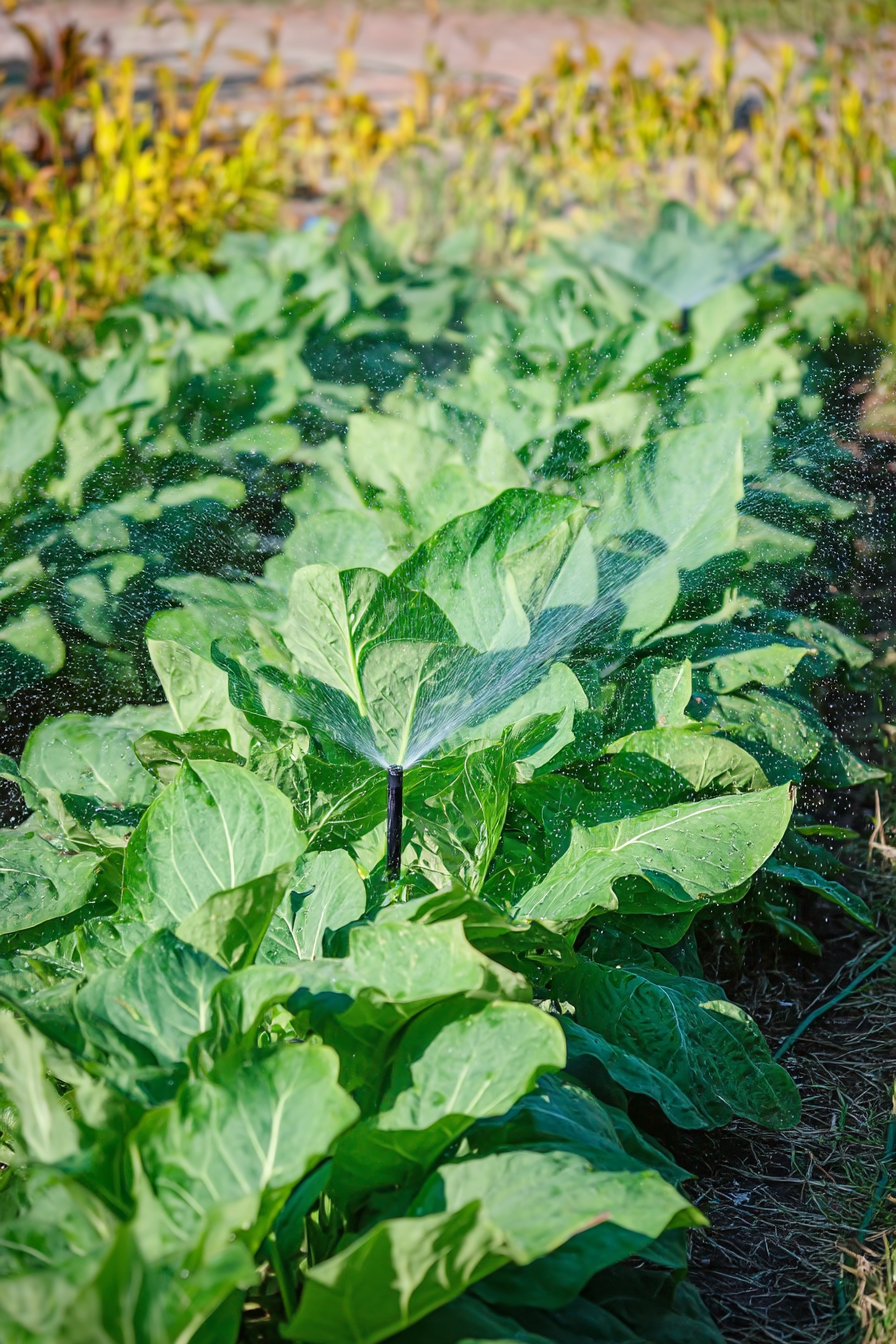
In-ground beds also allow more planting space. It’s a cost-effective option for a productive harvest.
#16. Install a Smart Watering System
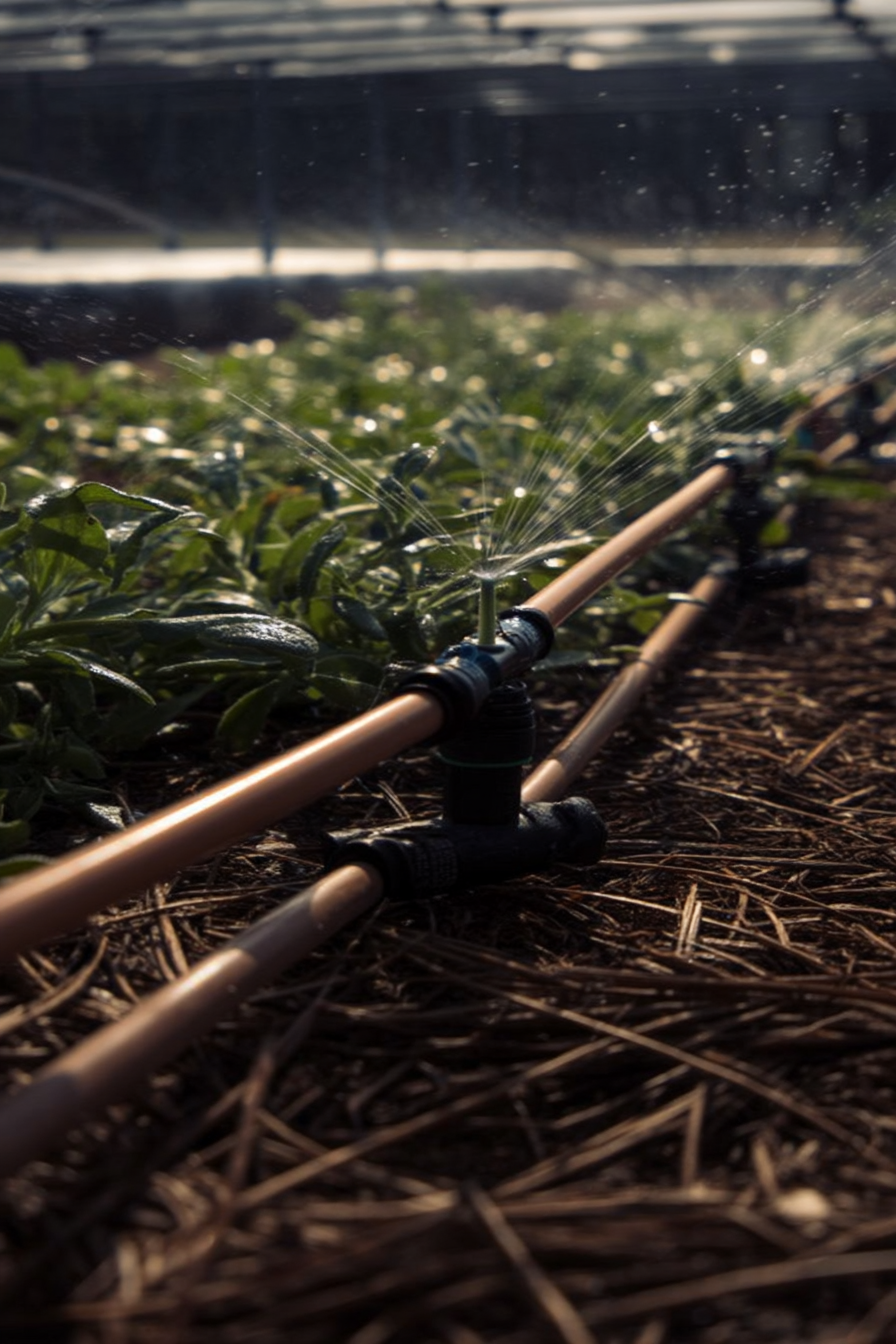
There is a fact that watering is key to growing strong, healthy vegetables. A smart watering system ensures your plants get what they need without daily effort.
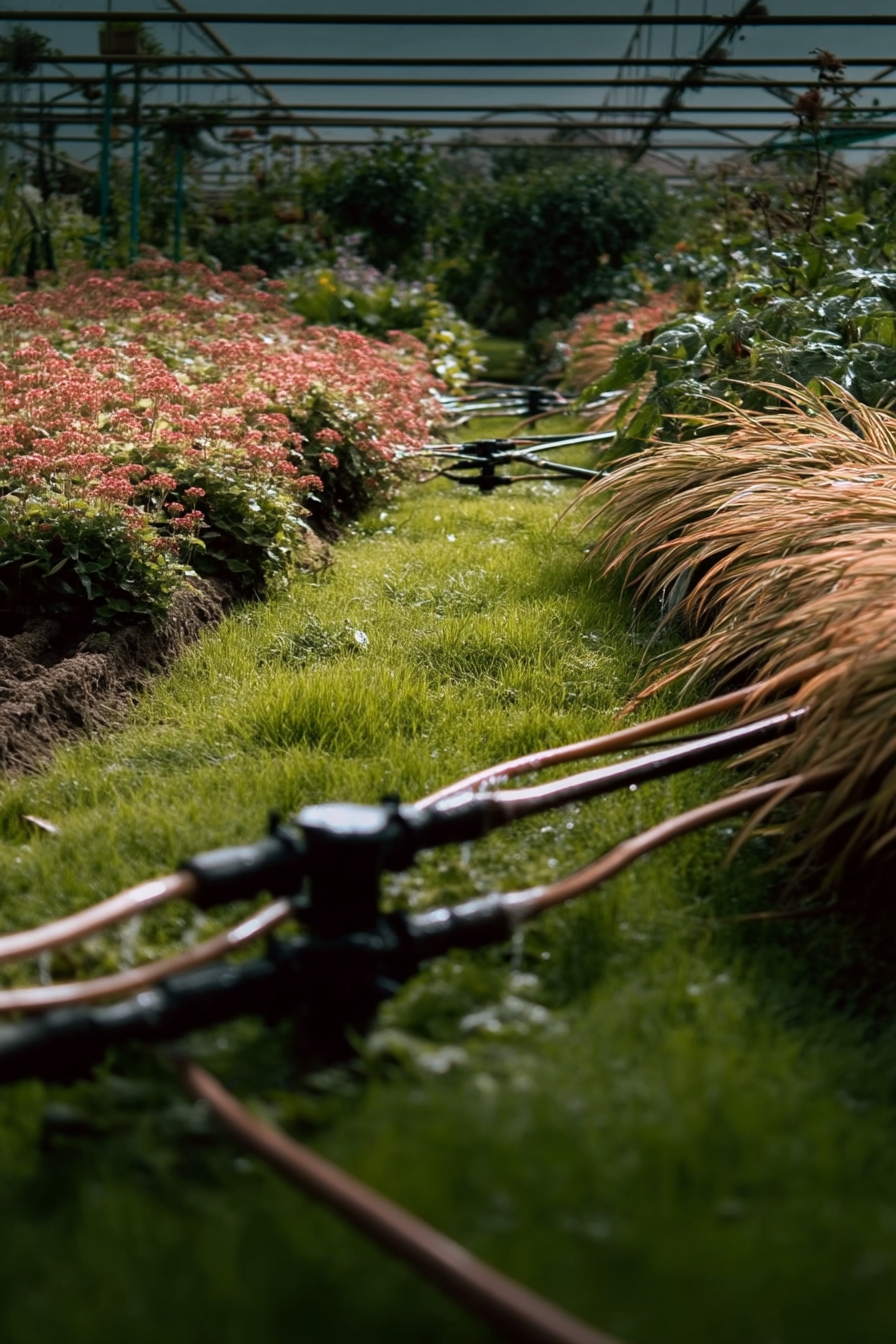
Drip irrigation works well in raised beds. It delivers water directly to the roots and prevents waste. This setup keeps fall crops hydrated and thriving.
Wrapping Up
Hopefully, these vegetable garden ideas inspire a few fresh plans for your space in autumn.
Are you working with raised beds, planters, or even a patio corner? There’s a way to grow more this season.
Why not try one new idea and see how it transforms your harvest? Fall may just become your most fruitful season yet.
