
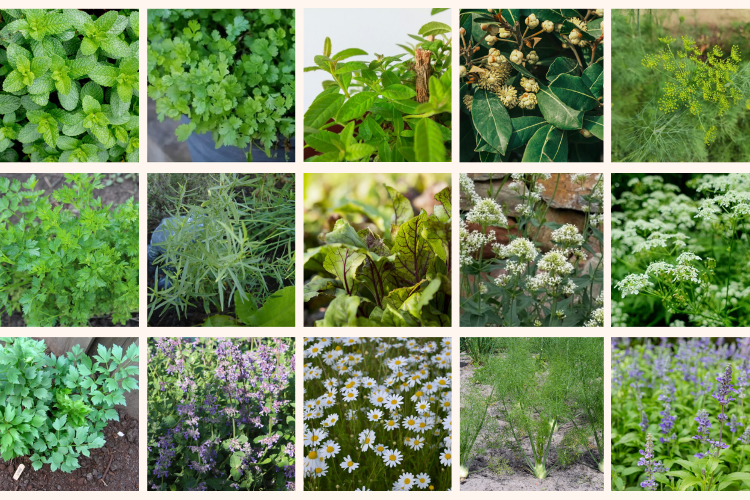
Some garden spaces just don’t get enough sun. Maybe a tall tree blocks the light, or a fence casts a long shadow. That can make growing herbs feel frustrating. But here’s the good news—some herbs love the shade.
You don’t need a sunny patch to grow flavorful, fragrant herbs. In fact, many popular choices thrive with just a few hours of light each day.
Some garden spaces just don’t get enough sun. Maybe a tall tree blocks the light, or a fence casts a long shadow. That can make growing herbs feel frustrating. But here’s the good news—some herbs love the shade.
You don’t need a sunny patch to grow flavorful, fragrant herbs. In fact, many popular choices thrive with just a few hours of light each day.
Curious which ones? From mint to hyssop, you’ll discover 15 easy herbs that don’t mind the dark.
Want them to grow strong? Don’t miss the shade-specific tips at the end!
Contents
Understand Light Needs: Full Sun vs Shade-Loving Herbs
Let’s look at the two most common light preferences for herbs. Knowing the difference helps you choose the right plants for each corner of your garden.
Herbs That Need Full Sunlight
These herbs must get a minimum of 6 hours of direct sunlight daily. That light can come during any part of the day—morning, afternoon, or midday.
In summer, long daylight hours allow some flexibility. A plant may thrive in a spot that gets sun only part of the day, as long as the total adds up to 6 hours.
Outside of summer, these herbs won’t grow well without full sun. If planted in shade, they can turn weak, pale, or even stop growing.
Herbs That Tolerate or Prefer Shade
Shade-loving herbs need less sun, around 2 to 4 hours a day. They can still produce healthy leaves and a strong flavor, even in filtered or partial sunlight.
Some of these herbs grow just fine in full sun but may become leggy or dry. Others actually do better with limited light and can wilt in strong sun.
These shade-tolerant herbs are great options for north-facing beds, under trees, or along fences.
Top 15 Herbs That Grow Best in Shady Garden Areas
Fifteen herbs can grow nicely in partial or filtered sunlight. They all offer something special for your garden and kitchen.
#1. Mint
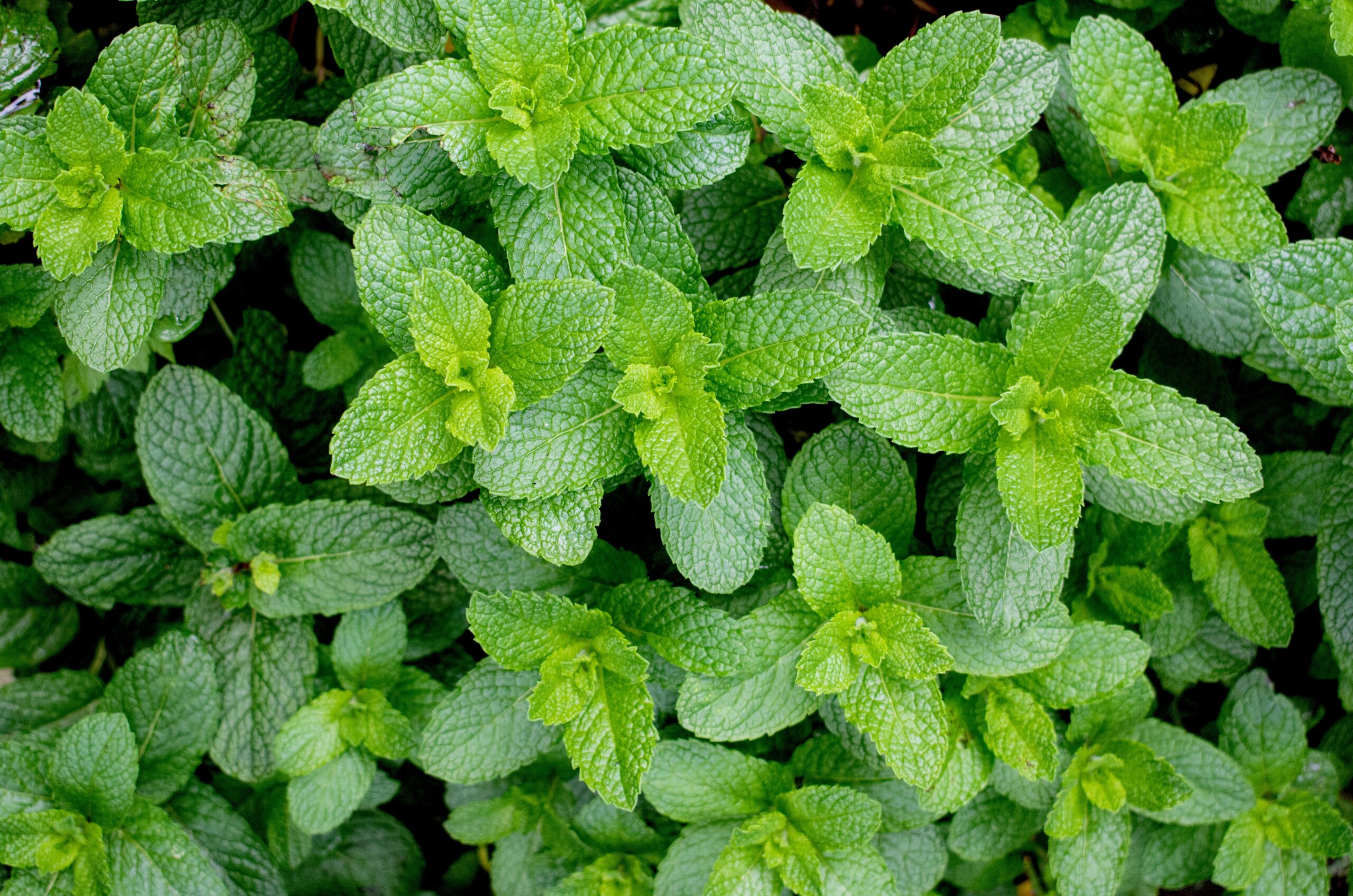
Mint grows fast and spreads quickly, even in shaded garden beds. This herb needs only a few hours of sun each day and adapts well to poor conditions.
Different types of mint—like peppermint, spearmint, and chocolate mint—make it a versatile choice.
Growing Guide:
- Plant cuttings in good, healthy soil in spring.
- Water often, but don’t water too much in shaded areas.
- Add mulch to hold moisture and prevent weeds.
- Trim once stems reach 5 inches to keep it under control.
#2. Cilantro
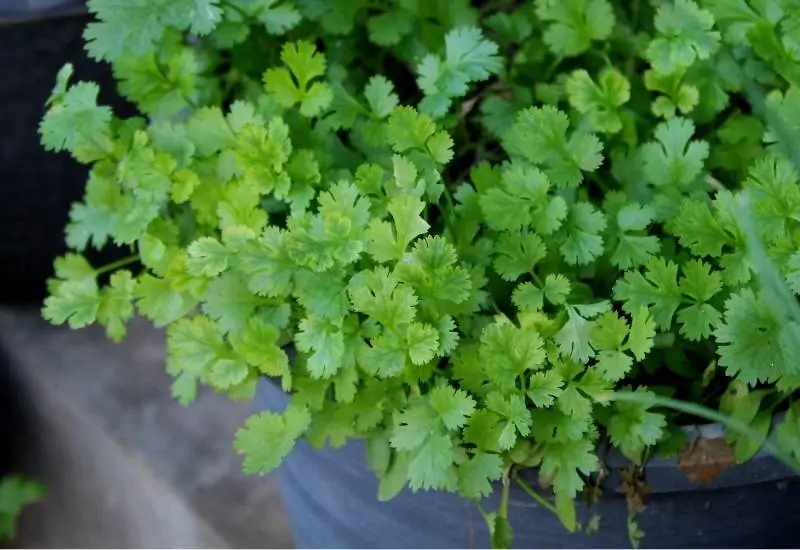
Cilantro likes cooler temperatures and handles partial shade well. Too much sun or heat causes it to flower early, so a little shade can be helpful.
Cilantro grows quickly. So, try planting new seeds often. This way, you will always have fresh cilantro.
Growing Guide:
- Choose loamy, well-drained soil.
- Keep the soil lightly moist, but not too wet.
- When the stems reach 5 – 7 inches, pick them.
- Always leave one-third of the plant so it can grow back.
#3. Lemon Verbena
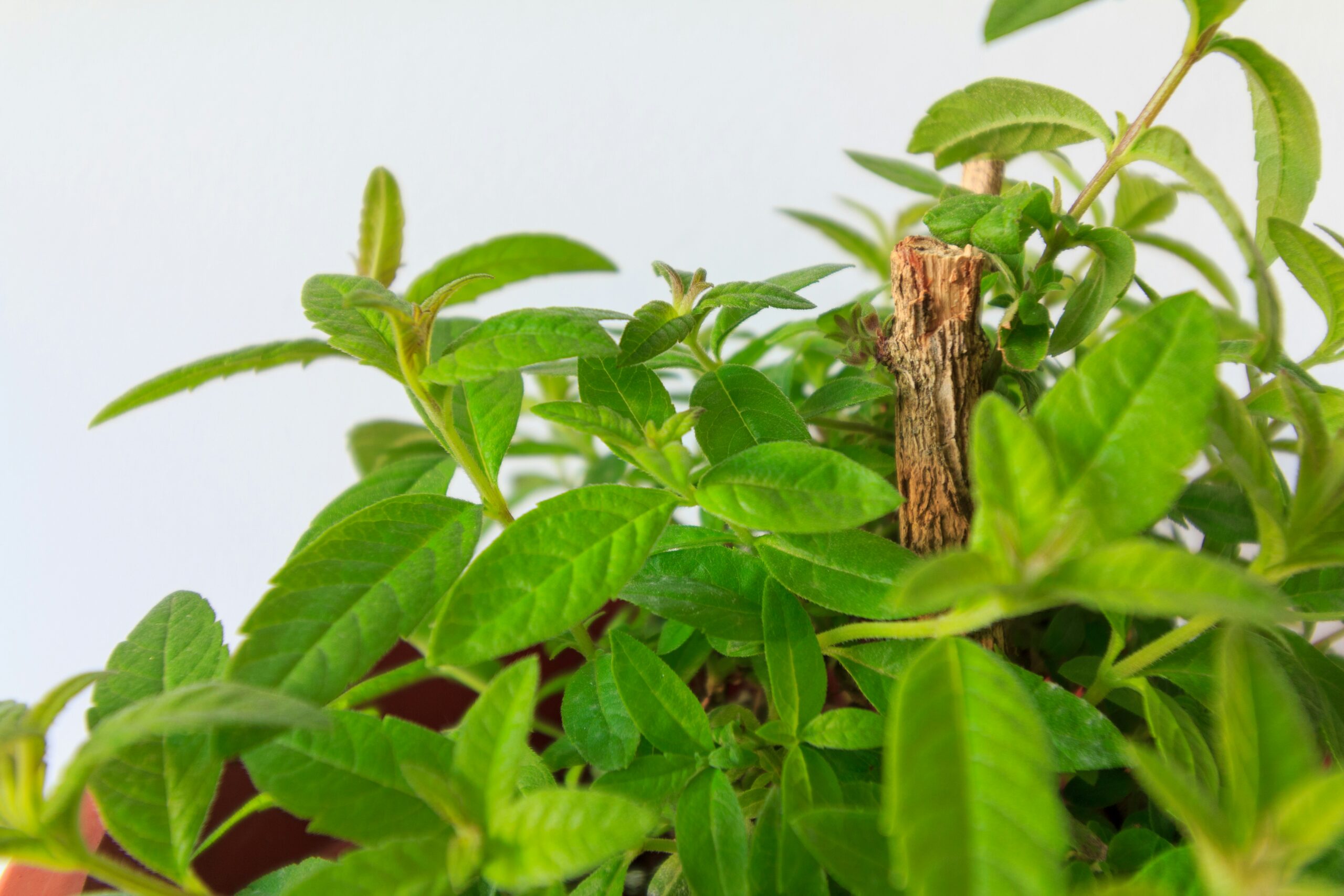
Lemon verbena gives off a bright citrus scent and keeps insects like mosquitoes away. It enjoys 4–5 hours of sun daily, but grows well in partly shaded gardens.
In colder climates, grow it in containers and bring it indoors during winter.
Growing Guide:
- Use sandy or loamy soil with good drainage.
- Avoid clay soil to prevent root rot.
- Water only when the topsoil feels dry.
- Trim regularly to manage size and shape.
#4. Bay Laurel
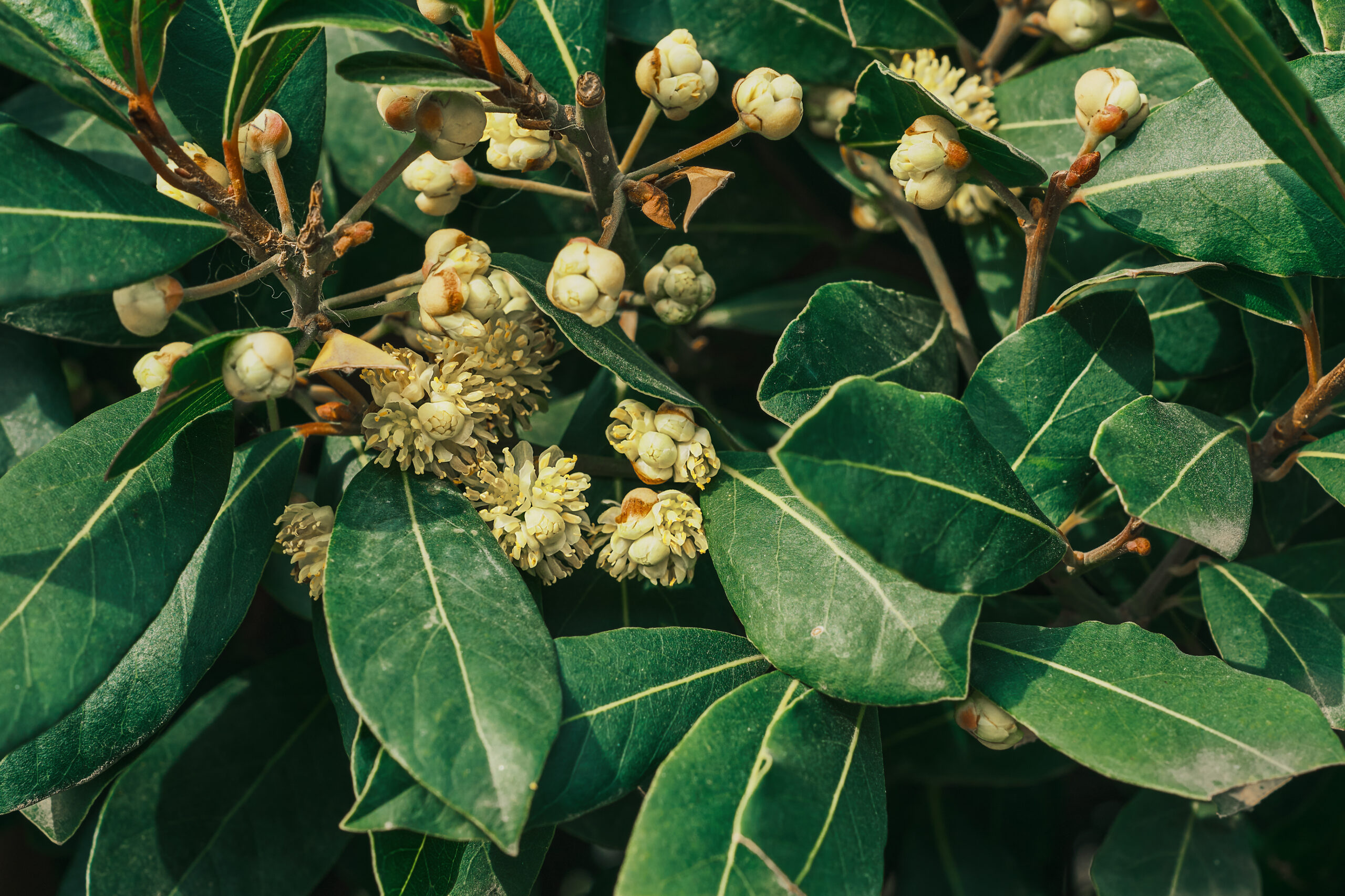
Bay laurel is a slow-growing herb that becomes a small tree or shrub. It tolerates shade but still needs bright, indirect light.
Because the leaves can harm pets, plant it somewhere animals cannot get to.
Growing Guide:
- Use soil that has lots of organic matter and is slightly acidic.
- Pick a spot that drains well to keep the base dry.
- Trim the plants in spring to keep their height in check.
- Begin harvesting leaves after the second year.
#5. Dill
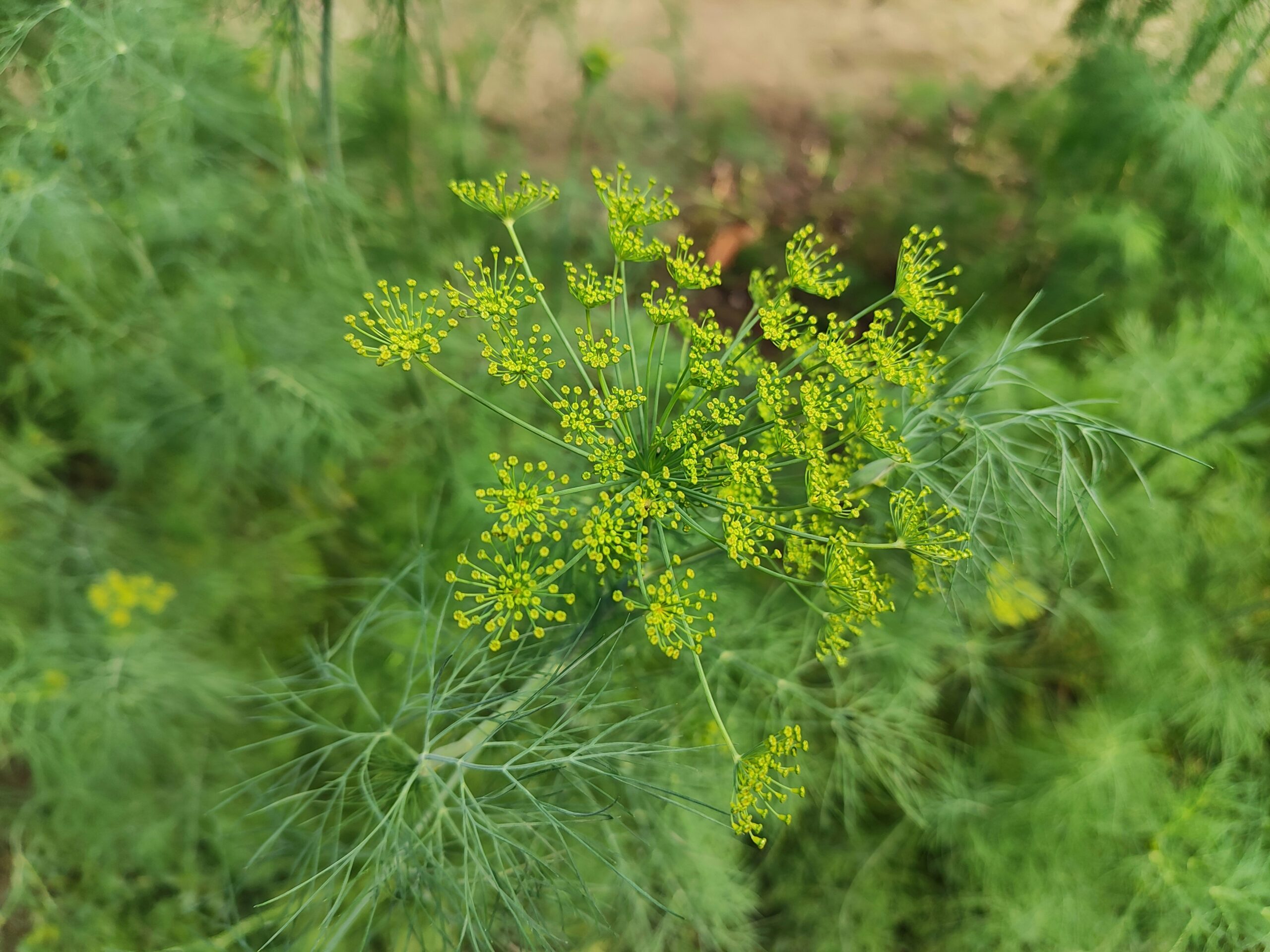
Dill grows easily in cool spots and does well with some shade and wind protection. It can attract beneficial insects and repel pests.
This herb’s fine roots need gentle care, especially during weeding.
Growing Guide:
- Pick a spot with loamy, compost-rich soil.
- Don’t disturb the roots—weed by hand.
- Clip leaves once six or more feathery fronds appear.
- Use scissors for harvesting instead of pulling.
#6. Parsley
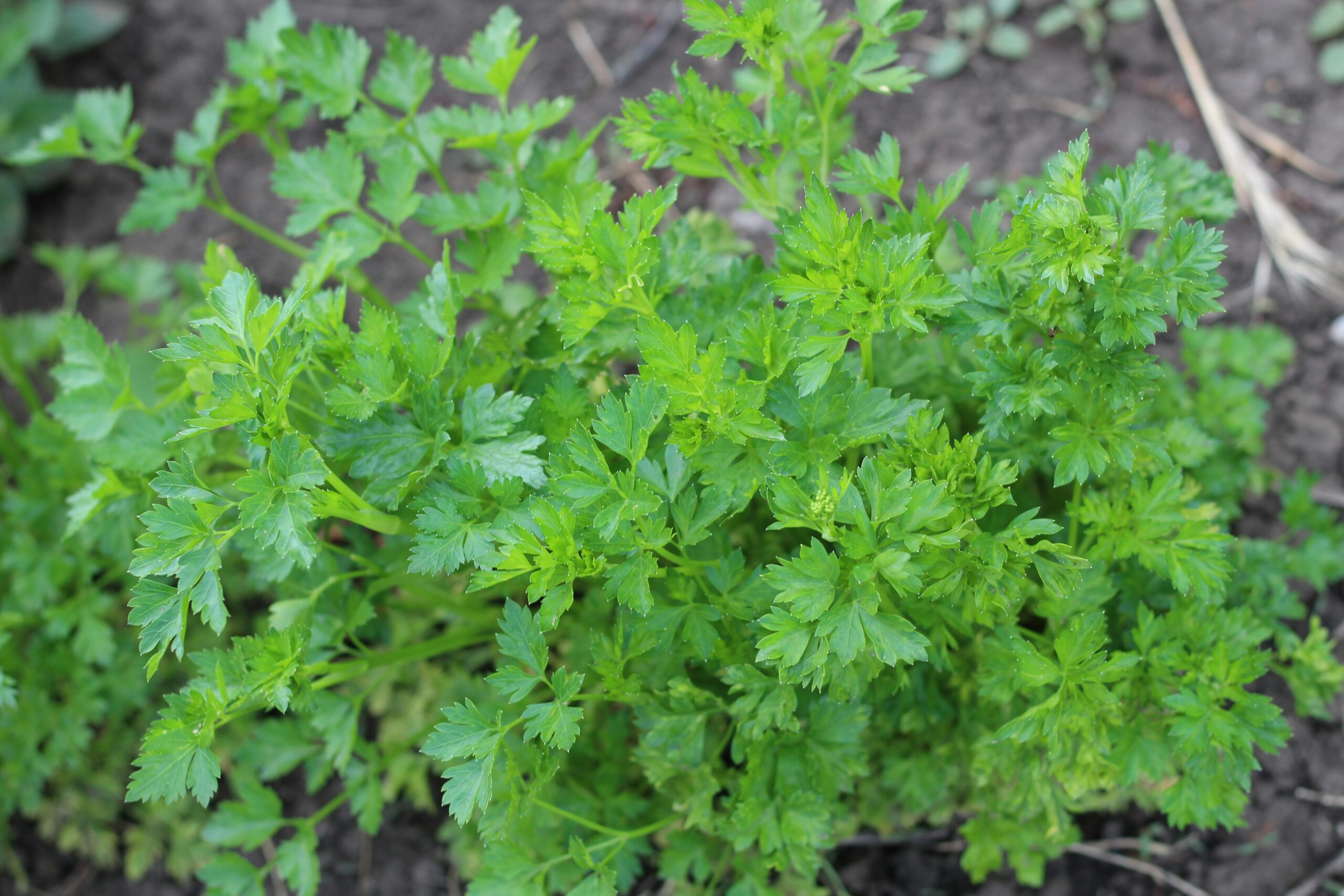
Parsley grows best in cool weather, like spring and fall. It can flower quickly in hot weather, so some shade helps it stay fresh longer.
There are two common types: curly leaf and flat-leaf. Each has one-of-a-kind texture and flavor.
Growing Guide:
- Use rich soil with added compost or aged manure.
- Let the soil surface dry between waterings.
- Begin harvesting once stems are 4 inches tall.
- Cut as needed to encourage new growth.
#7. Tarragon
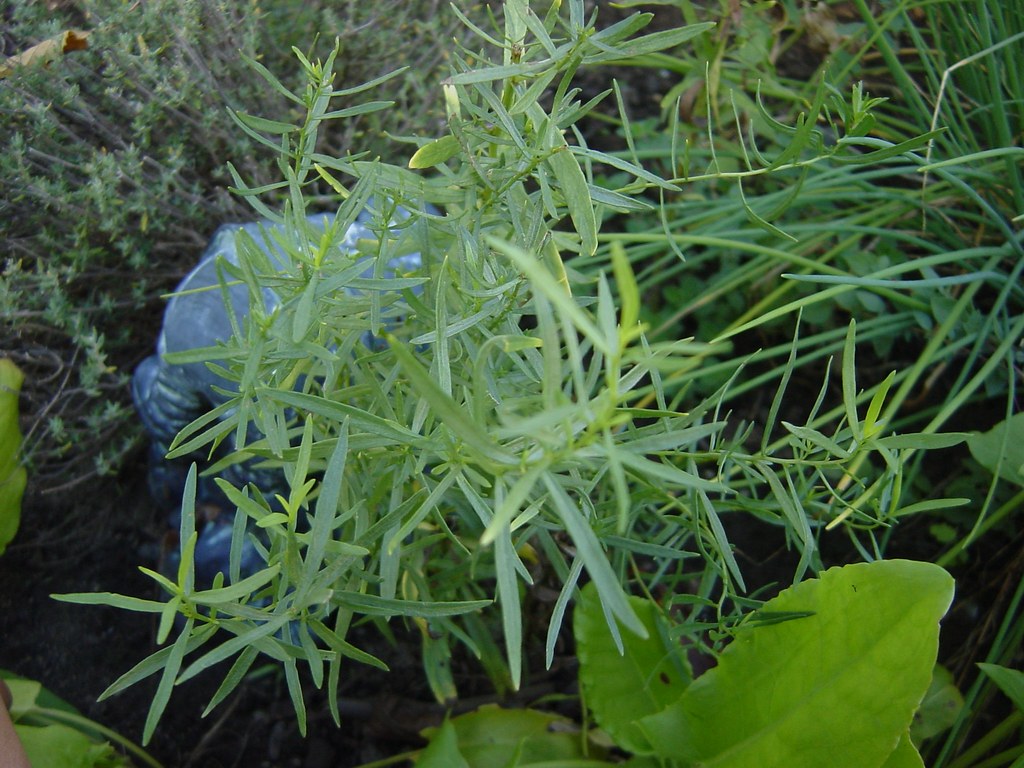
Tarragon thrives with 4–5 hours of sunlight but doesn’t mind occasional shade. French tarragon is preferred for cooking, while Russian tarragon is better suited to colder climates.
Tarragon has a mild licorice flavor. In addition, it is easy to care for.
Growing Guide:
- Plant in loose soil that drains well.
- Keep the soil from getting too wet.
- Plant in pots if you want to improve drainage.
- The soil must be dry before you water it again.
- Snip fresh leaves with scissors when needed.
#8. Sorrel
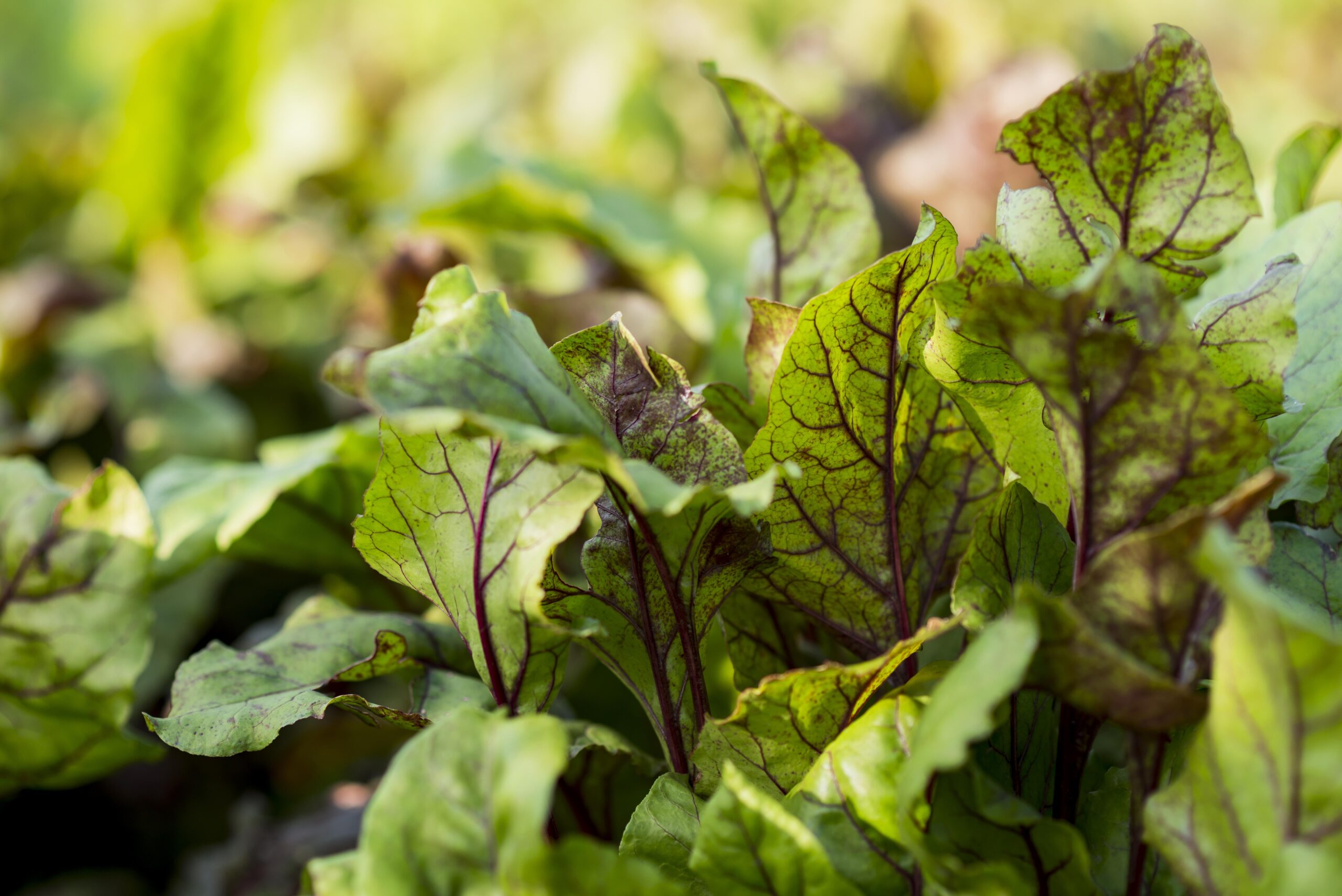
Sorrel is a tough plant that grows back each year. It loves shade. Sorrel young leaves have a flavor like lemon.
Growing Guide:
- Select rich soil which can drain well.
- Water often but avoid watering too much.
- Hold water by adding mulch.
- Use young leaves to make salads.
#9. Valerian
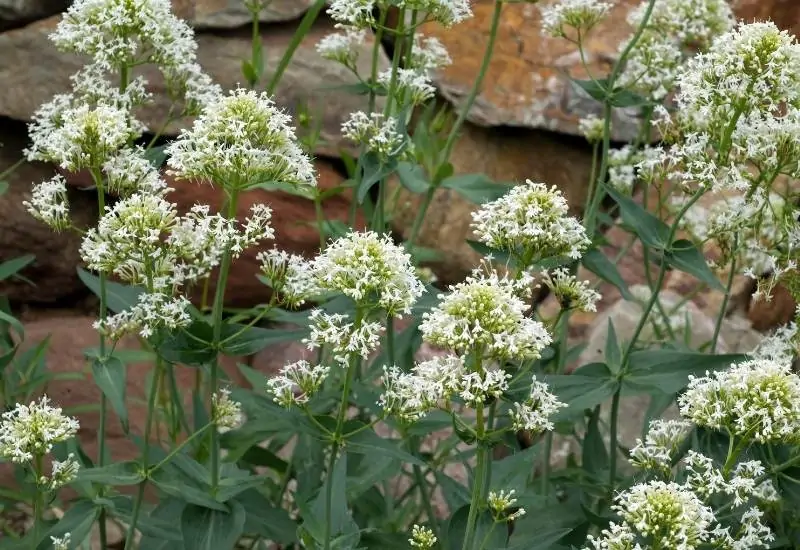
V
People often grow Valerian for their roots. They use the roots to make tea, which helps them sleep better.
In fact, Valerian likes the sun, but it still grows in partial shade and adds beauty with its clusters of white flowers.
Pollinators, especially butterflies, are drawn to Valerian blooms.
Growing Guide:
- Grow several in one spot to get a bigger root harvest.
- Use the soil enriched with compost.
- Harvest root sections after the second year.
- Dig roots in early spring or fall.
#10. Chervil
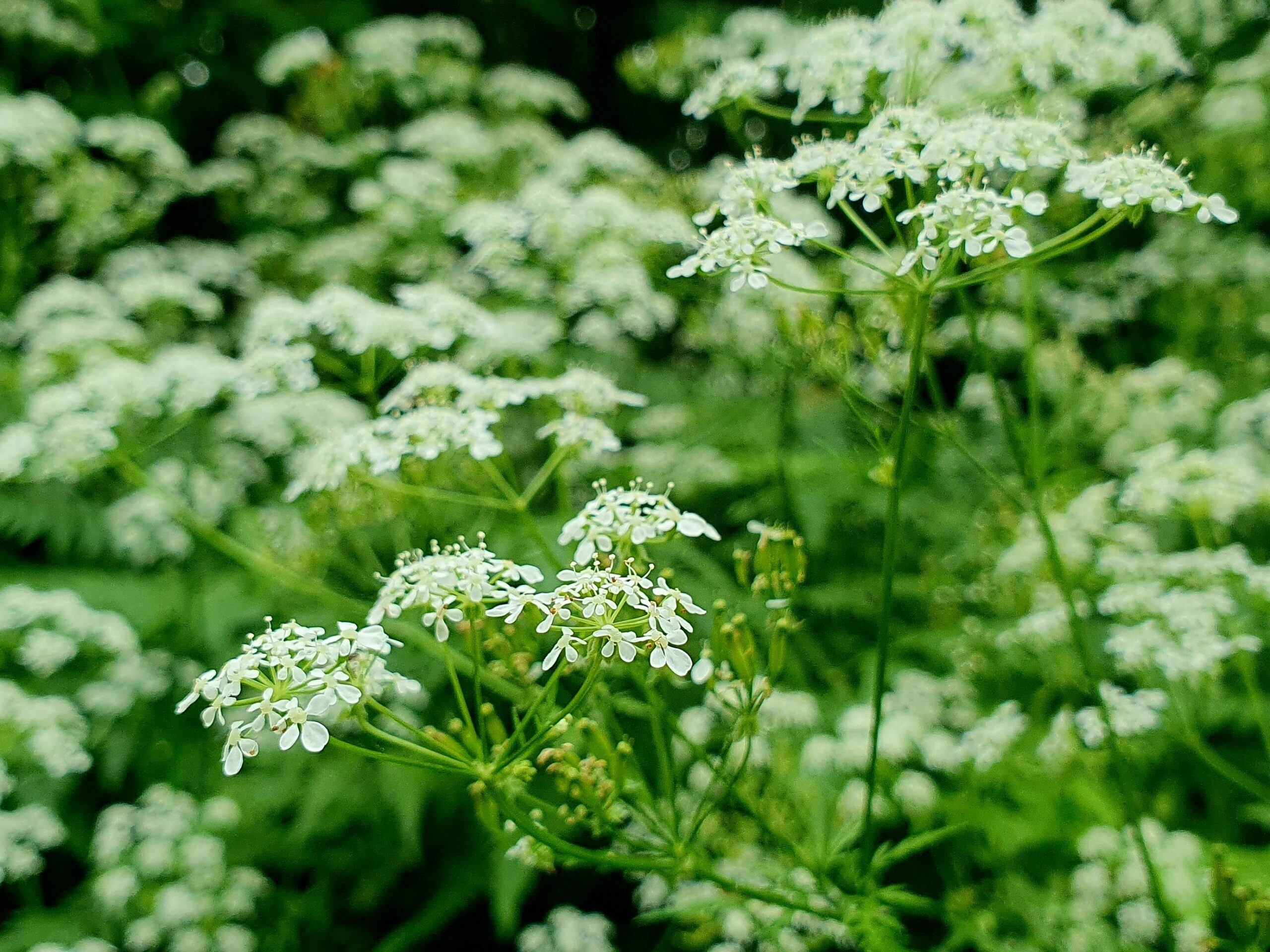
Chervil, also known as French parsley, is part of the parsley family. It grows best in cool weather. The plant likes filtered light, not direct sun.
Chervil has a delicate flavor so you can pair it with many dishes (eggs, vegetables, sauces).
Growing Guide:
- Start seeds in spring.
- Use compost-enriched loamy soil.
- Sow new seeds every few weeks for a steady crop.
- Keep the soil moist but not soaked.
- Cut near the base when you want to harvest.
#11. Lovage
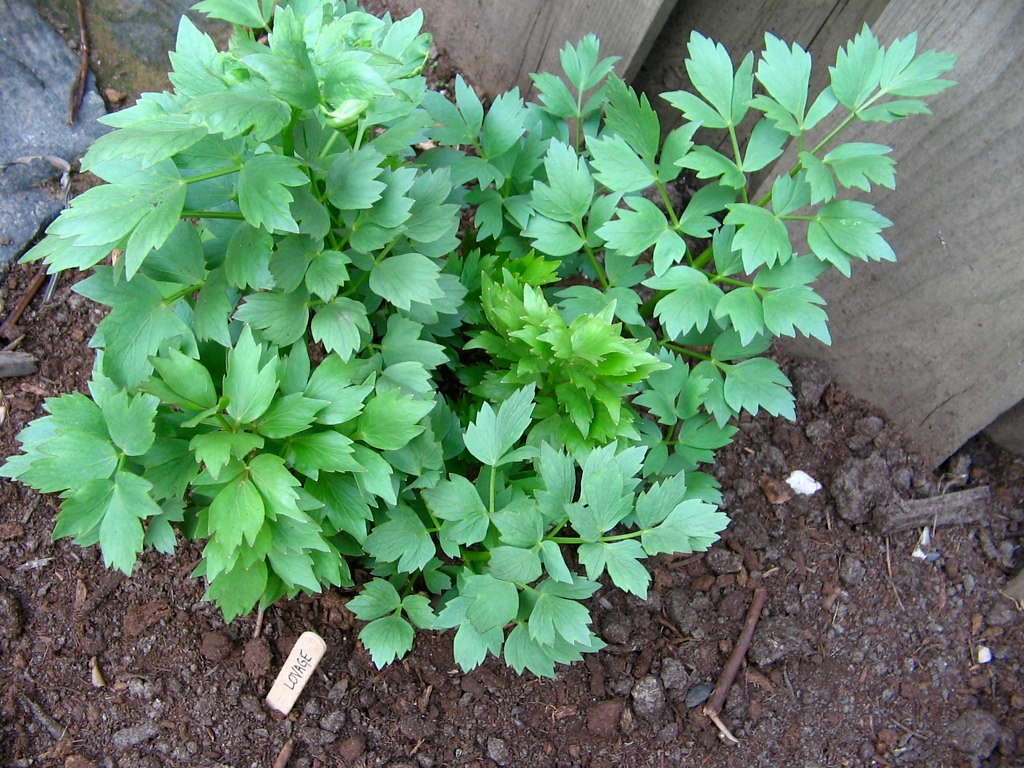
The next hardy plant that doesn’t require replanting each year is lovage. It brings flavor, beauty, and benefits to shady spots, too.
Moreover, lovage likes cooler weather and some shade. In summer, it grows lemony leaves and bright yellow flowers.
Growing Guide:
- Grow it in rich soil with a slight acidity.
- Give it enough water.
- Only mulch around the plant base.
- Prune to manage bushy growth.
- Leave at least 1/3 of the plant intact when you harvest.
#12. Catnip
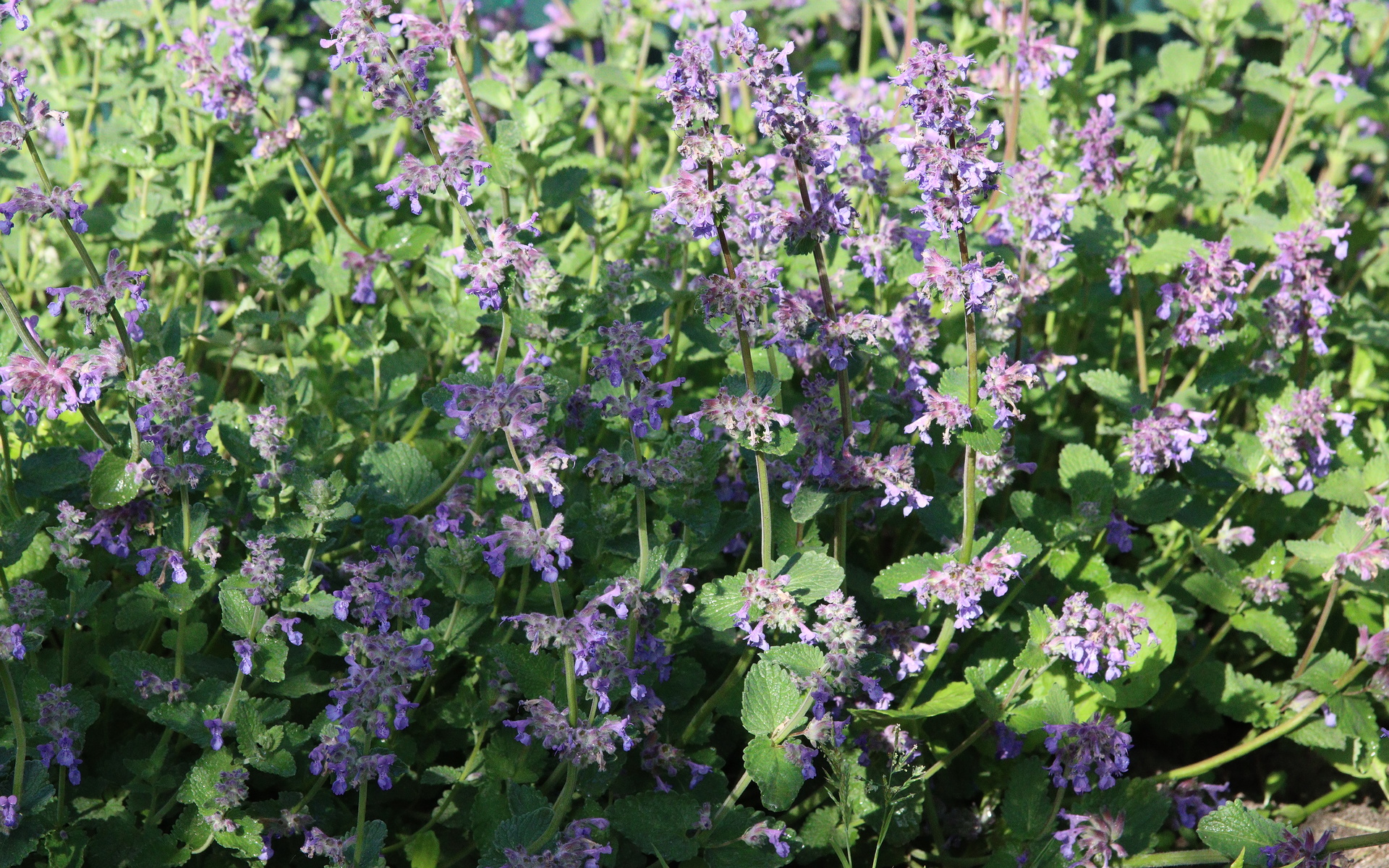
Catnip grows well in partly shaded garden corners with slightly wet soil. It often attracts cats. So, you should keep it away from delicate plants.
In addition to entertaining cats, people also use catnip for herbal teas.
Growing Guide:
- Plant seeds or cuttings in spring.
- Pick rich soil and keep it well watered.
- Trim often to promote fresh growth.
- Remove flowers to extend the harvest period.
- Harvest leaves and stems as needed; drying intensifies the scent.
#13. Chamomile
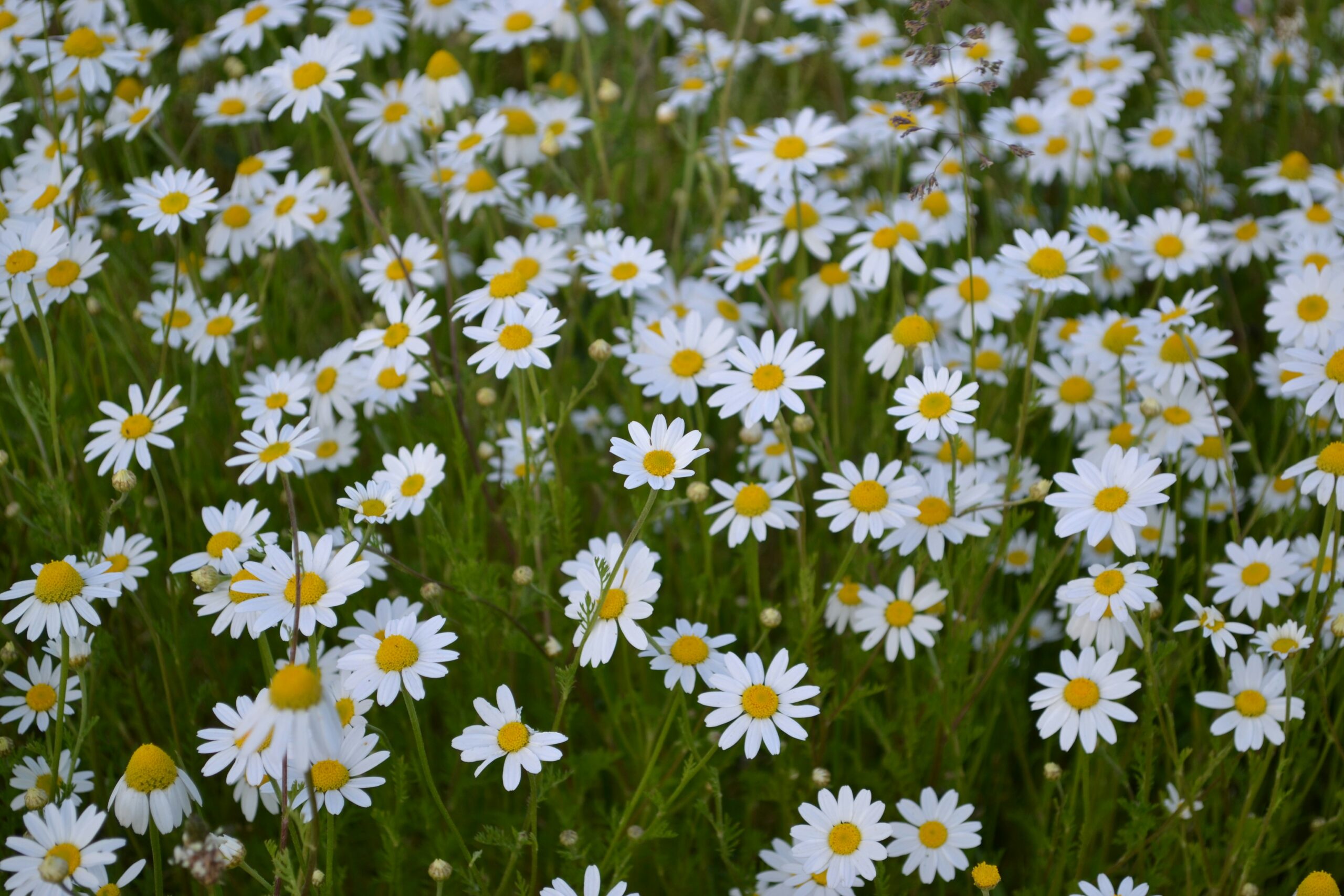
German and Russian chamomile are shade-tolerant herbs known for their daisy-like flowers and soothing teas.
Chamomile can grow well with 4 to 5 hours of sunlight. They enjoy shade in hot weather, too.
Growing Guide:
- Plant in fertile soil.
- Water sparingly, as chamomile can endure drought well.
- Harvest flowers when you see they fully open.
- Provide simple care because chamomile just need little maintenance.
#14. Herb Fennel
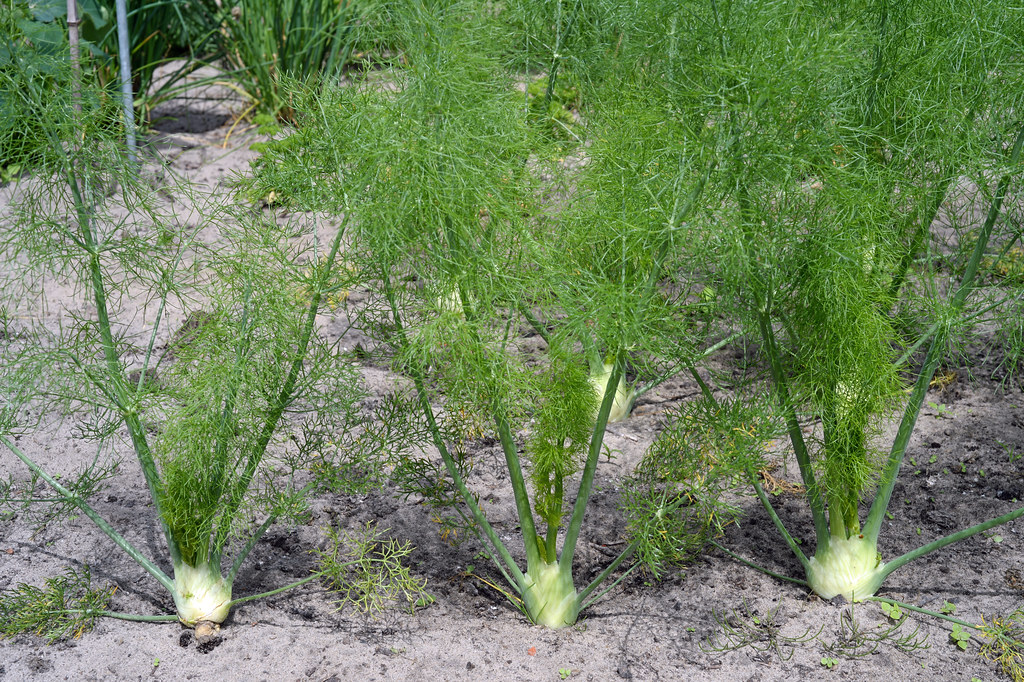
Herb fennel has fragrant, feathery leaves and grows well in shade or poor spots. Don’t mix it up with bulb fennel, which is grown for its root.
Herb fennel may look like dill but in fact, they are different. So, you should keep them apart to prevent cross-pollination.
Growing Guide:
- Use moist soil.
- Tolerates various soil types but prefers fertile ground.
- Harvest leaves continuously throughout the season.
#15. Hyssop
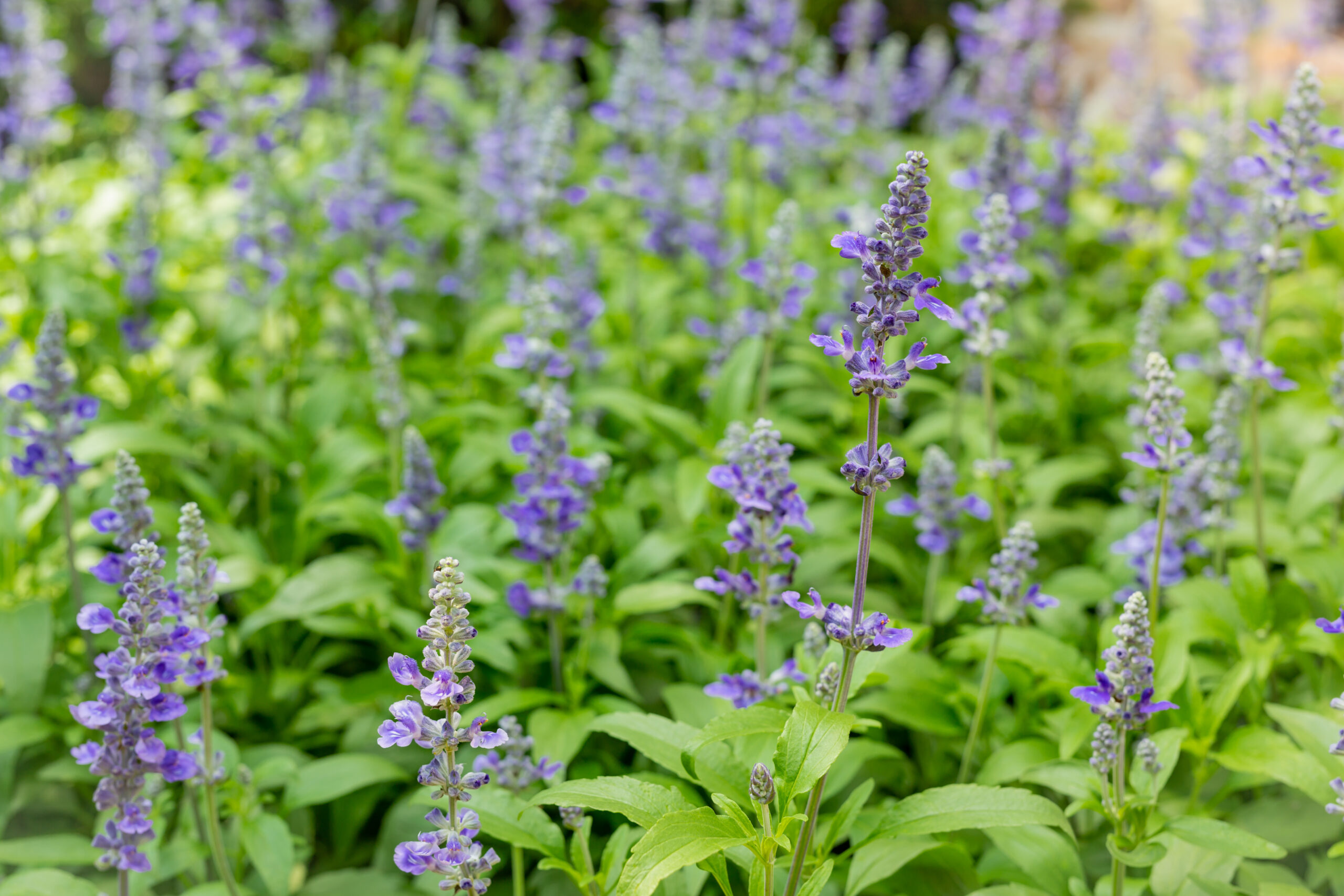
Hyssop is a perennial herb with tall purple flower spikes. It prefers full sun but you can grow them in partial shade and attracts bees and butterflies.
Both leaves and flowers have culinary and medicinal uses, traditionally aiding digestion and respiratory health.
Growing Guide:
- Plant in rich soil which can drain well.
- Water only when the soil feels dry.
- Harvest young leaves early in the day without washing to keep oils intact.
Top Tips to Help Herbs Grow Better in Shaded Areas
Shady areas can still grow herbs. Follow the tips below to help shade-loving herbs stay strong and healthy.
1. Choose Herbs That Naturally Grow in Shade
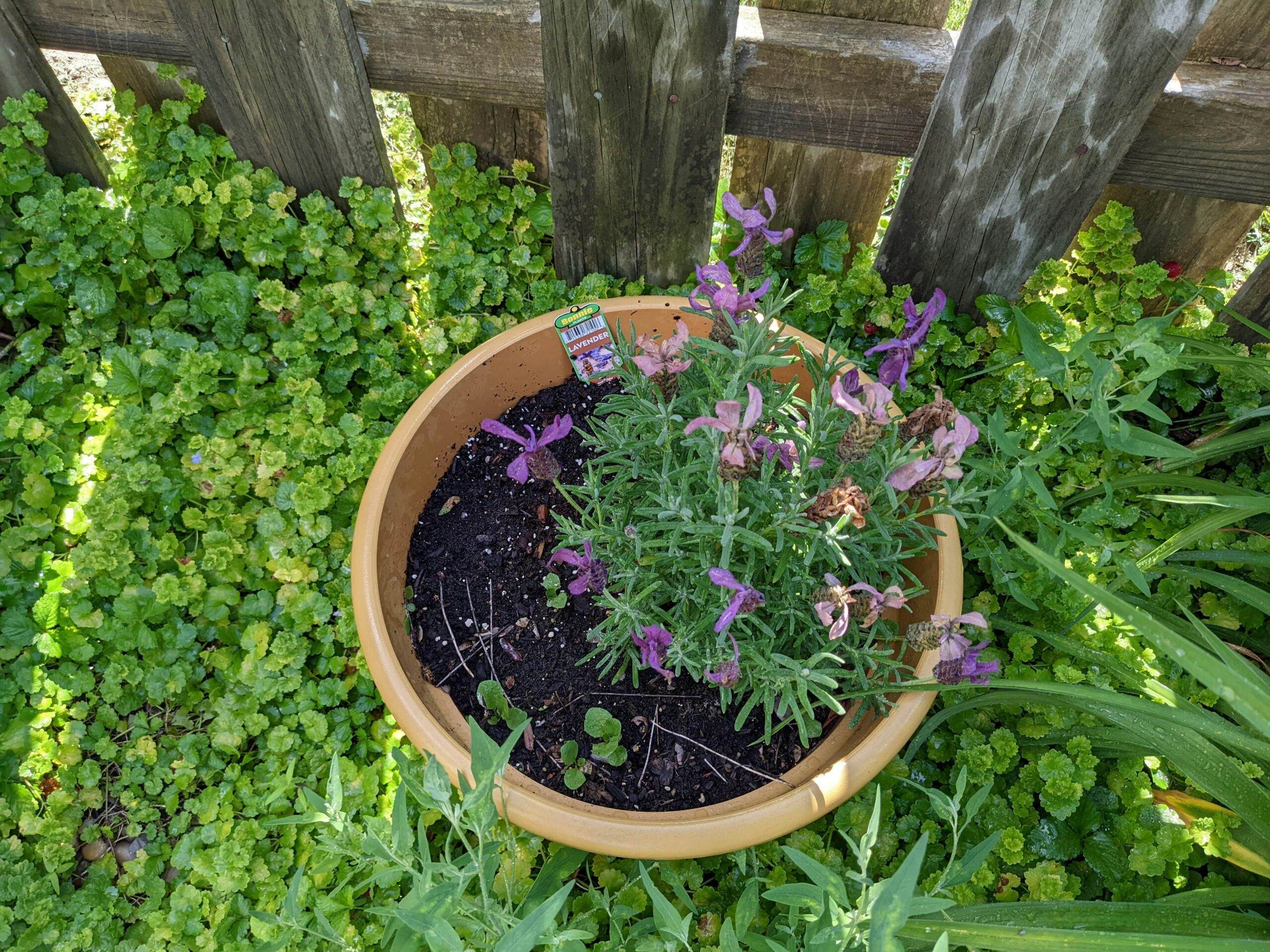
You should select herbs that naturally adapt to low-light spots. Not all herbs do well in the shade.
Some, like rosemary and thyme, need full sunlight to grow well and will likely fail in shaded conditions.
Before planting, you must understand the light requirements of the plants.
For example, lemon balm, parsley, mint, and chervil are great choices for dappled or partial shade.
Always choose based on the specific needs of the plant.
2. Keep Airflow Steady Around Shaded Plants
Shaded areas often sit near walls, fences, or beneath large trees. The structures can block wind, which makes the air feel heavy and still. So, herbs in these spots need more space to breathe.
To improve airflow, you should:
- Avoid crowding the plants
- Space herbs a few inches farther apart
- Prune excess leaves or stems that block circulation
Good airflow reduces the chance of fungus and rot, especially in humid areas.
3. Improve Soil Quality in Shady Garden Areas
Shady spots often have cooler, wet soil. Herbs you grow here often need rich, loose soil to stay healthy.
When sunlight is low, good nutrition matters more.
Tips for improving the soil in the spots:
- Mix in compost or aged manure
- Use sand, perlite, or coco coir if the soil is clay-heavy
- Avoid waterlogged conditions by improving drainage
Growing herbs in raised beds or pots is also an option if garden soil holds too much moisture.
4. Trim Bushy Herbs to Let in Extra Light
Many herbs that like shade can grow full and leafy. This dense growth can block what little sunlight there is. Trimming helps open the plant up and allows more light to filter through.
- Cut back large herbs that tower over smaller ones
- Remove dense growth to reduce self-shading
- Harvest leaves regularly to keep plants tidy
The bonus? Pruned leaves can go straight into the kitchen.
5. Water Less Often Than in Sunny Spots
Shaded gardens dry out more slowly than sunny spots. Herbs need less frequent watering where light is limited. Too much moisture can lead to soggy roots and fungal issues.
Begin with a light watering routine. Check the soil before each watering. If the top inch feels moist, hold off. Adjust based on how quickly the soil dries.
Pay attention to each herb’s preference—some like more moisture than others—but always factor in the lower evaporation rate in the shade.
By choosing the right herbs and adjusting care to match shady conditions, it’s possible to grow a productive and beautiful herb garden even without full sun.
Final Words
You don’t need a sunny garden to grow a rich and tasty herb patch. Some herbs like low light and do well with just a few hours of sun.
With the right plants and good care—like pruning, feeding the soil, and watering right—shady spots can still produce plenty.
Why let shade stop you? Grow these herbs and enjoy the results.
