
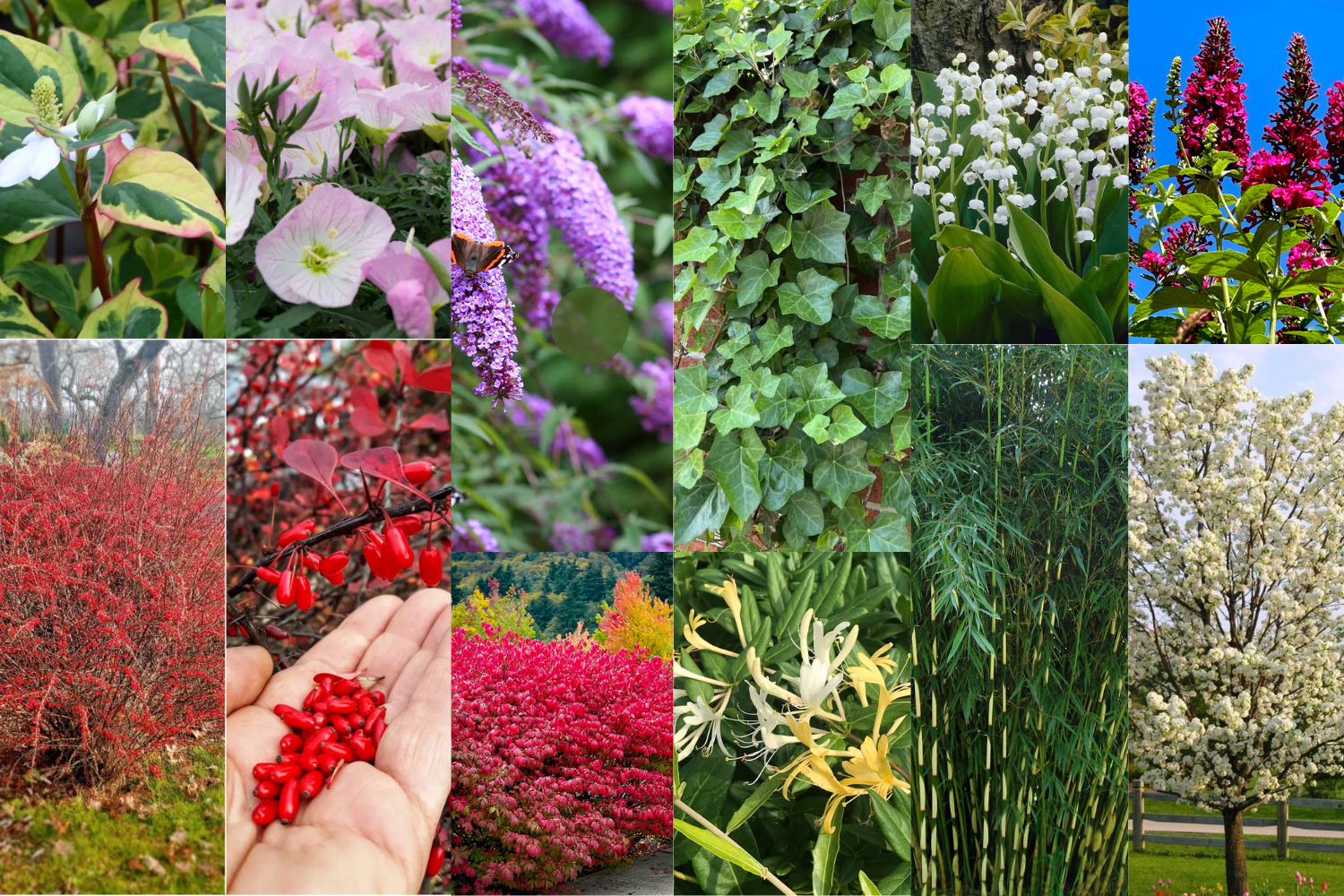
If you’ve ever wandered through a garden center, you know the feeling—rows of vibrant flowers, unusual leaves, and exotic shapes all calling out to be taken home. Every plant promises beauty, texture, or a touch of the extraordinary for your landscape. But here’s the catch: not every plant is as innocent as it looks.
Some species are what I call “silent invaders.” They might start off as a charming addition to your garden bed, but within a few seasons, they can overtake your space, damage nearby habitats, and become nearly impossible to remove. Even worse, some are harmful to pets, wildlife, or even humans.
In this article, we’ll explore 11 plants you should think twice about buying. Some are officially classified as invasive in certain states, while others have simply earned a bad reputation from gardeners who’ve fought and lost the battle to control them. For each one, I’ll also suggest safe, beautiful alternatives so you can enjoy your garden without future regrets.
Contents
- 1 1. Chameleon Plant (Houttuynia cordata)
- 2 2. Lily of the Valley (Convallaria majalis)
- 3 3. Butterfly Bush (Buddleja davidii)
- 4 4. Ornamental Callery Pear (Pyrus calleryana)
- 5 5. Running Bamboo (Phyllostachys spp.)
- 6 6. Burning Bush (Euonymus alatus)
- 7 7. Japanese Barberry (Berberis thunbergii)
- 8 8. Scotch Broom (Cytisus scoparius)
- 9 9. English Ivy (Hedera helix)
- 10 10. Japanese Honeysuckle (Lonicera japonica)
- 11 11. Mexican Evening Primrose (Oenothera speciosa)
- 12 Conclusion – Choose Beauty Wisely
1. Chameleon Plant (Houttuynia cordata)
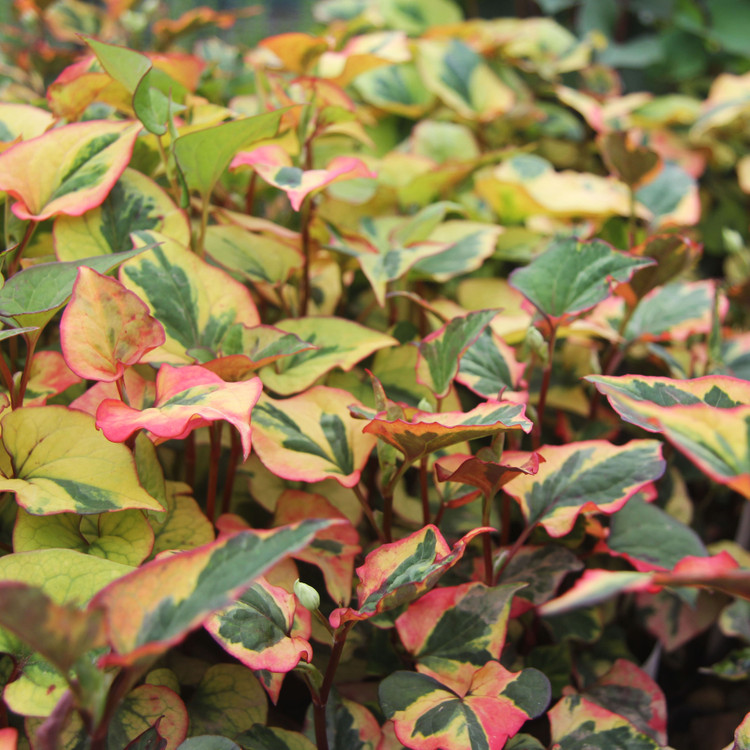
At first glance, the Chameleon Plant is a showstopper. Its leaves are splashed with shades of green, cream, and red, and it thrives in moist soil and partial shade. But here’s the problem—it spreads like wildfire through a network of fragile rhizomes. These underground stems break easily, and even the tiniest piece left in the soil can sprout a new plant.
I learned this the hard way. More than ten years ago, I planted one, thinking it would be a colorful ground cover. I’ve been digging, pulling, and cursing it ever since—and it still pops up every spring.
Better choice: Coral bells (Heuchera) or foamflower (Tiarella). Both offer stunning foliage in a range of colors and grow in neat clumps that stay where you put them.
2. Lily of the Valley (Convallaria majalis)
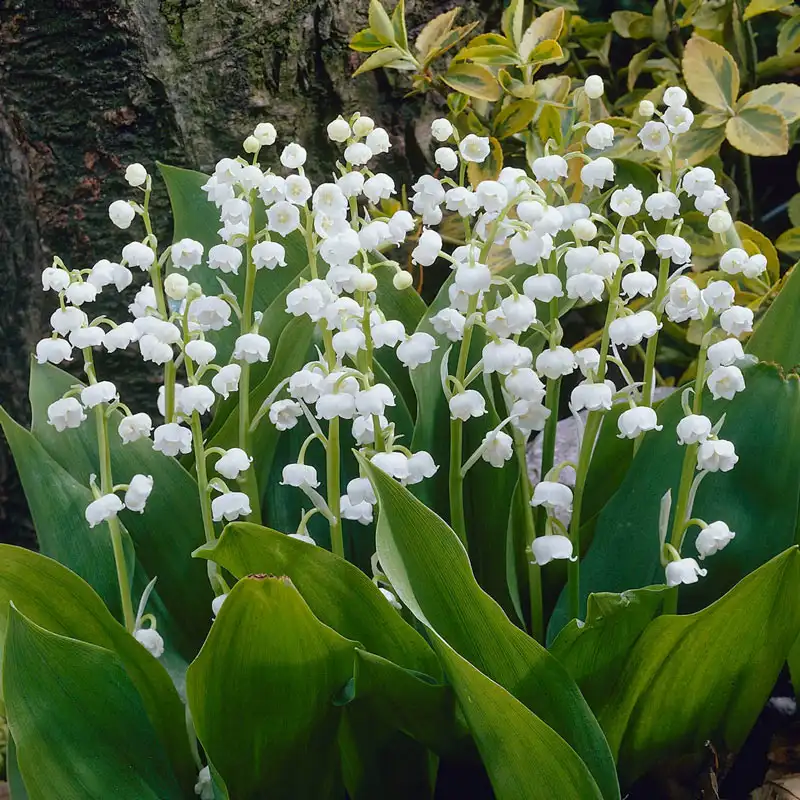
Few plants look as sweet as lily of the valley, with its nodding white bells and heavenly fragrance. Unfortunately, it’s a wolf in sheep’s clothing. This plant spreads aggressively via rhizomes and can quickly form dense colonies that crowd out other plants.
To make matters worse, all parts of the plant are highly poisonous. In some states, it’s even listed as an invasive species because of its rapid spread in woodlands and gardens.
Better choice: Snowdrops (Galanthus), white bellflower (Campanula), or white balloon flower (Platycodon grandiflorus)—all offer delicate blooms without the invasiveness.
3. Butterfly Bush (Buddleja davidii)
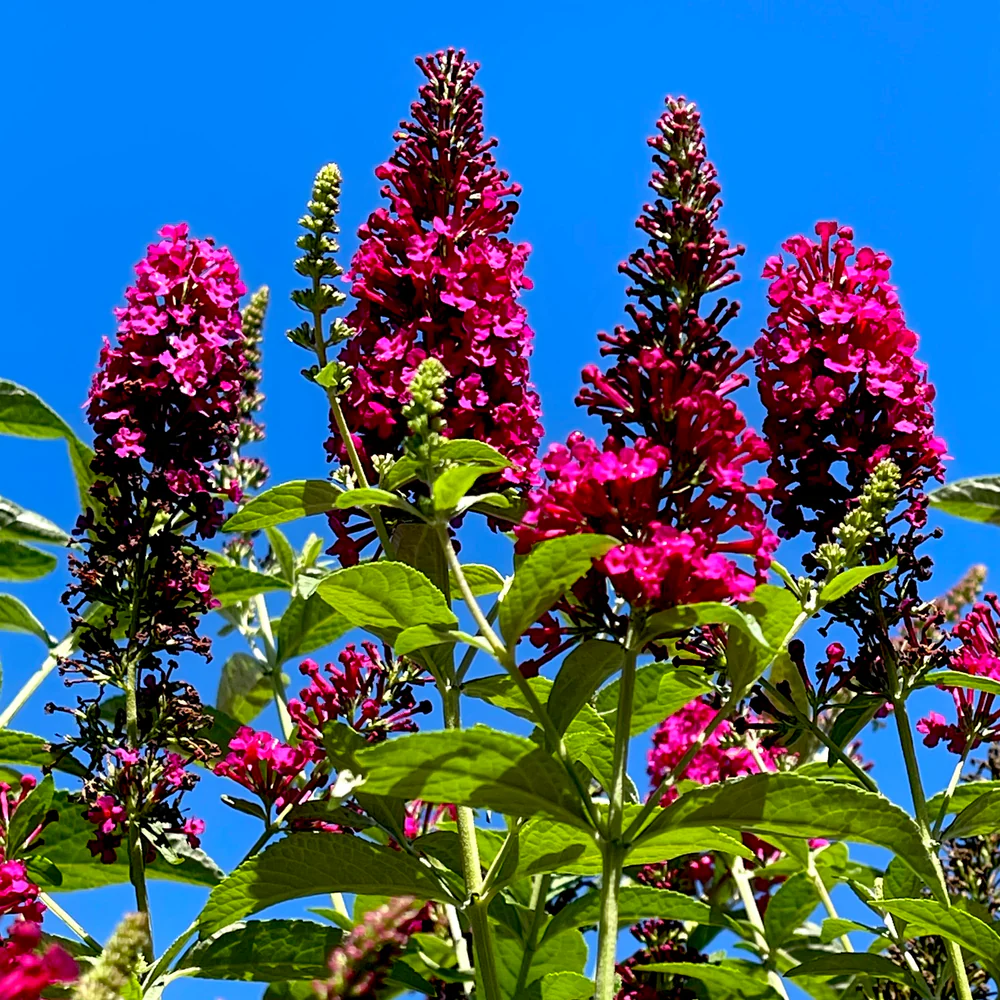
Butterfly bush is loved for its long, fragrant flower spikes and ability to attract pollinators. But in many regions, it self-seeds aggressively, invading riverbanks, meadows, and forest edges. Wild species can crowd out native plants that local butterflies actually rely on for food and habitat.
Thankfully, plant breeders have developed sterile and seedless varieties that still attract butterflies without the environmental harm.
Better choice: Sterile series like “Lo & Behold” or “Flutterby,” or native flowering shrubs such as buttonbush (Cephalanthus occidentalis).
4. Ornamental Callery Pear (Pyrus calleryana)
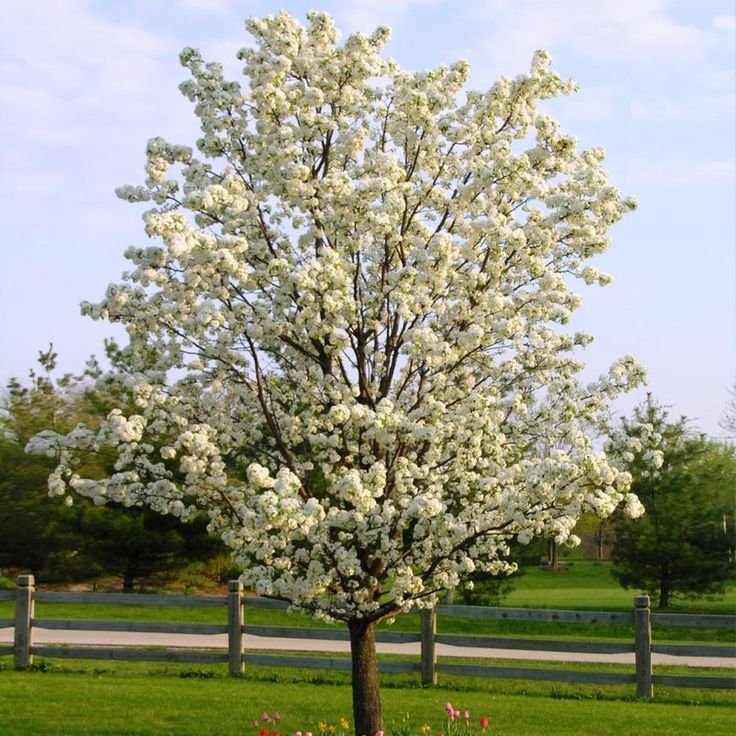
Also sold as Bradford, Cleveland Select, or Chanticleer pear, this tree was once hailed as the perfect ornamental: fast-growing, adaptable, and covered in white spring blossoms. Early marketing claimed it was sterile. Unfortunately, cross-pollination between cultivars proved otherwise, and now these trees spread aggressively into forests and fields.
They displace native trees and shrubs that wildlife depend on for food and shelter, and in some states, their sale is now banned.
Better choice: Serviceberry (Amelanchier), eastern redbud (Cercis canadensis), or flowering dogwood (Cornus florida).
5. Running Bamboo (Phyllostachys spp.)
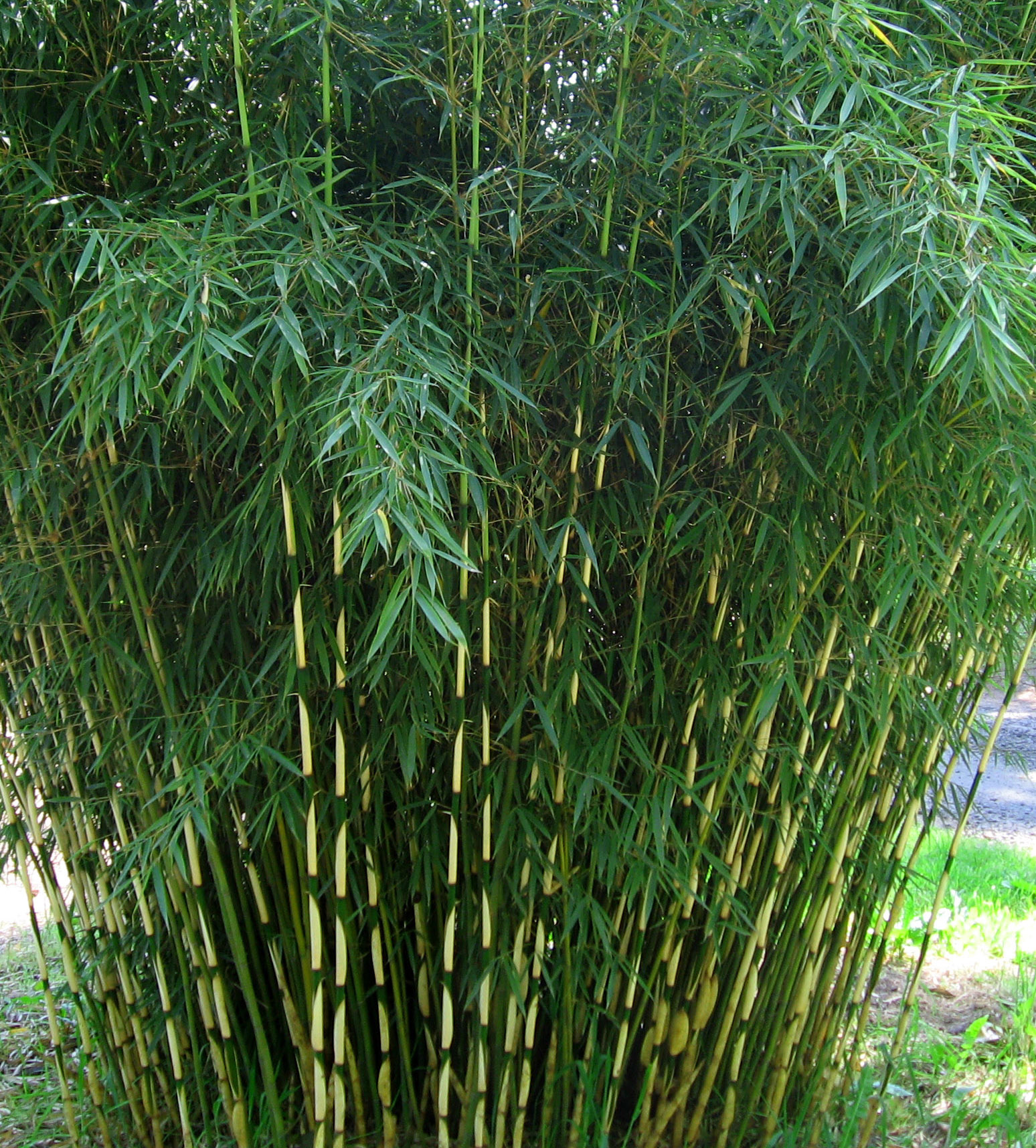
The idea of a lush bamboo screen swaying in the breeze is appealing. But running bamboo is a nightmare. Its root system can travel more than 100 feet underground, popping up in your yard, your neighbor’s yard, and beyond. Once established, removing it often means excavating large sections of soil.
Better choice: Clumping bamboo species that grow in contained clumps, or ornamental grasses like feather reed grass (Calamagrostis) for a similar vertical effect.
6. Burning Bush (Euonymus alatus)
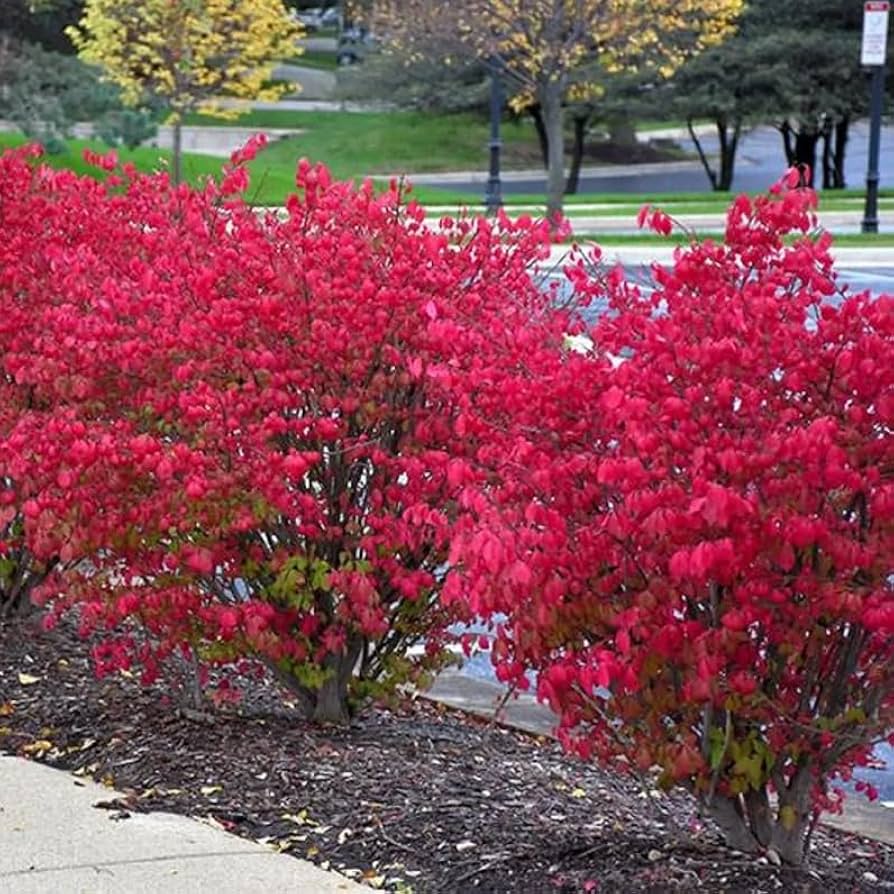
With its blazing red foliage in autumn, burning bush is a landscaper’s favorite. But it spreads easily into woodlands, where it shades out native wildflowers. In several states, including Massachusetts and New Hampshire, it’s banned from sale.
Better choice: Blueberries (Vaccinium spp.) for edible landscaping, oakleaf hydrangea (Hydrangea quercifolia), or red twig dogwood (Cornus sericea) for year-round beauty.
7. Japanese Barberry (Berberis thunbergii)
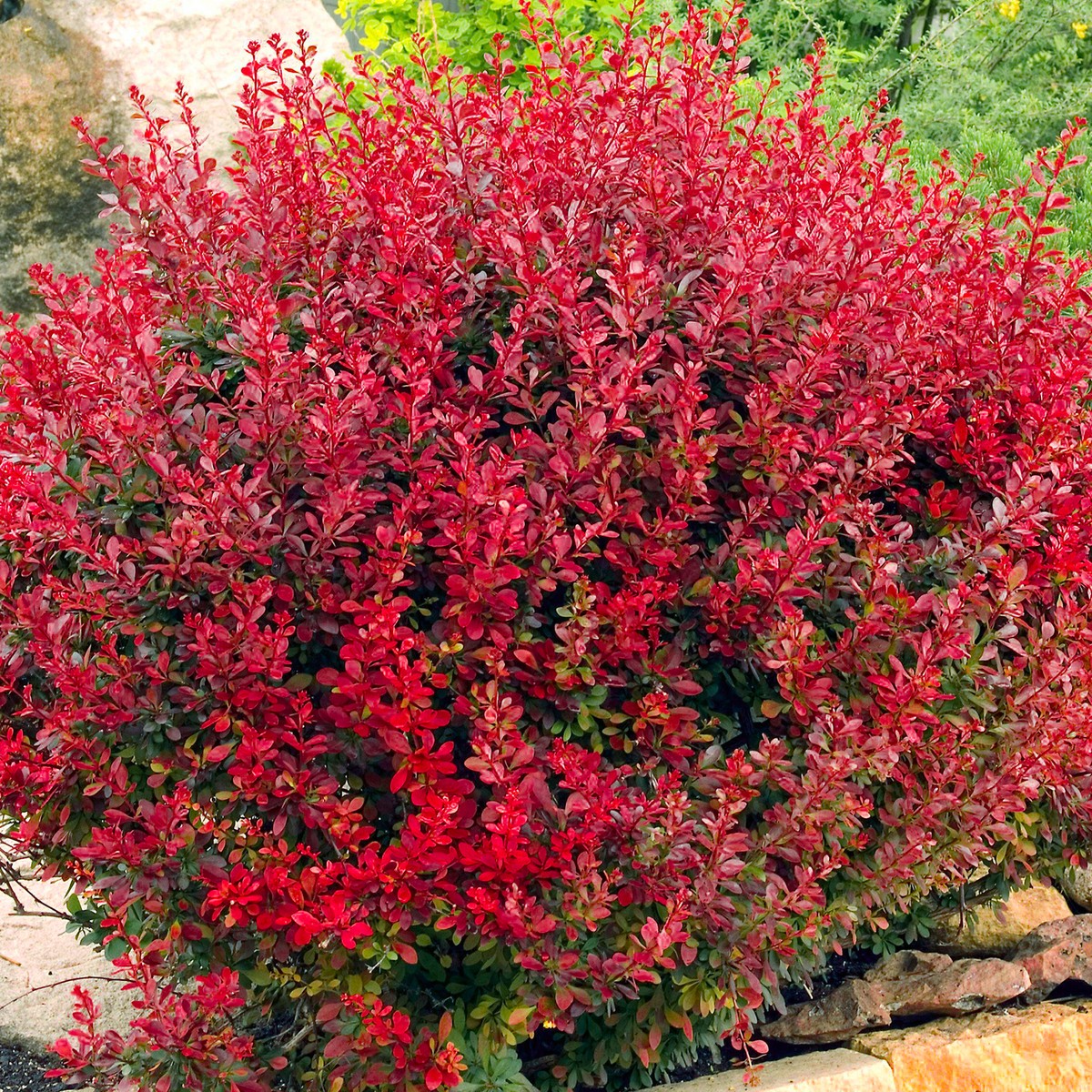
This compact shrub with red or purple foliage looks harmless, but it forms dense thickets that crowd out other plants. Worse, it creates the perfect humid environment for blacklegged ticks, which can carry Lyme disease.
Better choice: Weigela or ninebark (Physocarpus opulifolius)—both offer colorful foliage without the health risk.
8. Scotch Broom (Cytisus scoparius)
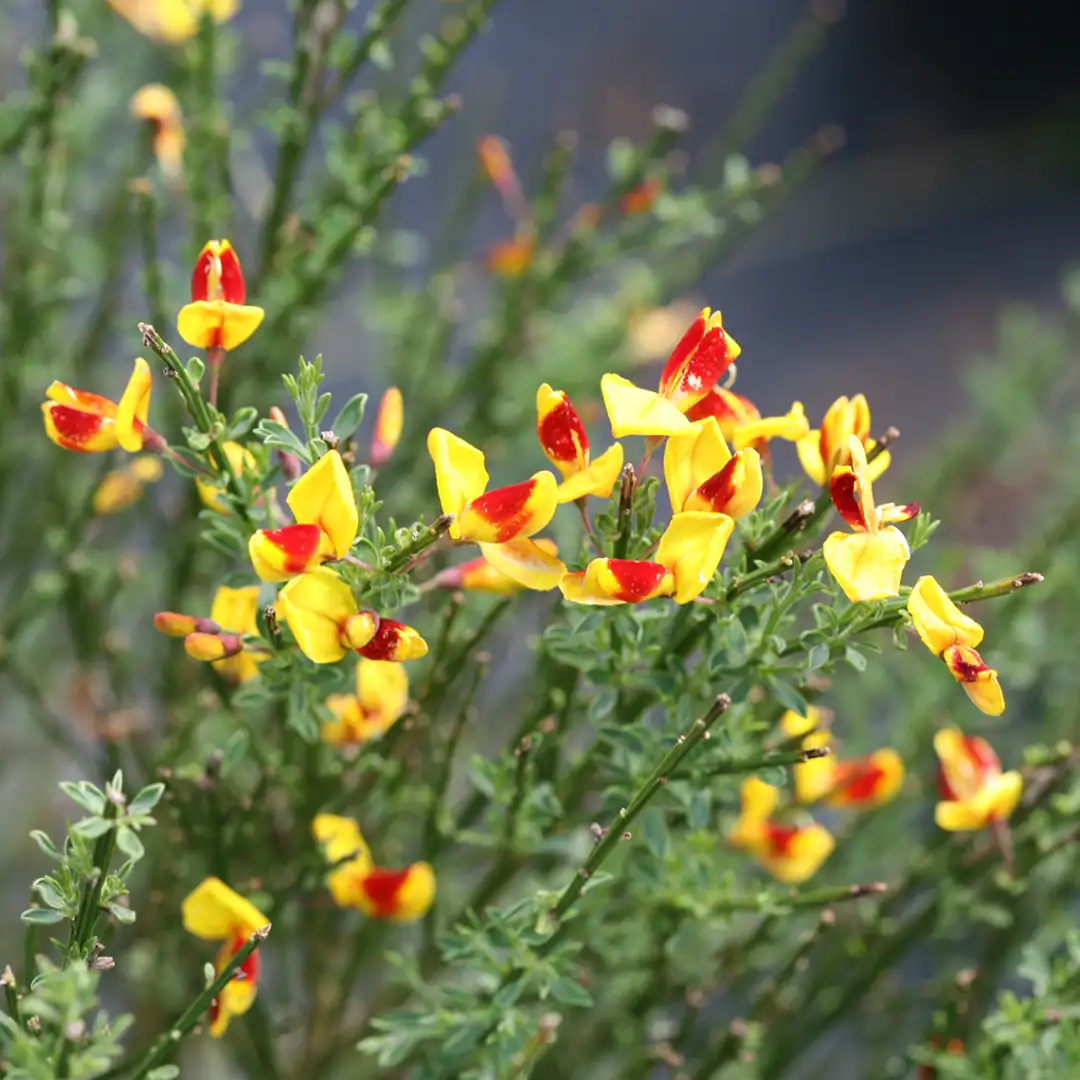
Scotch broom’s cheerful yellow flowers brighten hillsides, but this short-lived shrub can spread rapidly and release chemicals that inhibit the growth of other plants. It’s unpalatable to wildlife and can dominate an area within a few seasons.
Better choice: Yellow wild indigo (Baptisia tinctoria) or yellow-blooming azaleas for vibrant spring color.
9. English Ivy (Hedera helix)
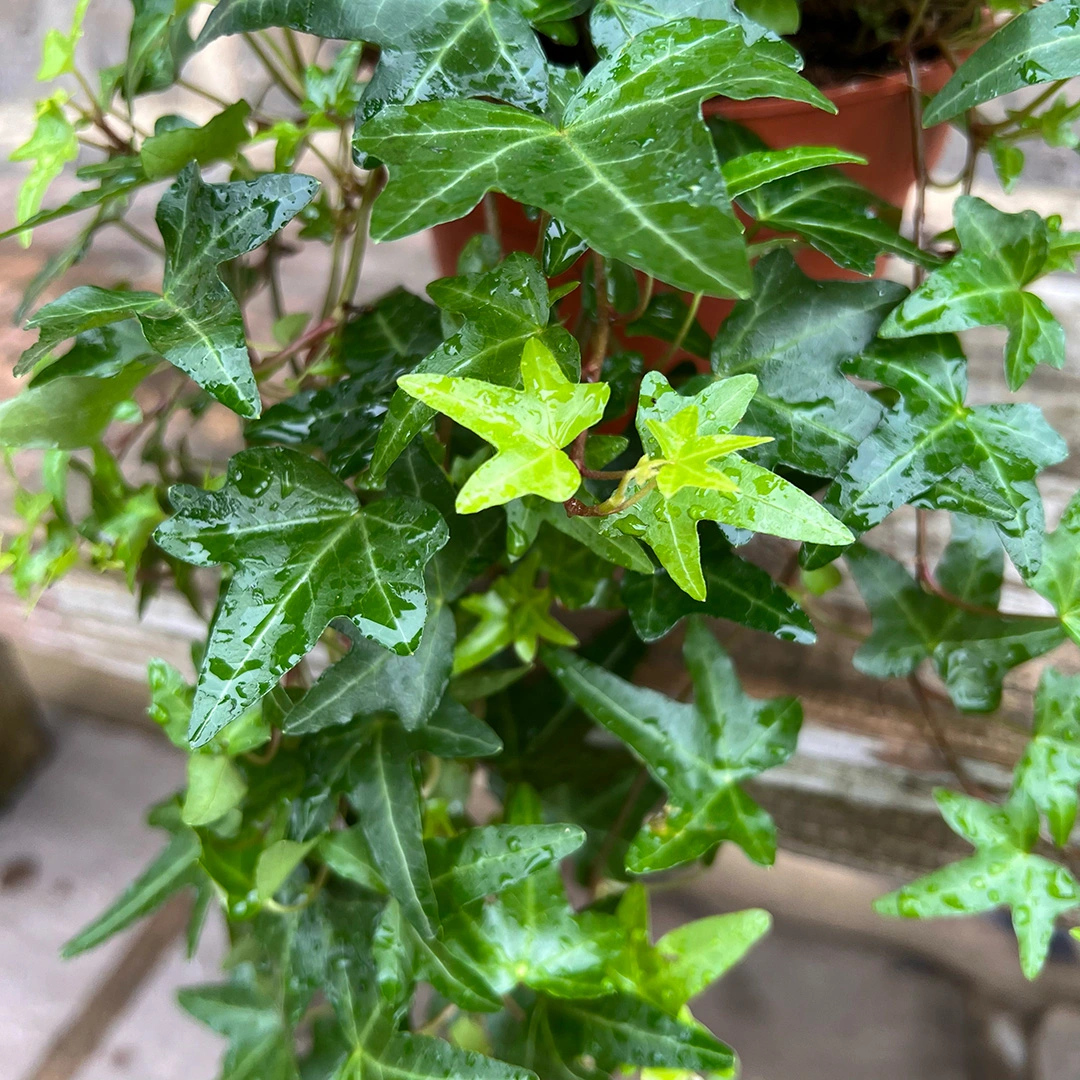
It’s the ultimate “old-world charm” plant, draping walls and tree trunks in lush green. But English ivy is highly invasive, smothering trees and damaging brickwork as it climbs. It reproduces through both creeping stems and bird-dispersed seeds, making it hard to contain.
Better choice: Climbing hydrangea (Hydrangea anomala petiolaris)—it grows more slowly, has beautiful lacecap flowers, and won’t strangle your trees.
10. Japanese Honeysuckle (Lonicera japonica)
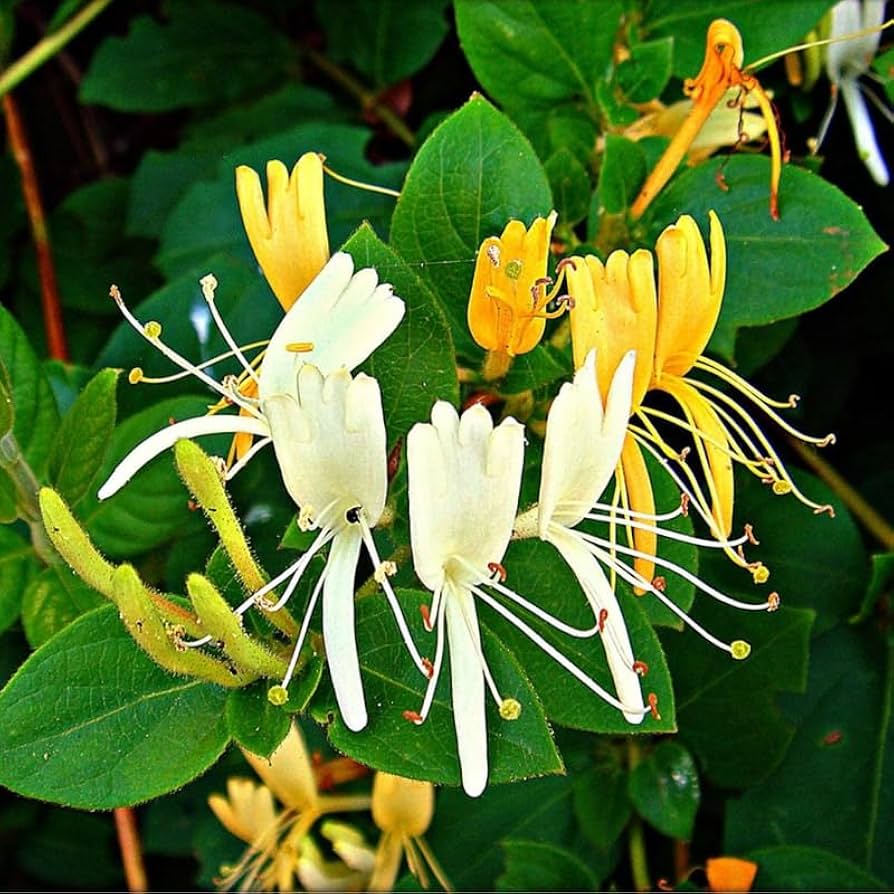
Sweetly scented and visually appealing, this vine quickly takes over, choking out native plants and disrupting ecosystems. Birds spread it by eating its berries, and in warmer climates, it grows year-round.
Better choice: Native honeysuckle species like coral honeysuckle (Lonicera sempervirens) that provide nectar without the invasiveness.
11. Mexican Evening Primrose (Oenothera speciosa)
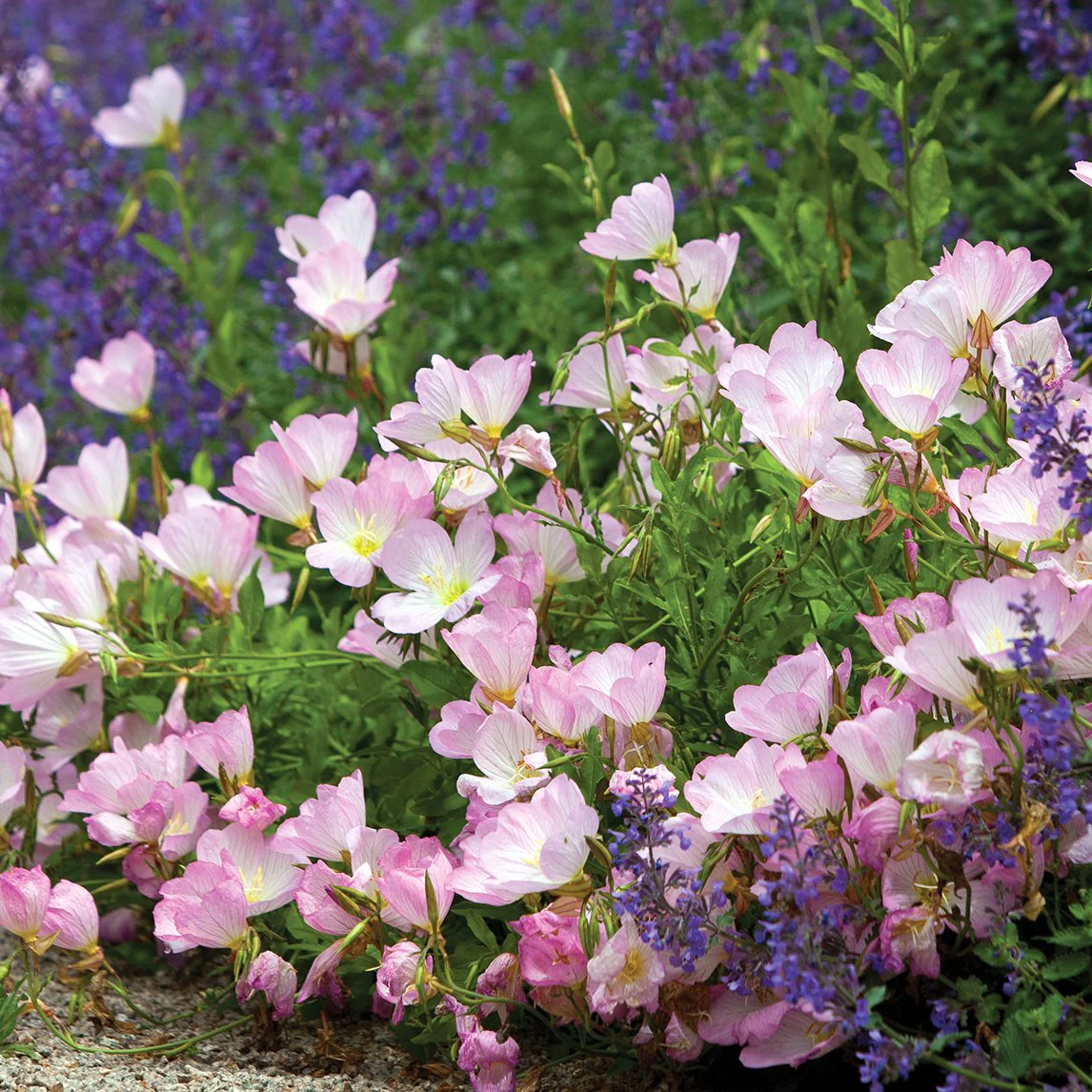
With its delicate pink blooms, this plant looks like the perfect filler for sunny spots. But it spreads by both seed and underground runners, quickly overwhelming beds and even lawns. Once established, it’s very difficult to remove.
Better choice: Dianthus, perennial geranium, or creeping phlox (Phlox subulata) for a carpet of color without the takeover.
Conclusion – Choose Beauty Wisely
A plant’s beauty doesn’t guarantee it will be a good neighbor in your garden. Some species can cause more harm than good, spreading beyond their intended space and threatening local biodiversity. The good news? For every invasive or aggressive plant, there are dozens of safe, stunning alternatives.
So next time you’re at the garden center, pause before you buy. Do a quick check on your local invasive species list, and choose plants that will bring lasting beauty—without the future headaches.
Your turn: Which plant has been your biggest gardening mistake? Share your story in the comments—you might help another gardener avoid the same trouble.
