
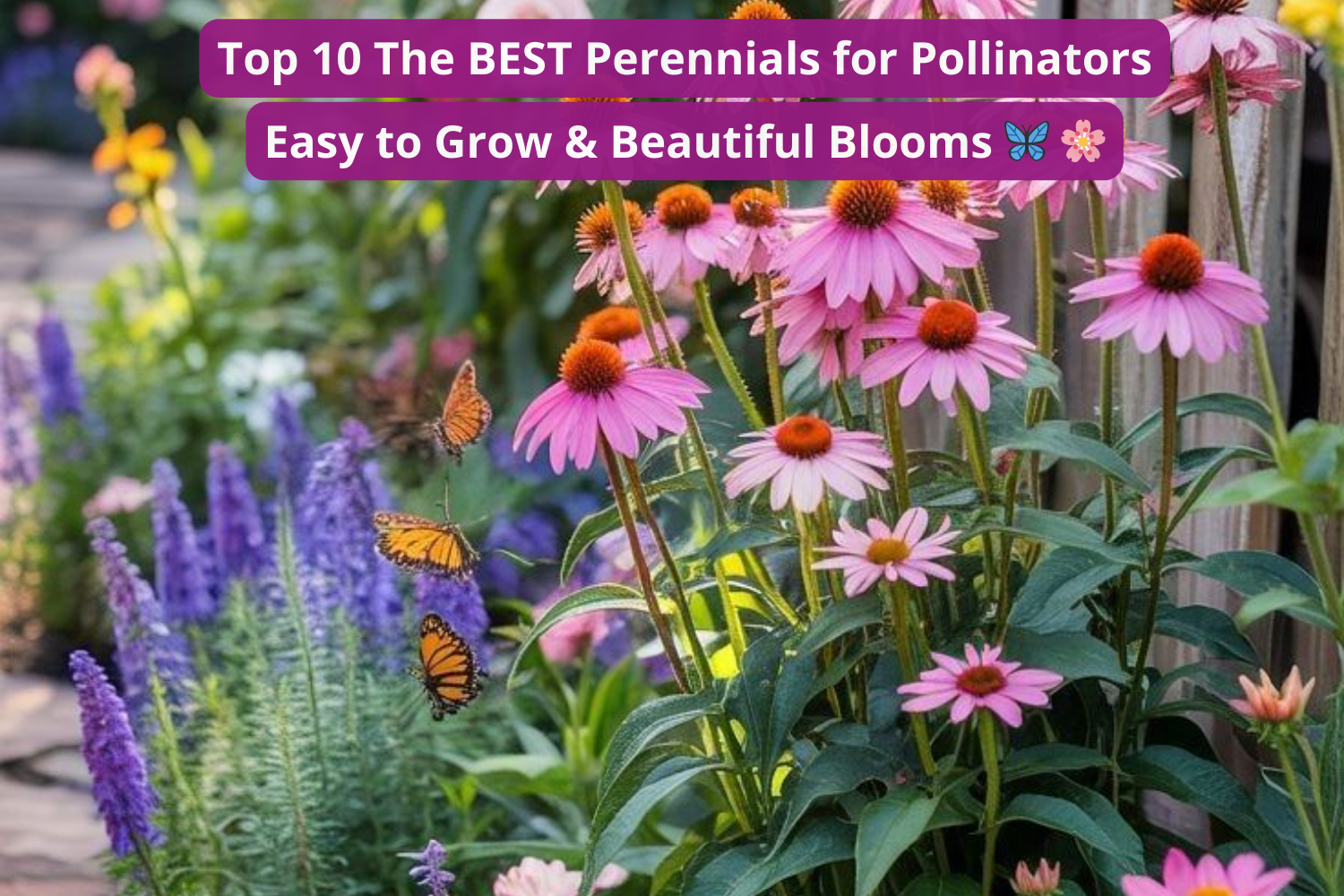
Have you ever walked into a garden and felt it buzzing with life? Butterflies drift lazily from bloom to bloom, bees hum as they gather nectar, and every flower seems to sway in harmony with the sun. These vibrant, living spaces don’t happen by accident — they’re planted with species that not only look stunning but also sustain the wildlife around them.
If you want a garden that supports nature and looks beautiful from spring through fall, the secret is in choosing the right plants. Below are 10 The BEST Perennials for Pollinators: Easy to Grow & Beautiful Blooms that will keep your garden colorful, low-maintenance, and full of pollinator activity.
Contents
- 1 1. Echinacea ‘Magnus’ – The Summer Powerhouse
- 2 2. Agastache ‘Blue Fortune’ – Nectar for Days
- 3 3. Butterfly Weed (Asclepias tuberosa) – Monarch Lifeline
- 4 4. Monarda ‘Jacob Cline’ – Hummingbird Magnet
- 5 5. Veronica spicata ‘Royal Candles’ – Neat and Striking
- 6 6. Liatris spicata – Vertical Drama
- 7 7. Nepeta ‘Walker’s Low’ – Soft and Abundant
- 8 8. Solidago ‘Fireworks’ – Late-Season Gold
- 9 9. Helenium ‘Autumnale’ – Fall Fireworks
- 10 10. Penstemon ‘Husker Red’ – Early Season Elegance
- 11 Bringing It All Together
1. Echinacea ‘Magnus’ – The Summer Powerhouse
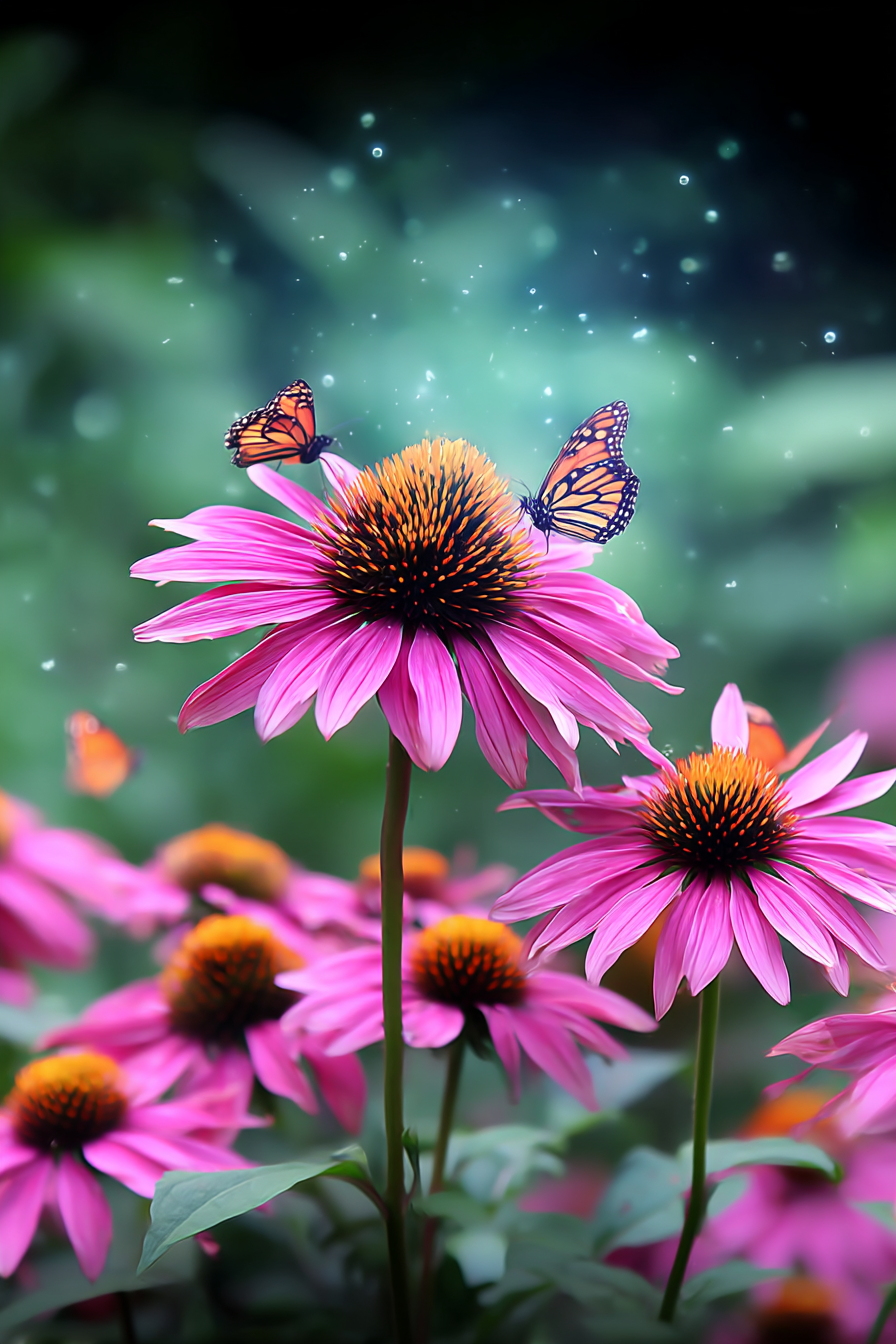
With bold magenta petals surrounding a coppery cone, Echinacea ‘Magnus’ is a classic pollinator favorite. Bees, butterflies, and even goldfinches can’t resist it — the flowers provide nectar in summer, and the seed heads become a natural snack bar for birds later in the season.
Why it works:
-
Blooms for weeks from midsummer to fall
-
Thrives in full sun and tolerates drought
-
Forms neat, upright clumps that stay tidy in borders
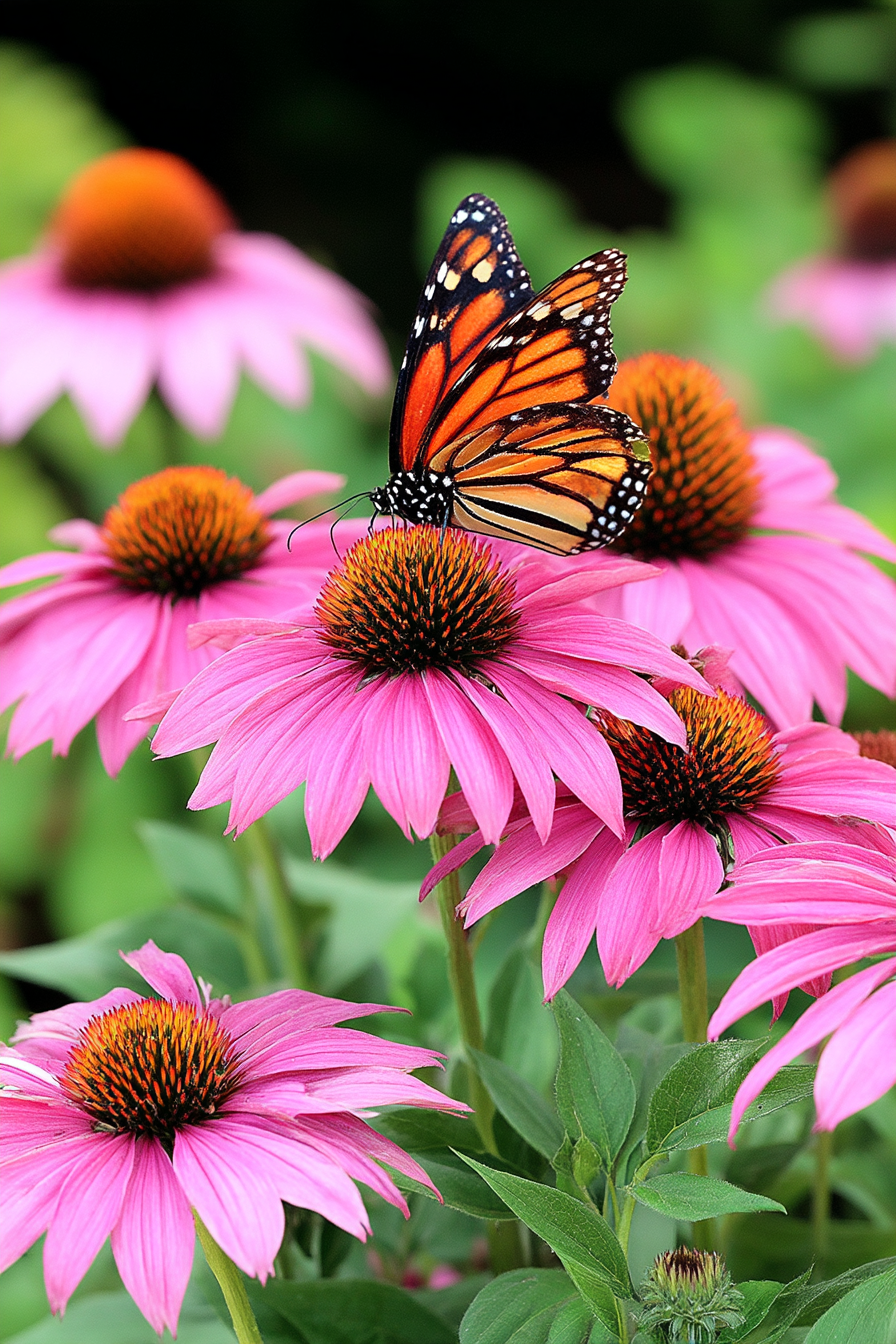
Design tip: Pair with Russian sage, black-eyed Susans, or native grasses for a vibrant, wildlife-friendly border.
2. Agastache ‘Blue Fortune’ – Nectar for Days
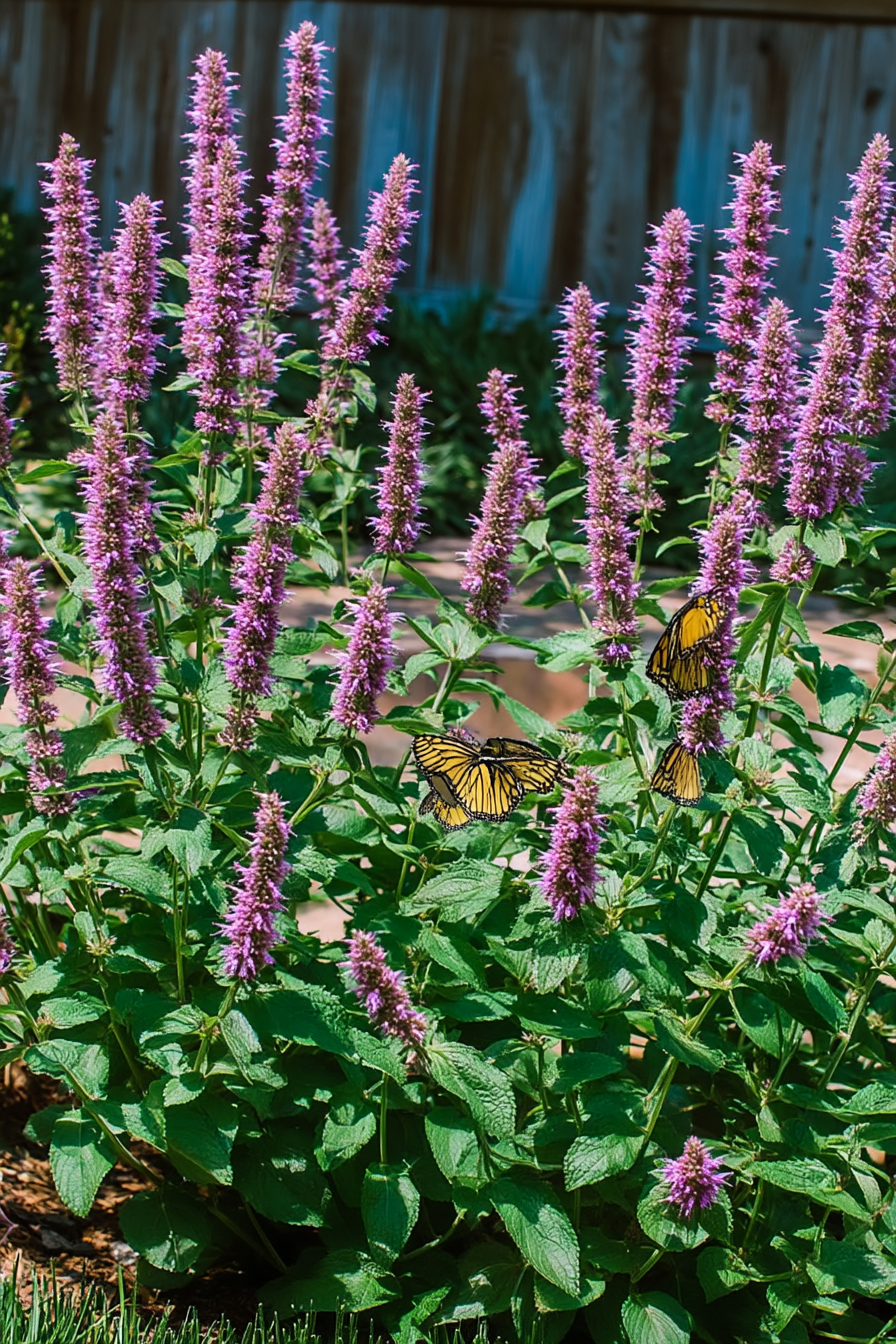
Aromatic foliage and lavender-blue bottlebrush blooms make Agastache ‘Blue Fortune’ a magnet for bees and butterflies. It flowers for weeks without pause, and the foliage’s subtle anise scent helps deter deer.
Why it works:
-
Midsummer-to-fall blooms
-
Drought- and heat-tolerant once established
-
Adds vertical interest to garden beds
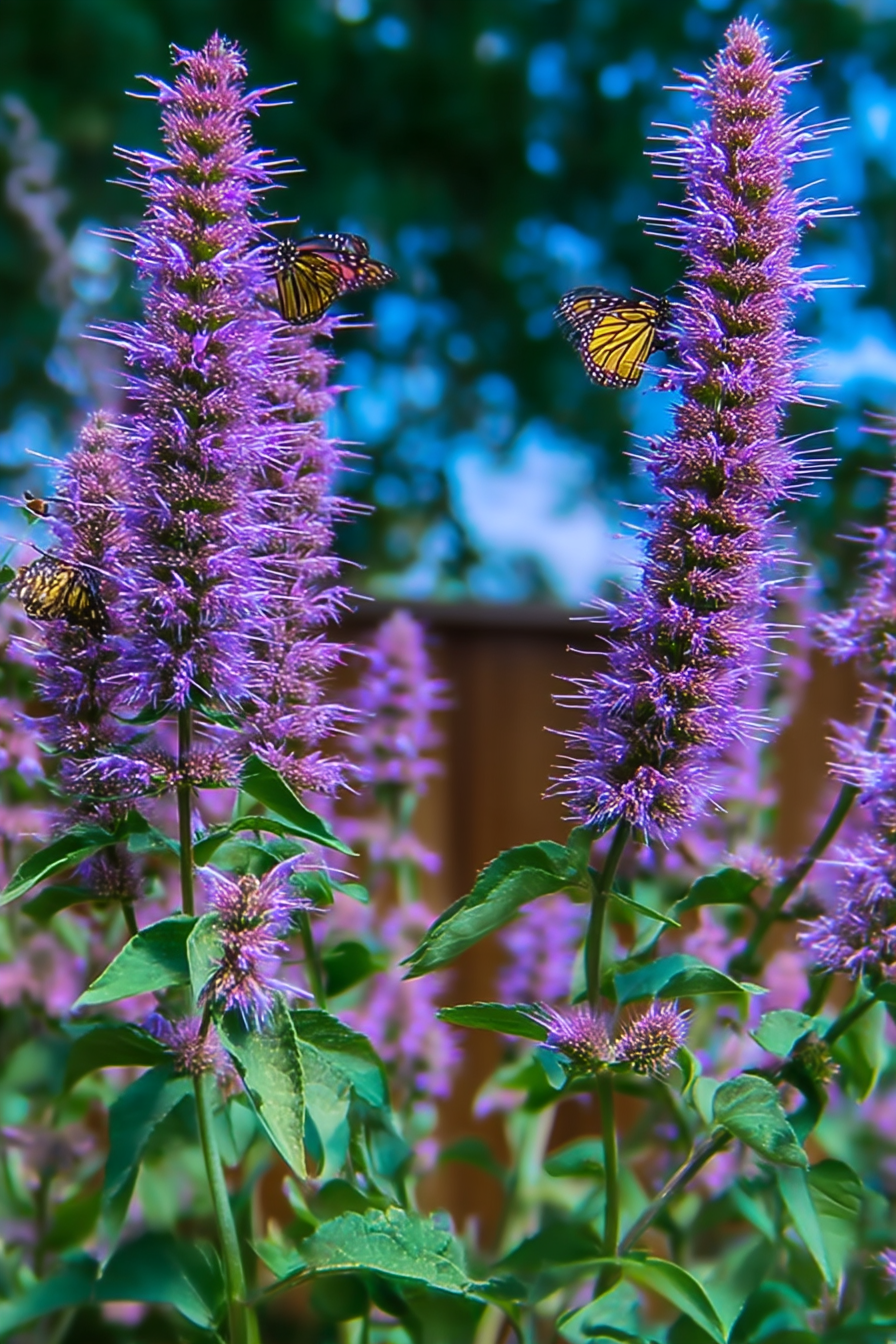
Design tip: Works beautifully with yarrow, coneflowers, or ornamental grasses for a long-lasting, low-maintenance display.
3. Butterfly Weed (Asclepias tuberosa) – Monarch Lifeline
This native stunner is essential for monarch butterflies, serving as both a nectar source and a host plant for caterpillars. Its fiery orange clusters pop against narrow, glossy foliage.
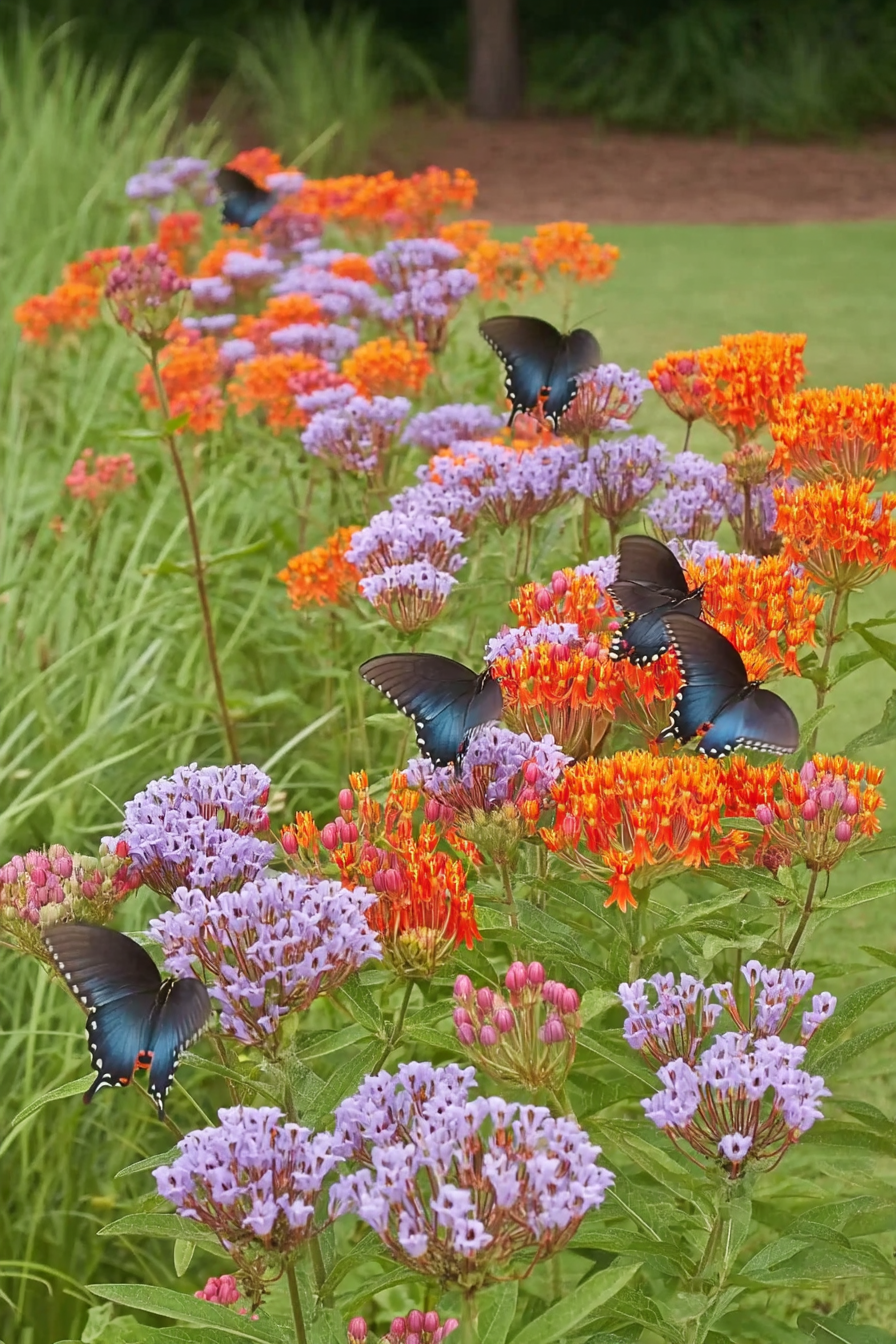
Why it works:
-
Attracts bees, butterflies, hummingbirds
-
Thrives in lean, dry soil
-
Low-maintenance and long-lived
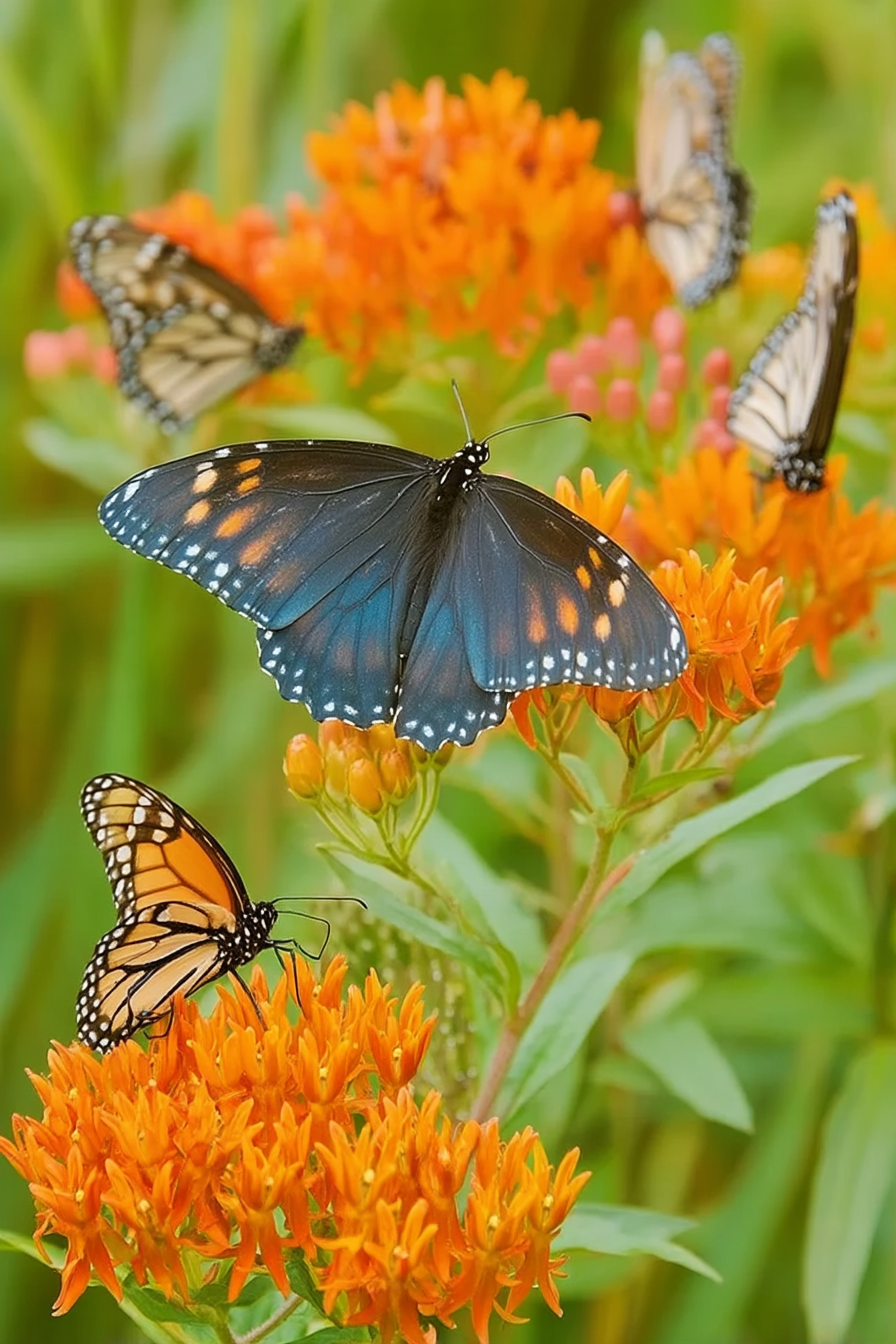
Design tip: Combine with black-eyed Susans, prairie grasses, or purple coneflowers for a resilient, pollinator-rich planting.
4. Monarda ‘Jacob Cline’ – Hummingbird Magnet
Scarlet blooms burst into shaggy crowns atop square stems, creating a feast for hummingbirds and long-tongued bees. Aromatic, minty foliage adds texture and deters deer.
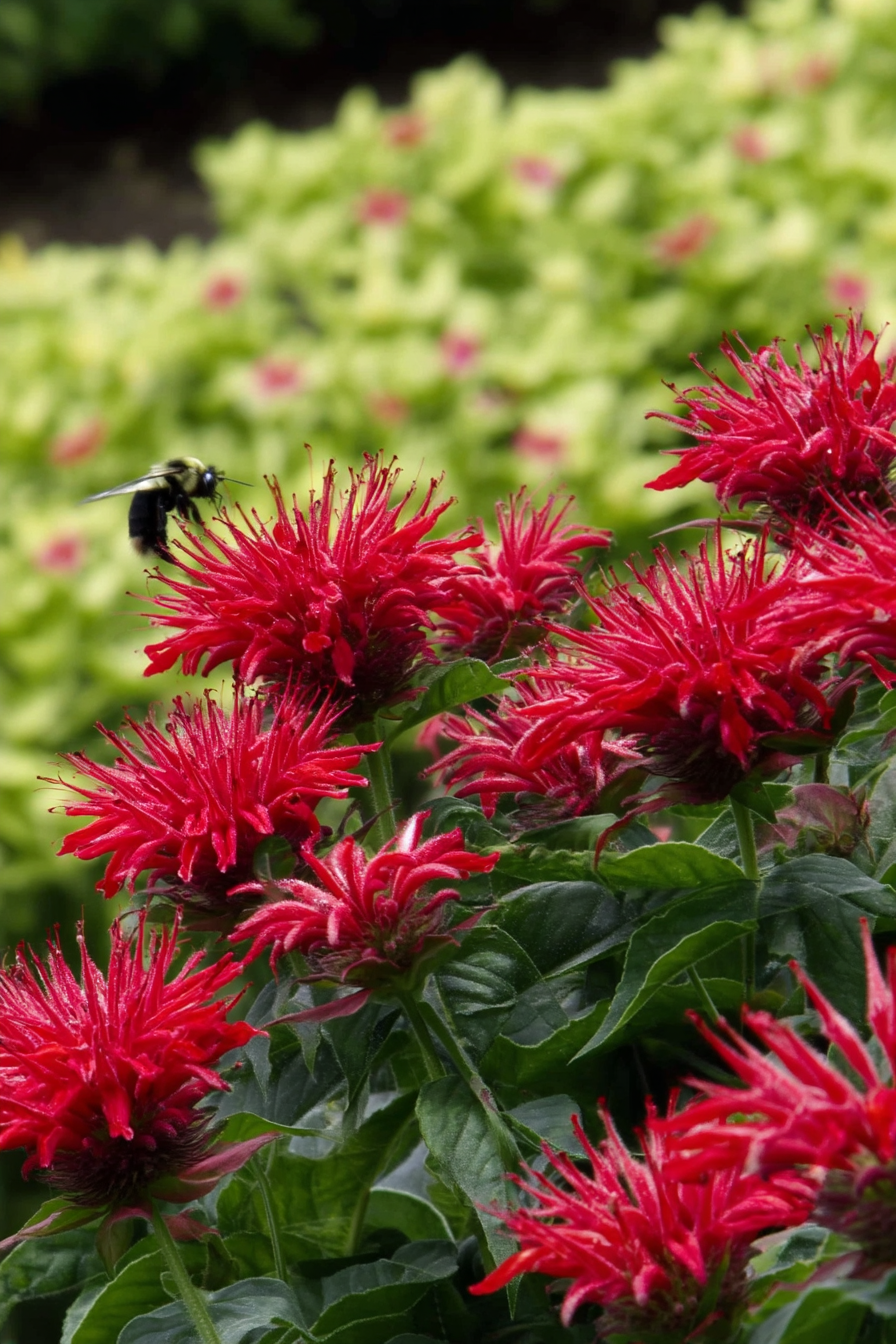
Why it works:
-
Midsummer blooms in bold red
-
Mildew-resistant cultivar
-
Tolerates full sun to partial shade
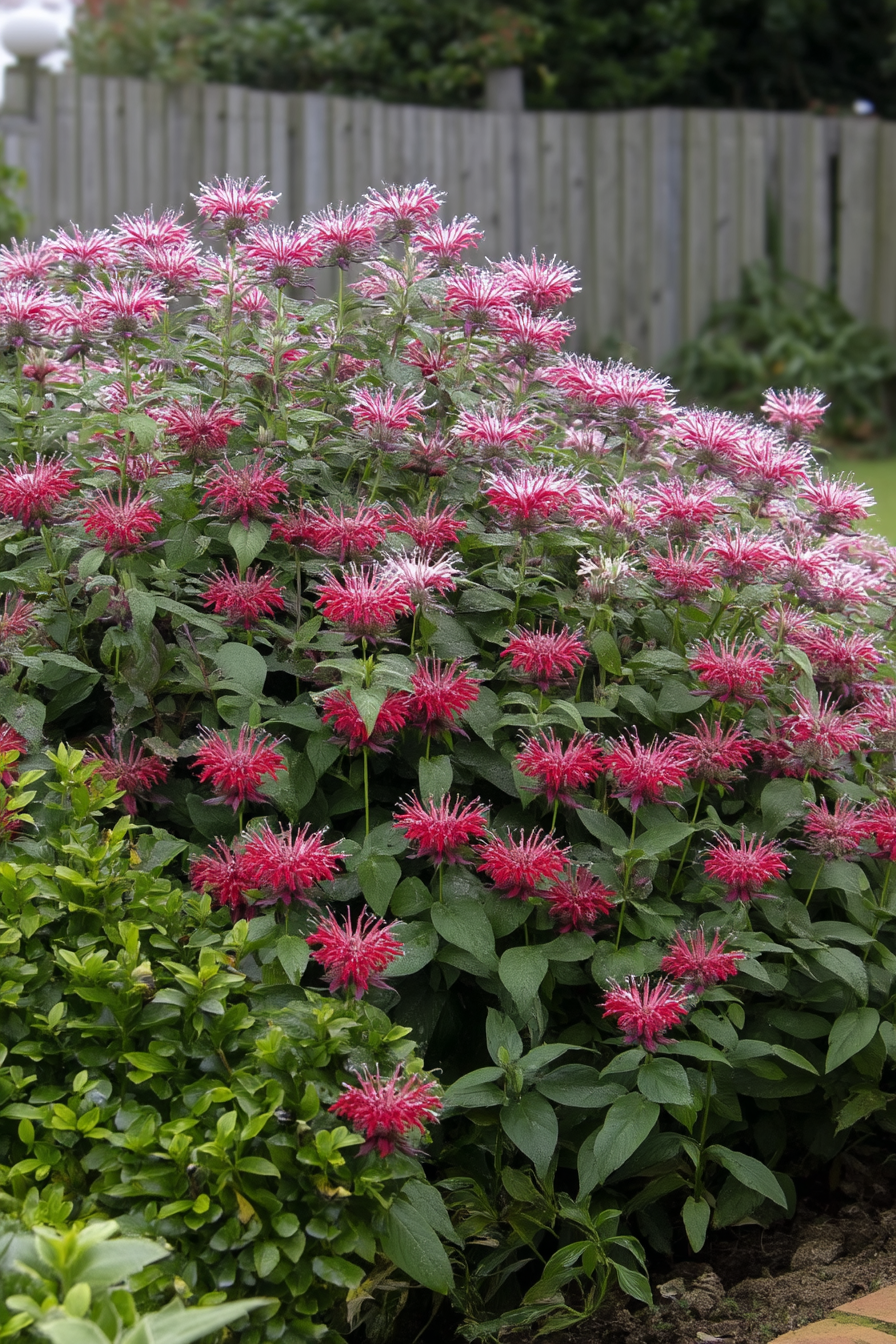
Design tip: Pair with purple salvia or white phlox for dramatic contrast and continuous pollinator activity.
5. Veronica spicata ‘Royal Candles’ – Neat and Striking
Compact and elegant, Royal Candles offers upright violet-blue spikes that pollinators love. Dense flowers provide weeks of nectar in early to midsummer.
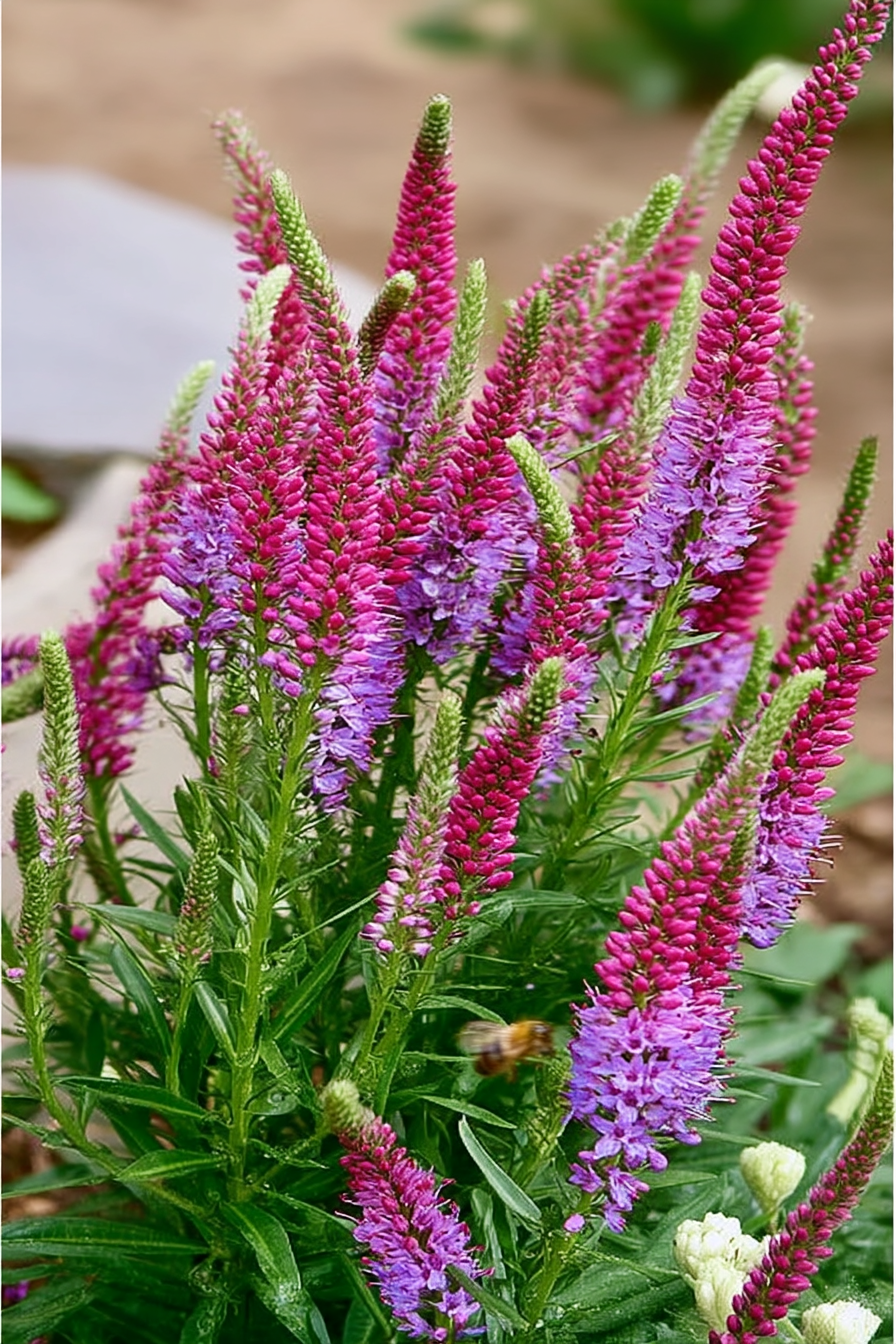
Why it works:
-
Tight, tidy growth habit for formal or casual gardens
-
Easy to maintain and drought-tolerant
-
Encourages light rebloom when deadheaded
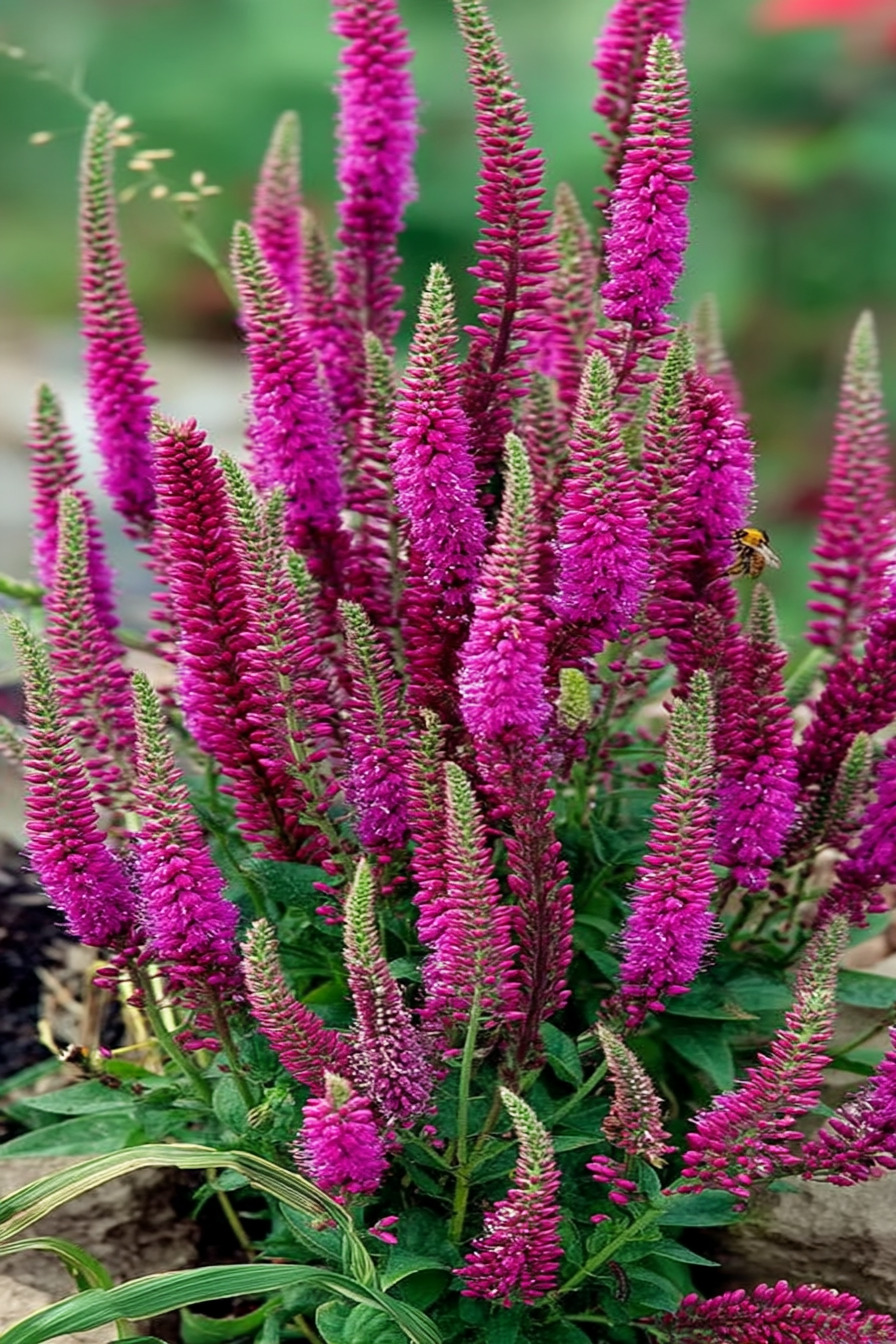
Design tip: Mix with yellow coreopsis, catmint, or daisies for a bright, balanced border.
6. Liatris spicata – Vertical Drama
Native and beloved by monarchs and swallowtails, Liatris blooms from the top down, giving pollinators fresh access to nectar. The purple spikes bring height and movement to any garden.
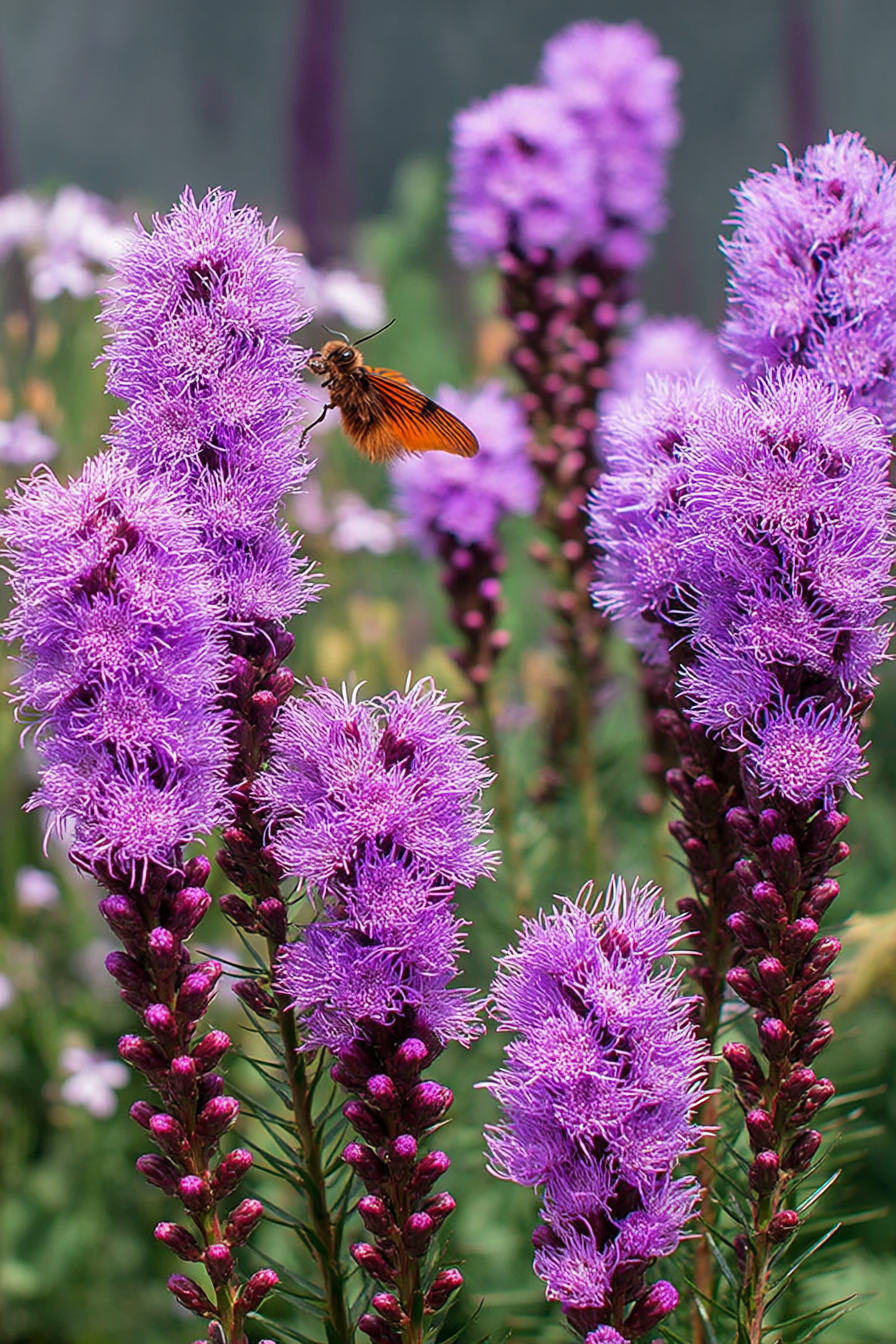
Why it works:
-
Thrives in sun, tolerates drought and clay
-
Long bloom time in mid-to-late summer
-
Excellent in naturalistic plantings
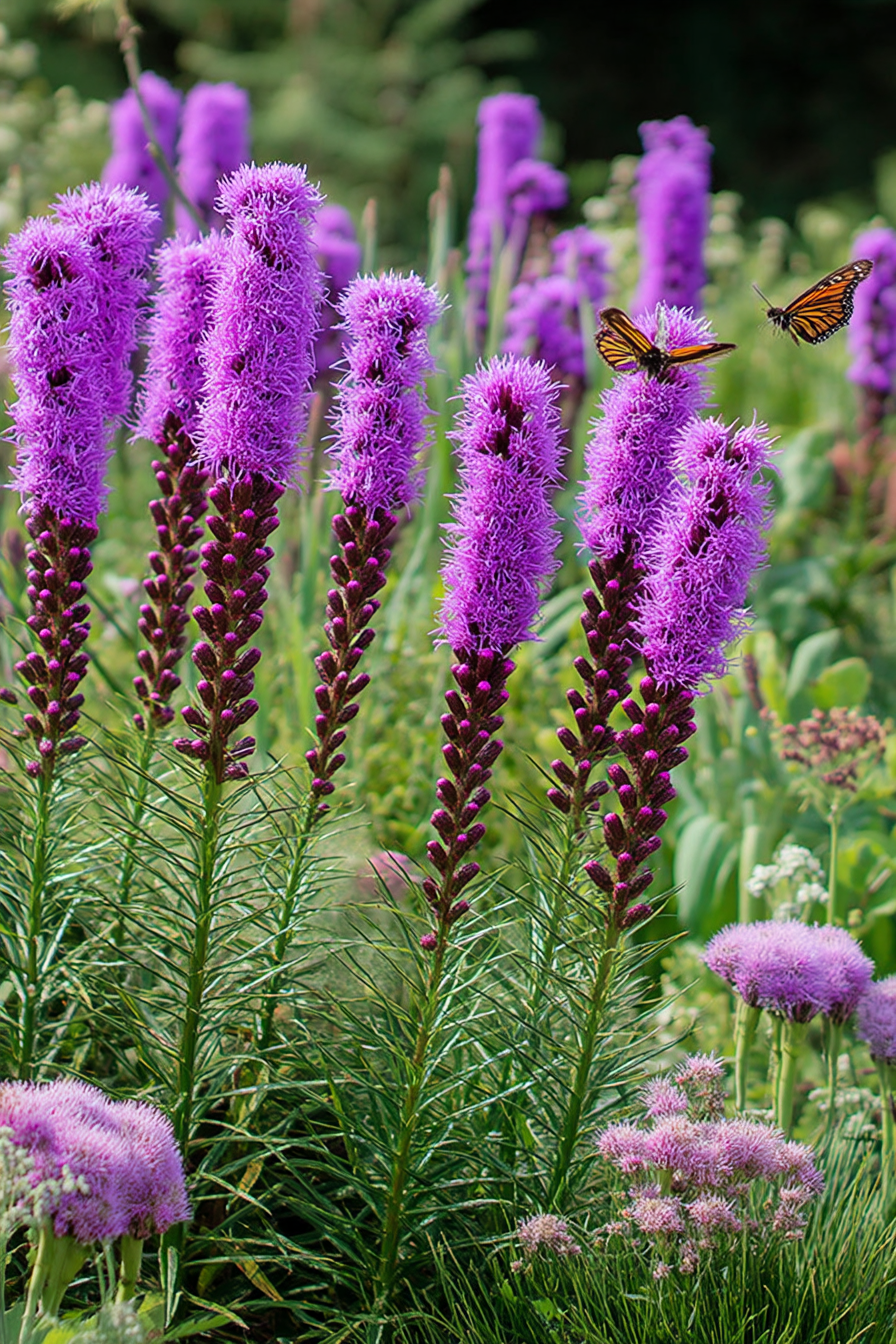
Design tip: Plant in drifts with black-eyed Susans or blend into a meadow-style garden for a dynamic pollinator scene.
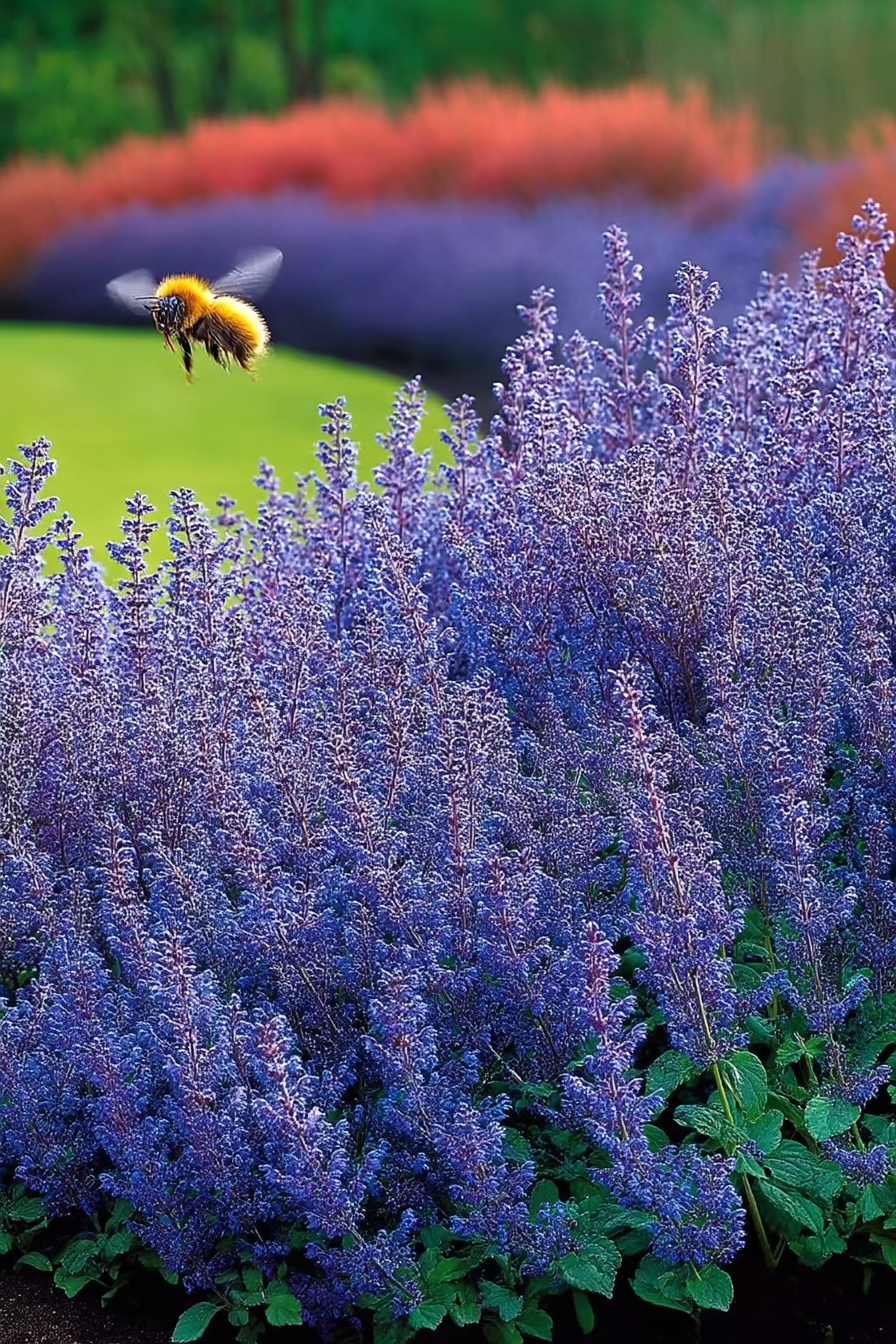
7. Nepeta ‘Walker’s Low’ – Soft and Abundant
This silver-leaved perennial cascades gracefully and blooms from spring into midsummer, often reblooming after a trim. Bees adore it, and aromatic foliage keeps deer and rabbits away.
Why it works:
-
Heat- and drought-tolerant
-
Perfect for sunny edges and fillers
-
Continuous color with minimal care
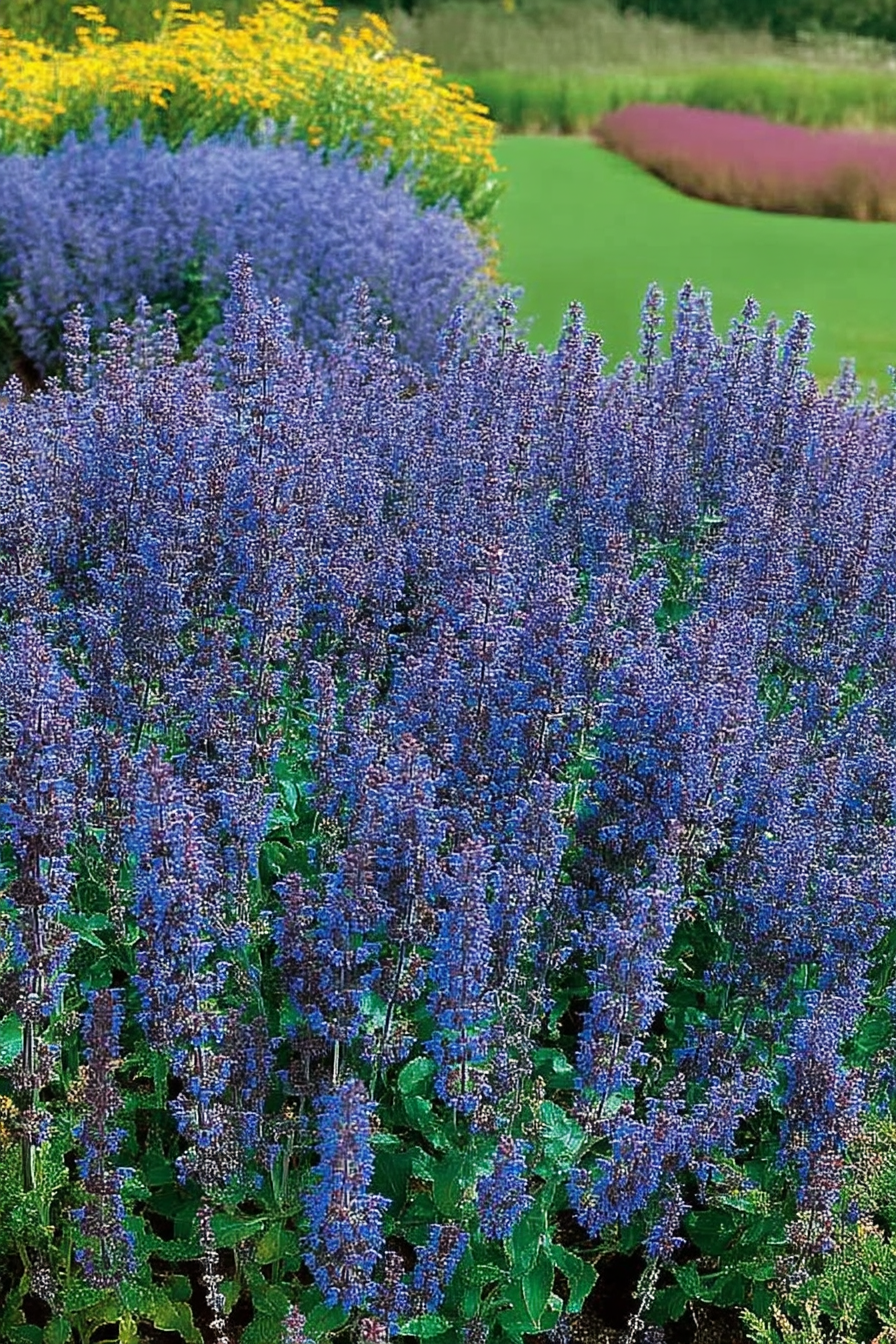
Design tip: Weave between taller perennials like yarrow or salvia for softness and continuity.
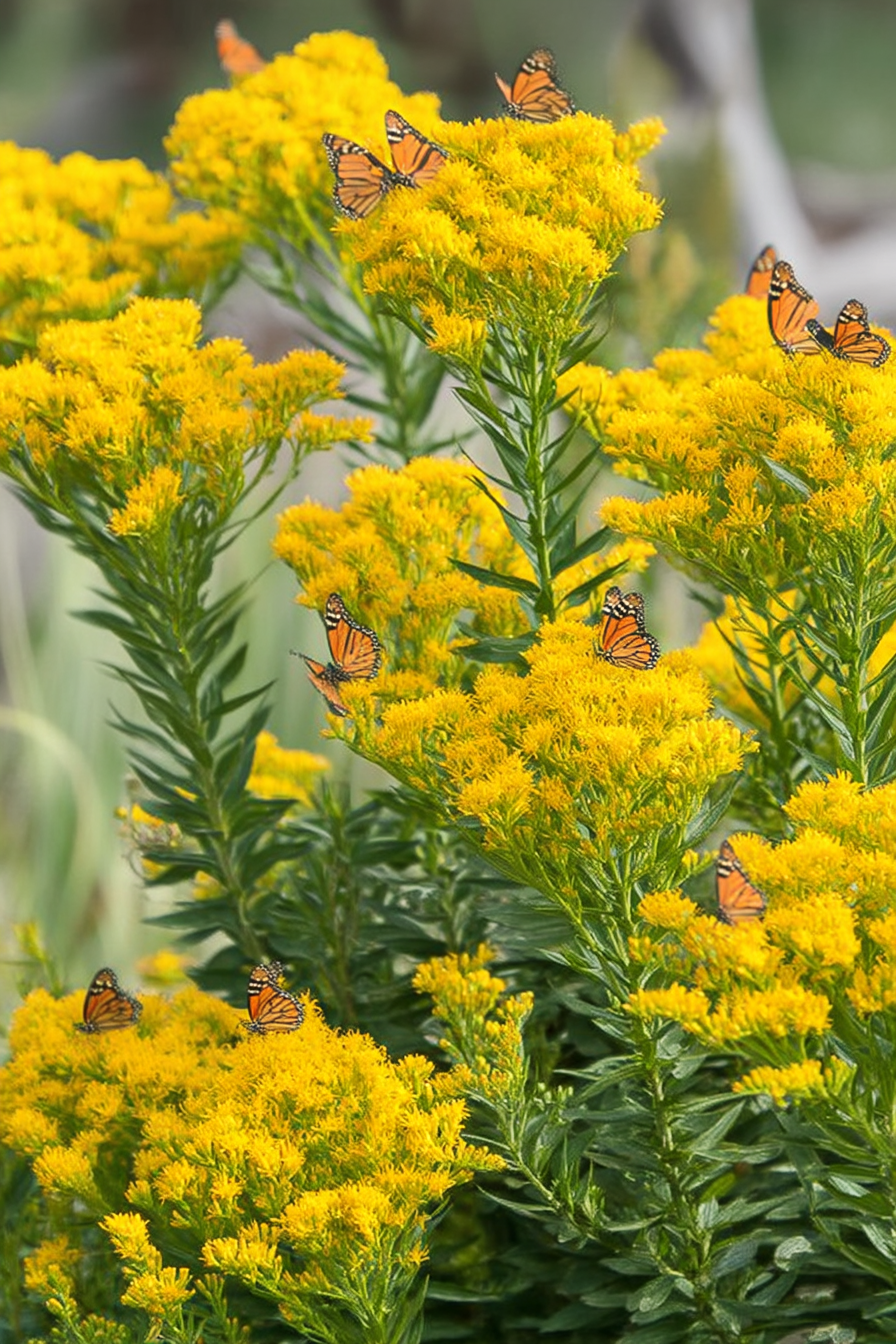
8. Solidago ‘Fireworks’ – Late-Season Gold
Arching sprays of golden blooms light up the garden from late summer to fall, feeding pollinators when few other plants are blooming. Despite myths, goldenrod doesn’t cause allergies — ragweed does.
Why it works:
-
Vigorous yet well-behaved
-
Low-maintenance in average to dry soil
-
Critical nectar source for late-season pollinators
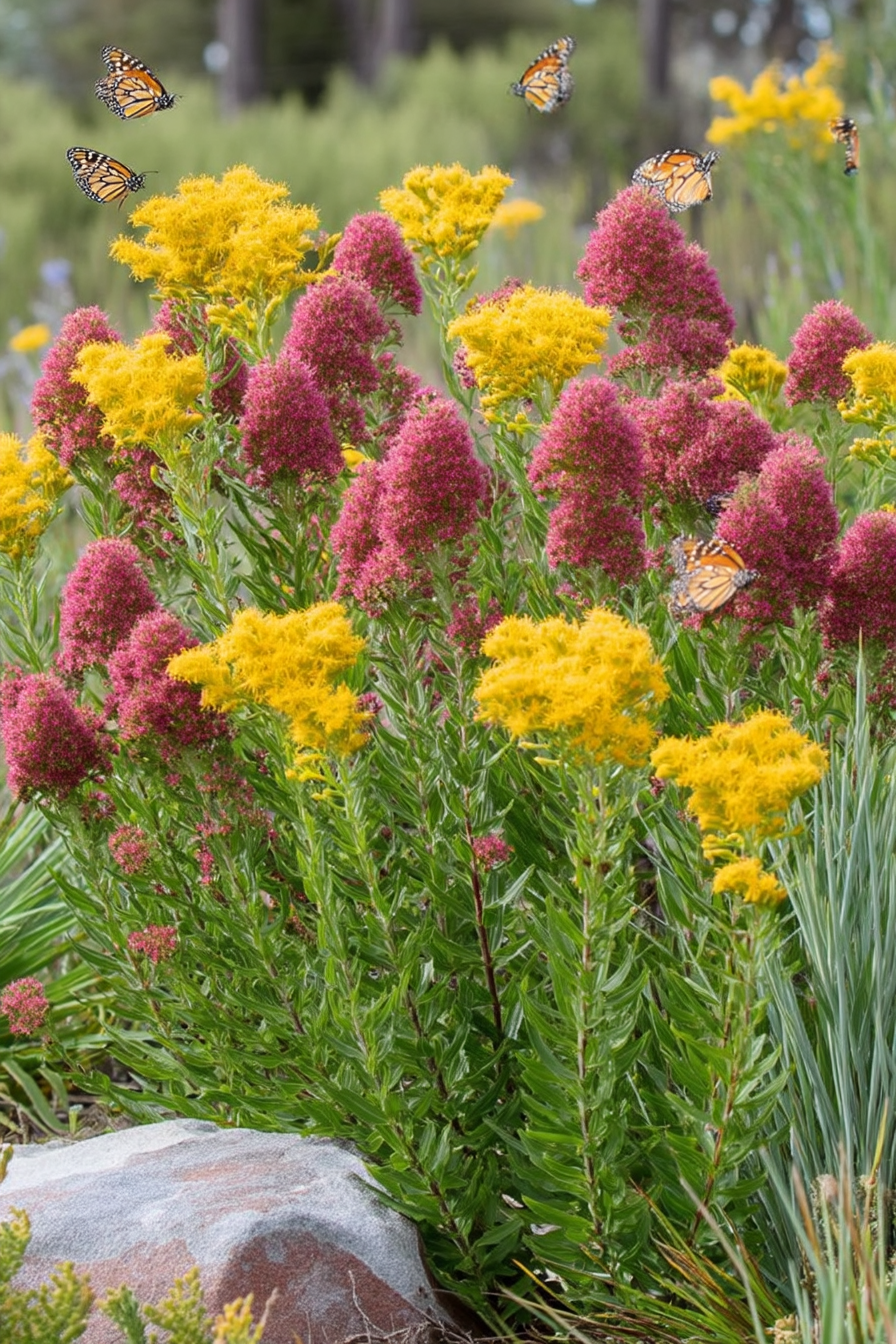
Design tip: Combine with asters, sedum, or ornamental grasses for a glowing fall display.
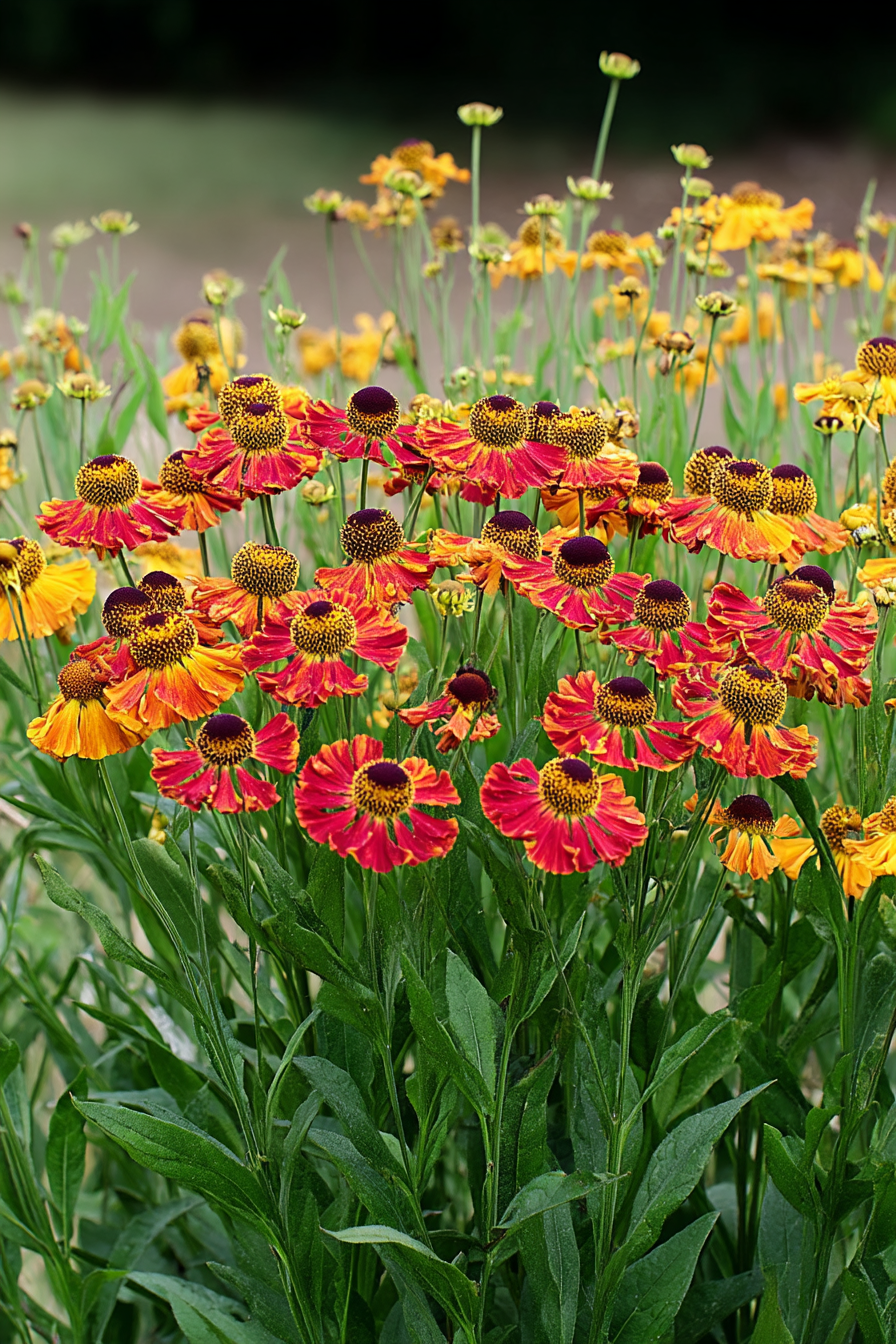
9. Helenium ‘Autumnale’ – Fall Fireworks
Cheerful daisy-like blooms in oranges, reds, and golds carry nectar for late-season pollinators. Flowers stand upright on bushy, deep green foliage.
Why it works:
-
Blooms from late summer into autumn
-
Attracts migrating butterflies and busy bees
-
Adaptable to various garden soils
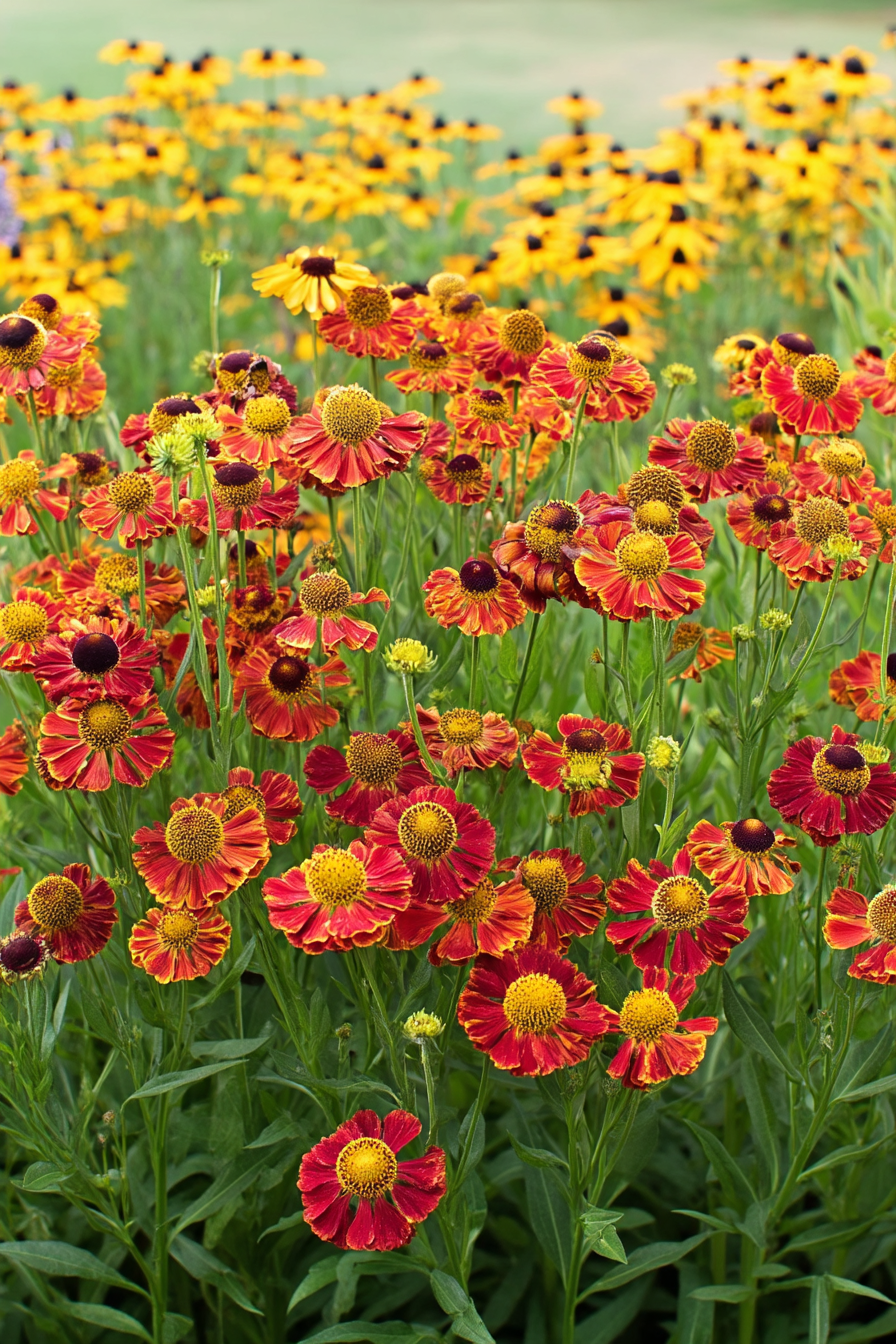
Design tip: Pair with goldenrod, asters, or switchgrass for a rich fall color palette.
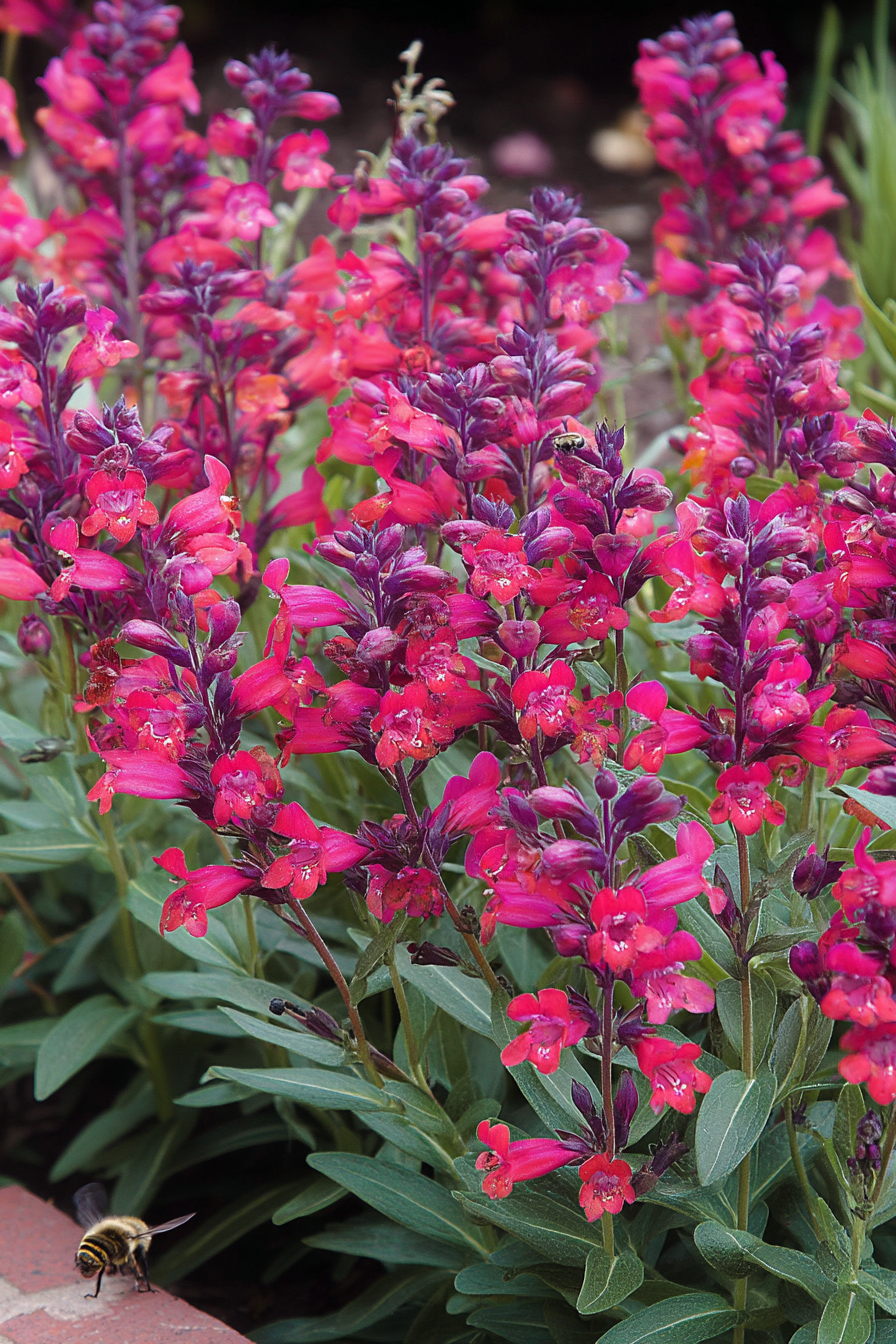
10. Penstemon ‘Husker Red’ – Early Season Elegance
Glossy burgundy foliage contrasts with airy white tubular blooms, perfect for bees and hummingbirds. One of the first perennials to bloom in late spring, it provides essential early nectar.
Why it works:
-
Multi-season beauty from foliage and flowers
-
Full sun, well-drained soil; drought-tolerant
-
Clean, tidy growth habit
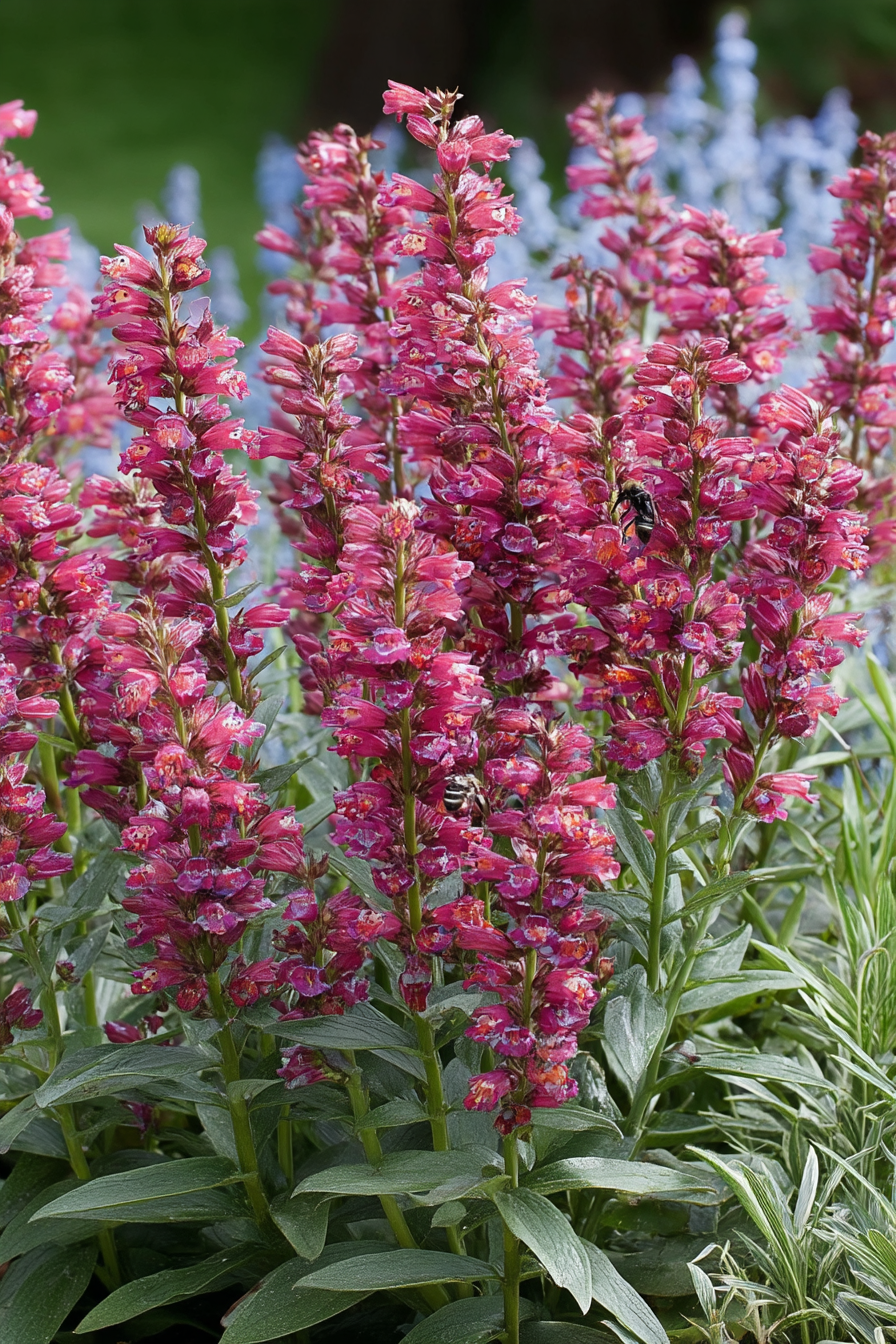
Design tip: Mix with blue salvia, coreopsis, or ornamental grasses for season-long interest.
Bringing It All Together
Pollinator gardens don’t have to be wild, unkempt, or high-maintenance. With the right plant selection, you can enjoy a garden that’s visually stunning and ecologically valuable. These ten perennials deliver beauty, structure, and life from early spring until frost — with minimal effort on your part.
